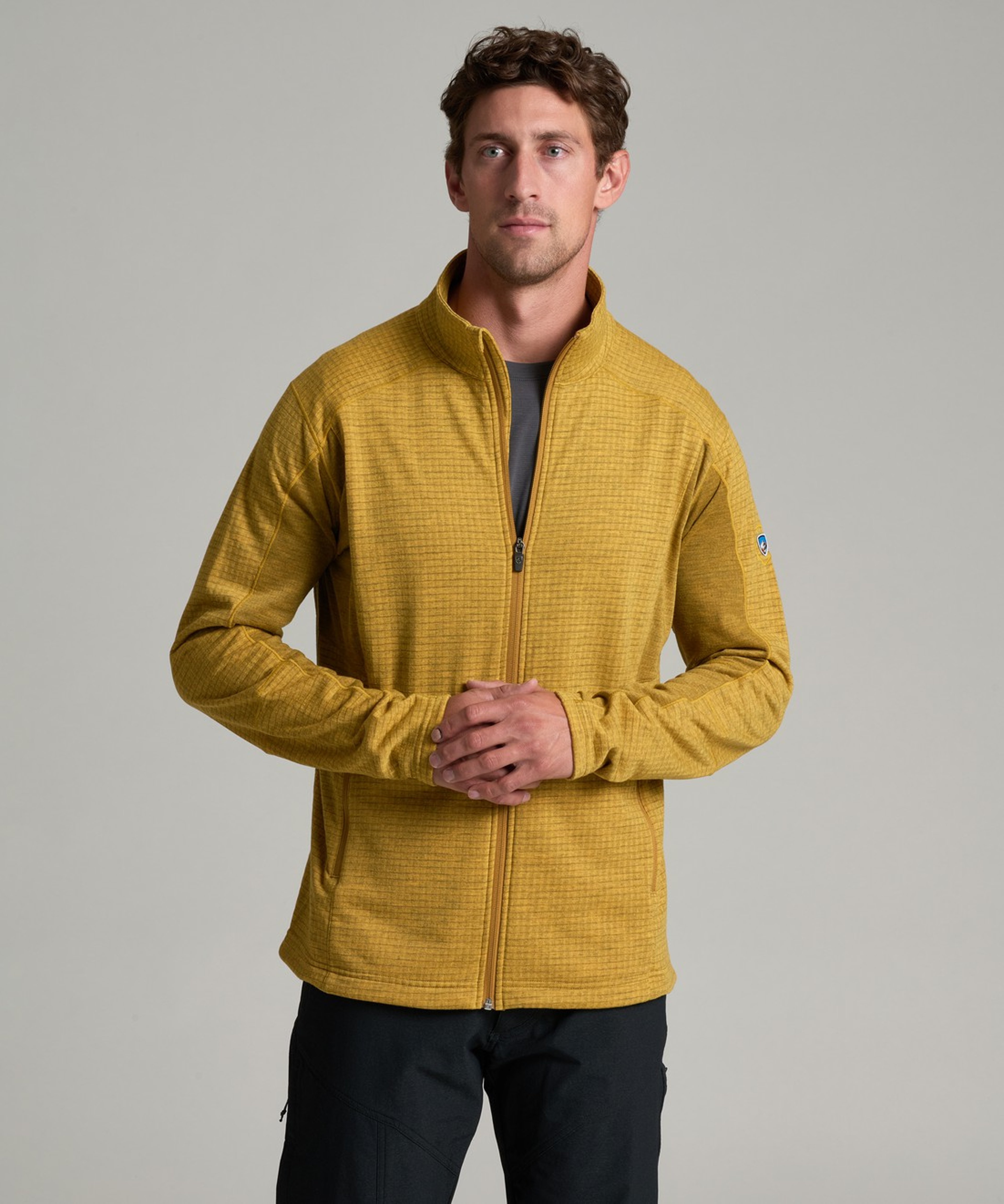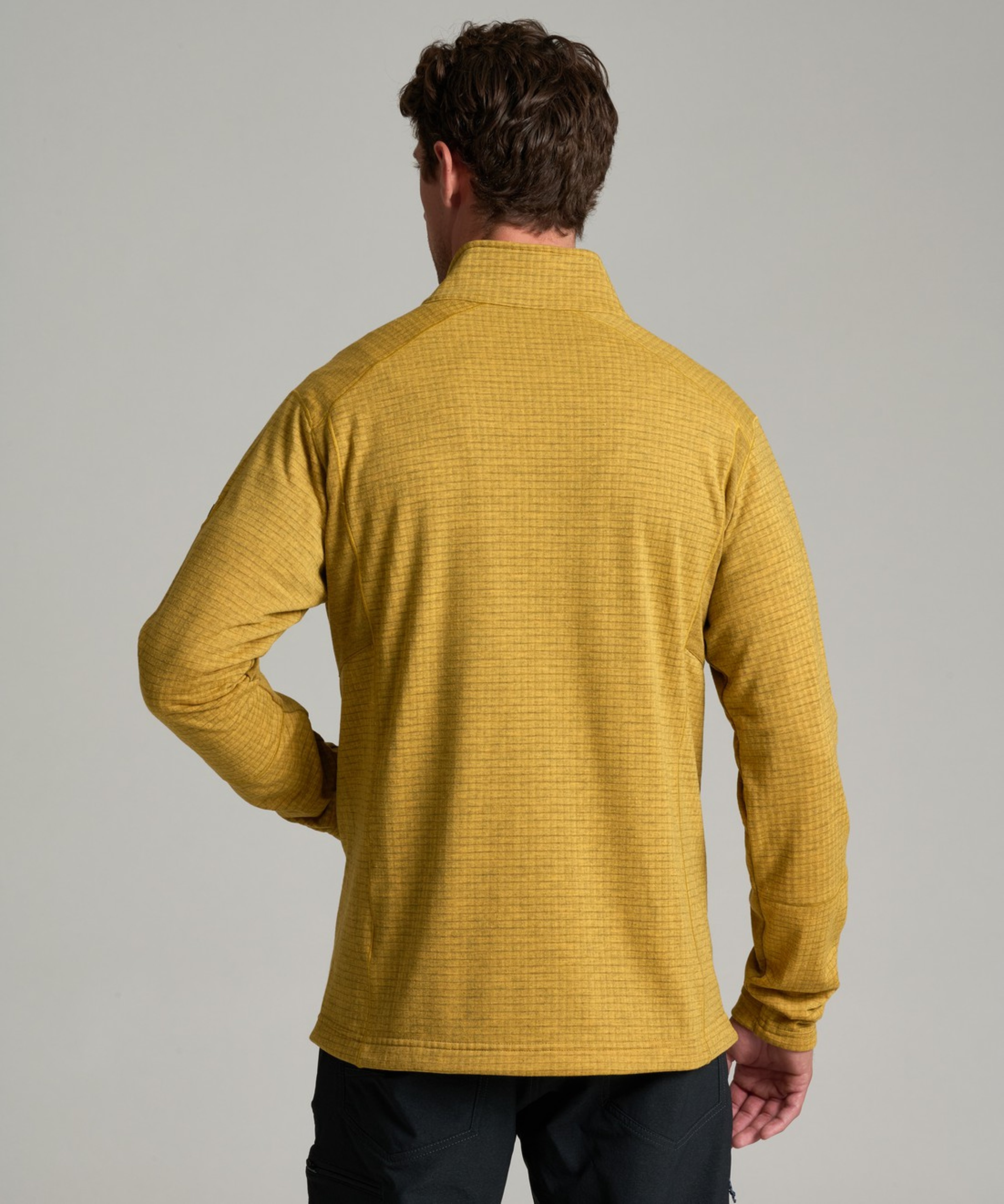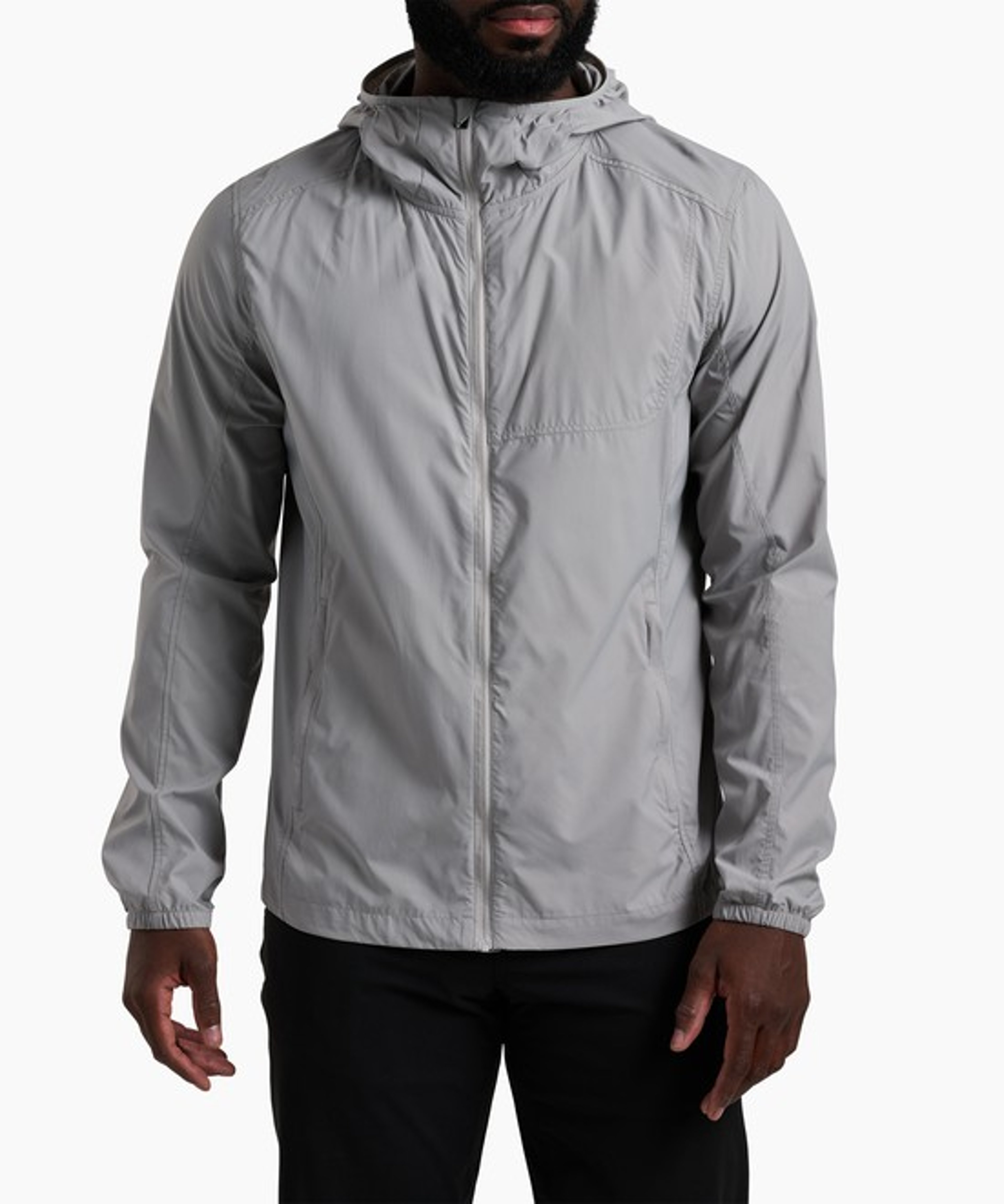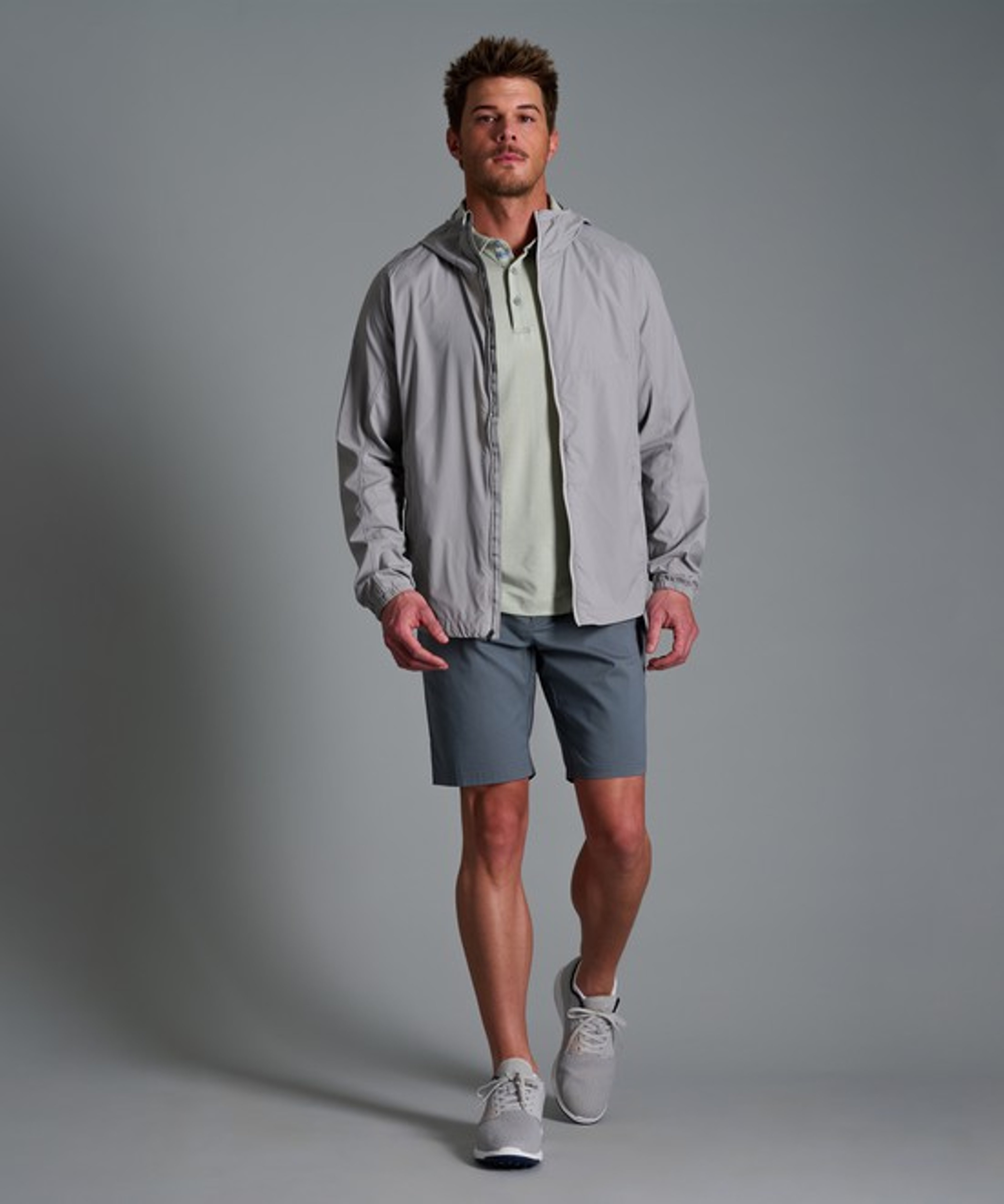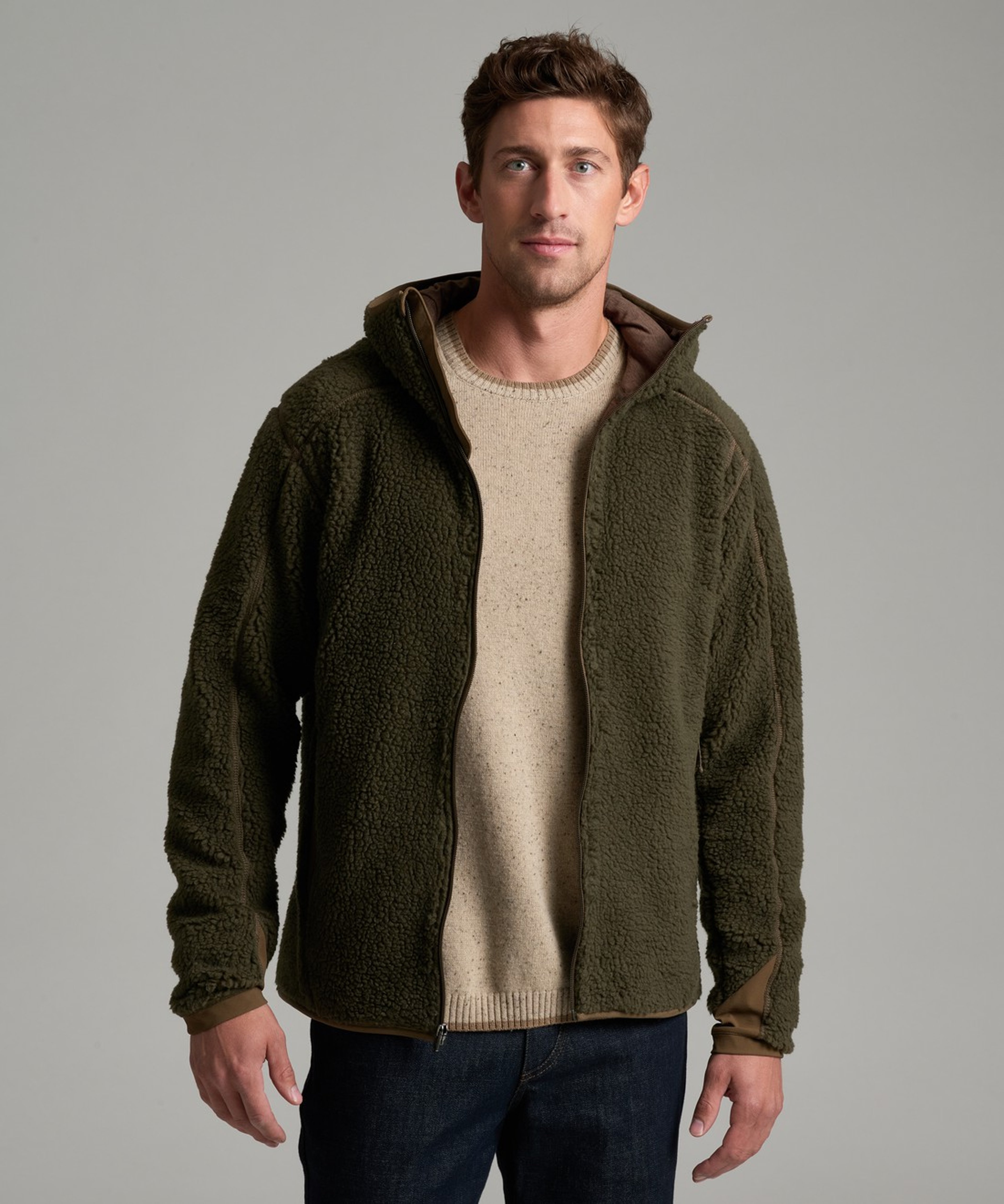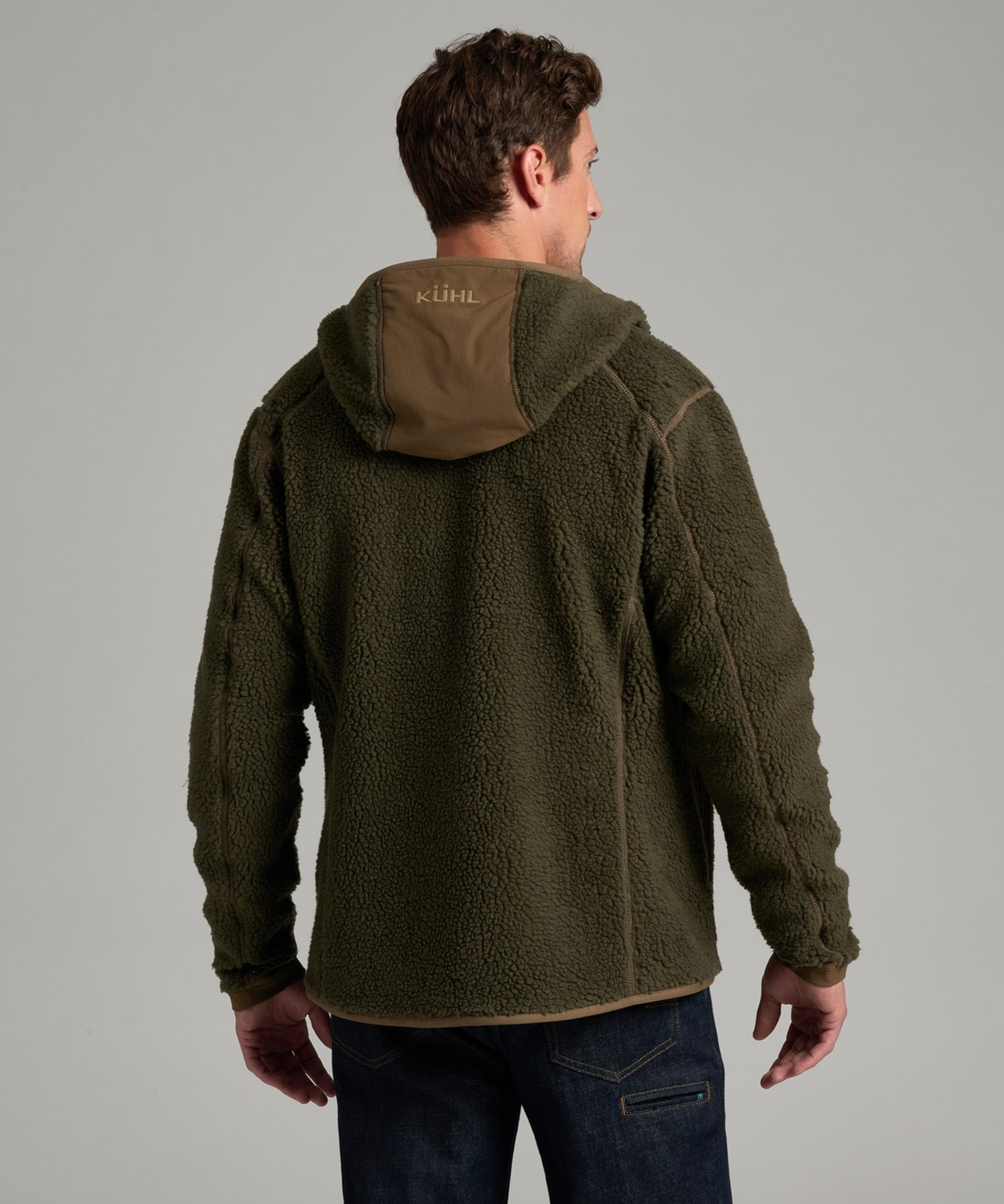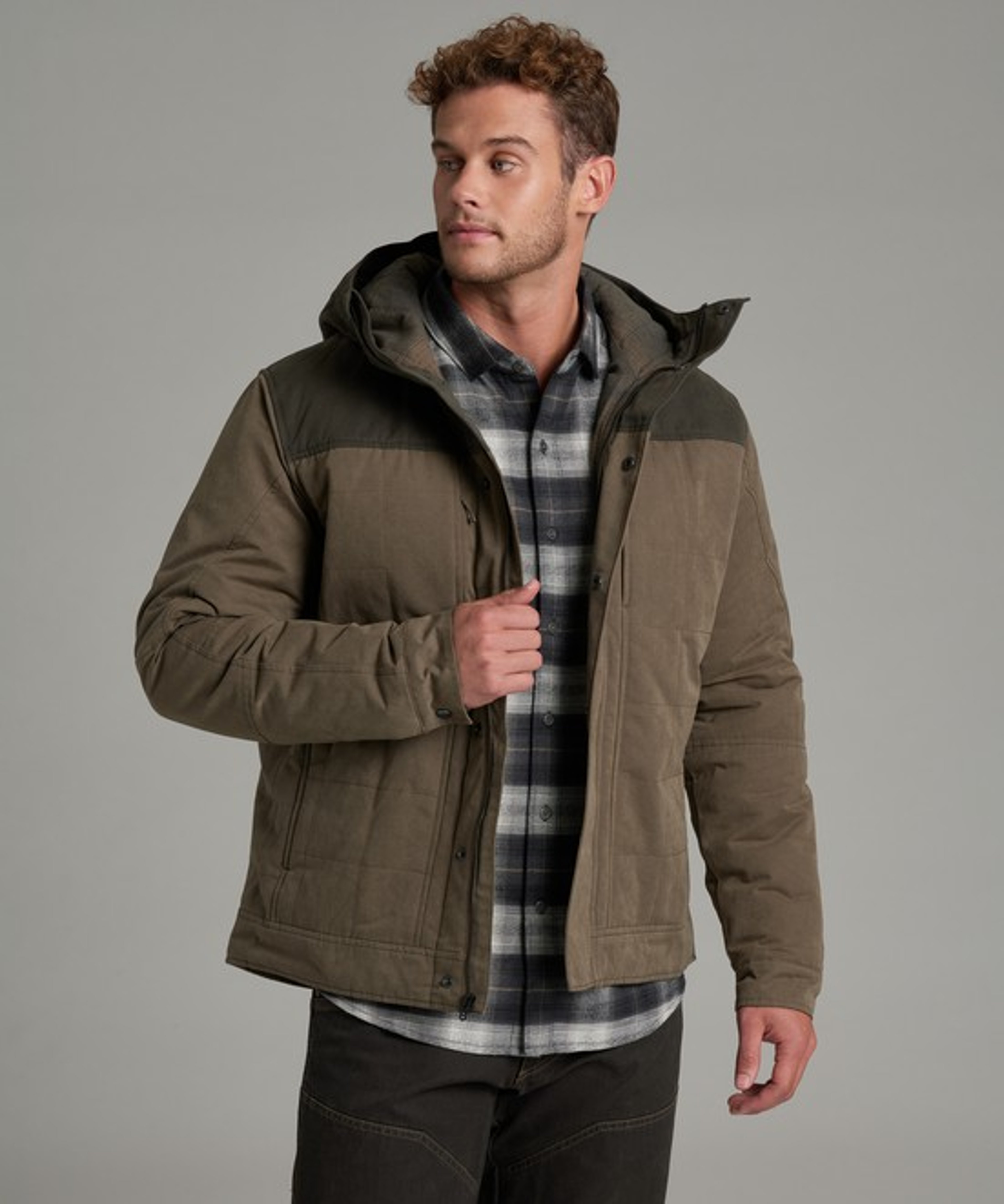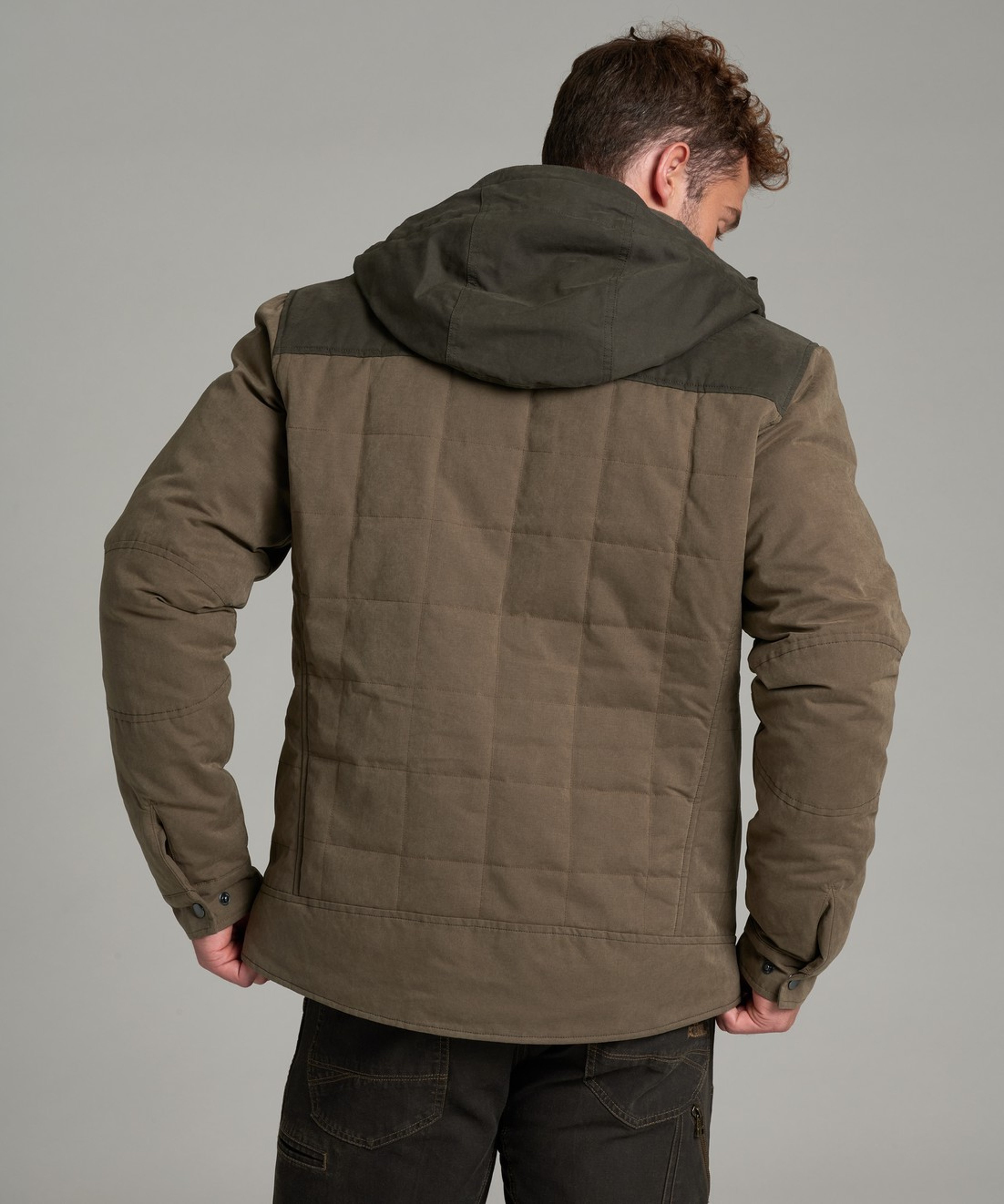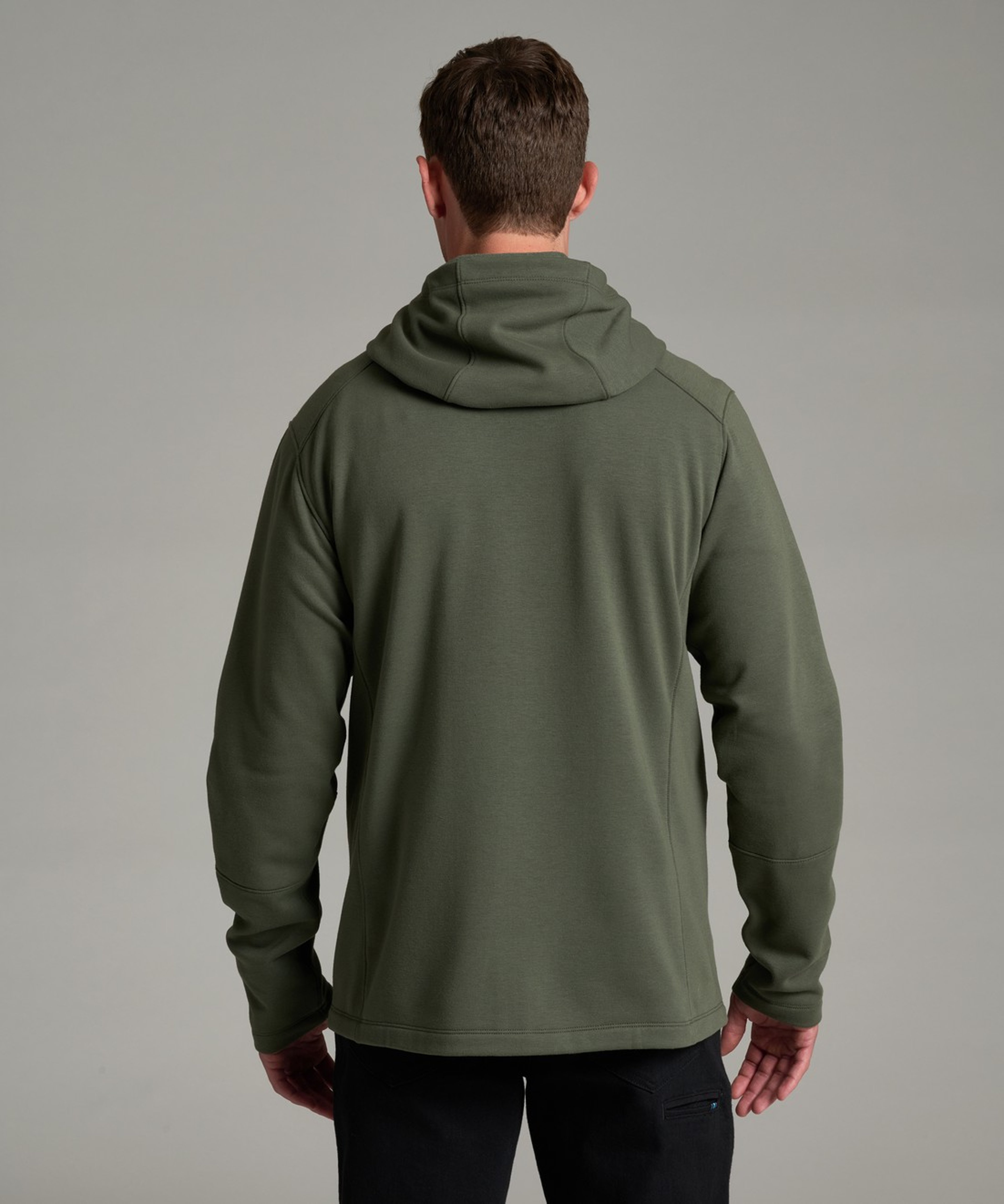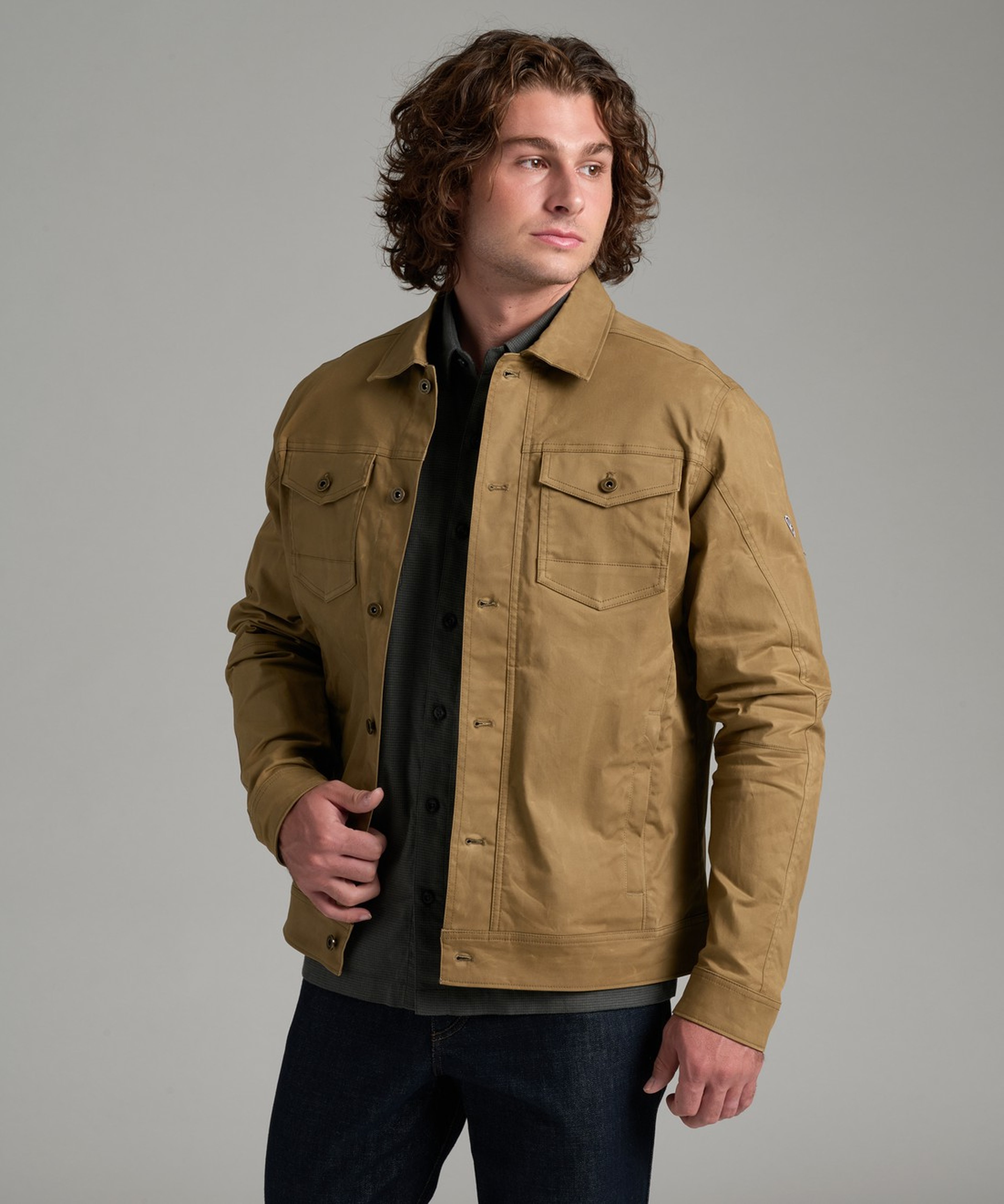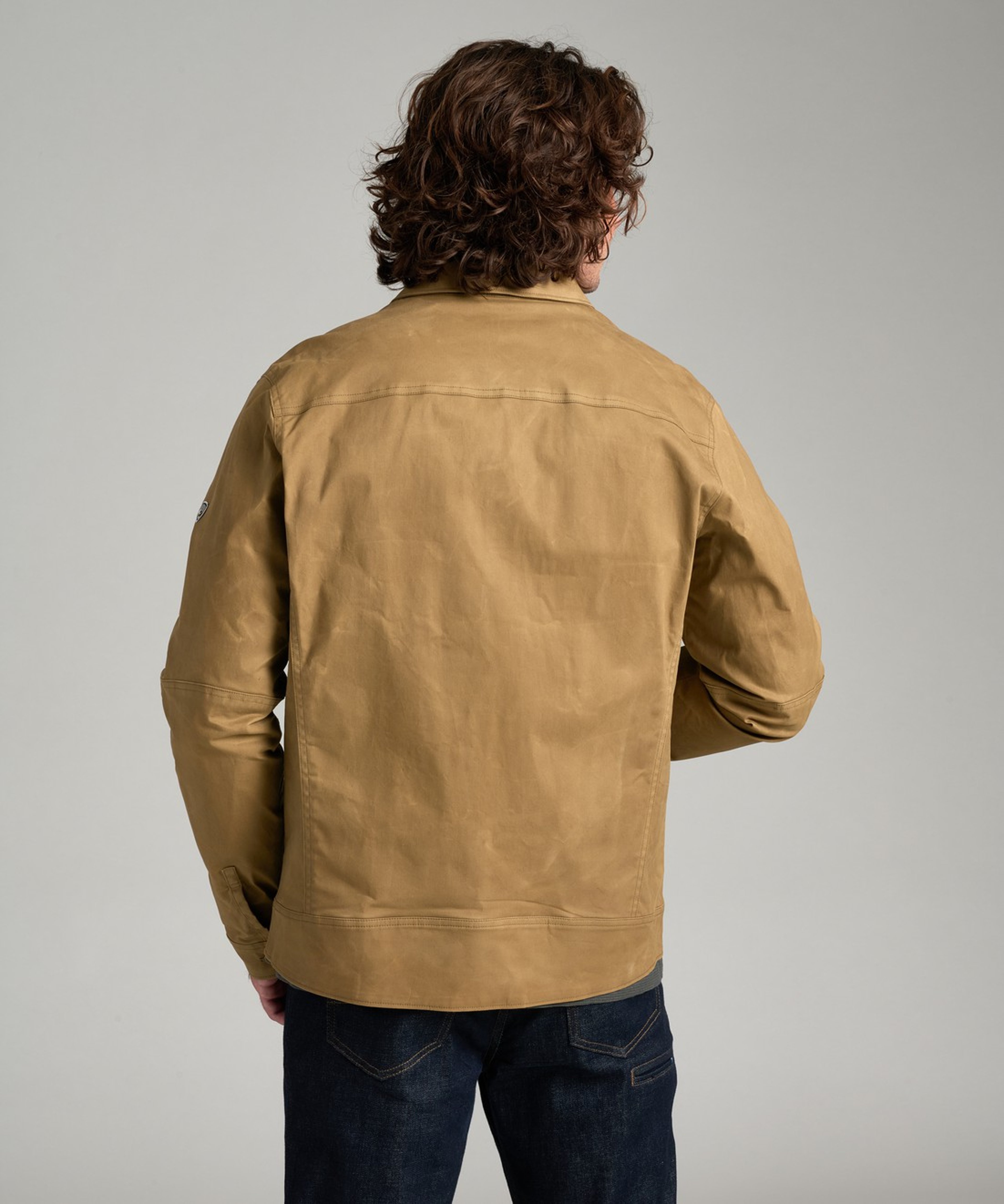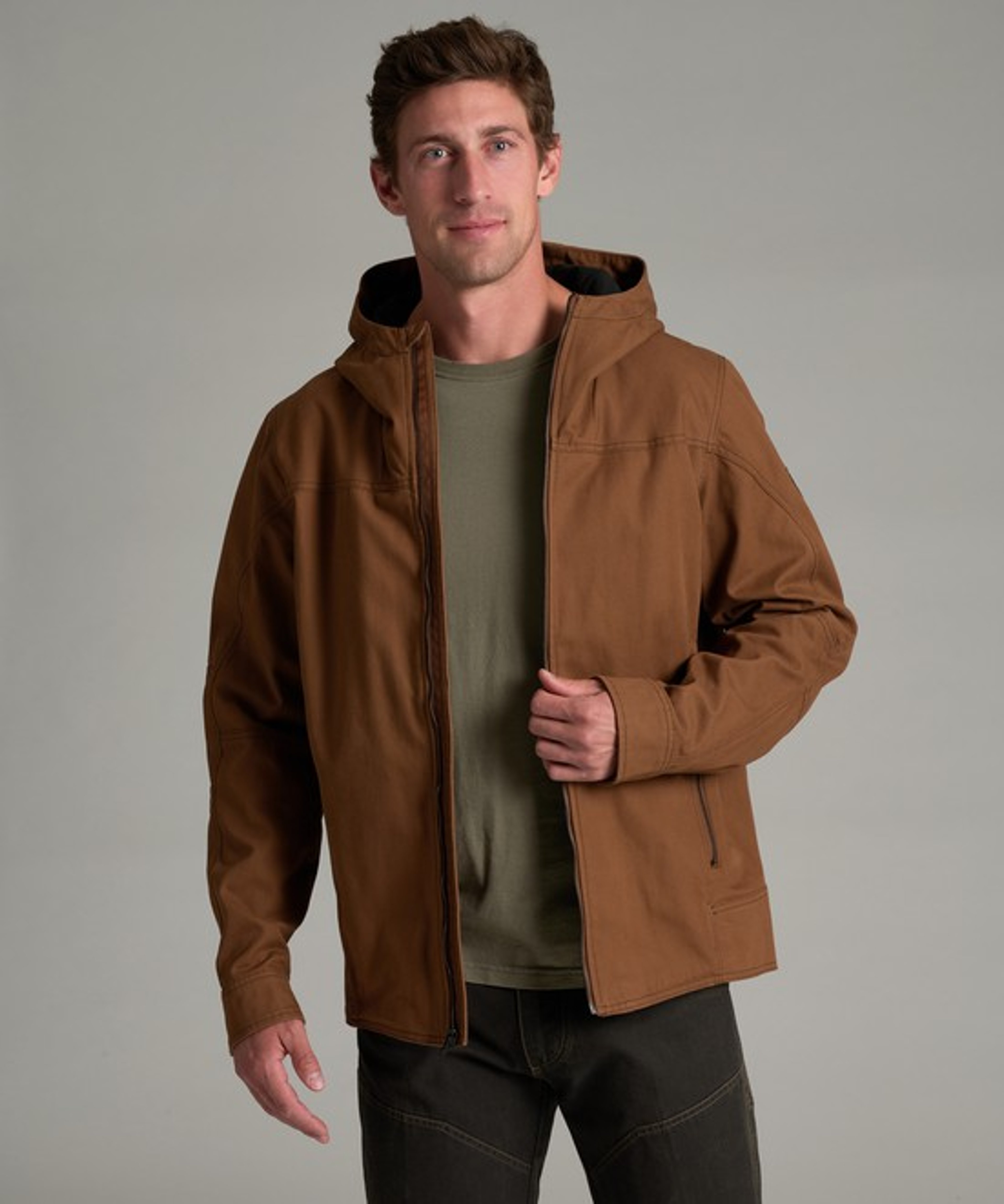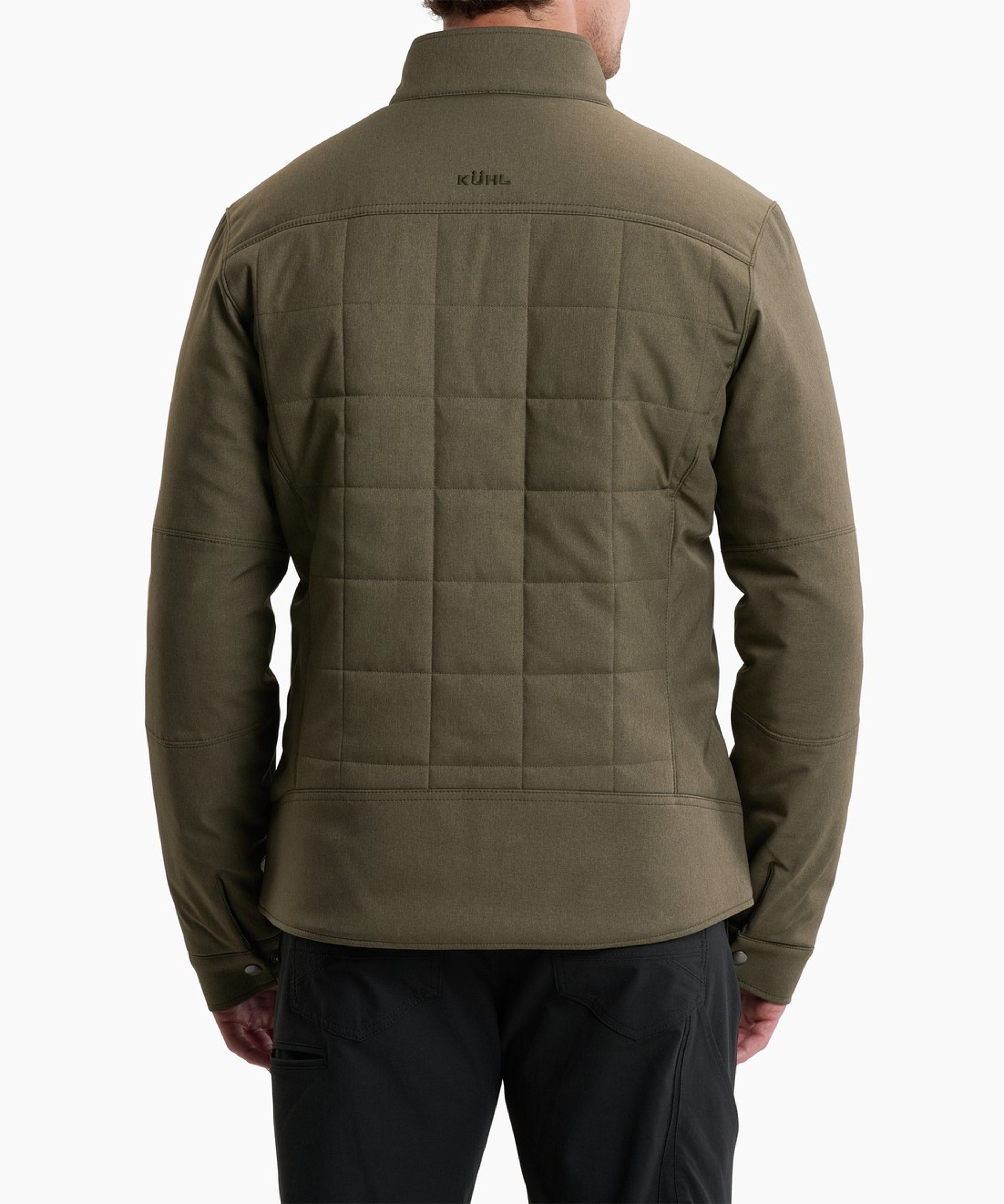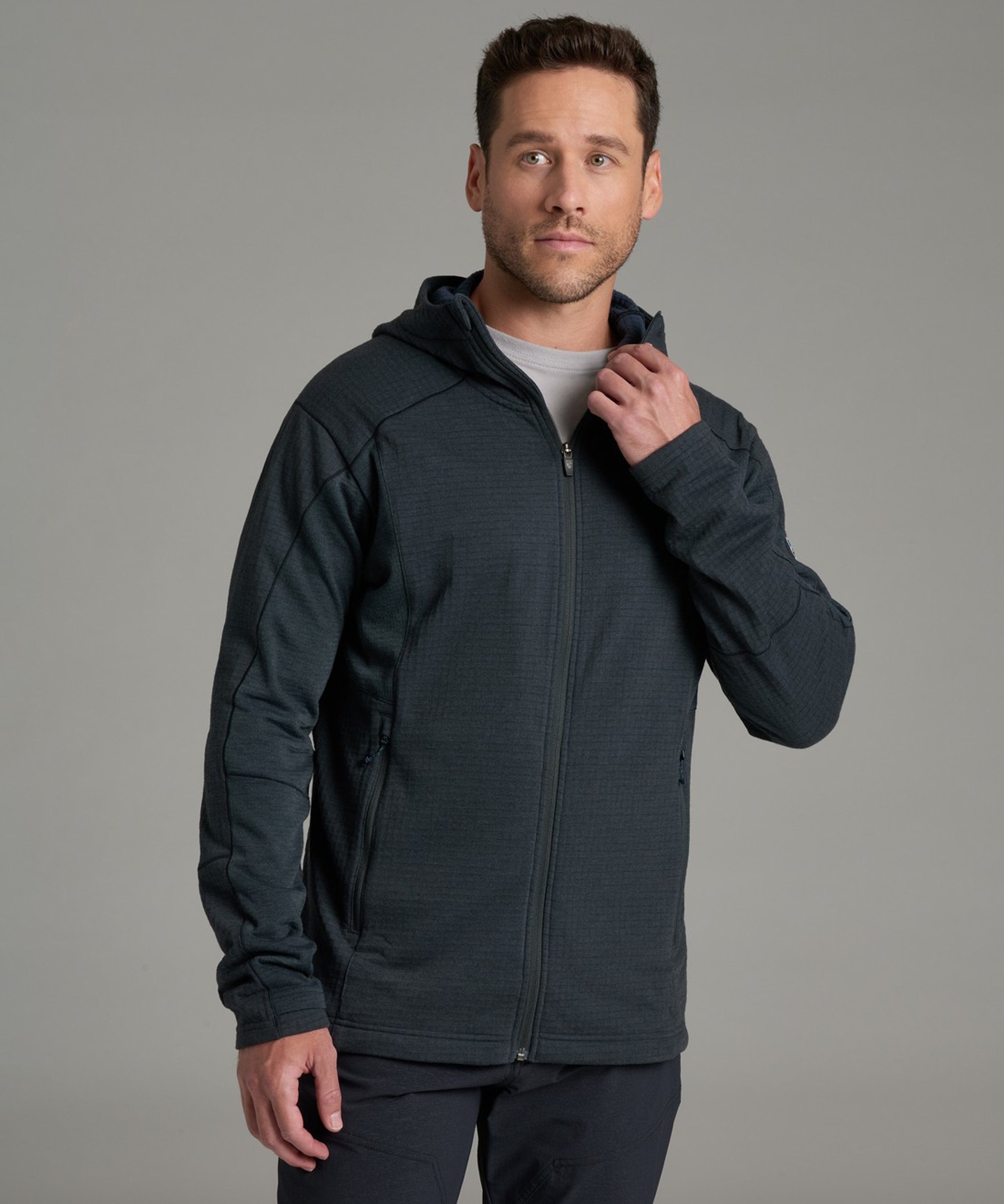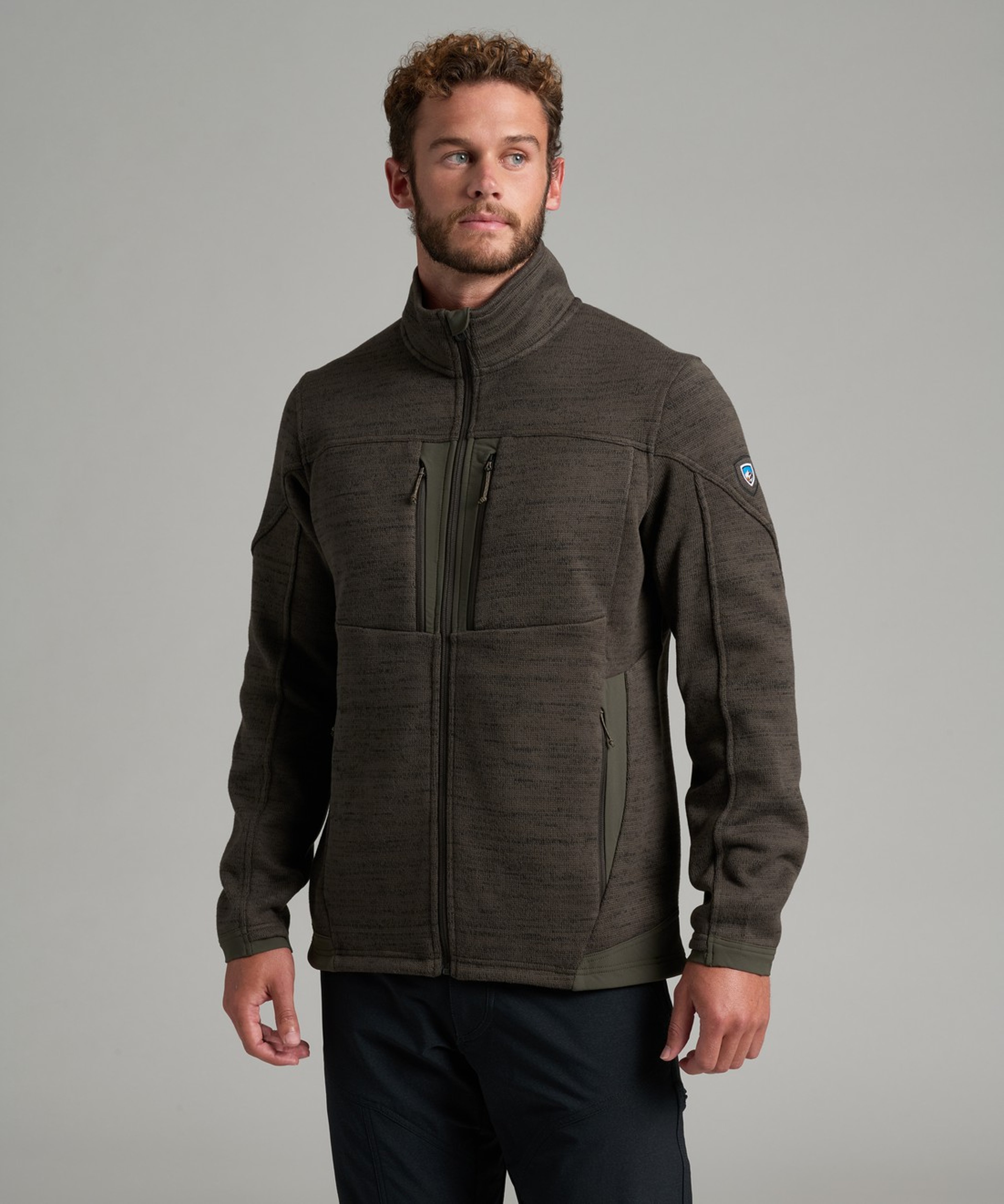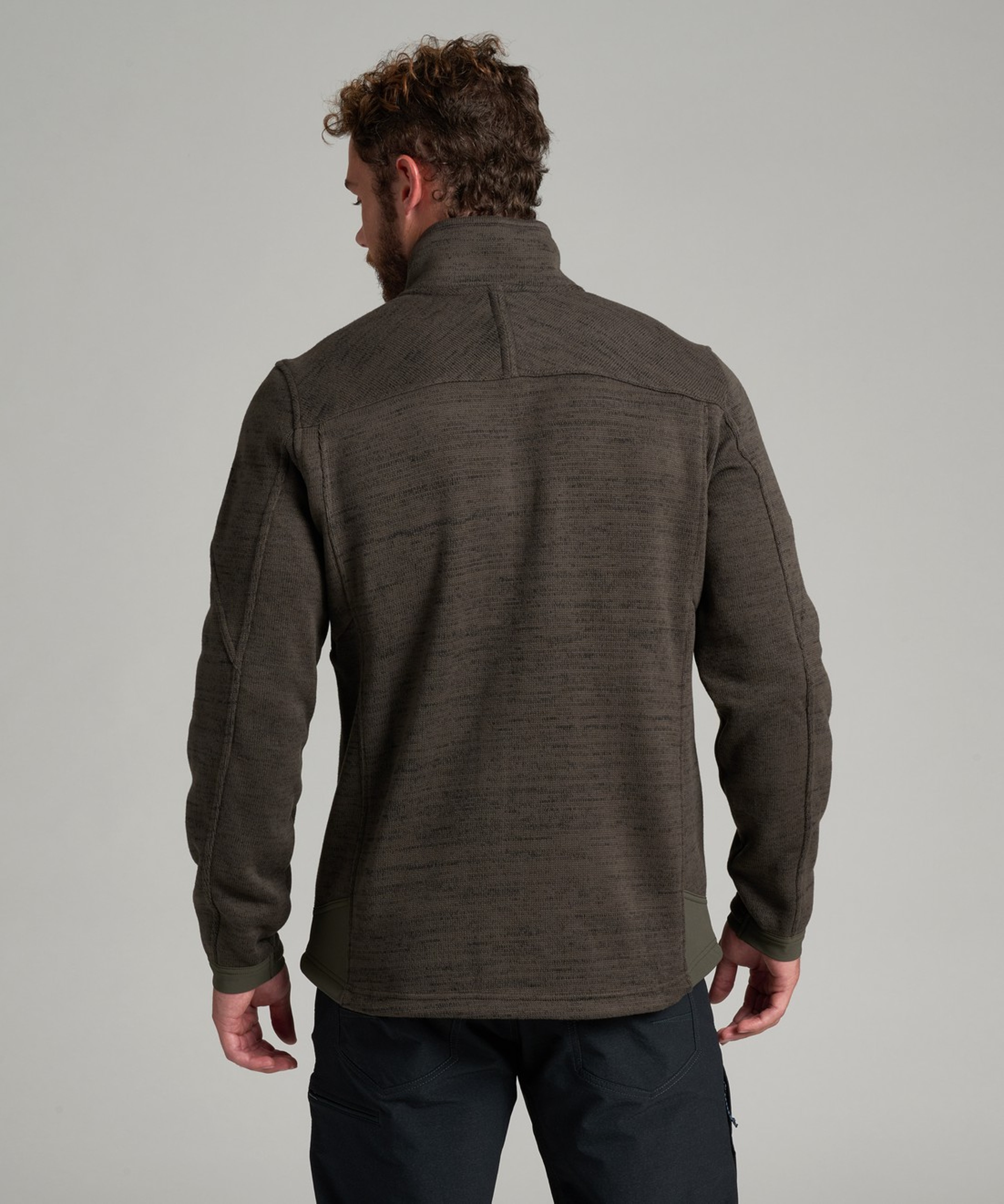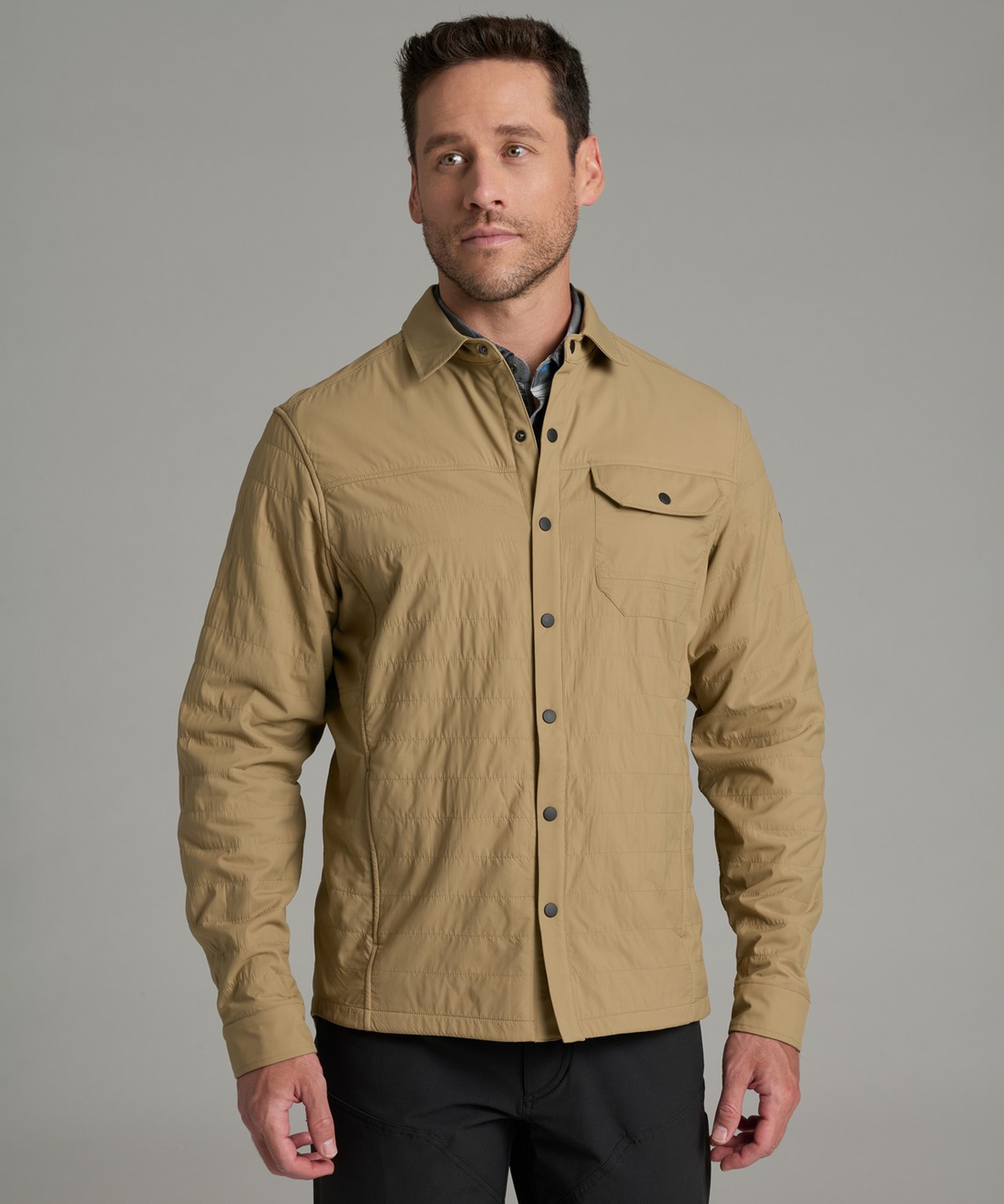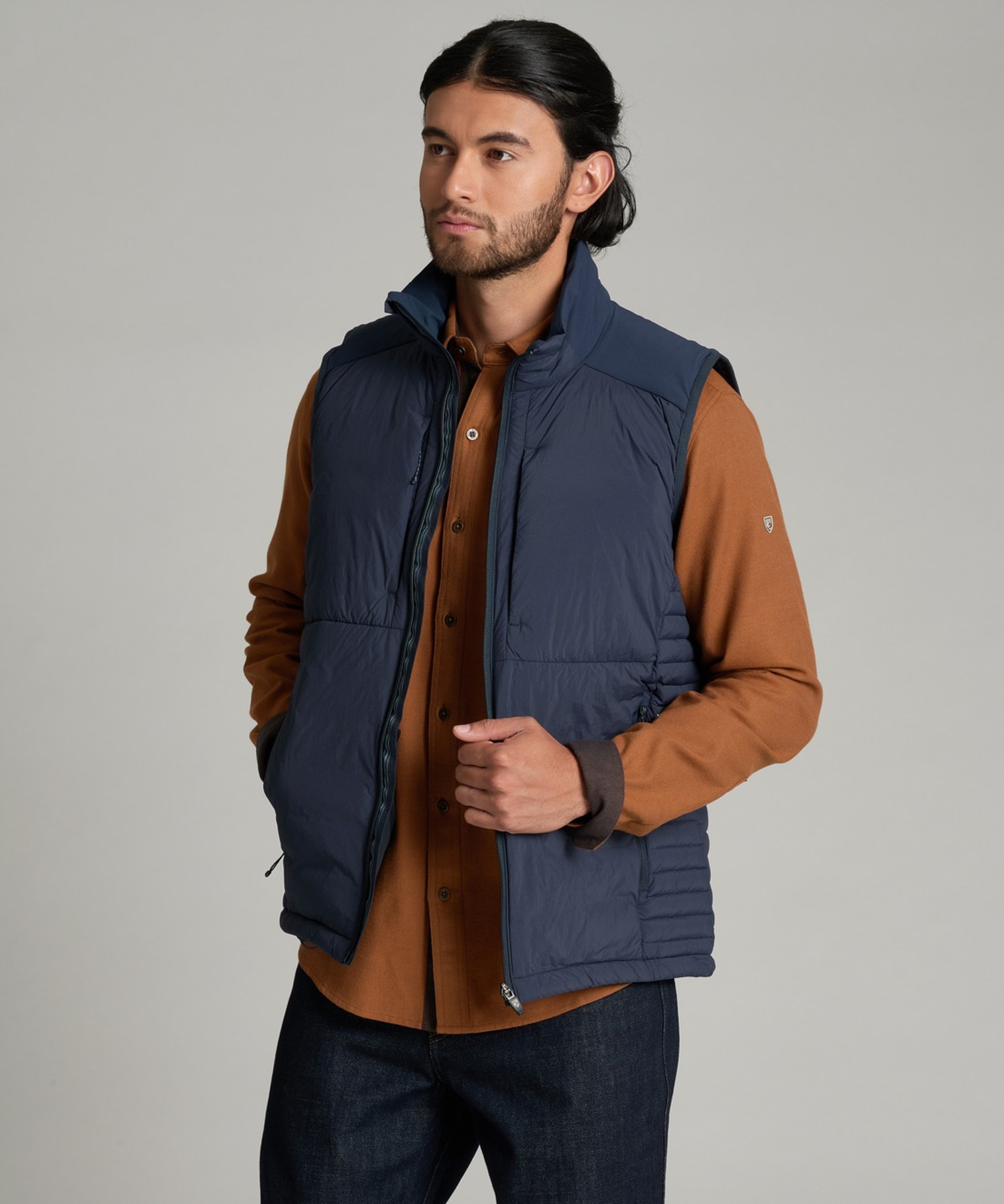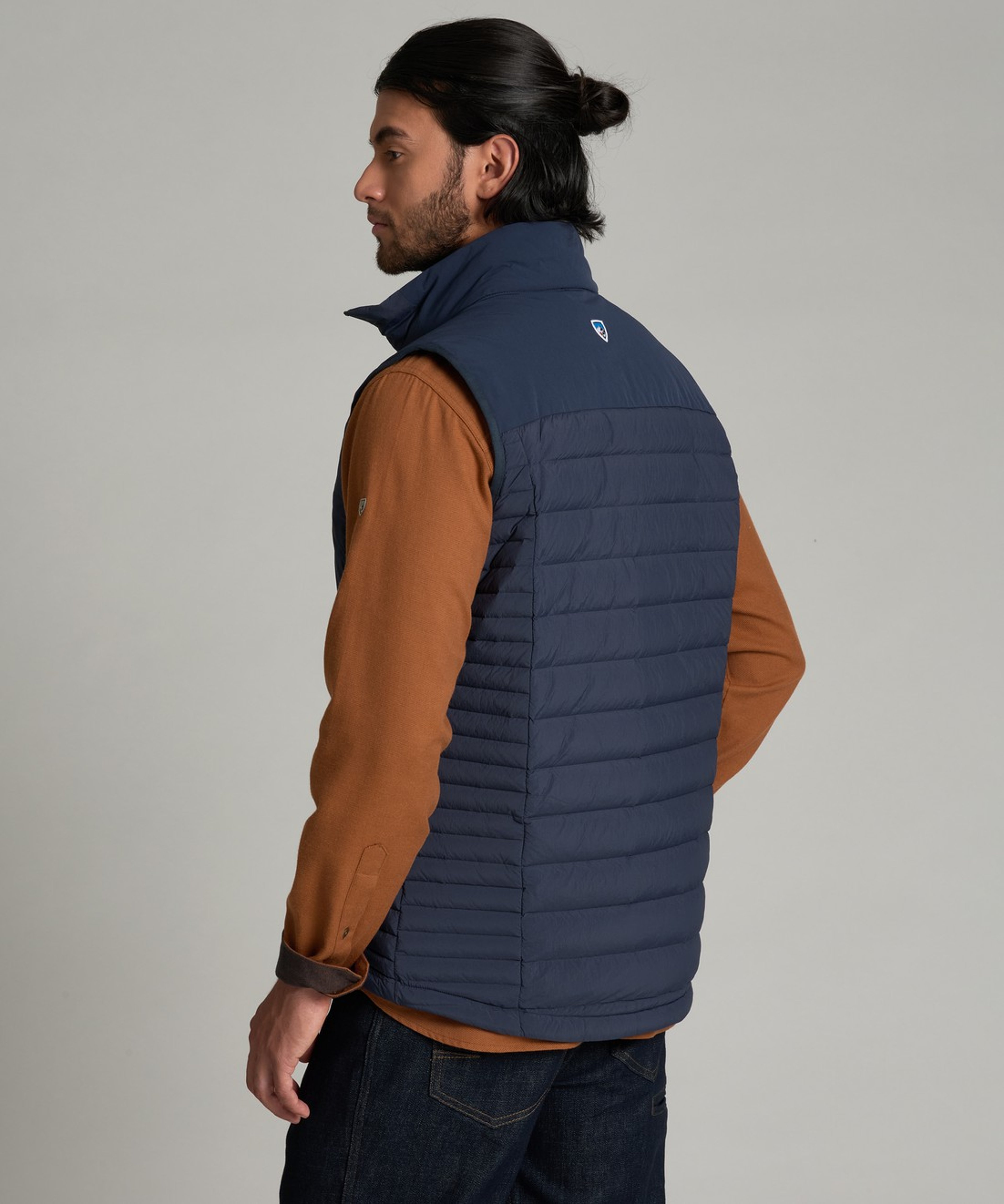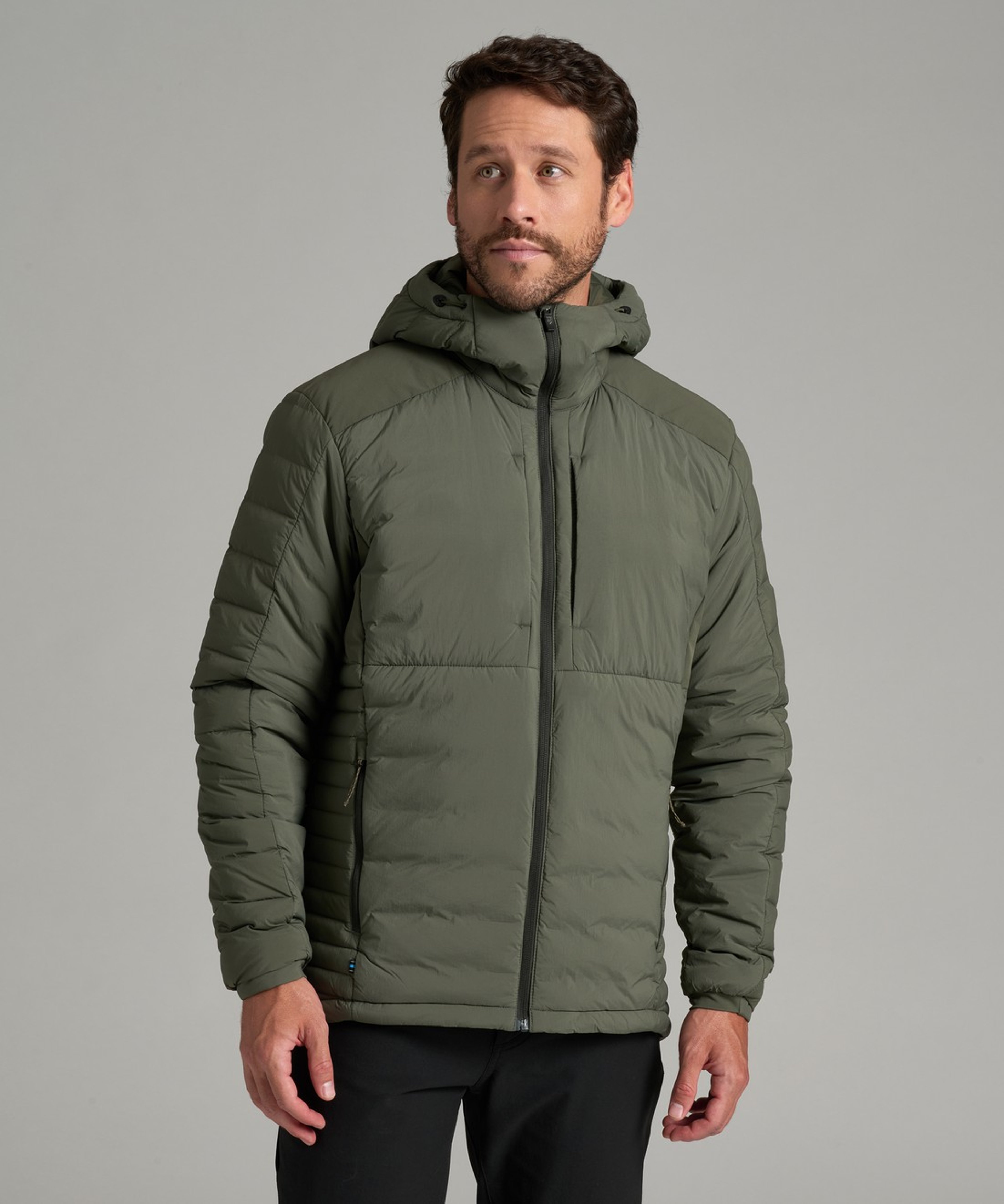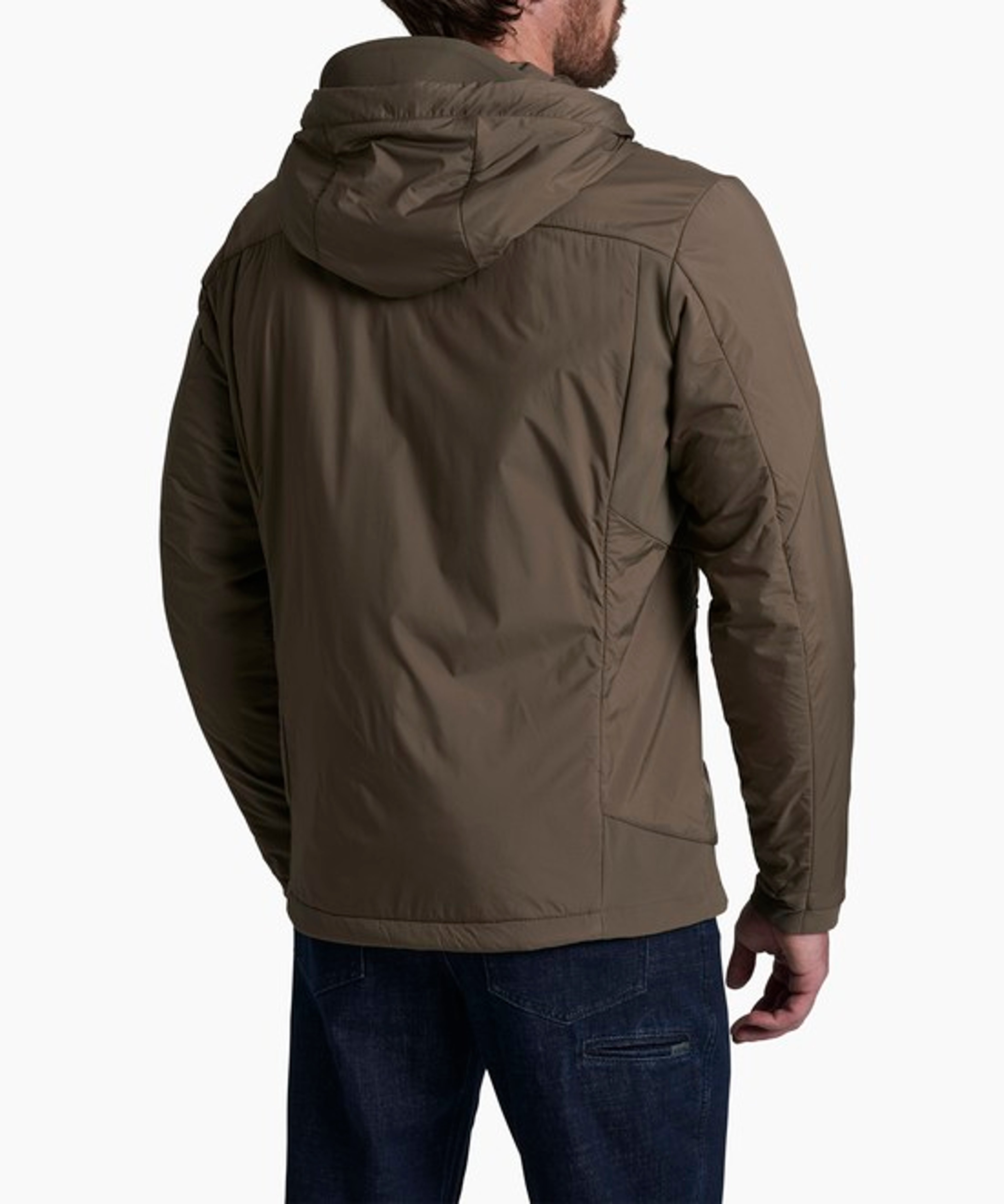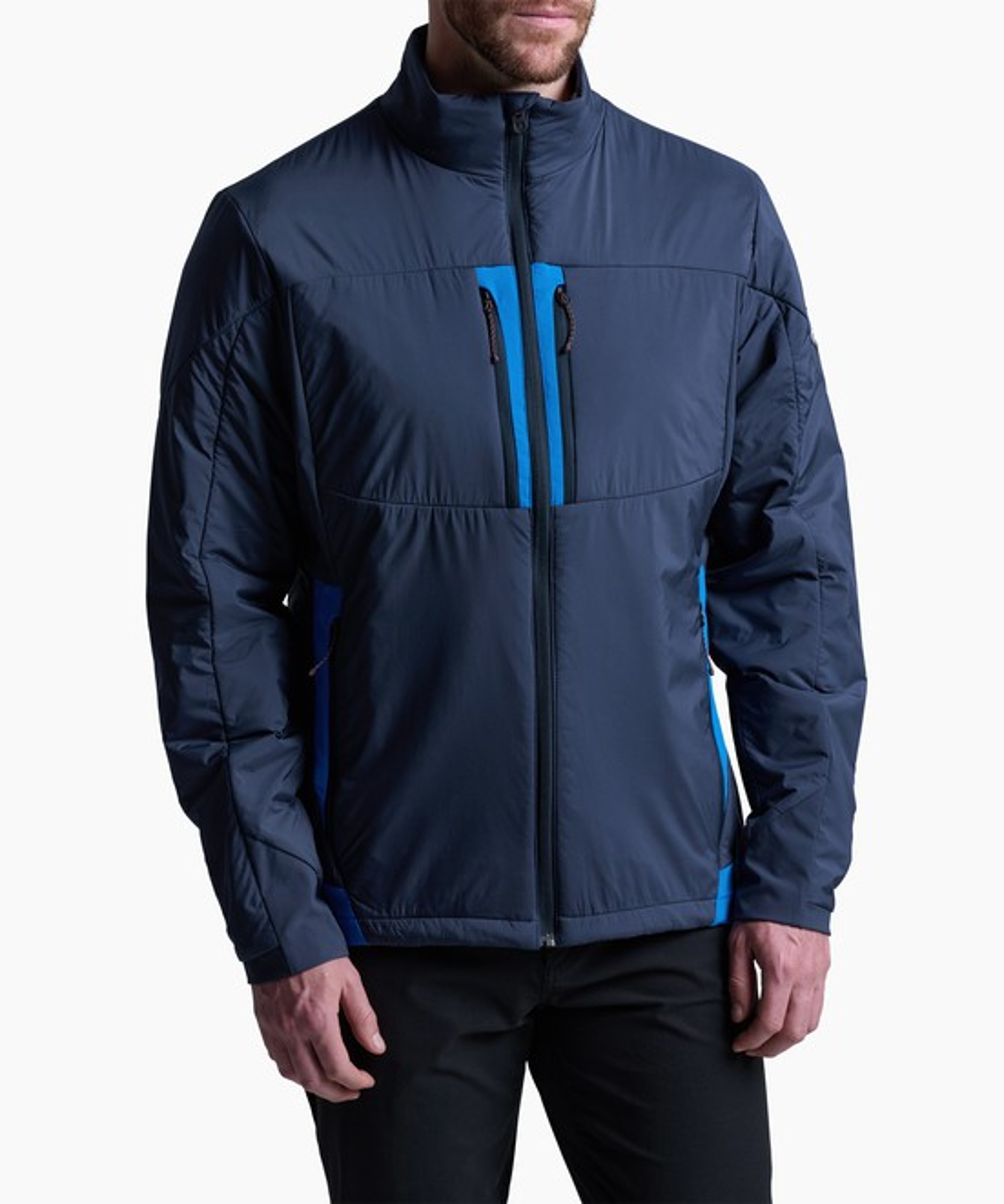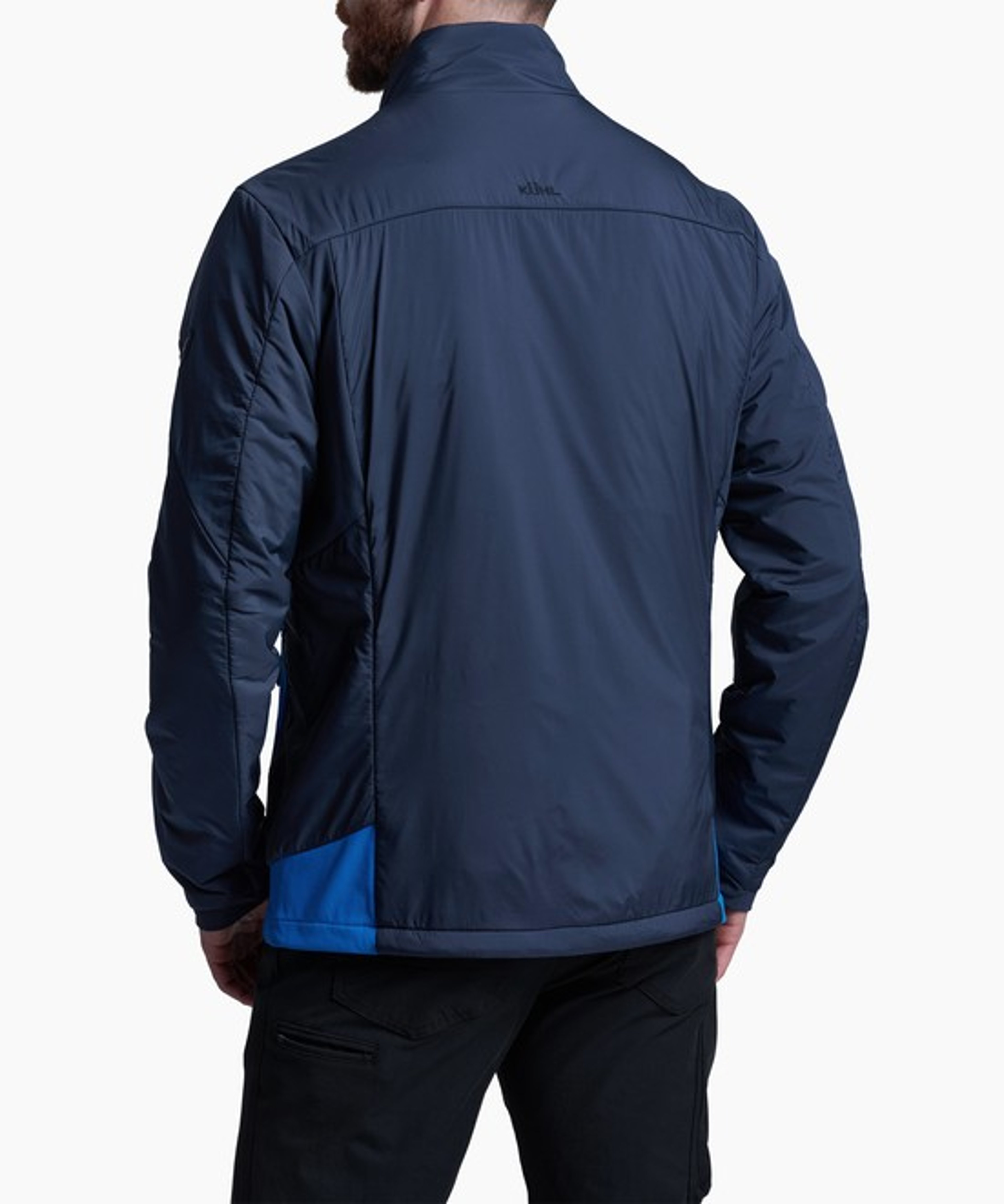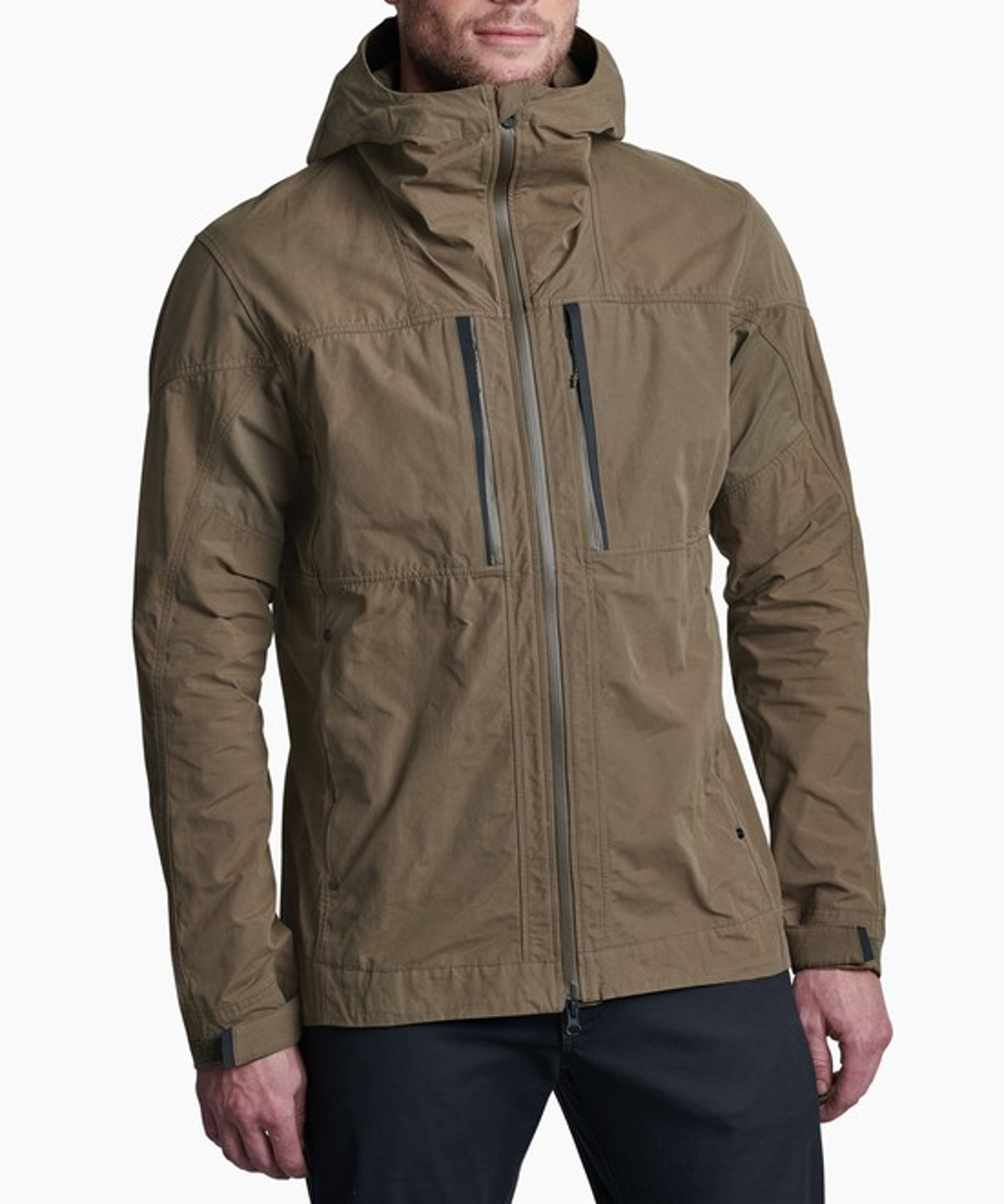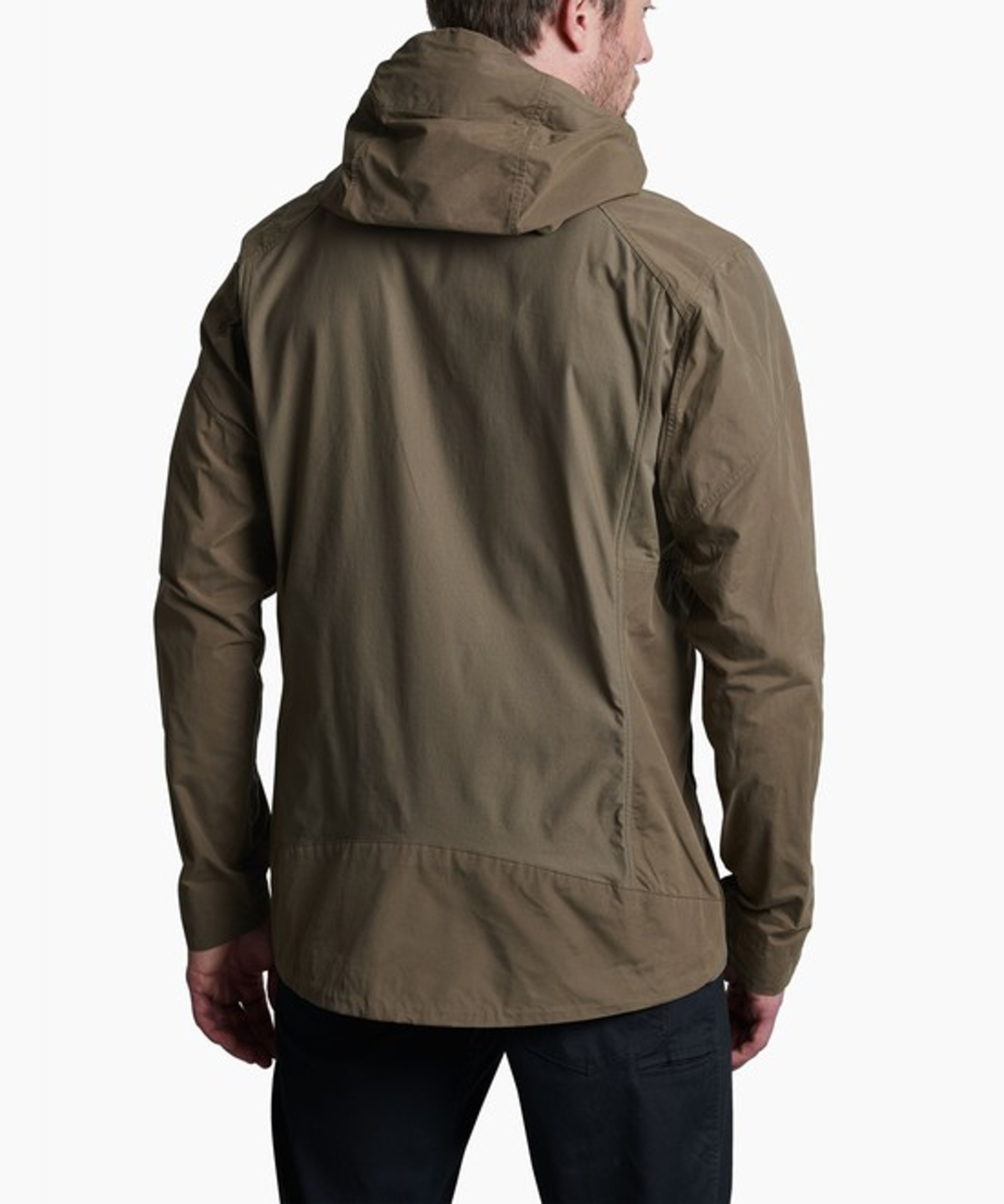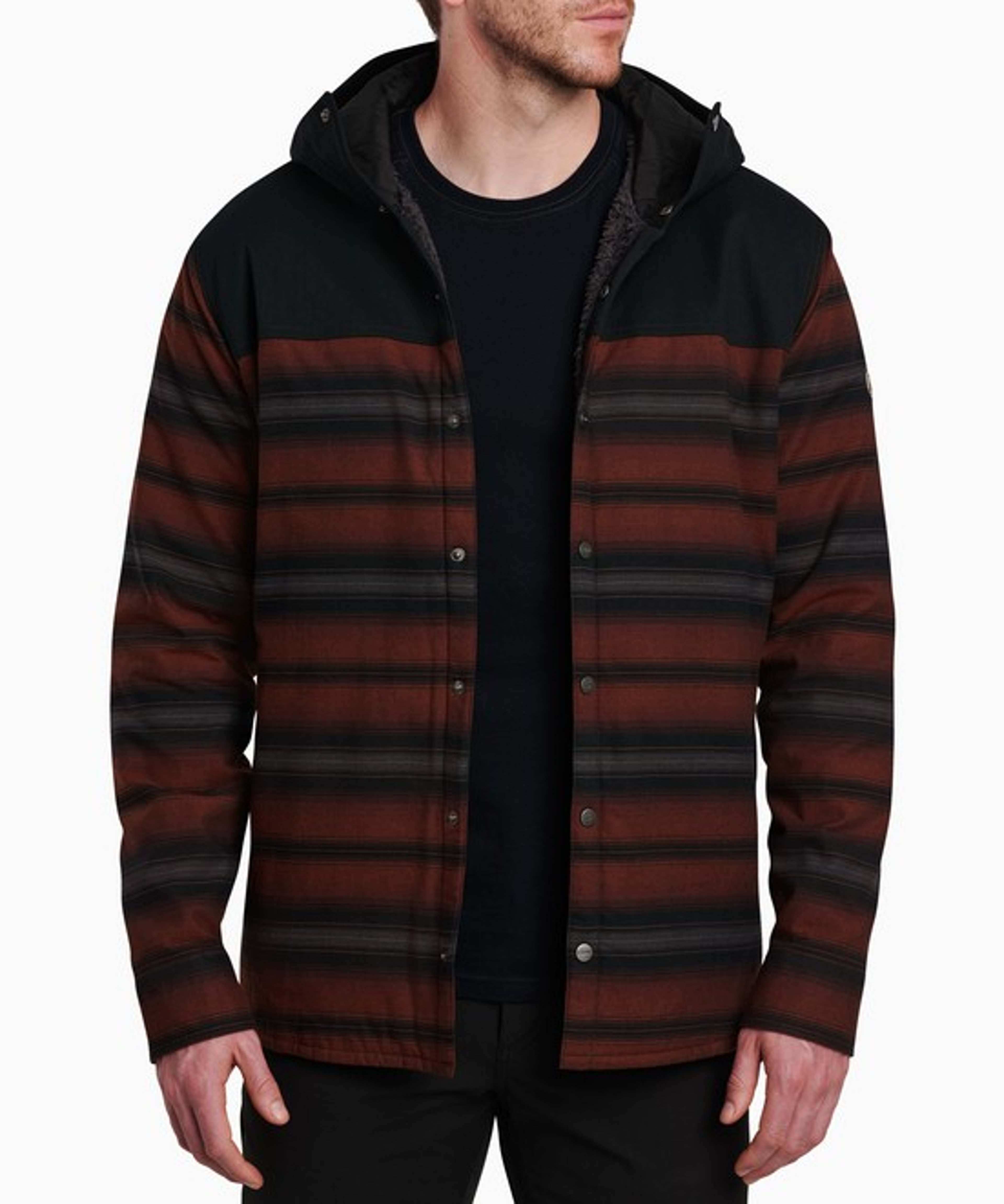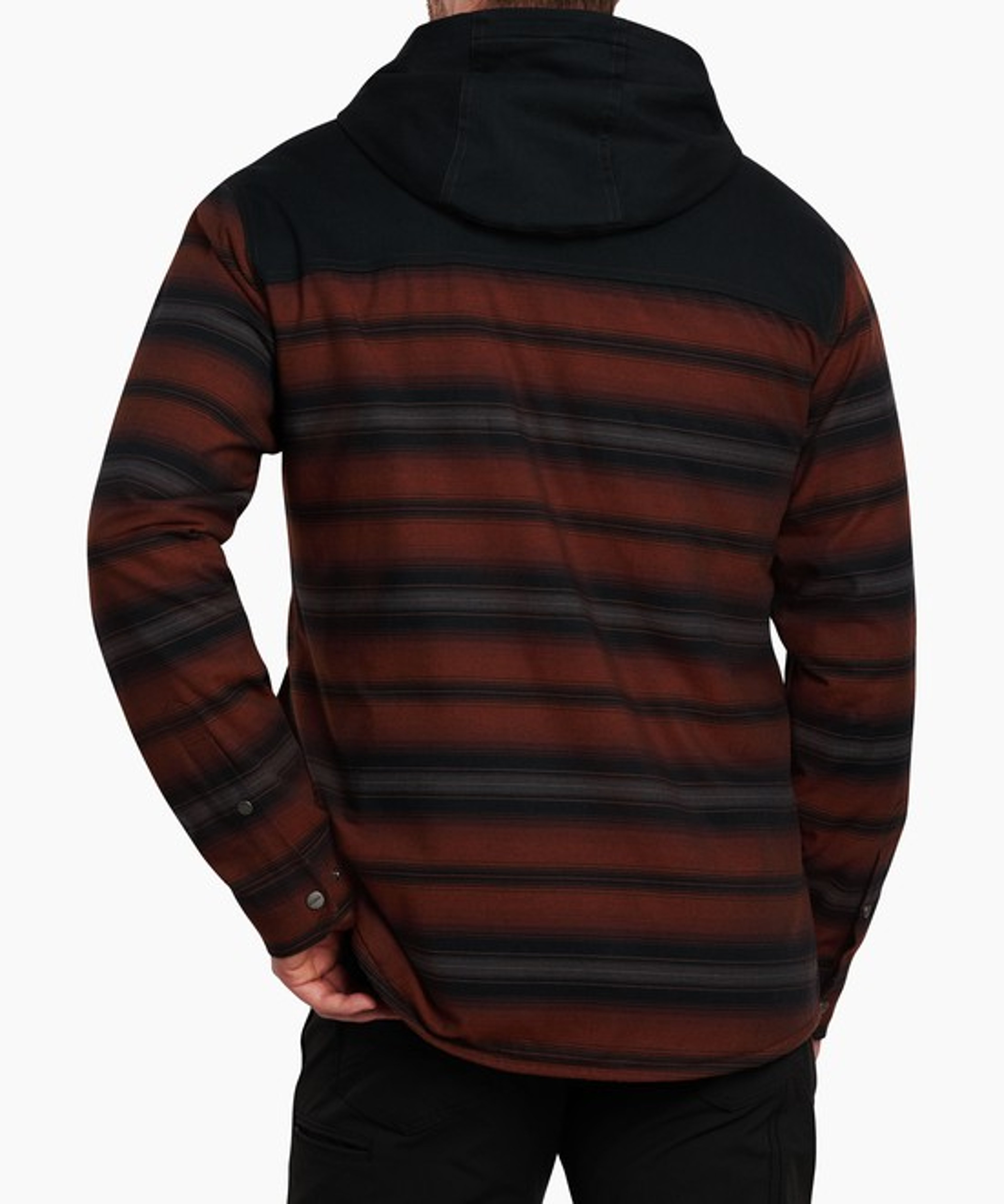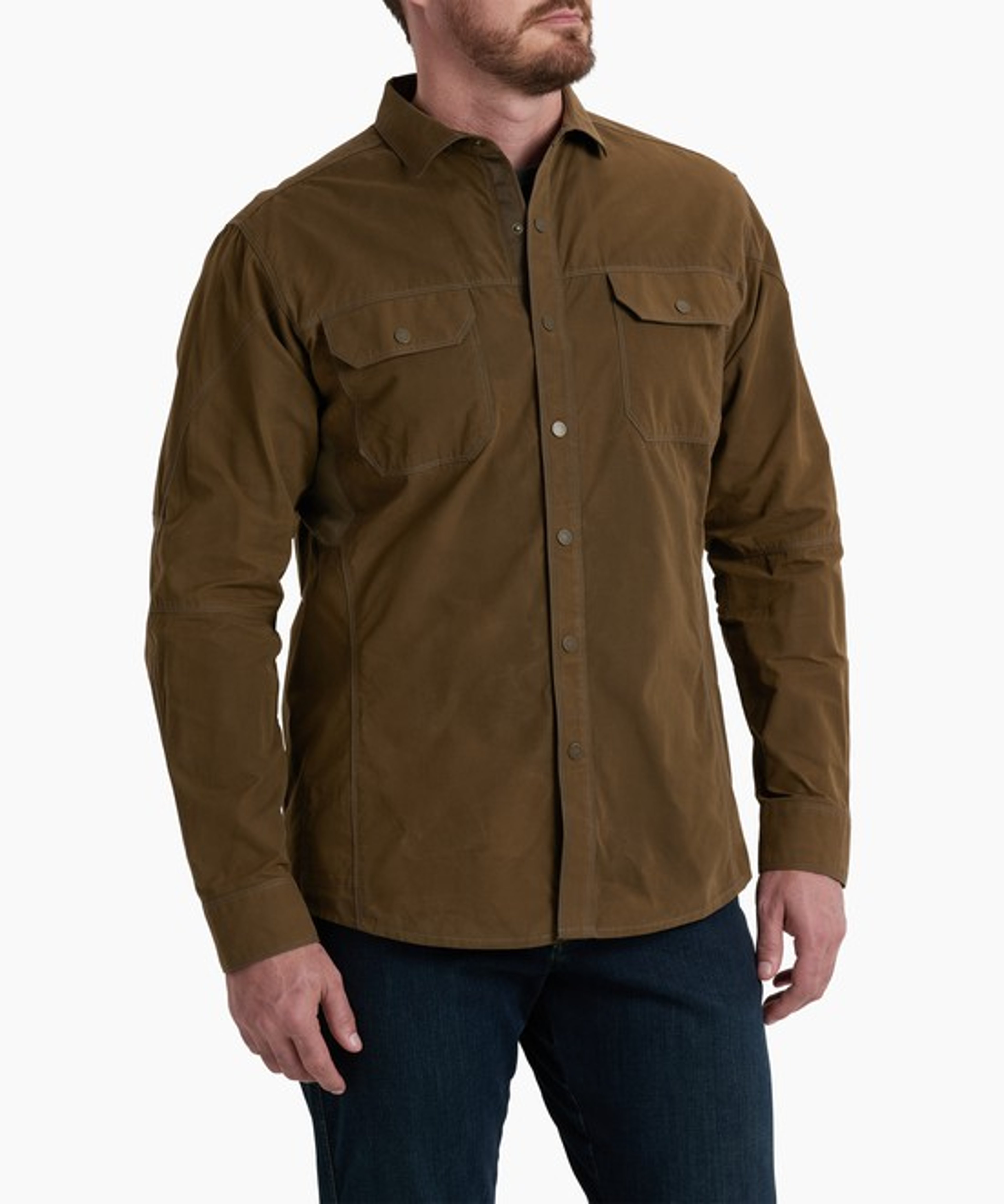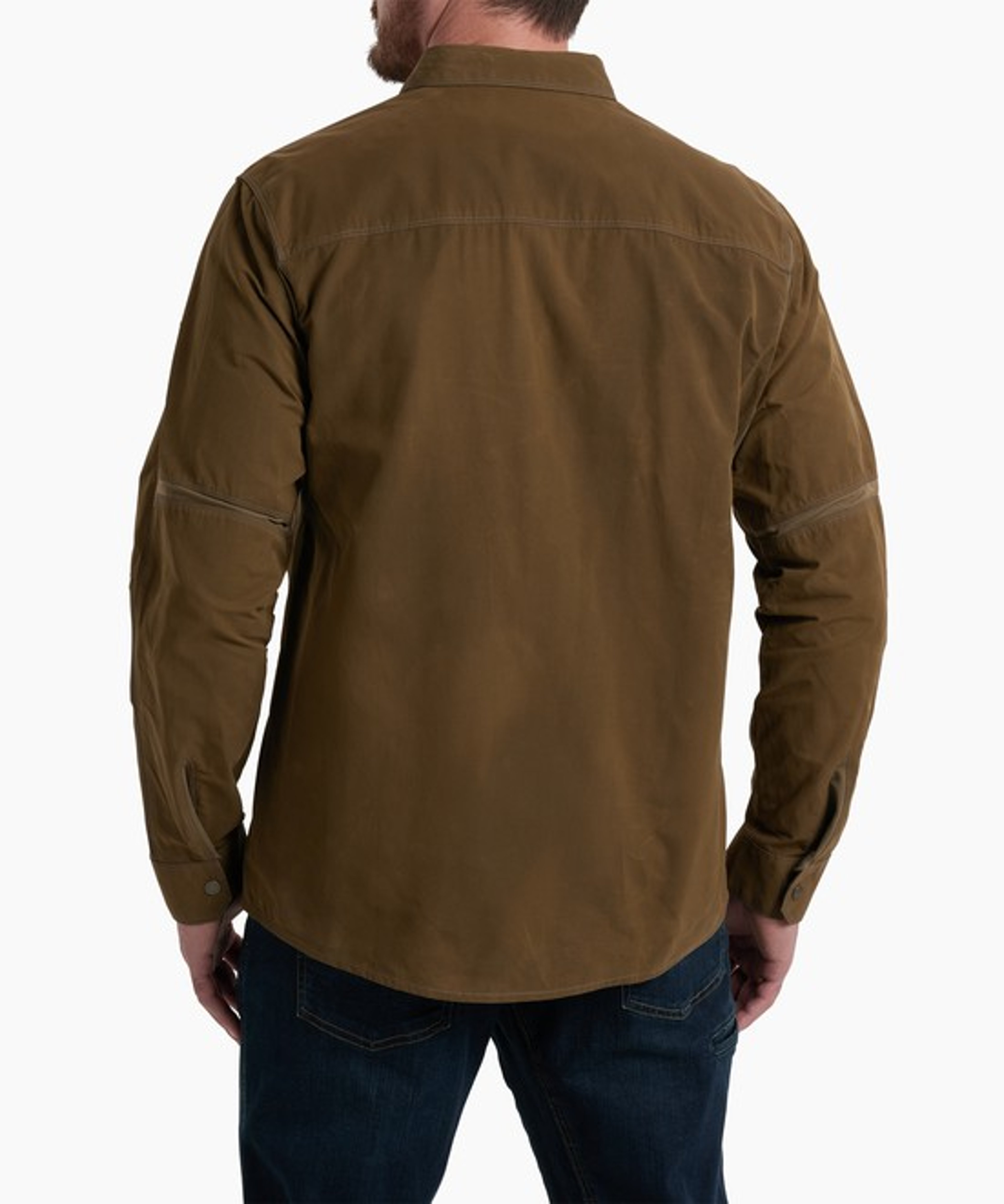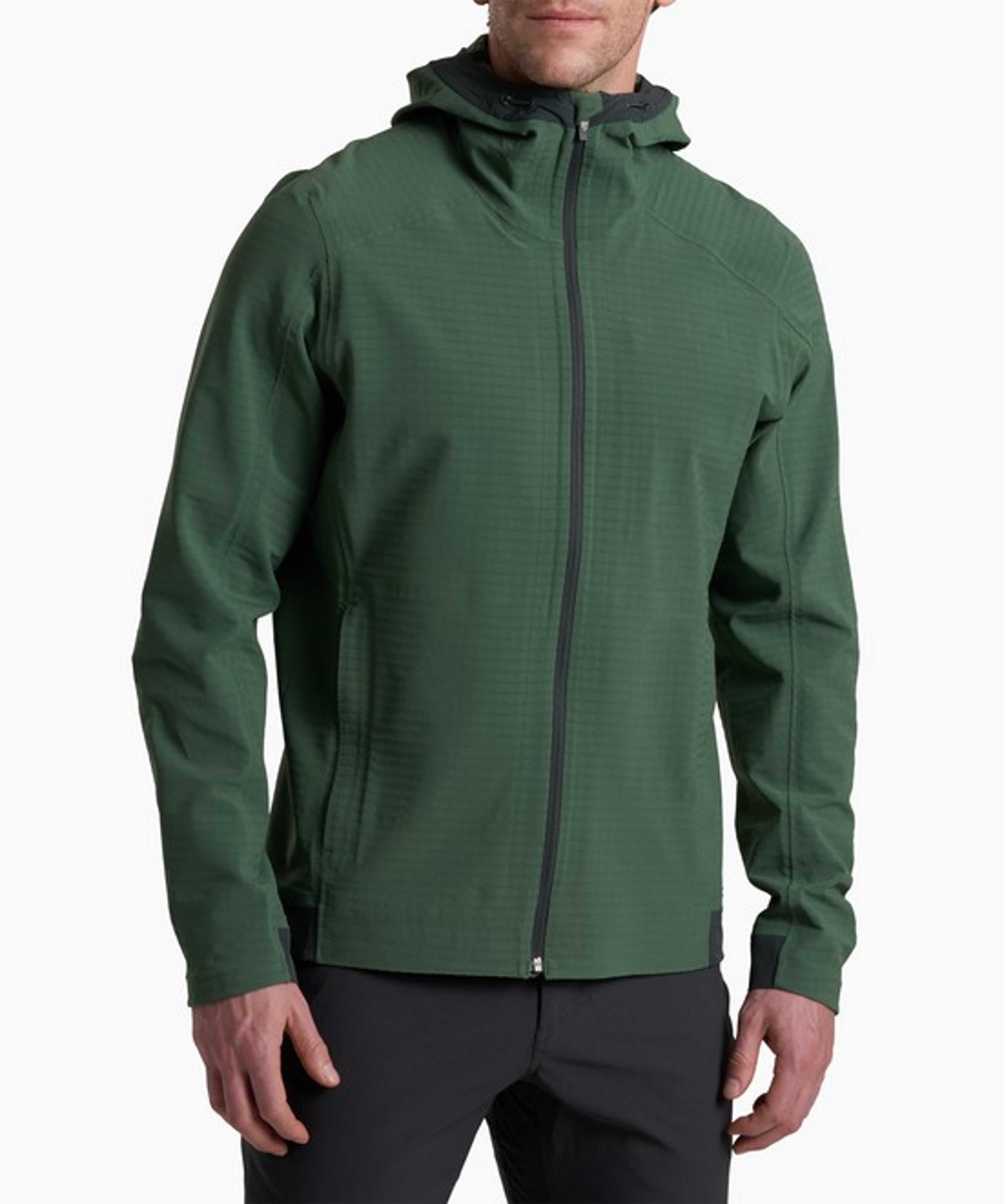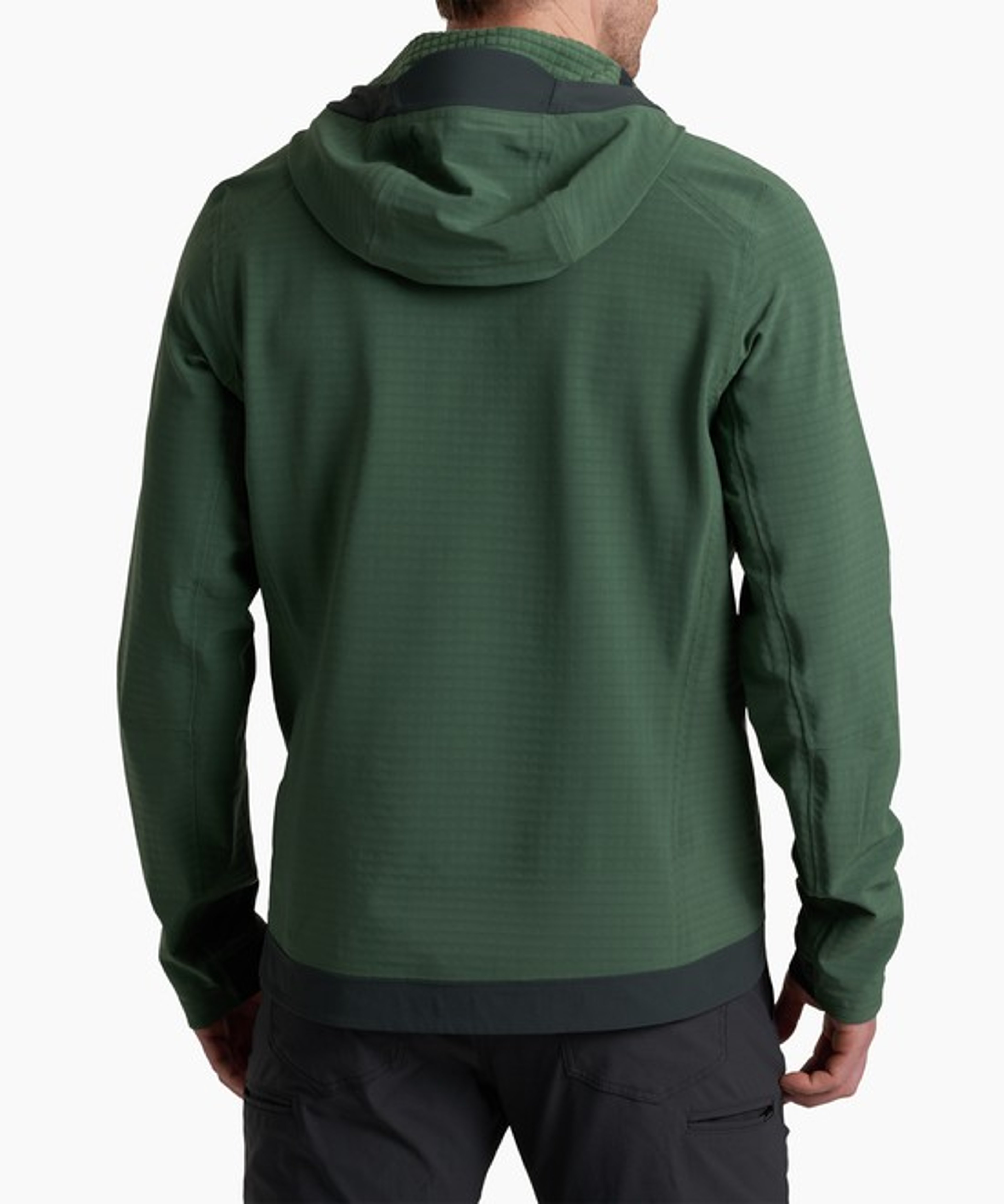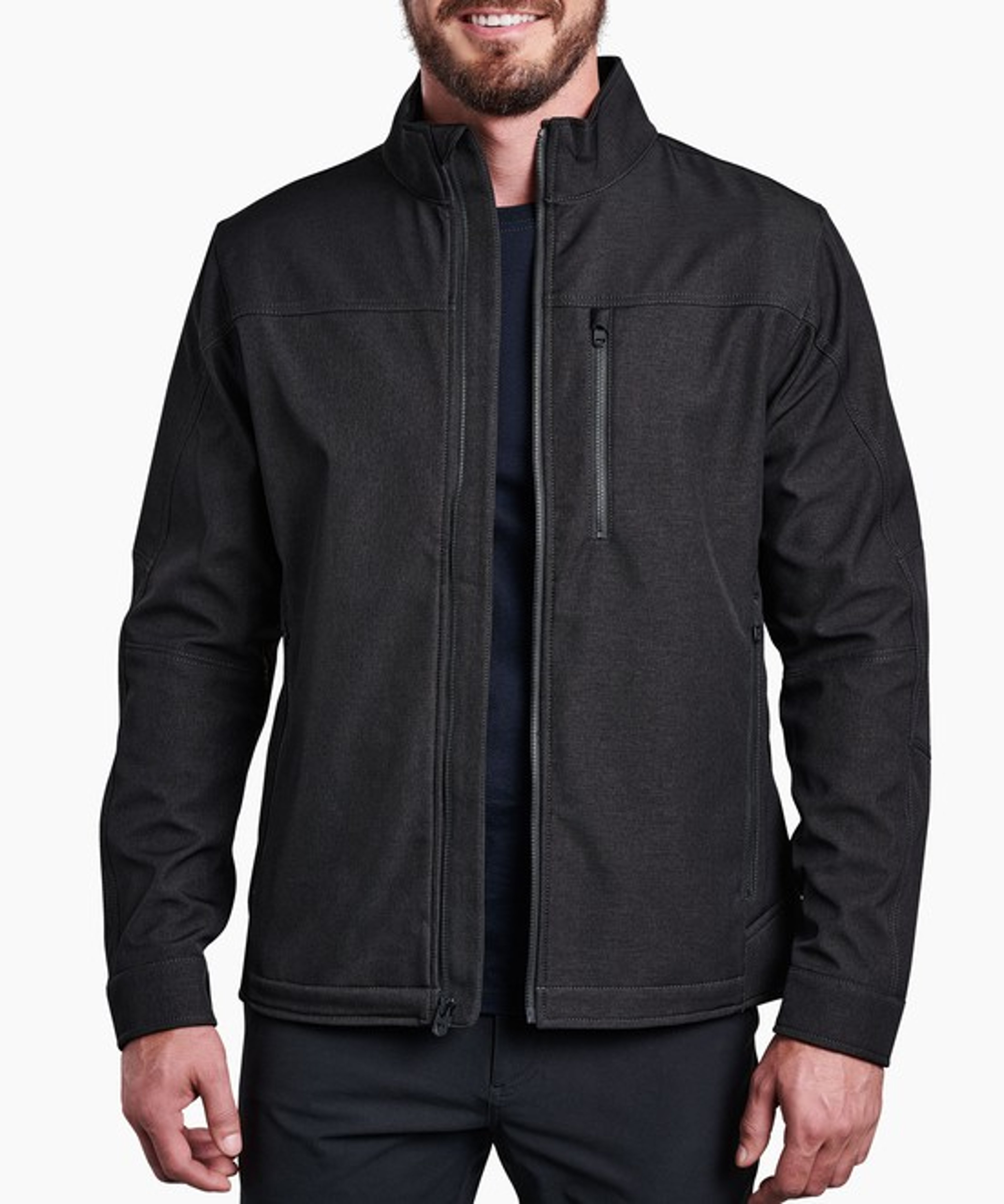




Men's Casual Jackets
Reach for a Men's Casual Jacket That Earns Its Spot in Daily Rotation
Choose from a variety of fabrics, styles, and features for the men's casual jackets that are right for you:
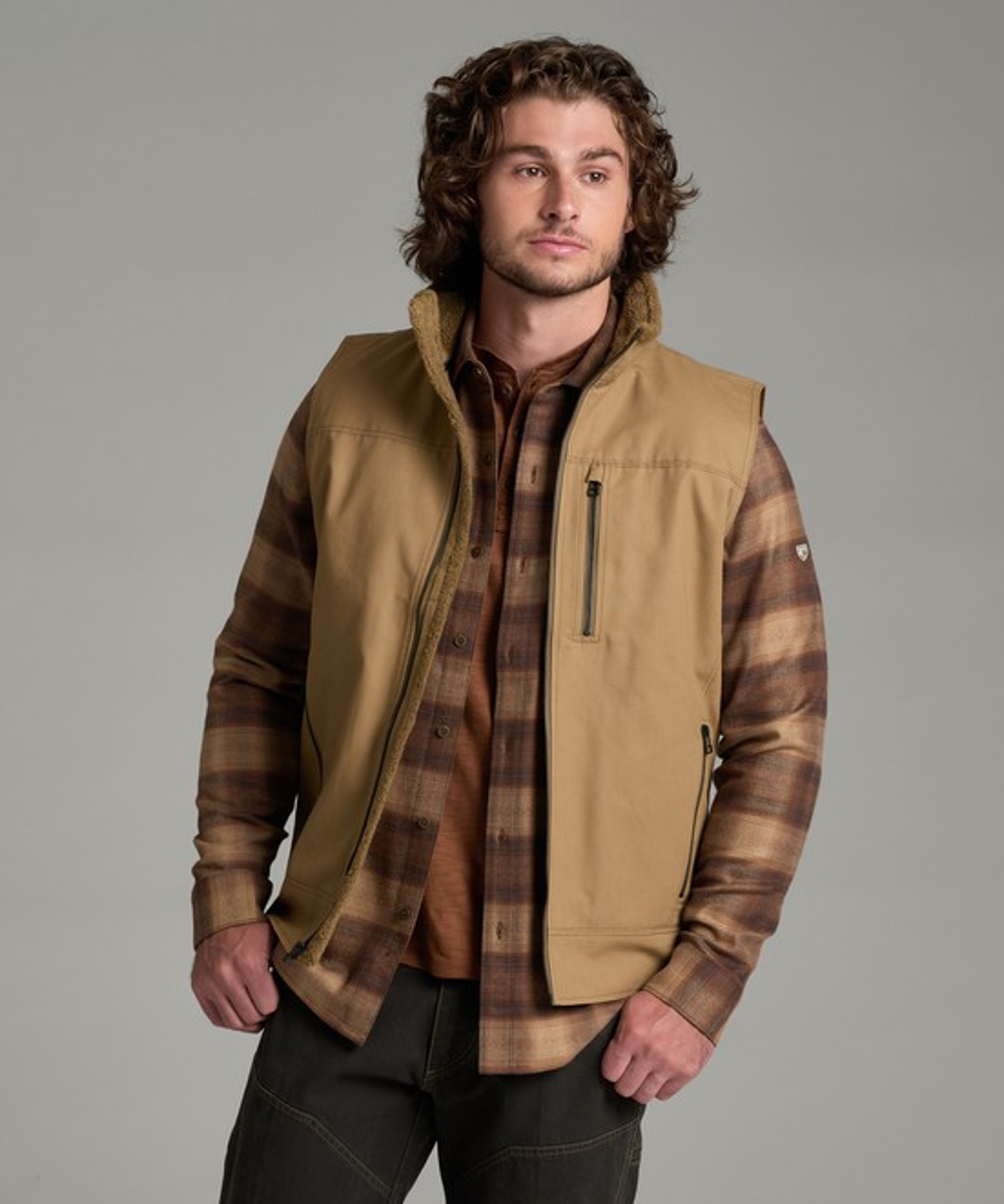
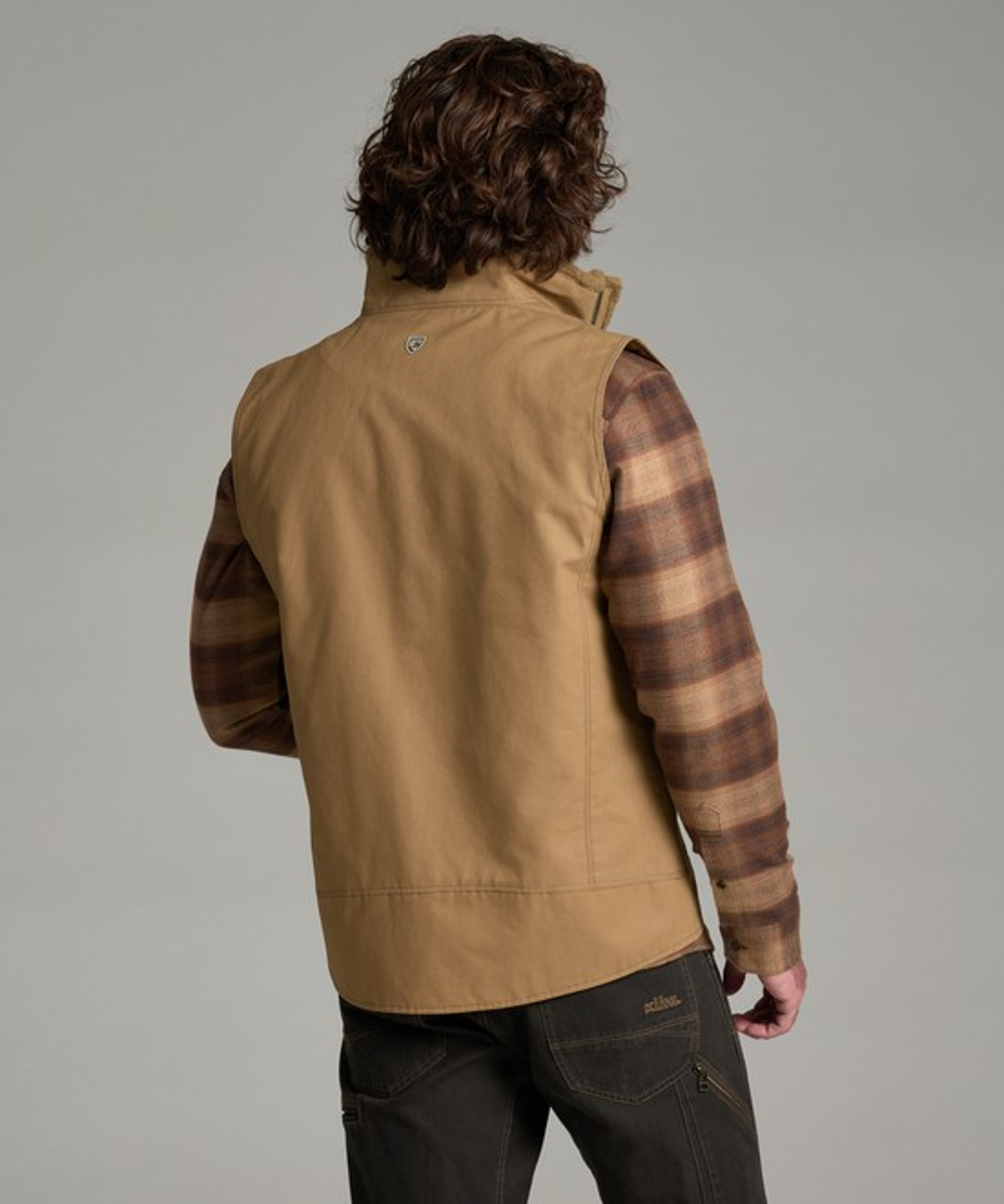
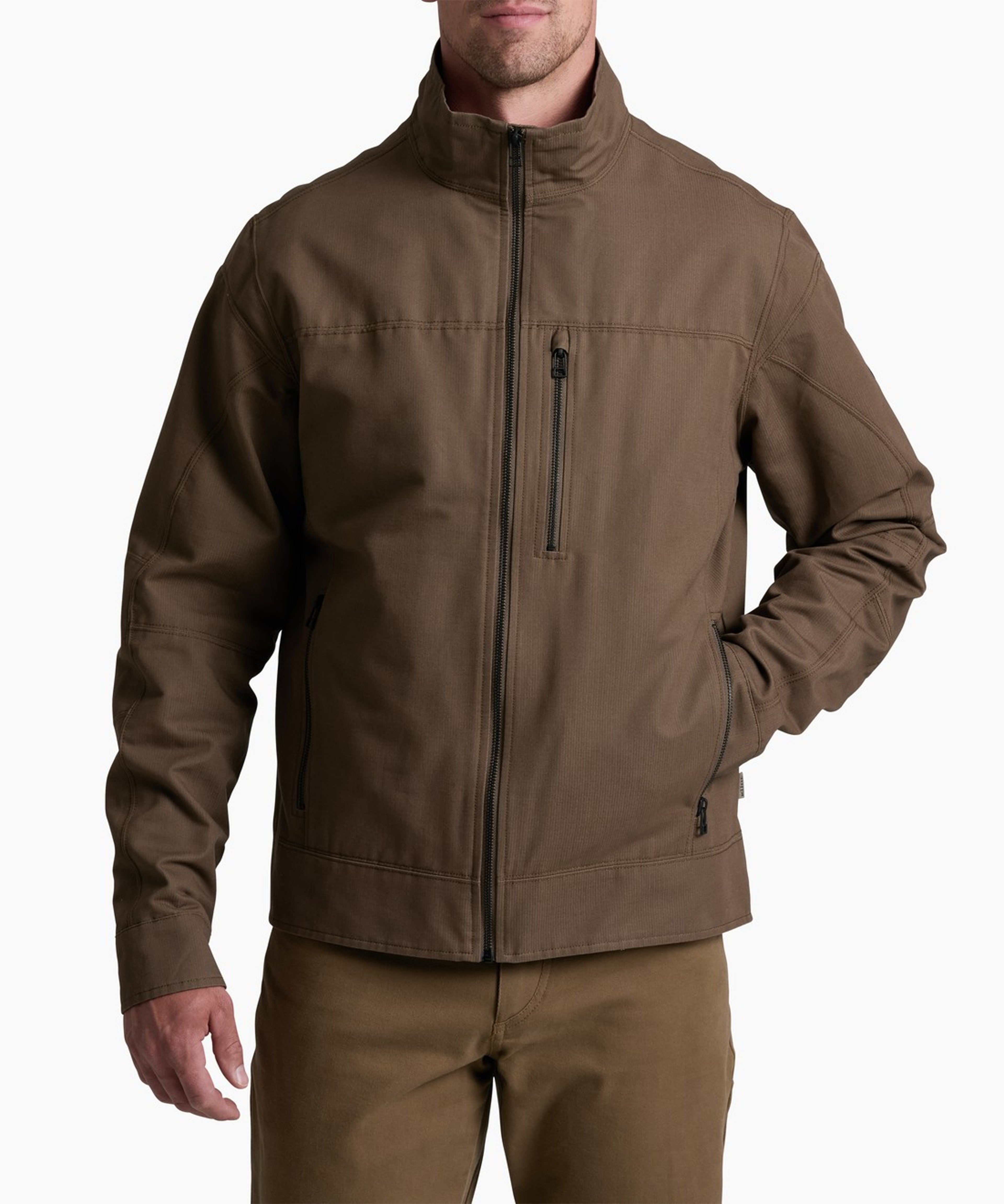
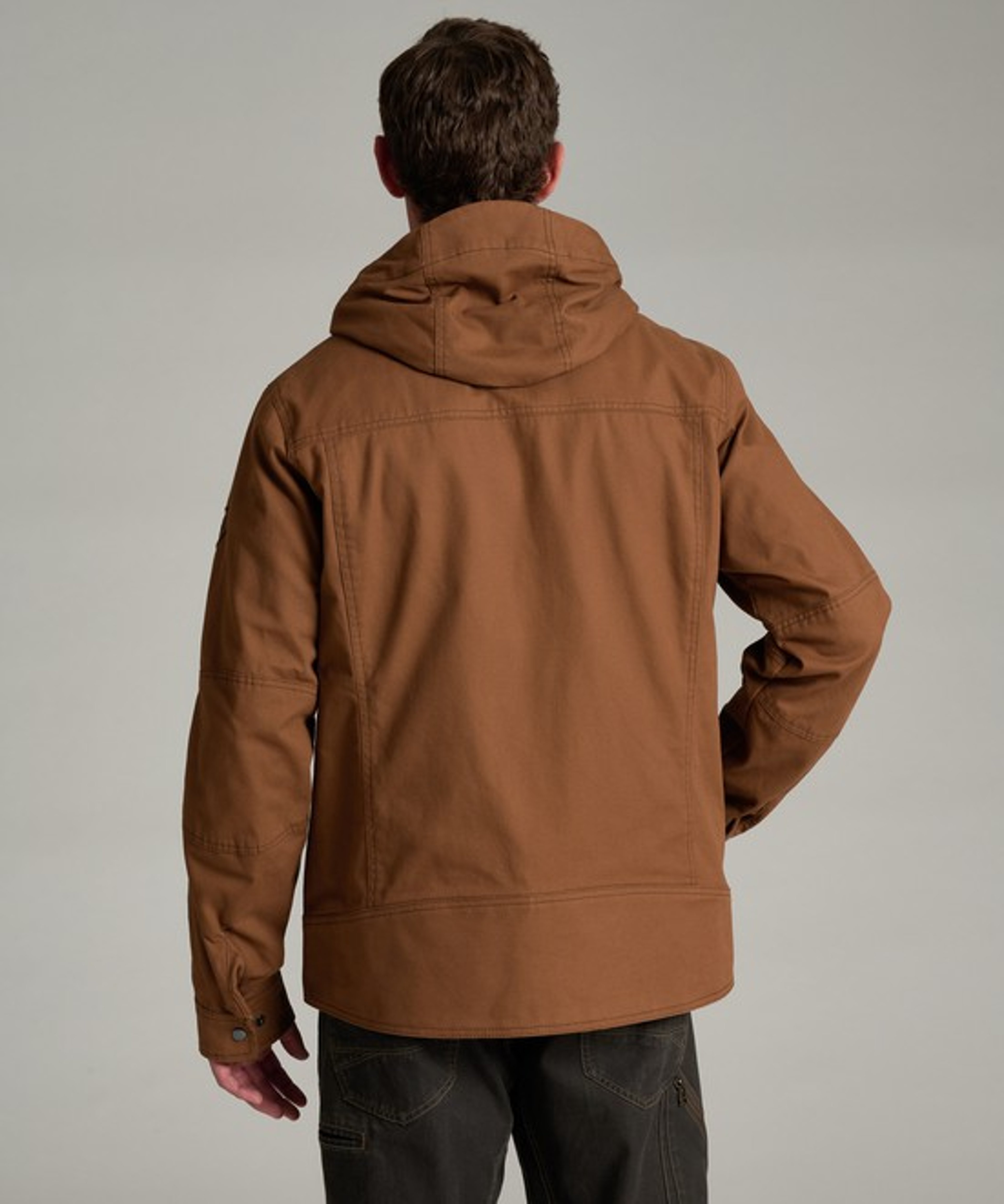
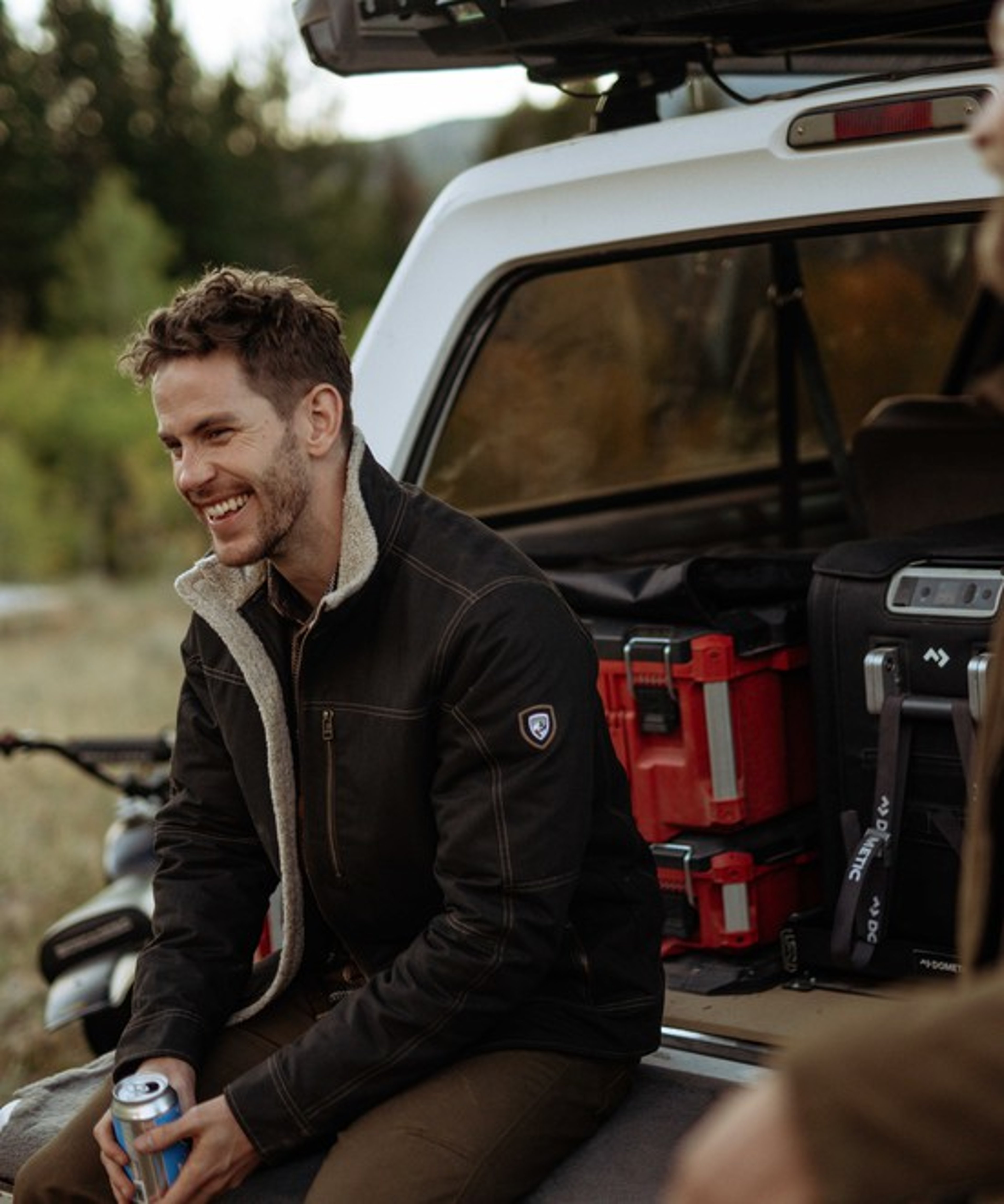
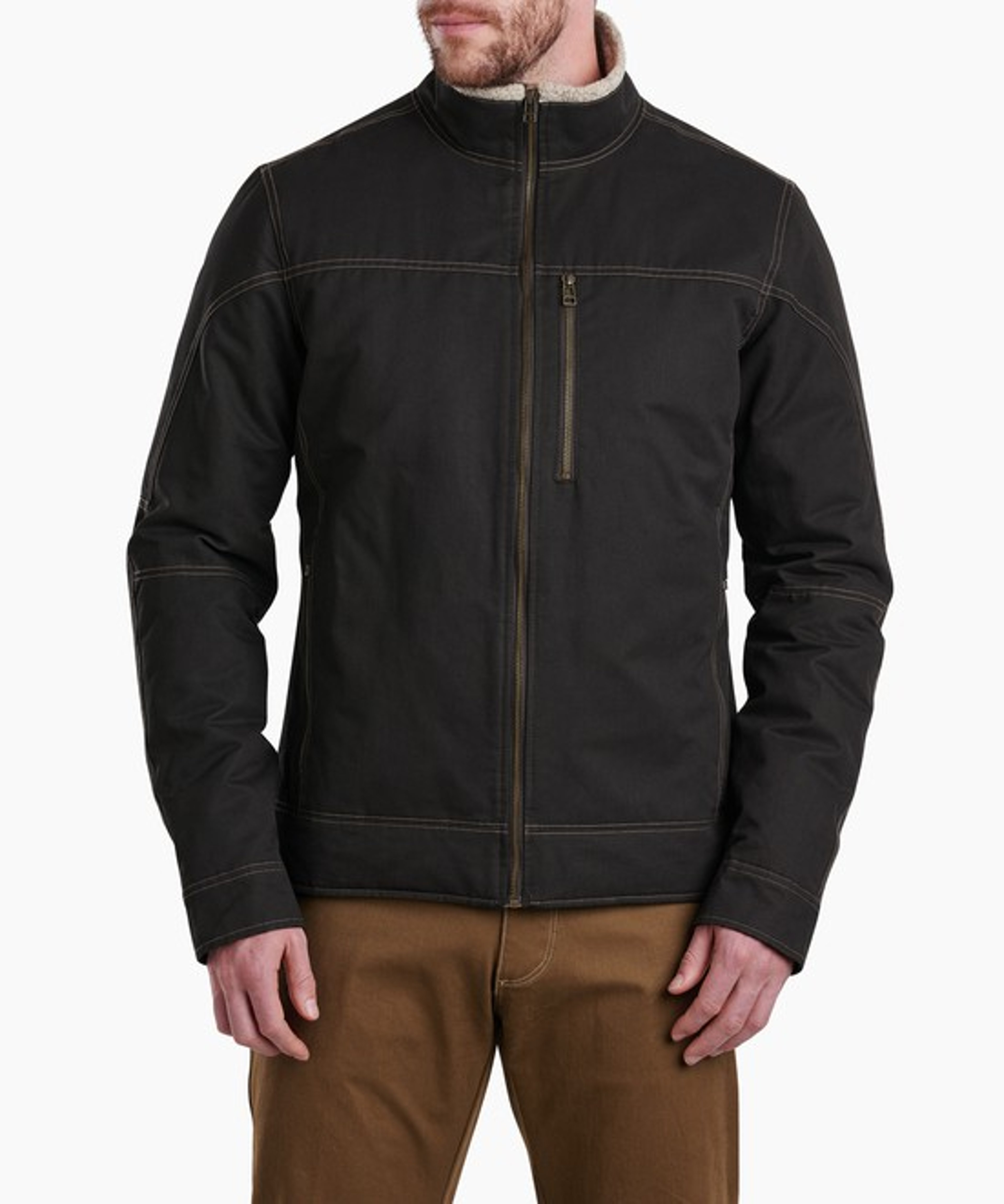
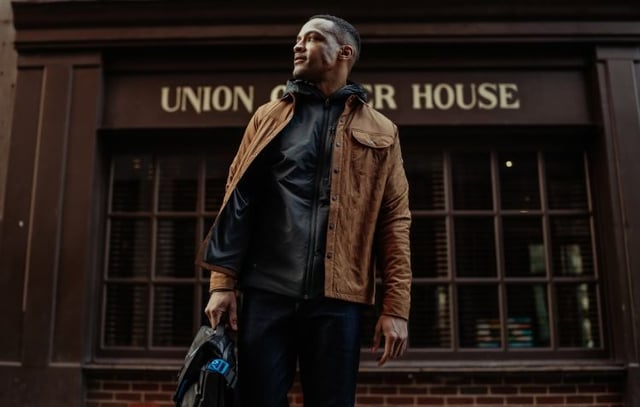
Rugged Canvas Workwear. Combed cotton canvas exteriors give casual jackets the abrasion resistance to handle daily wear without softening into shapelessness. Quilted or smooth interior linings add quiet warmth, while zippered hand pockets keep essentials secure walking from the parking lot to the brewery.
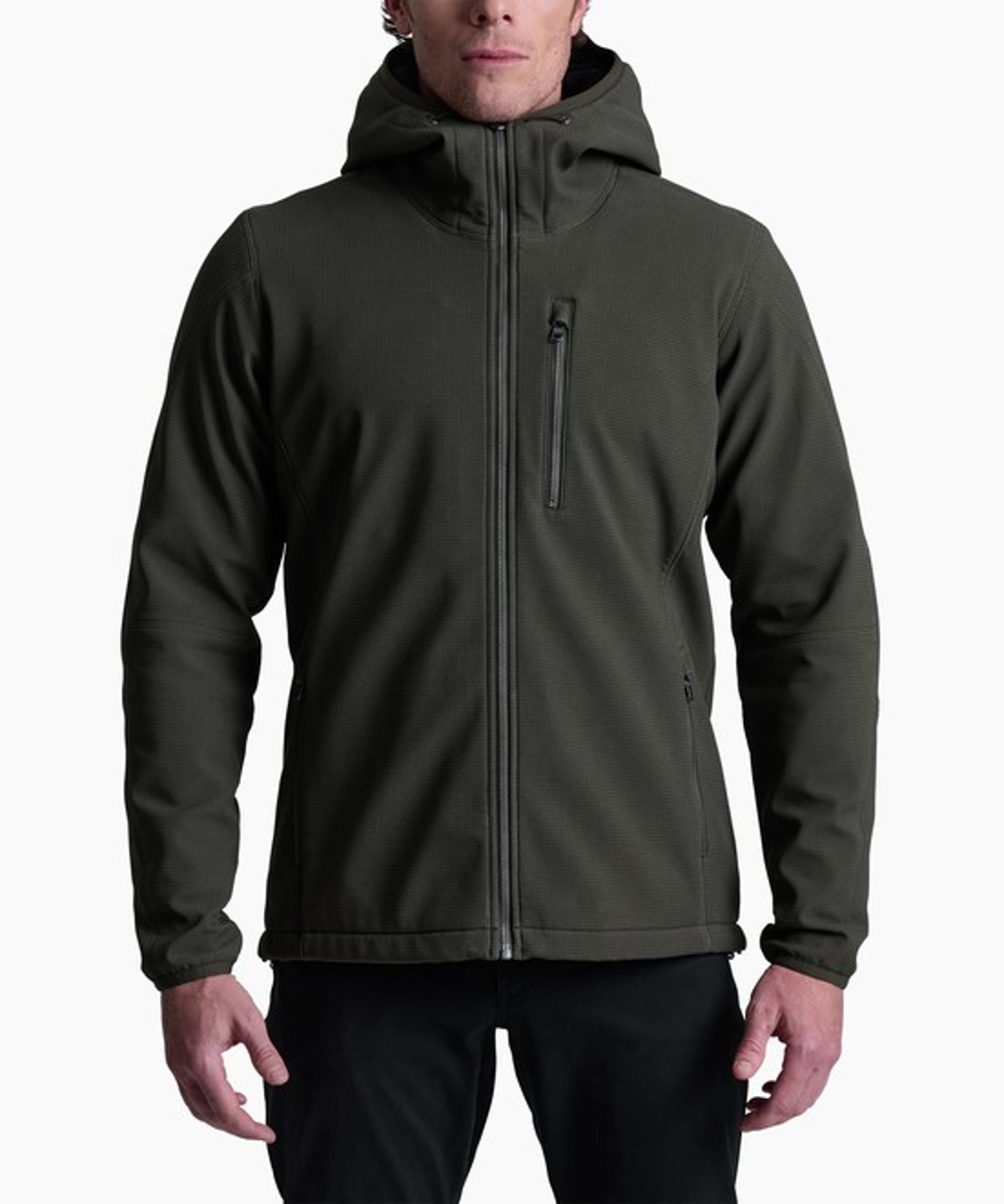
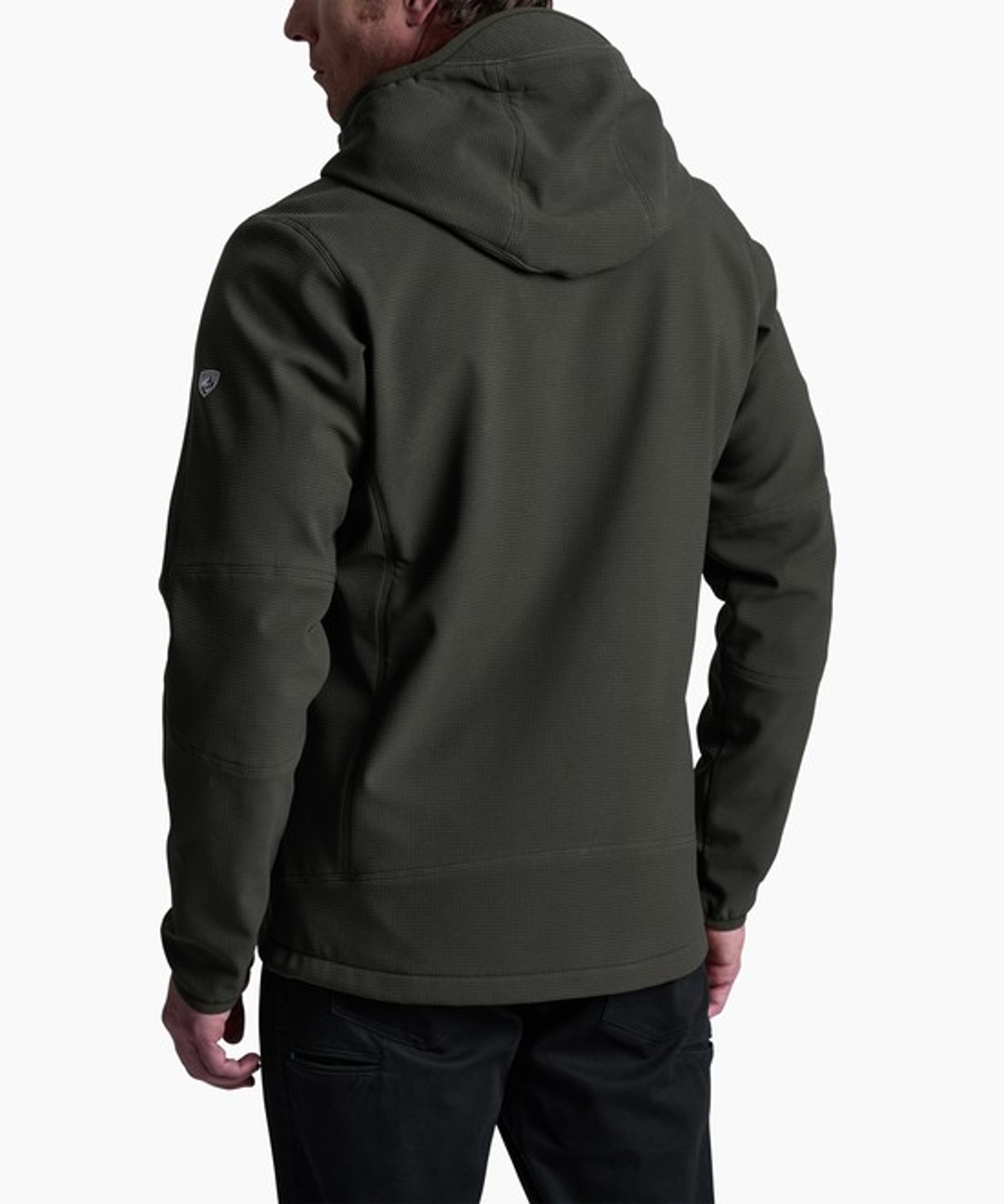
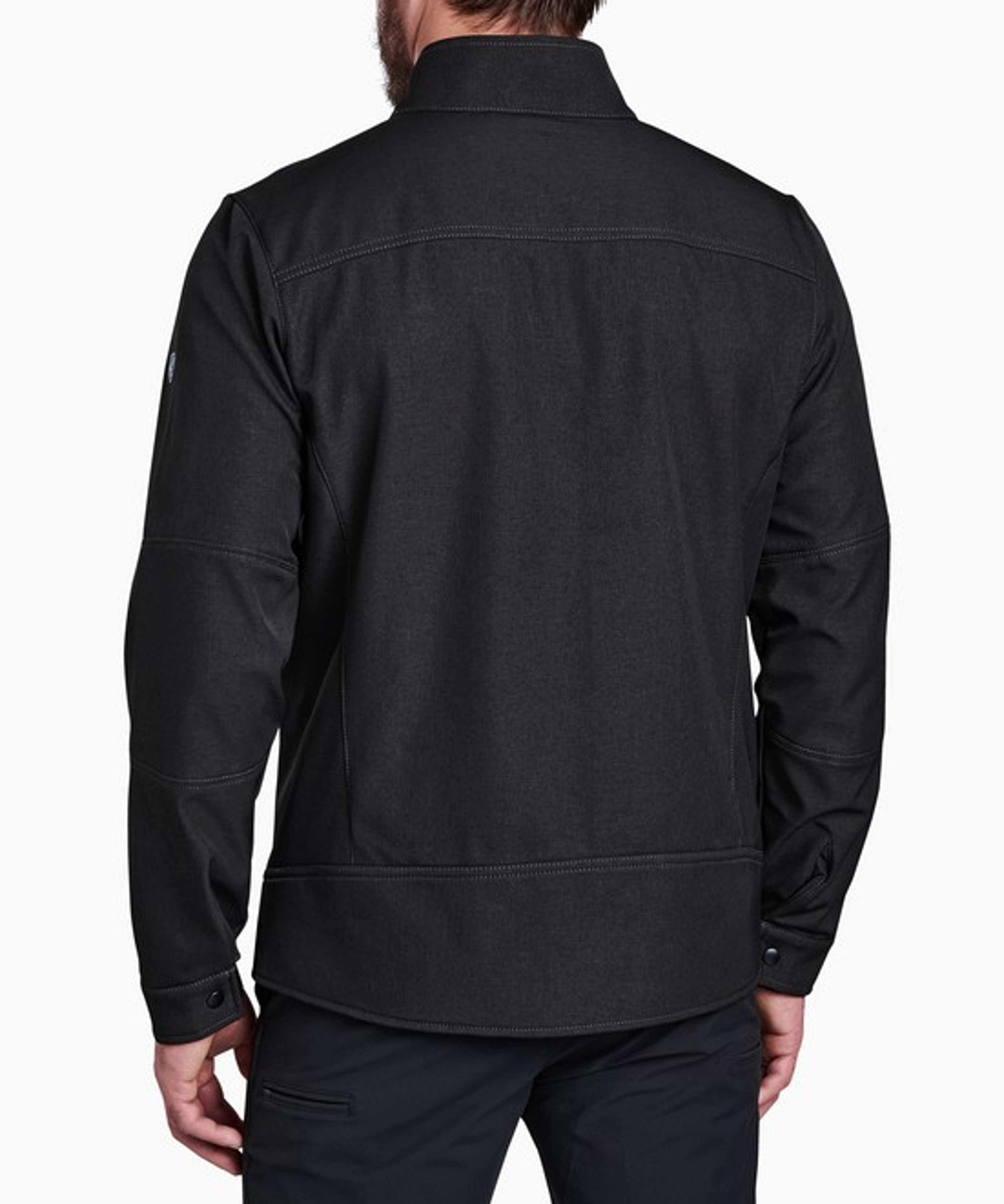
Softshell Versatility. Bonded softshell constructions pair a wind-cutting outer face with a brushed interior for warmth without bulk. Articulated sleeves and underarm stretch panels deliver freedom of movement, and a DWR finish sheds the kind of light drizzle a hood-up dash can handle. For the wetter end of the weather spectrum, see our men's rain jackets.
CHIANTI™-Lined Comfort. Select pieces feature CHIANTI™, a heat-retaining knit lining that holds warmth where you need it without trapping moisture. Paired with a tough exterior shell, the result is a jacket that handles cold-morning dog walks and cool-evening patios with equal composure.
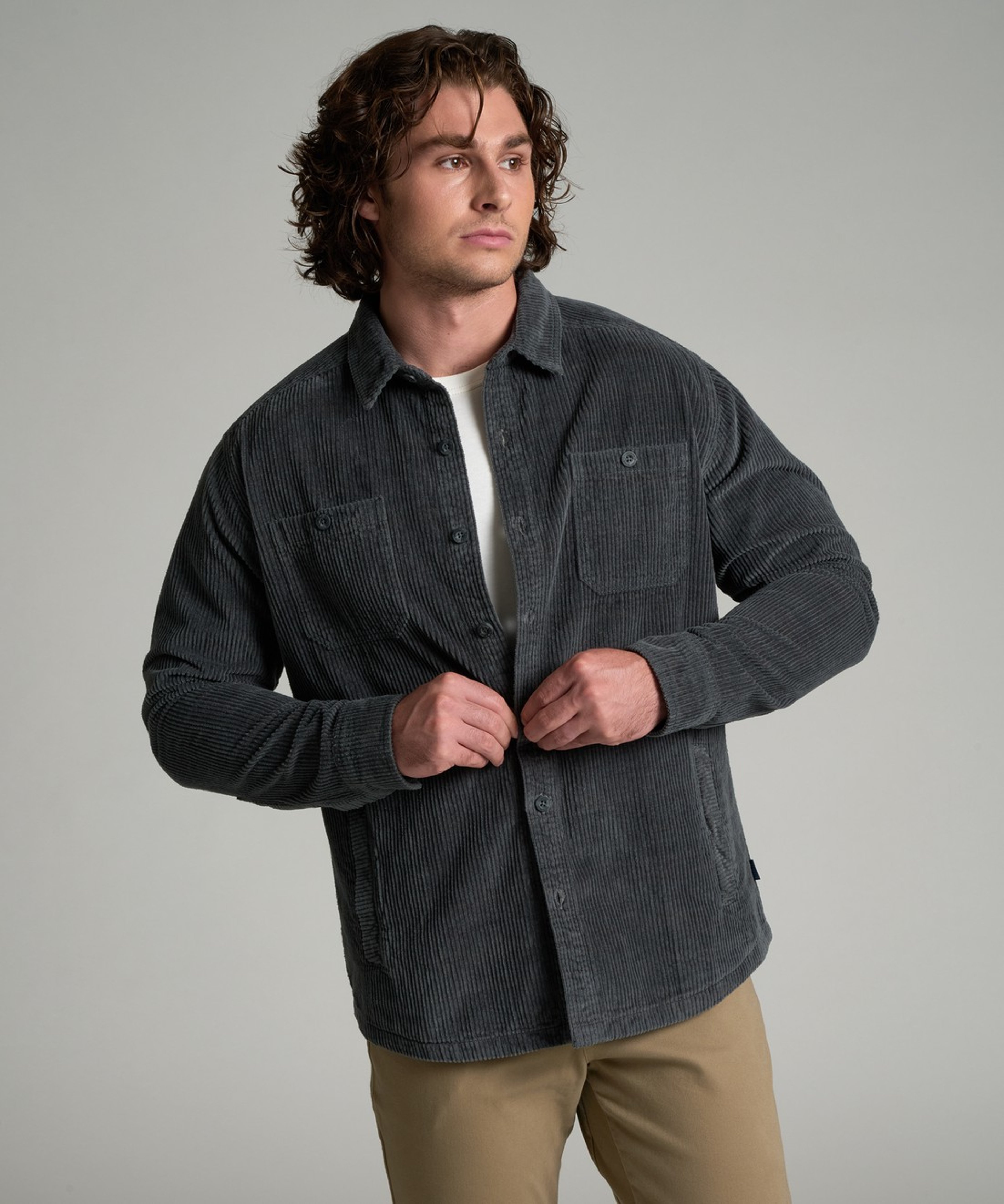
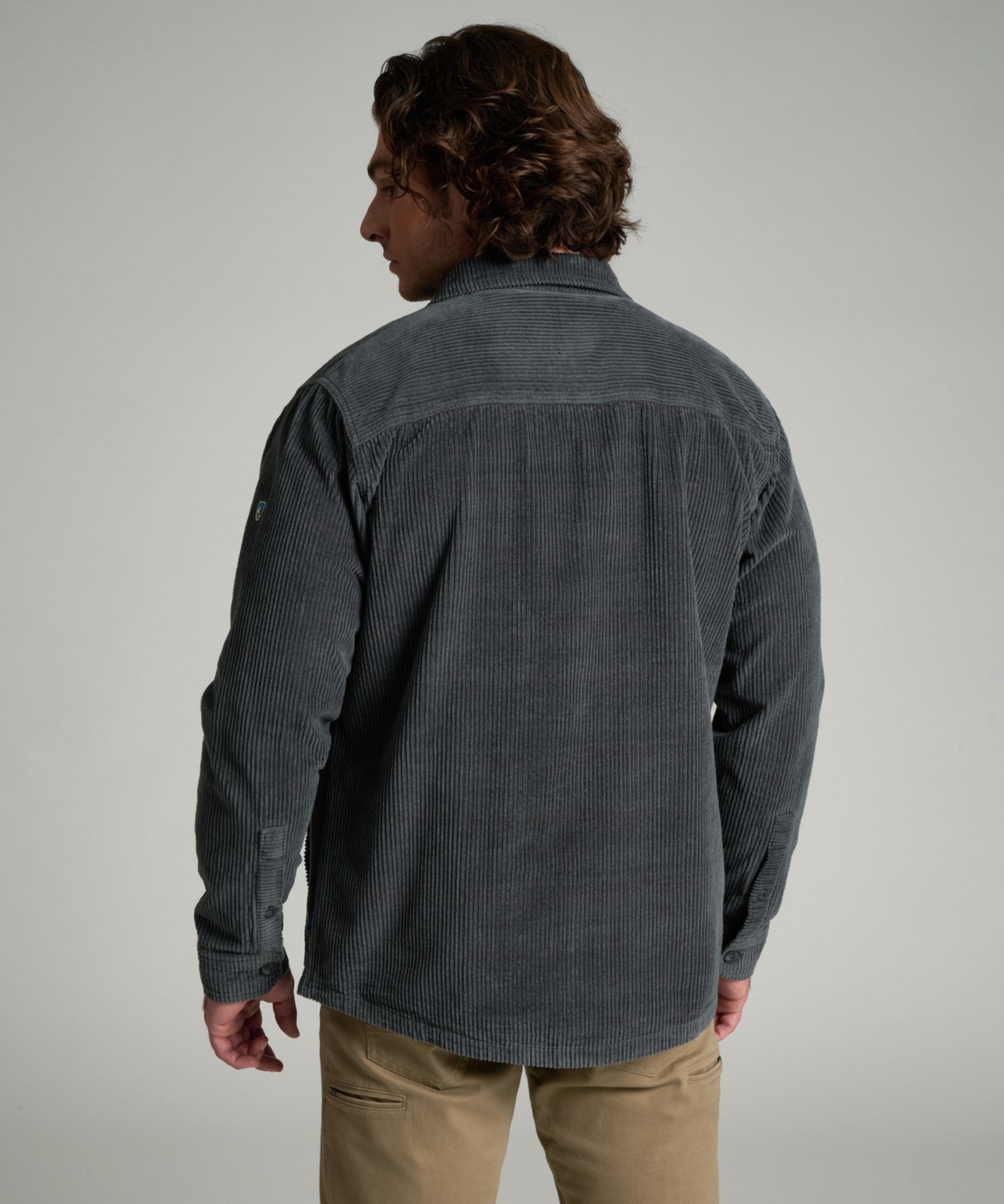
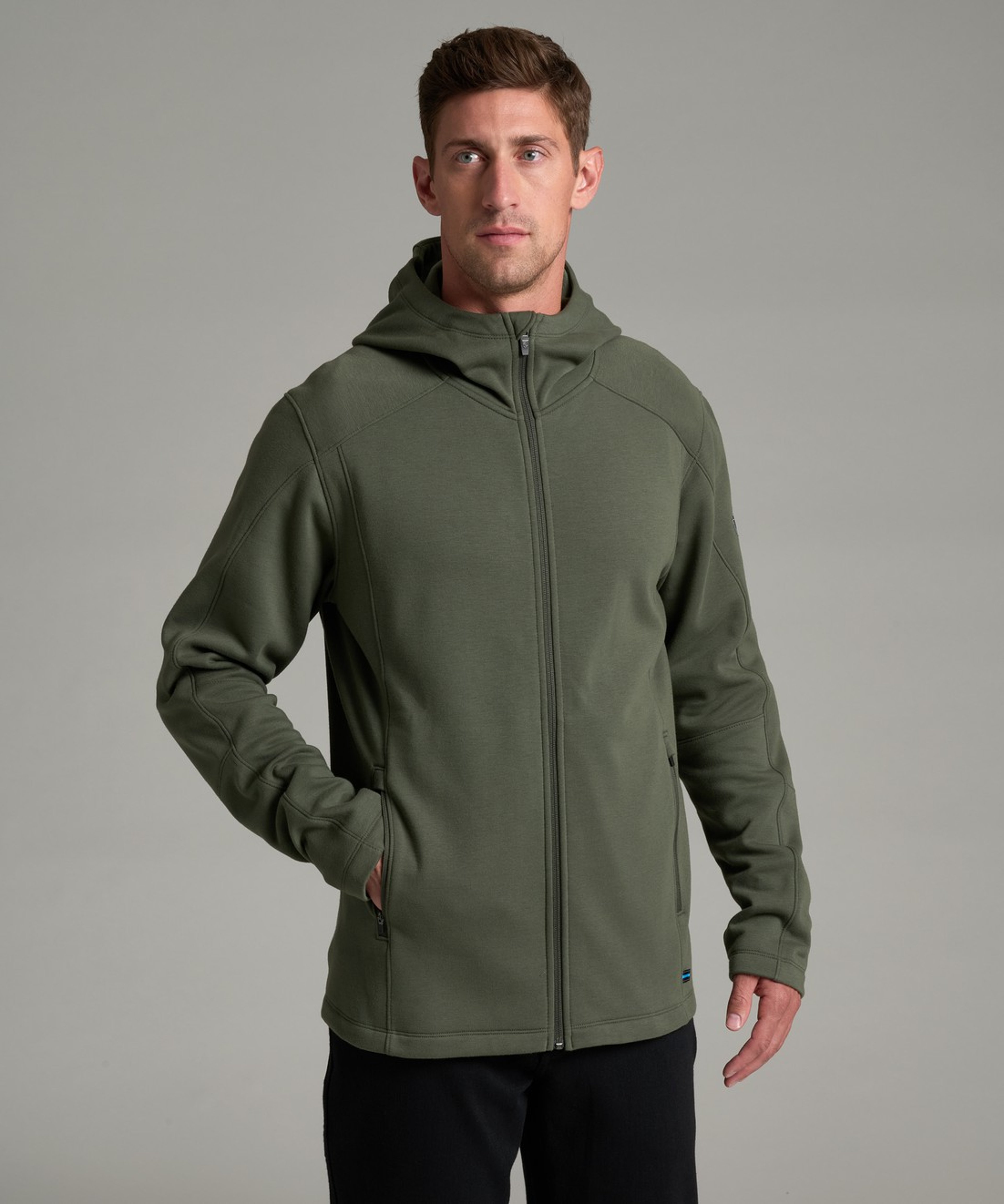
Shirt-Jacket Hybrids. When the day calls for a layer that reads as a shirt but performs as outerwear, look for soft fleece-lined flannel-style builds with mechanical 4-way stretch and thumb loops at the cuff. These bridge the gap between a men's fleece midlayer and a true shell.
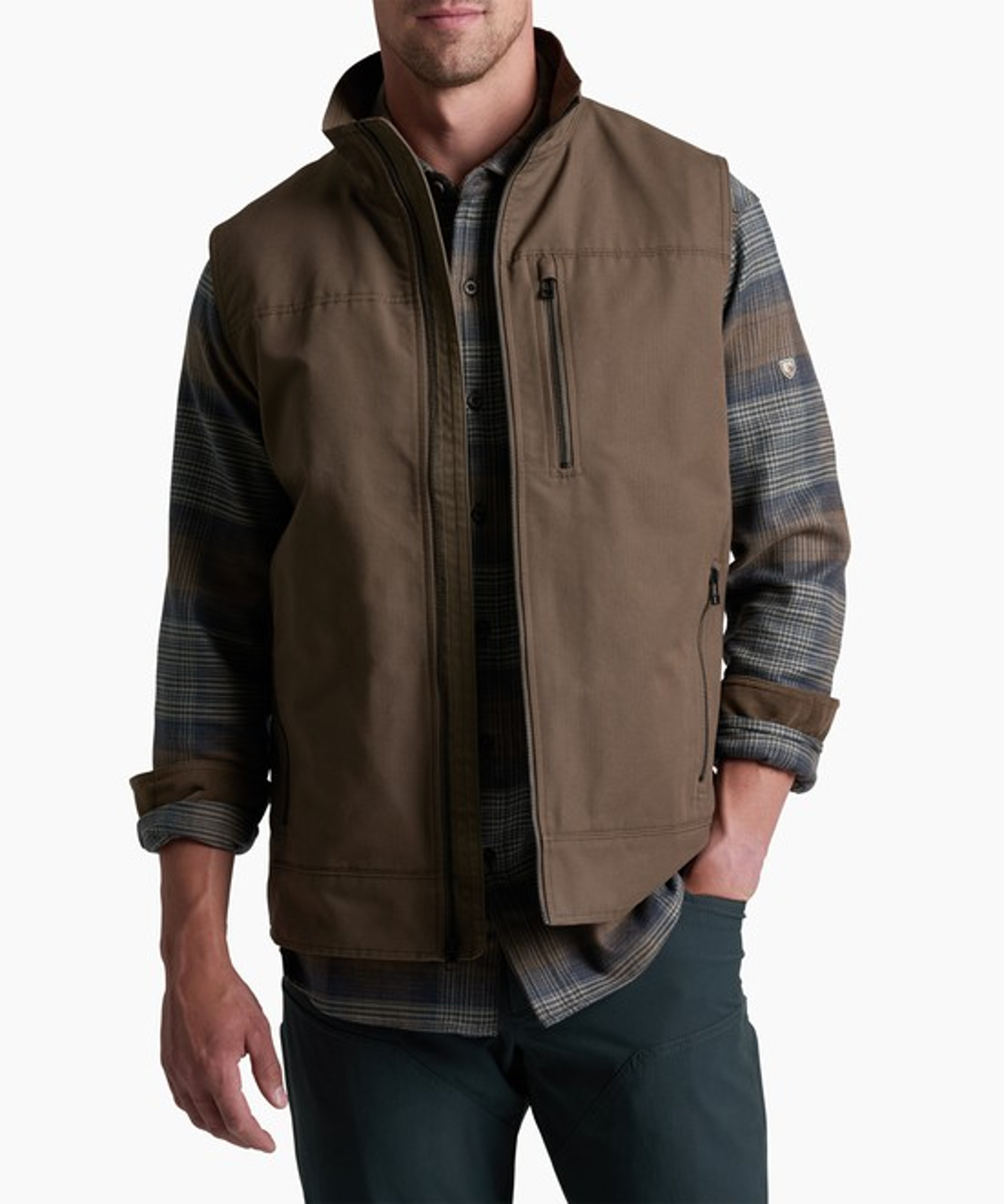
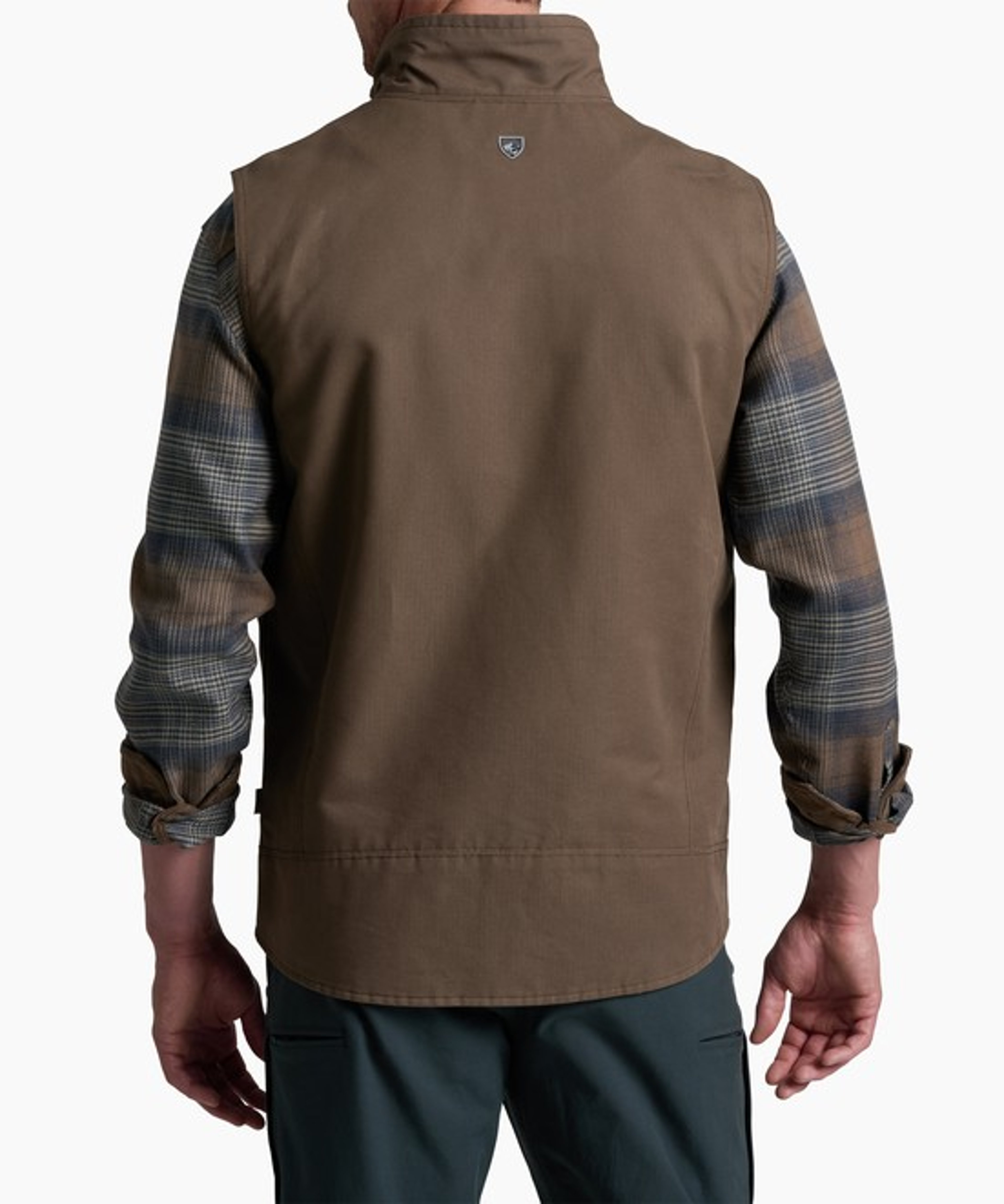
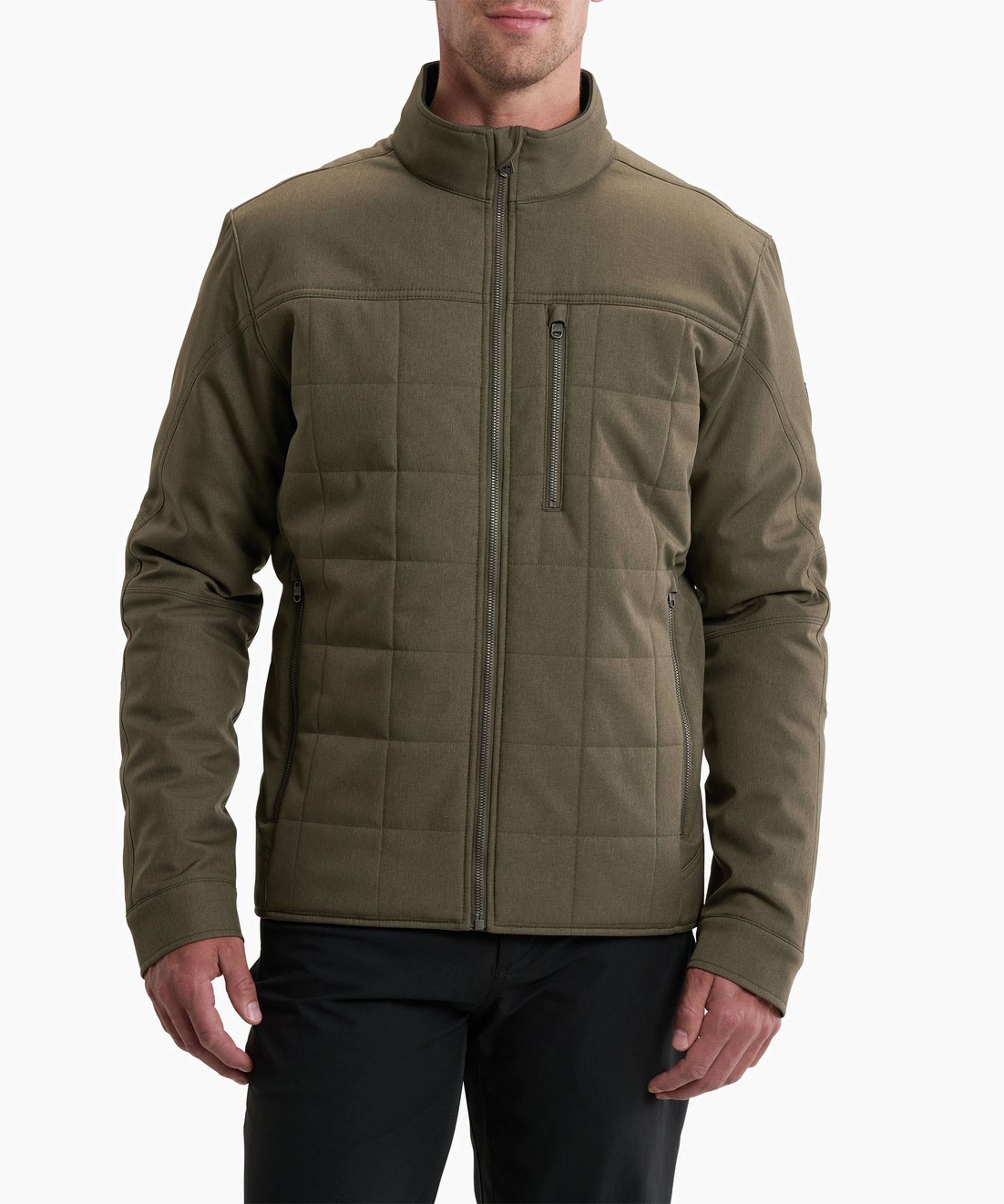
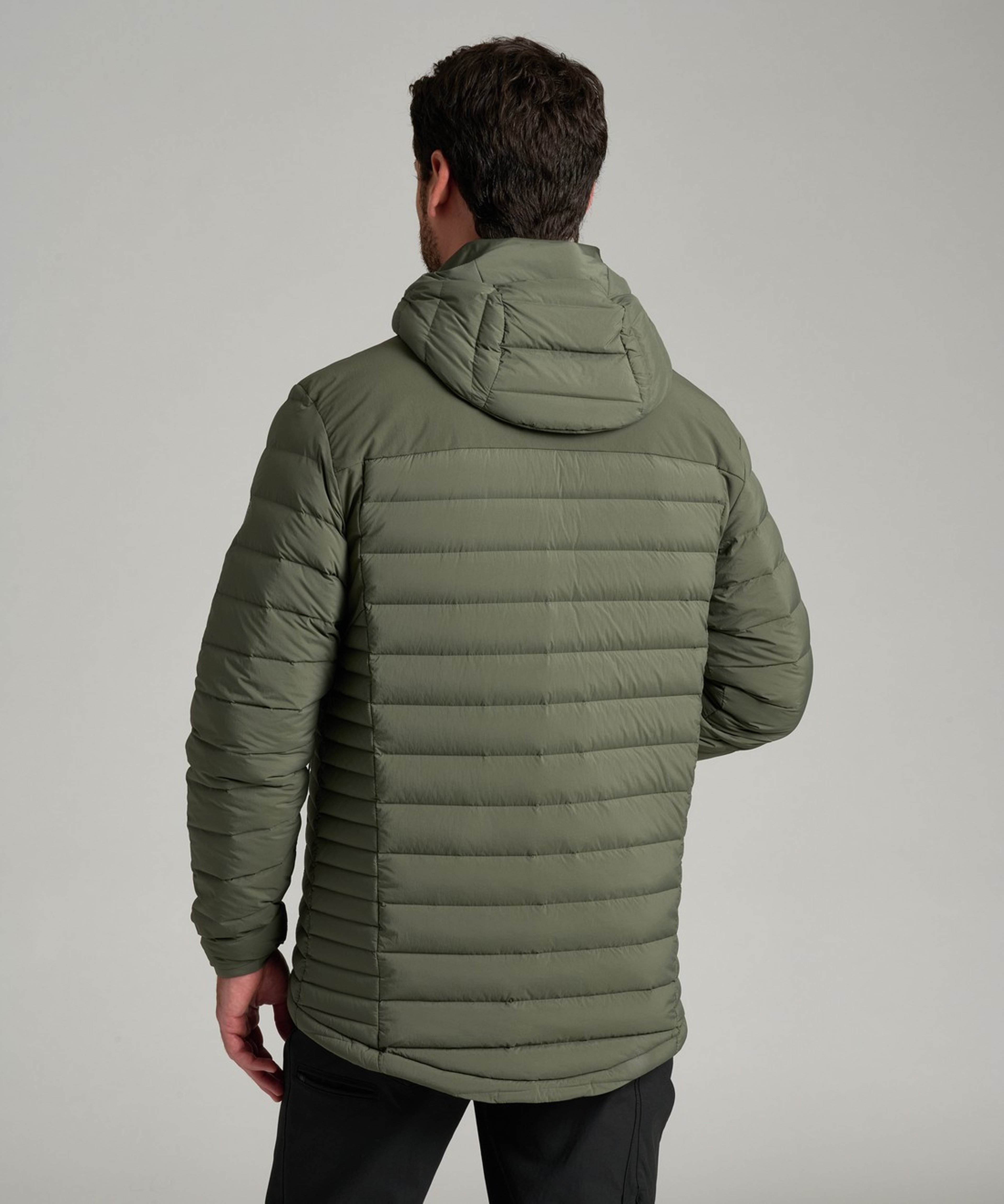
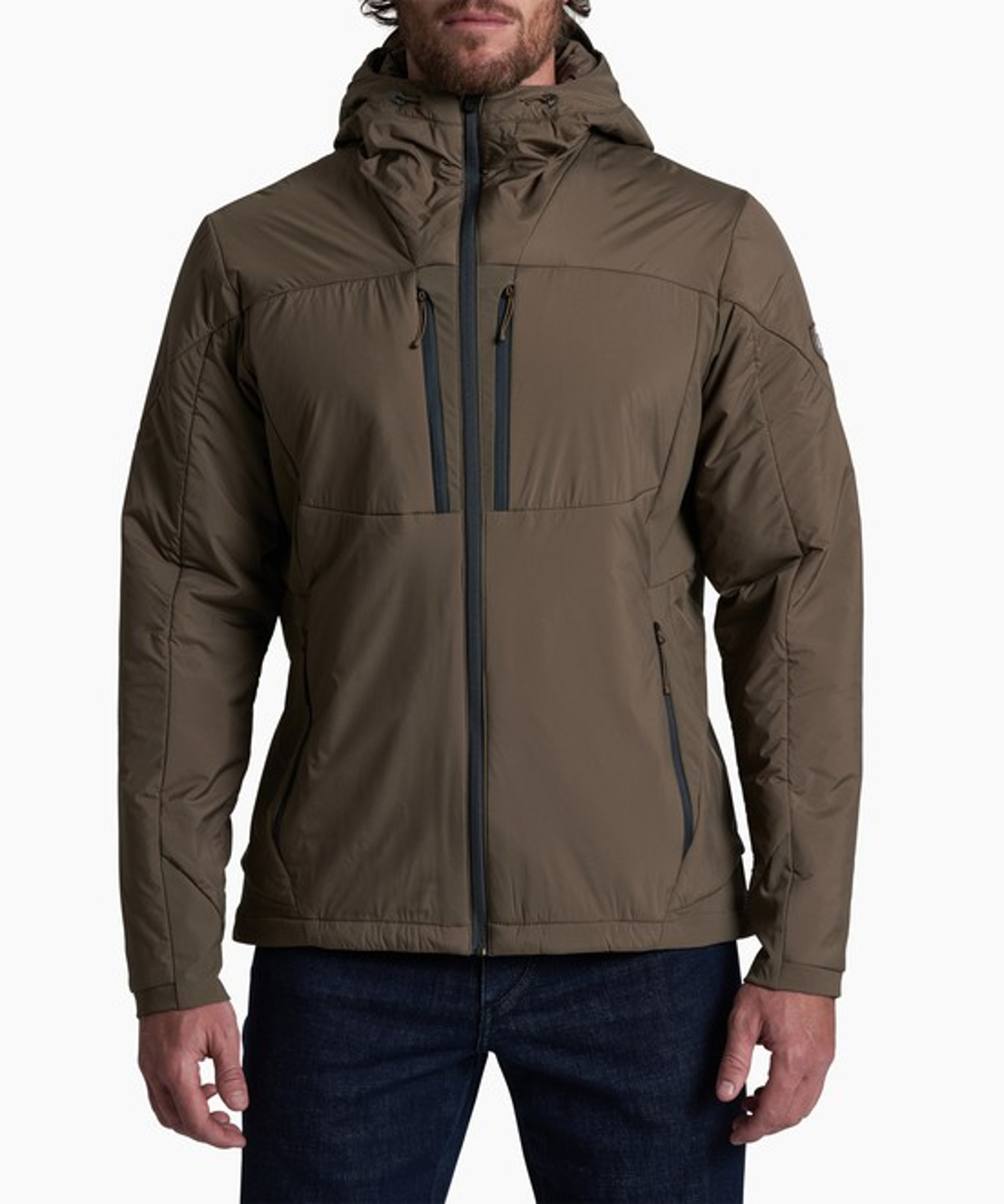
Down and Synthetic Insulation. For colder transitions, jackets with thermal body mapping place insulation where heat escapes fastest. Reinforced shoulders take gear-strap abrasion. A water-resistant ripstop face fabric blocks wind and brushes off light moisture. When you want a pared-back midlayer instead of a full sleeve, our men's vests cover the same core-warmth job.
Look for signature touches like articulated sleeves for unrestricted reach, reinforced shoulders that survive pack straps, hidden security pockets for travel essentials, and a brushed interior collar that feels soft against bare skin. The best casual jackets earn their keep by doing the daily-driver job exceptionally well.
Choose from a variety of fabrics, styles, and features for the men's casual jackets that are right for you:
Rugged Canvas Workwear. Combed cotton canvas exteriors give casual jackets the abrasion resistance to handle daily wear without softening into shapelessness. Quilted or smooth interior linings add quiet warmth, while zippered hand pockets keep essentials secure walking from the parking lot to the brewery.
Softshell Versatility. Bonded softshell constructions pair a wind-cutting outer face with a brushed interior for warmth without bulk. Articulated sleeves and underarm stretch panels deliver freedom of movement, and a DWR finish sheds the kind of light drizzle a hood-up dash can handle. For the wetter end of the weather spectrum, see our men's rain jackets.
CHIANTI™-Lined Comfort. Select pieces feature CHIANTI™, a heat-retaining knit lining that holds warmth where you need it without trapping moisture. Paired with a tough exterior shell, the result is a jacket that handles cold-morning dog walks and cool-evening patios with equal composure.
Shirt-Jacket Hybrids. When the day calls for a layer that reads as a shirt but performs as outerwear, look for soft fleece-lined flannel-style builds with mechanical 4-way stretch and thumb loops at the cuff. These bridge the gap between a men's fleece midlayer and a true shell.
Down and Synthetic Insulation. For colder transitions, jackets with thermal body mapping place insulation where heat escapes fastest. Reinforced shoulders take gear-strap abrasion. A water-resistant ripstop face fabric blocks wind and brushes off light moisture. When you want a pared-back midlayer instead of a full sleeve, our men's vests cover the same core-warmth job.
Look for signature touches like articulated sleeves for unrestricted reach, reinforced shoulders that survive pack straps, hidden security pockets for travel essentials, and a brushed interior collar that feels soft against bare skin. The best casual jackets earn their keep by doing the daily-driver job exceptionally well.
A practical guide to choosing a men's casual jacket: shell type, insulation, weather protection, layering fit, and the features that matter most on and off the trail.
What should you look for in men's casual jackets?
A men's casual jacket should match your weather window, layer cleanly with what you already own, and use fabrics that hold up to daily wear.
Start with the weather protection level you need: a DWR finish handles light moisture. A membrane with taped seams handles sustained rain. Check breathability next: a brushed interior or softshell face fabric breathes well during active wear. Confirm layering compatibility over a midweight fleece. Fit should feel trim but not pulling at the shoulders, with articulated sleeves that reach without lifting the hem.
Start with the weather protection level you need: a DWR finish handles light moisture. A membrane with taped seams handles sustained rain. Check breathability next: a brushed interior or softshell face fabric breathes well during active wear. Confirm layering compatibility over a midweight fleece. Fit should feel trim but not pulling at the shoulders, with articulated sleeves that reach without lifting the hem.
What's the difference between a hardshell, softshell, and insulated jacket?
A hardshell is fully waterproof. A softshell is wind- and light-moisture-resistant with stretch. An insulated jacket adds warmth via down or synthetic fill.
Hardshells use a waterproof membrane with taped seams for sustained rain or wet snow. They trade breathability for protection. Softshells use a woven face fabric with 4-way stretch and a DWR finish, breathing freely during active use but giving up under heavy rain. Insulated jackets prioritize warmth via down or synthetic fill under a range of exteriors. Many casual jackets blend these.
Hardshells use a waterproof membrane with taped seams for sustained rain or wet snow. They trade breathability for protection. Softshells use a woven face fabric with 4-way stretch and a DWR finish, breathing freely during active use but giving up under heavy rain. Insulated jackets prioritize warmth via down or synthetic fill under a range of exteriors. Many casual jackets blend these.
How do you choose between down and synthetic insulation?
Choose down for the best warmth-to-weight ratio in dry, cold conditions. Choose synthetic when you expect damp weather or sweat-heavy activity.
Down lofts higher and packs smaller for the same warmth, which is why it dominates ultralight gear. Its weakness is moisture: wet down clumps and loses insulating value. Synthetic fills insulate even when damp and dry faster, making them the safer pick for shoulder-season use or anyone who runs hot. For dedicated puffy warmth, see our men's down jackets.
Down lofts higher and packs smaller for the same warmth, which is why it dominates ultralight gear. Its weakness is moisture: wet down clumps and loses insulating value. Synthetic fills insulate even when damp and dry faster, making them the safer pick for shoulder-season use or anyone who runs hot. For dedicated puffy warmth, see our men's down jackets.
Are casual jackets waterproof or just water-resistant?
Most casual jackets are water-resistant rather than fully waterproof. They shed light rain via a DWR finish but aren't built for sustained downpours.
A DWR finish causes water to bead off the face fabric, enough for a short walk or passing shower. True waterproof performance requires a membrane plus fully taped seams and water-repellent zippers, features more common on dedicated rain shells. For hours of steady rain, layer a casual jacket under a true shell.
A DWR finish causes water to bead off the face fabric, enough for a short walk or passing shower. True waterproof performance requires a membrane plus fully taped seams and water-repellent zippers, features more common on dedicated rain shells. For hours of steady rain, layer a casual jacket under a true shell.
How should a casual jacket fit for layering?
A casual jacket should fit trim through the torso with enough room for a base and midweight layer underneath without restricting shoulder or arm movement.
The shoulder seam should sit where your shoulder ends. Raise both arms overhead. If the hem lifts above your waistband, the sleeves aren't articulated enough. Chest and back should accommodate a fleece without pulling at the zipper. Cuffs should reach the base of your thumb. A hood should turn with your head, not block your peripheral vision.
The shoulder seam should sit where your shoulder ends. Raise both arms overhead. If the hem lifts above your waistband, the sleeves aren't articulated enough. Chest and back should accommodate a fleece without pulling at the zipper. Cuffs should reach the base of your thumb. A hood should turn with your head, not block your peripheral vision.
What features matter most when hiking or backpacking?
For hiking and backpacking, prioritize ventilation, pack-compatible pockets, a packable design, and durability where straps rub.
Pit zips or underarm vents dump heat fast on climbs. A hood that adjusts around your head keeps weather off without flapping. Chest and upper-arm pockets stay accessible under a hip belt when hand pockets are buried. Reinforced shoulders survive strap abrasion. A jacket that stuffs into its own pocket earns its place in a pack, and ripstop face fabrics resist brush snags.
Pit zips or underarm vents dump heat fast on climbs. A hood that adjusts around your head keeps weather off without flapping. Chest and upper-arm pockets stay accessible under a hip belt when hand pockets are buried. Reinforced shoulders survive strap abrasion. A jacket that stuffs into its own pocket earns its place in a pack, and ripstop face fabrics resist brush snags.