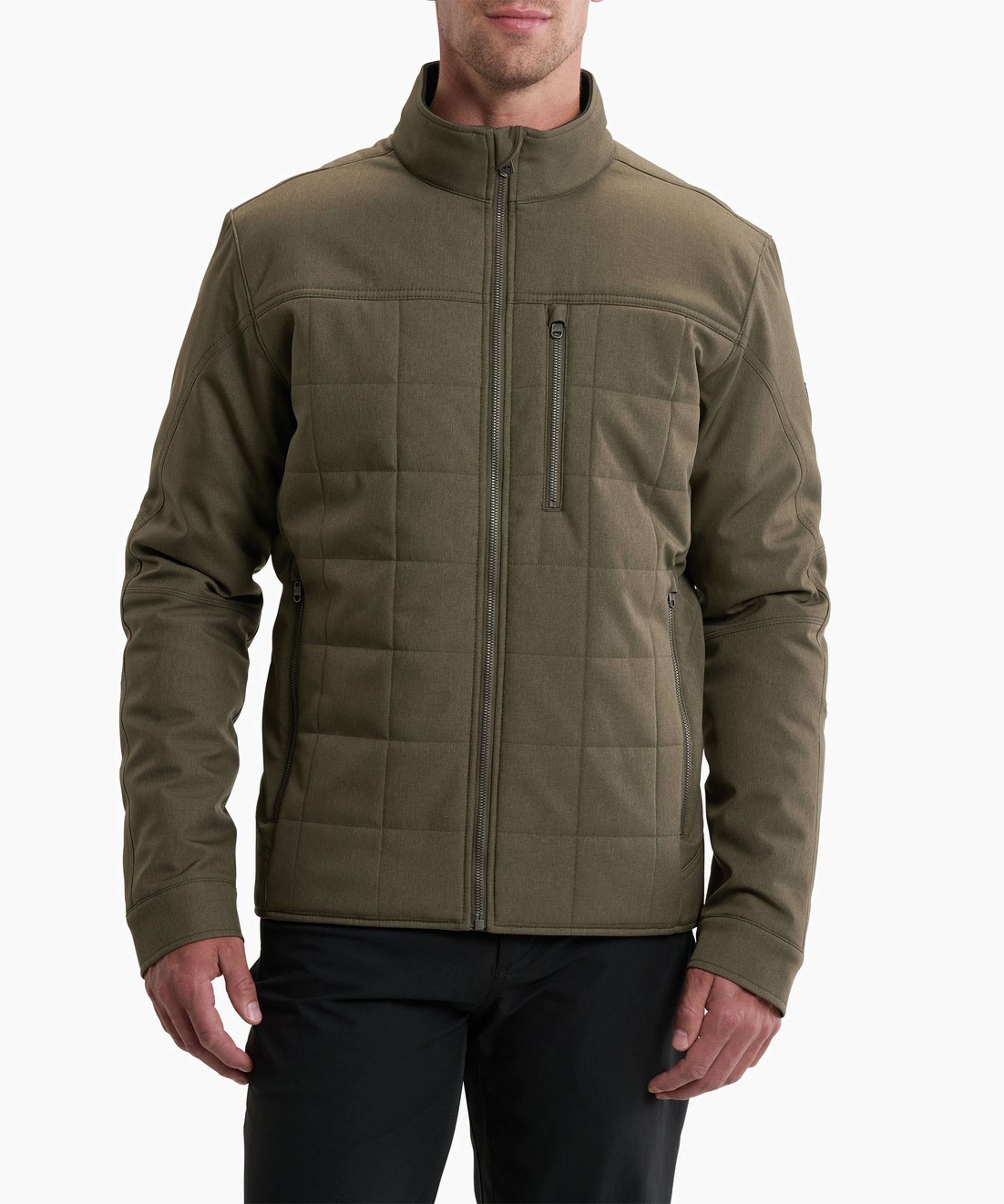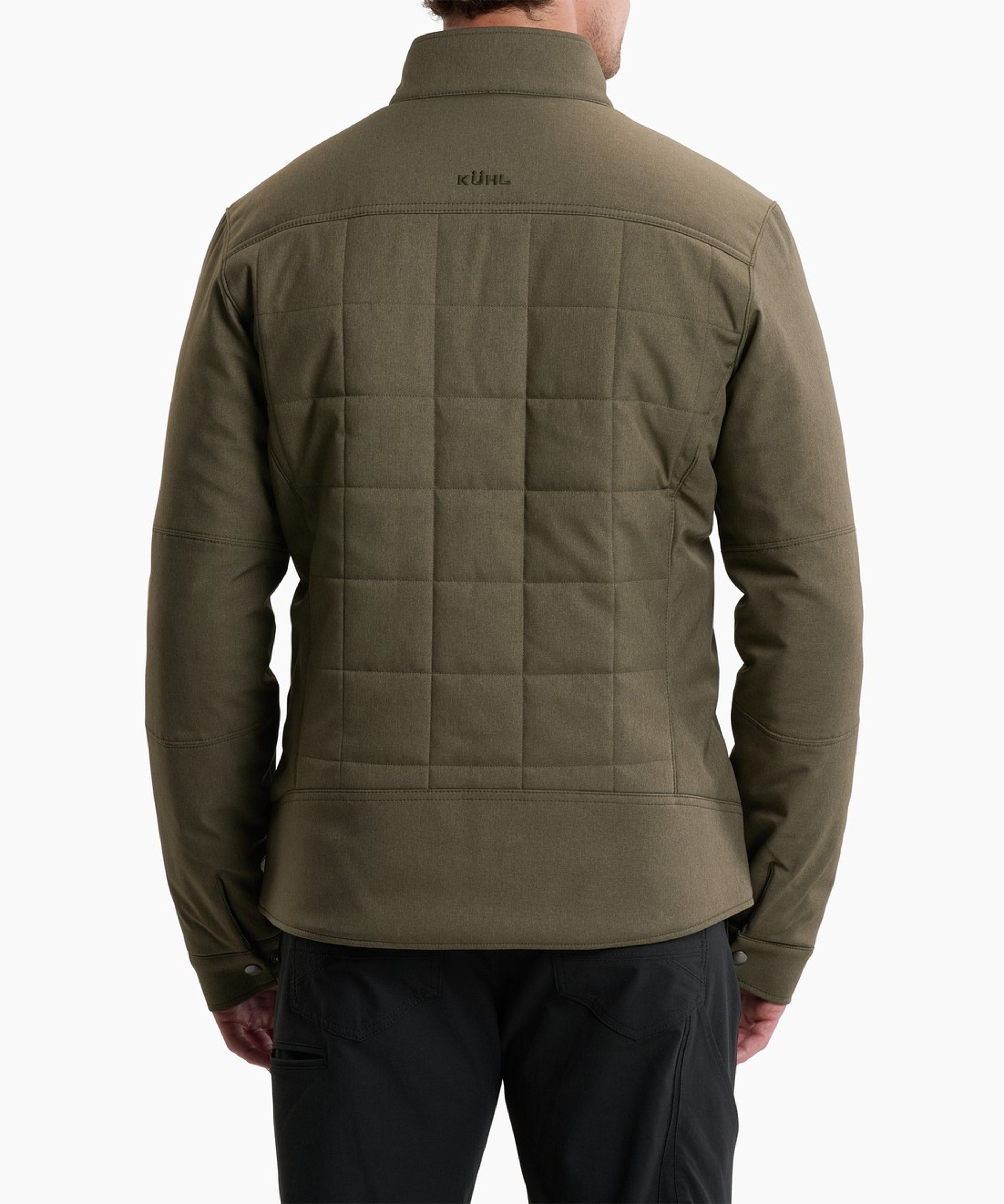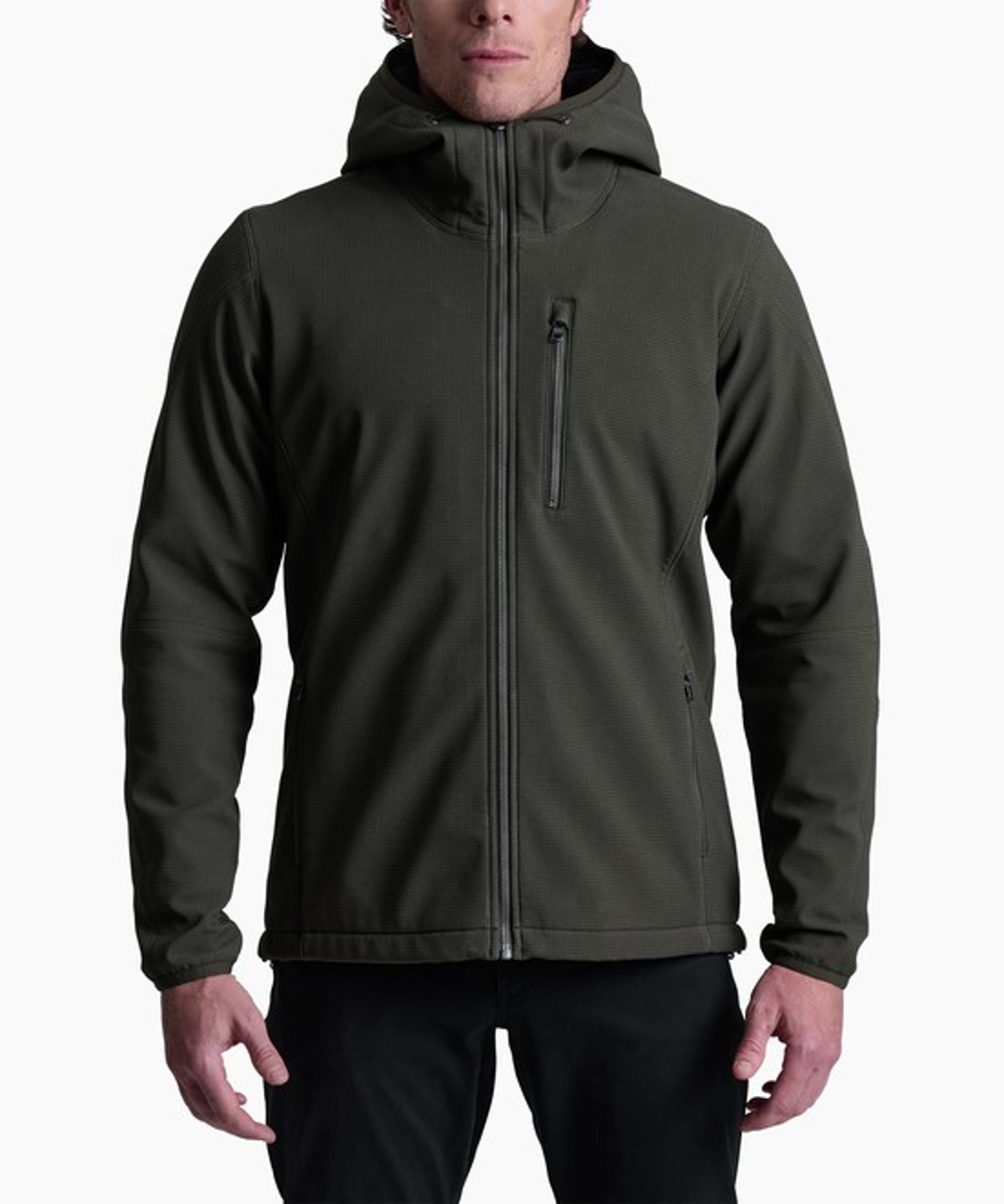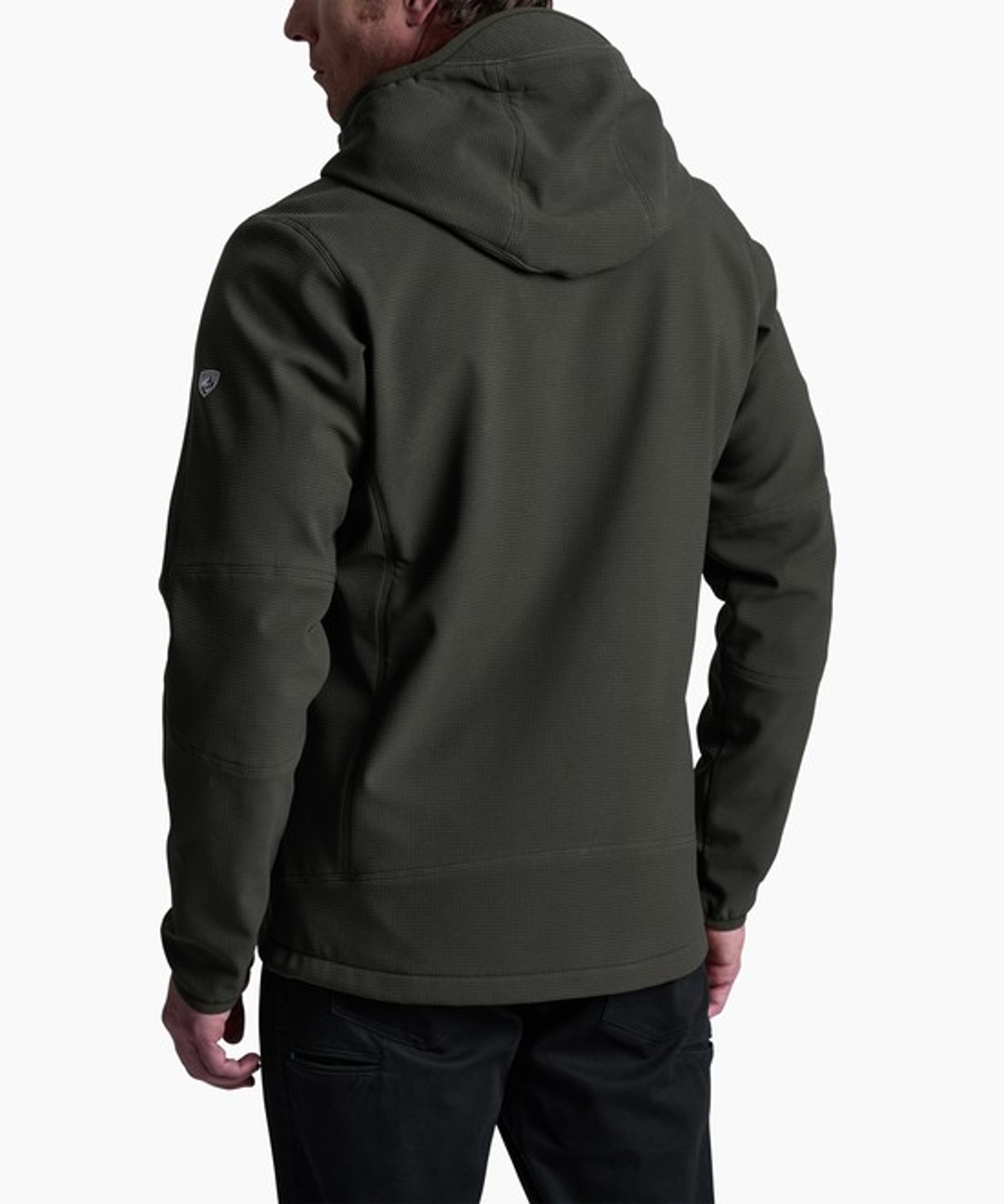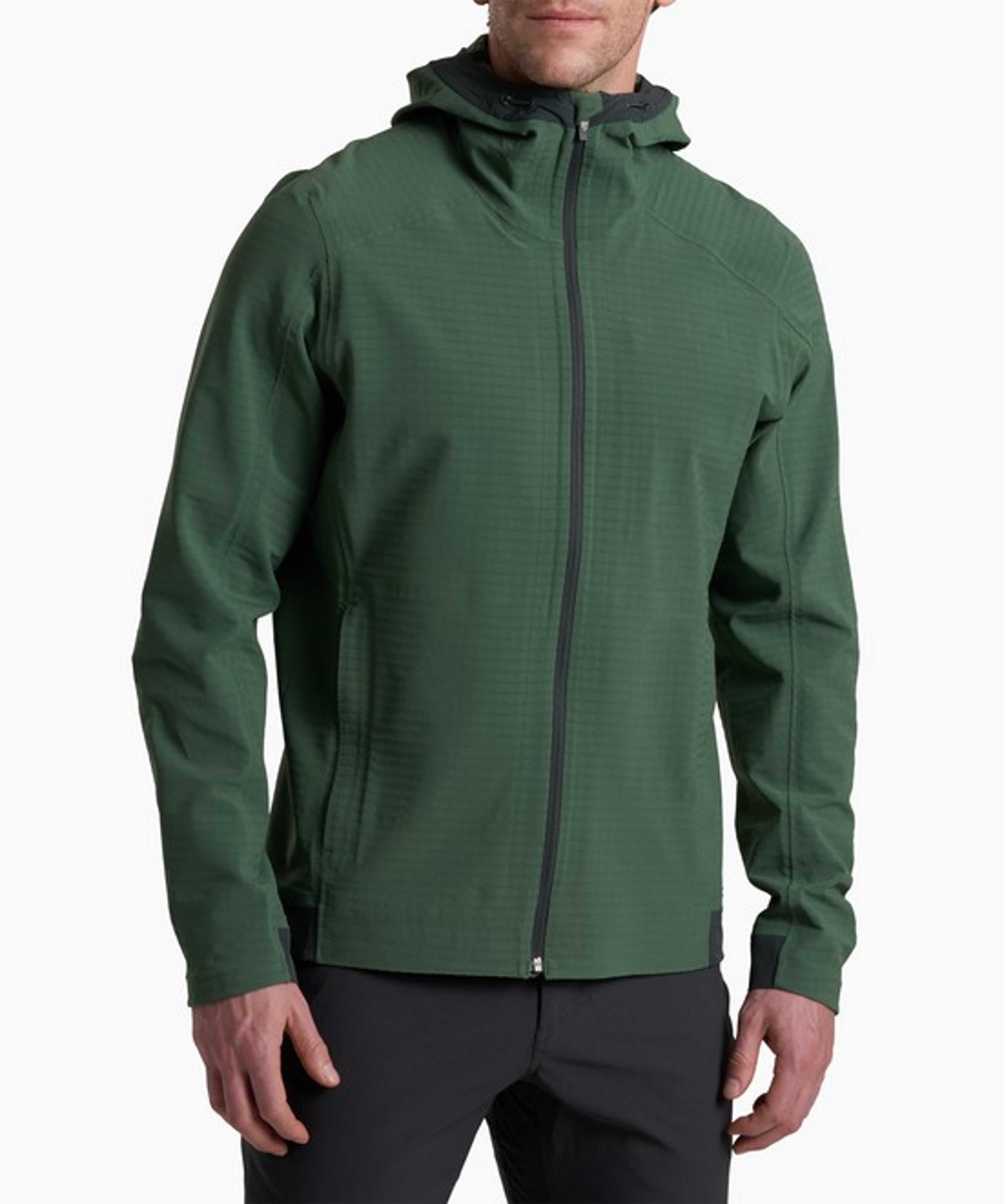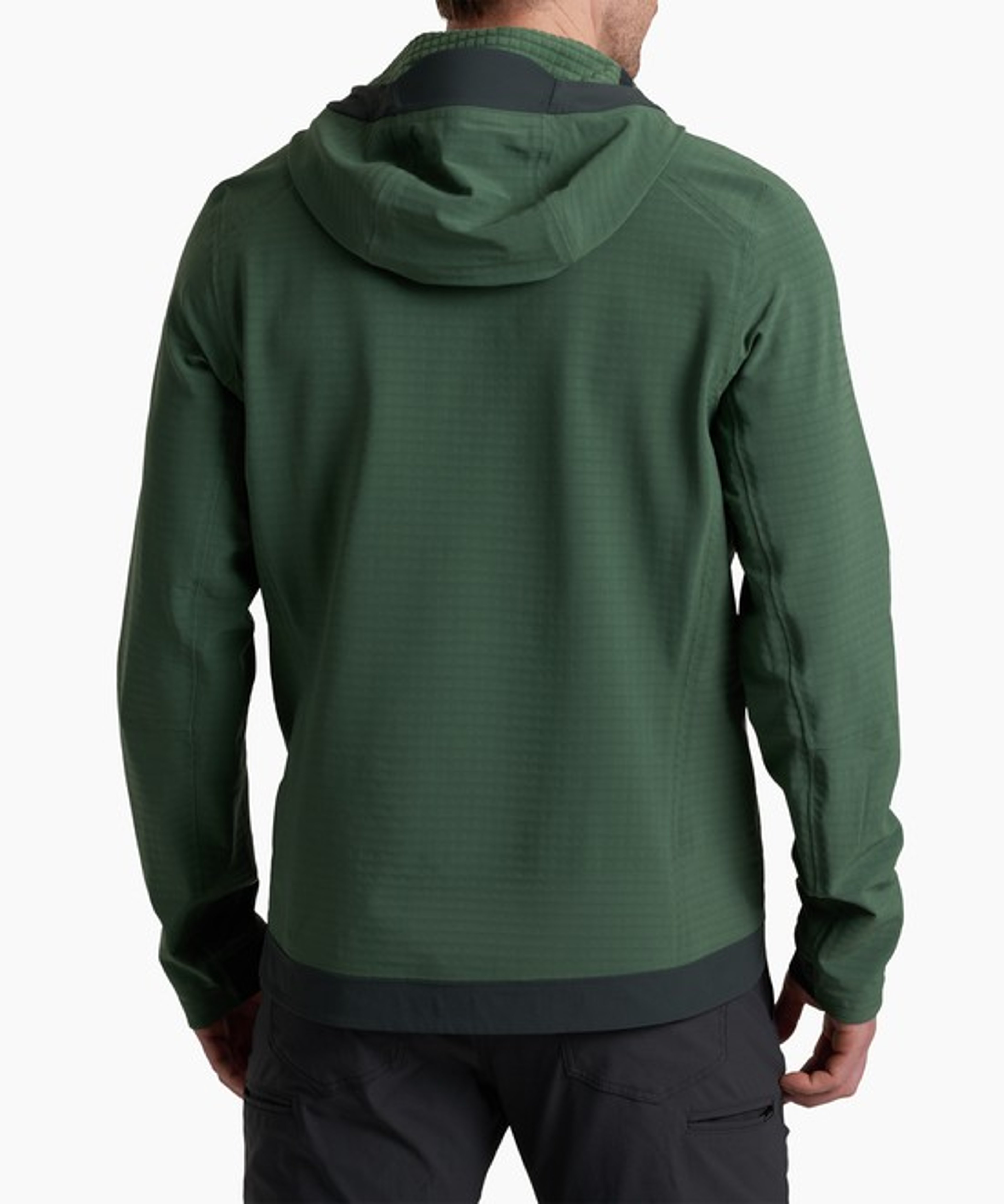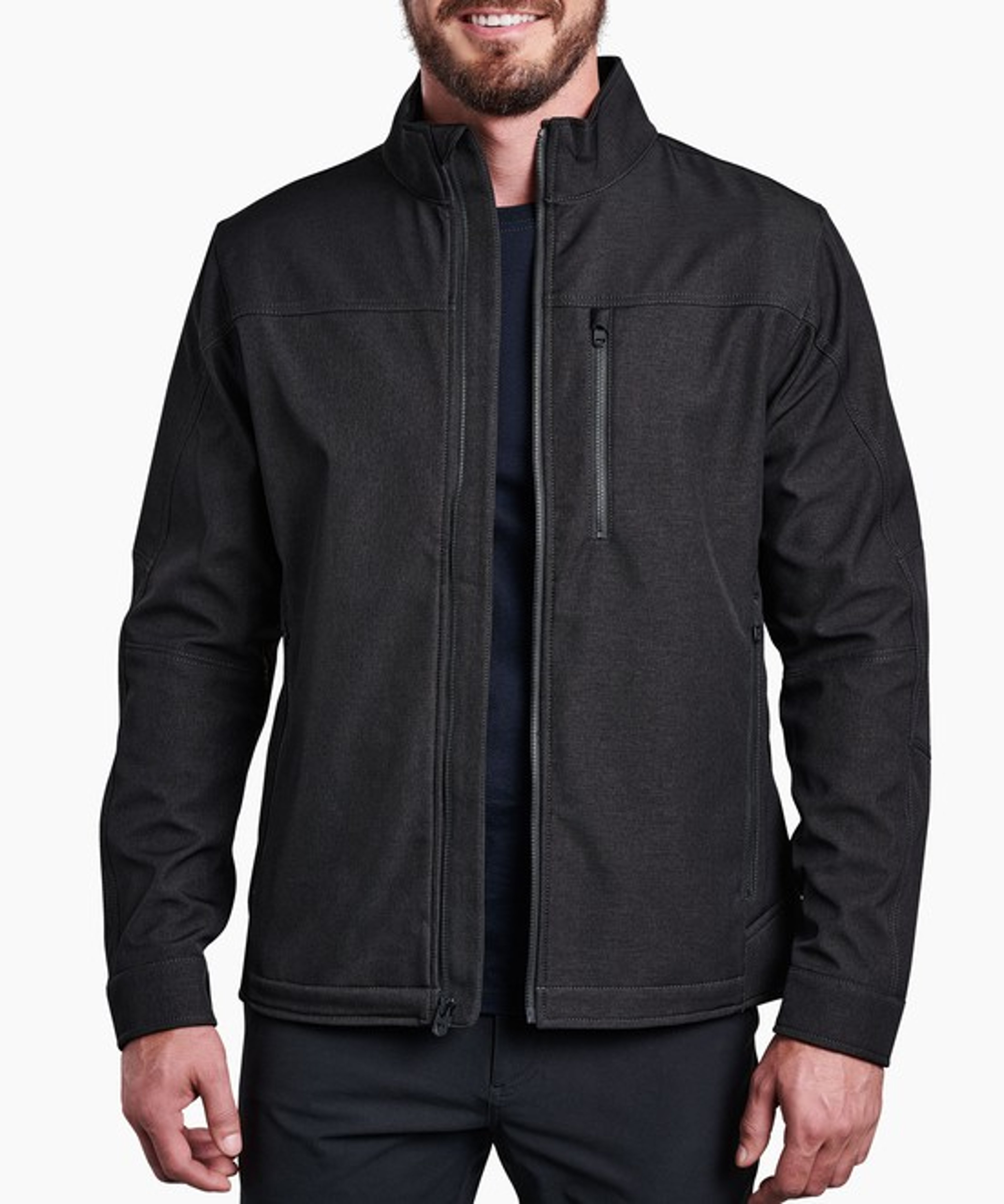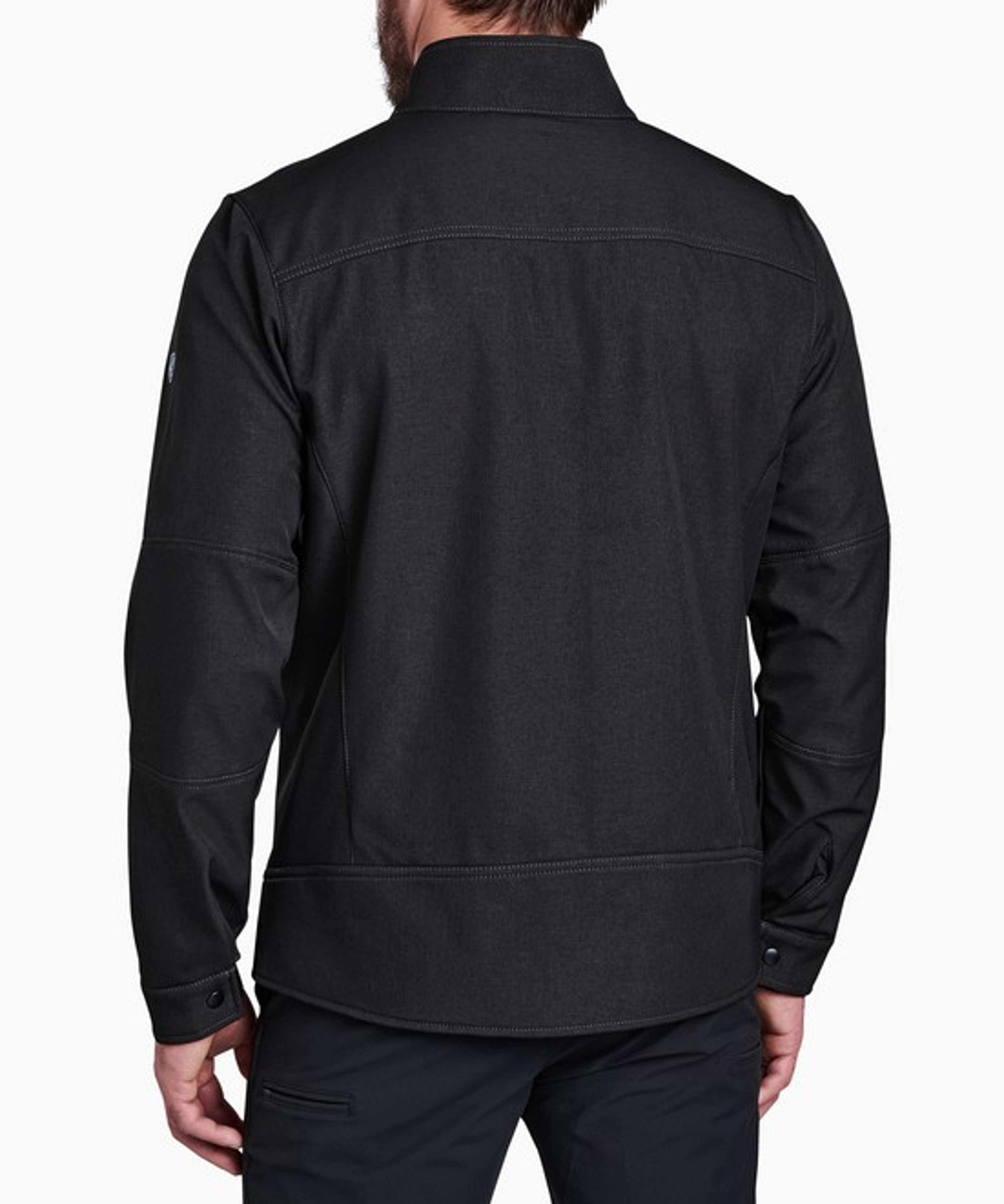




Men's Softshell Jackets
Move Easy in KÜHL Men's Softshell Jackets
Choose from a variety of fabrics, styles, and features for the men's softshell that's right for you:
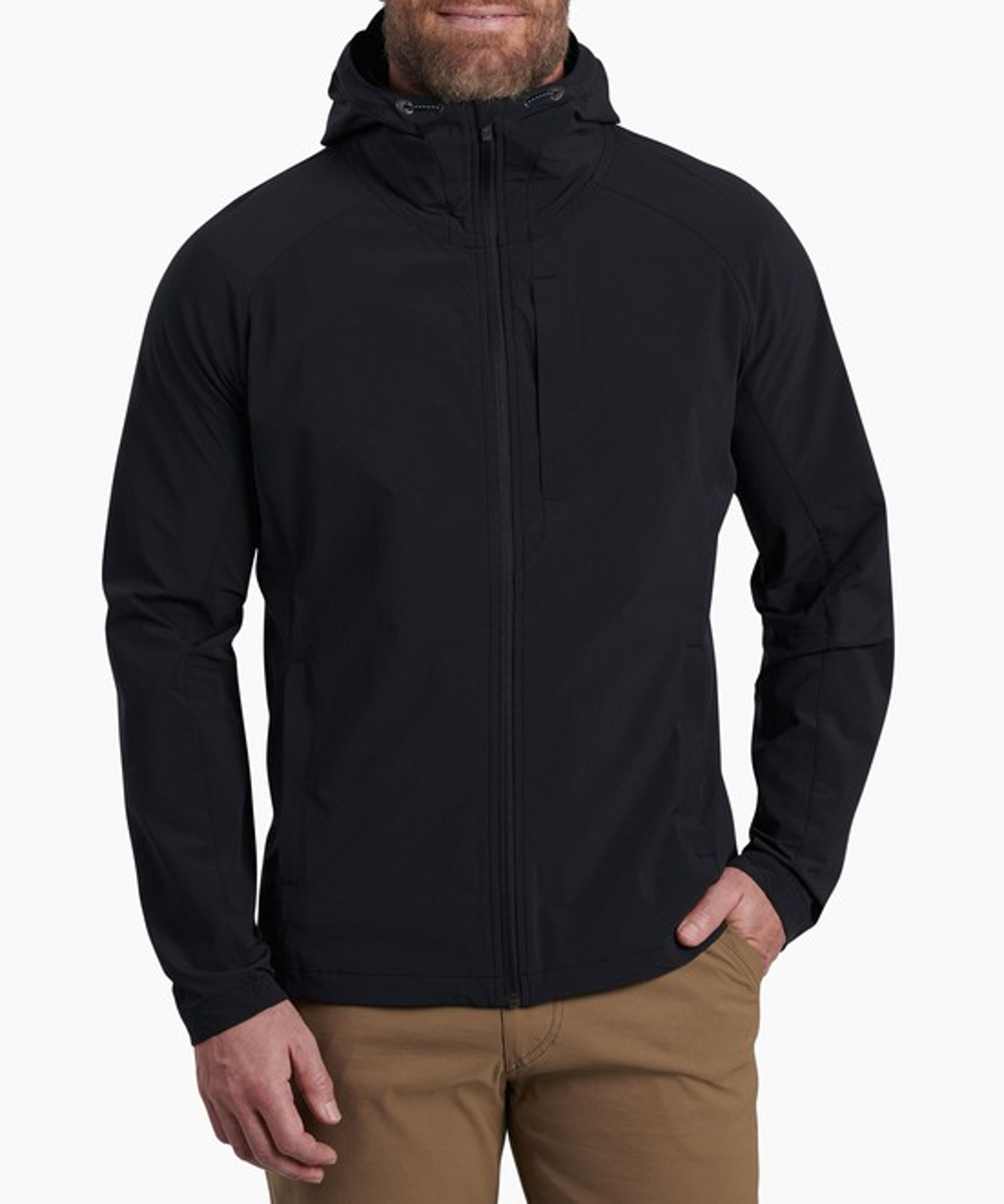
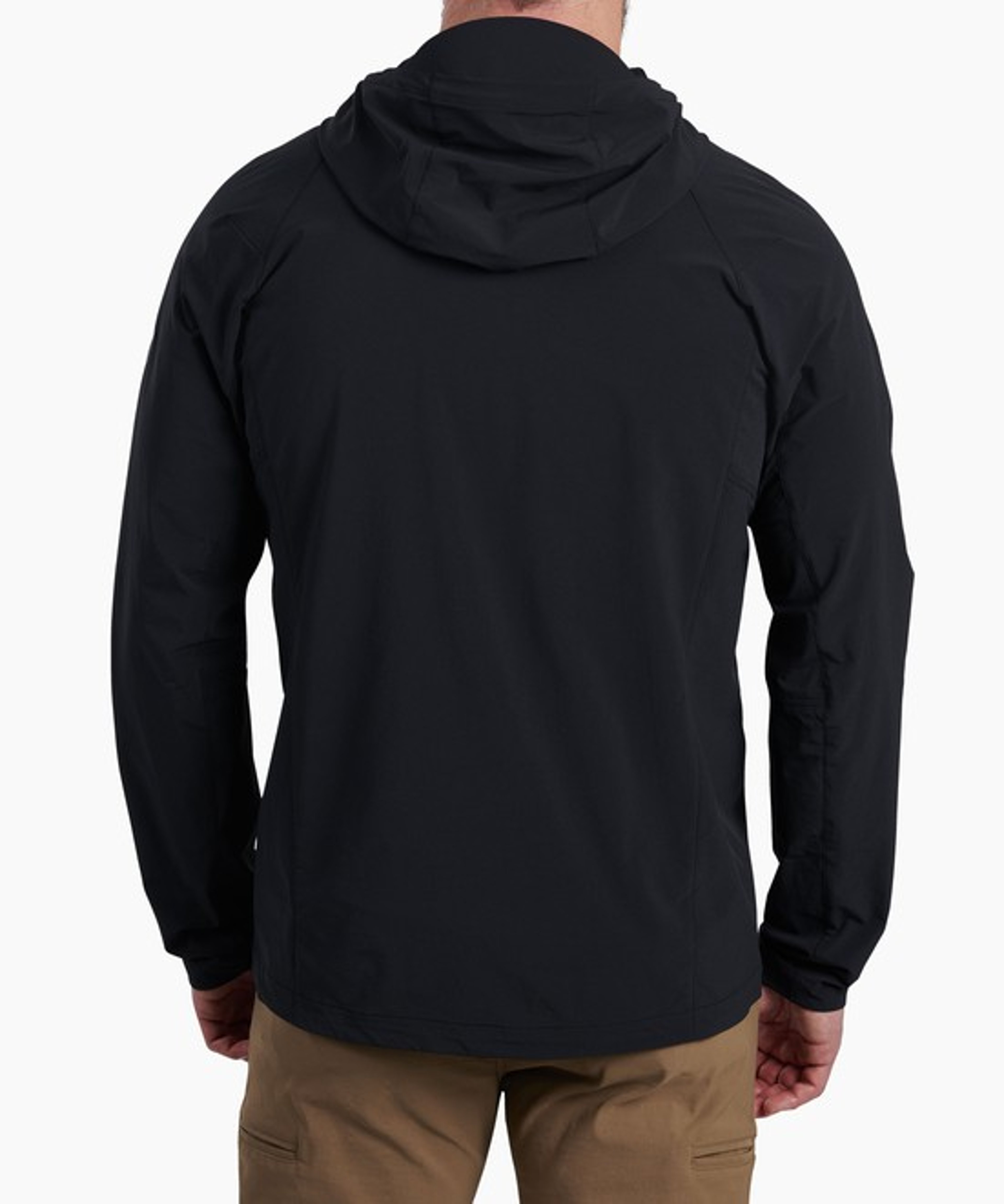
Everyday Weather Protection. A stretch-woven face fabric with a DWR finish blocks wind, sheds light moisture, and breathes well enough to wear from a chilly morning commute to an after-work trail. Soft to the touch and tough where it counts, the softshell is the layer most guys reach for nine months of the year.
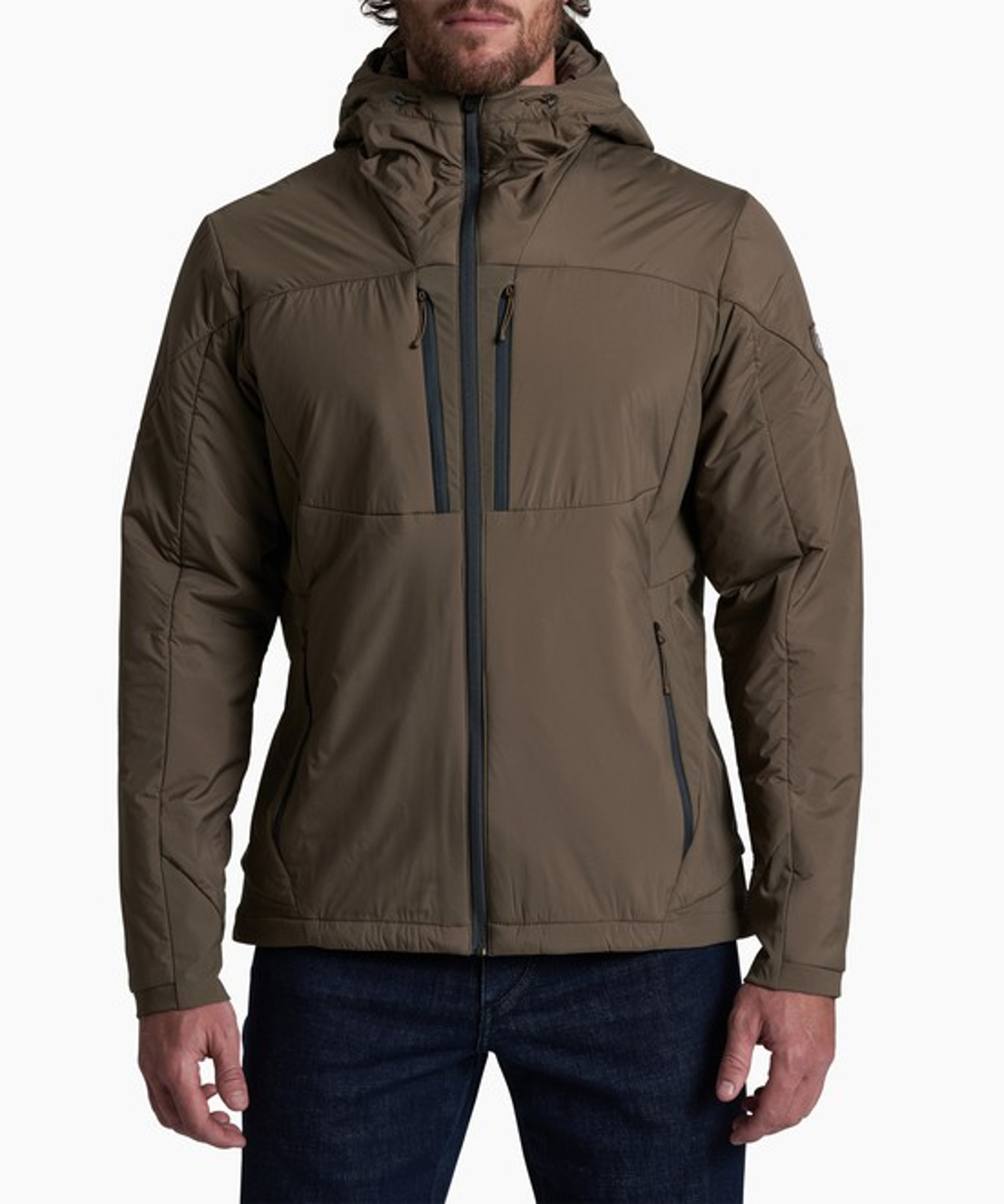
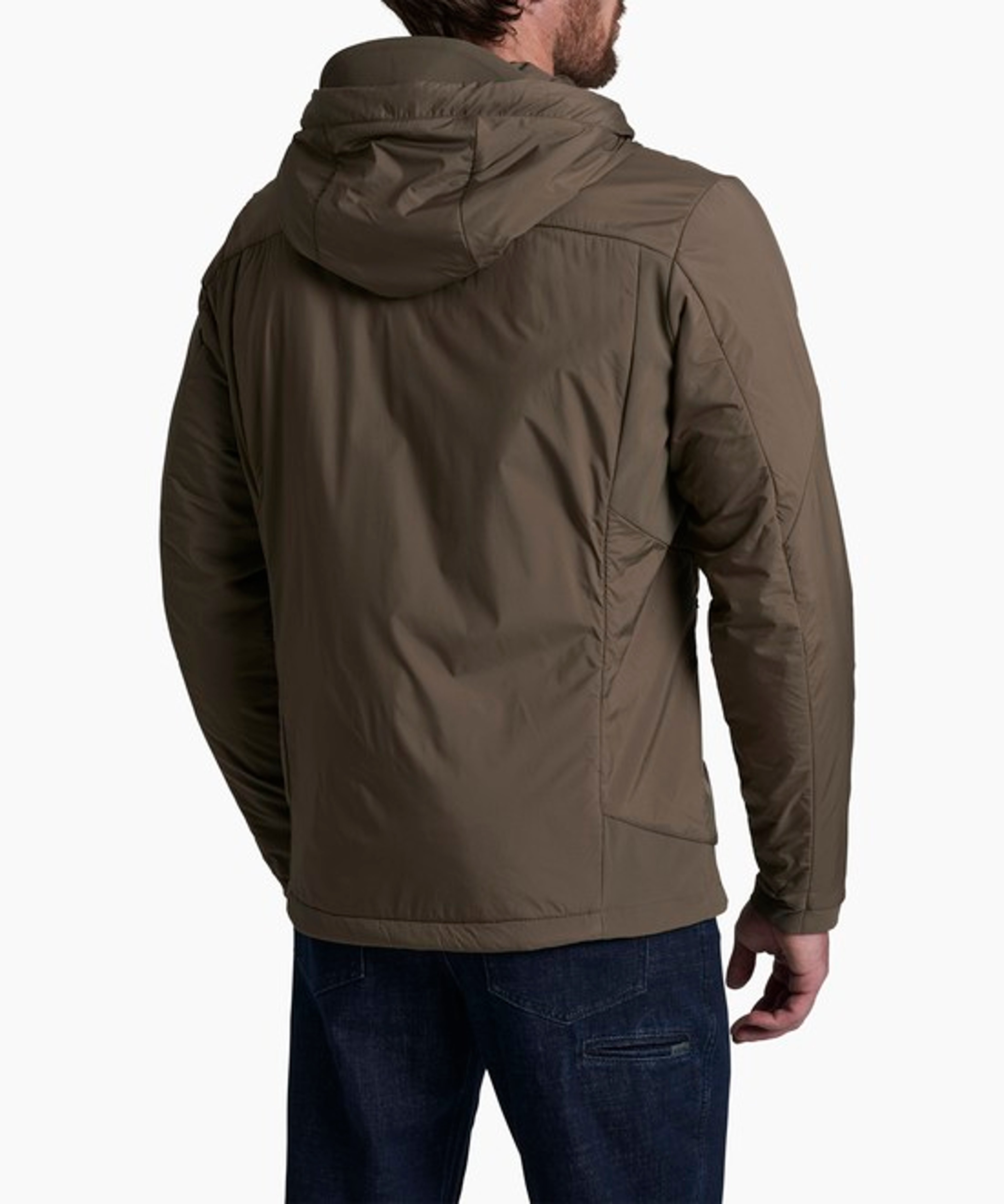
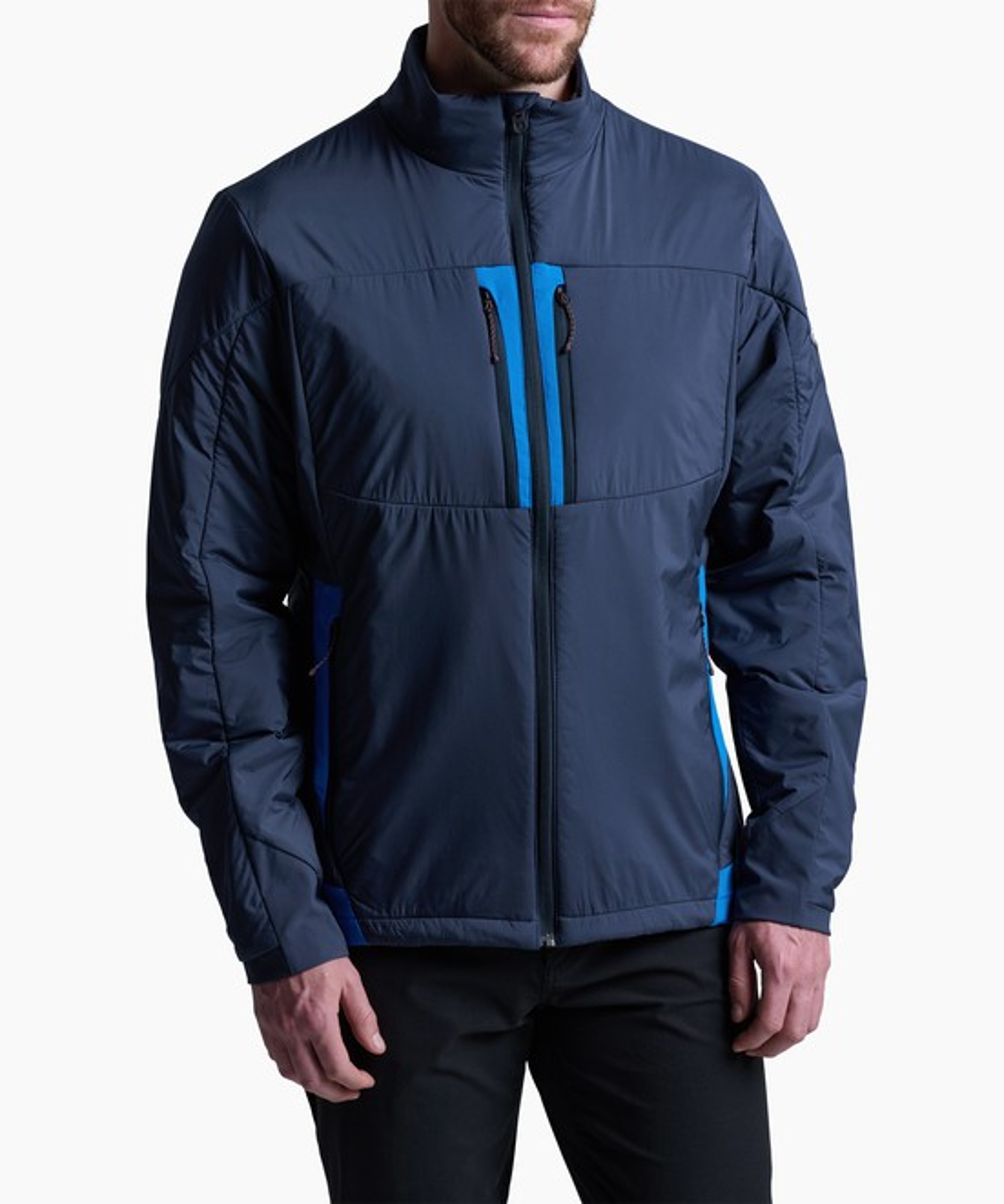
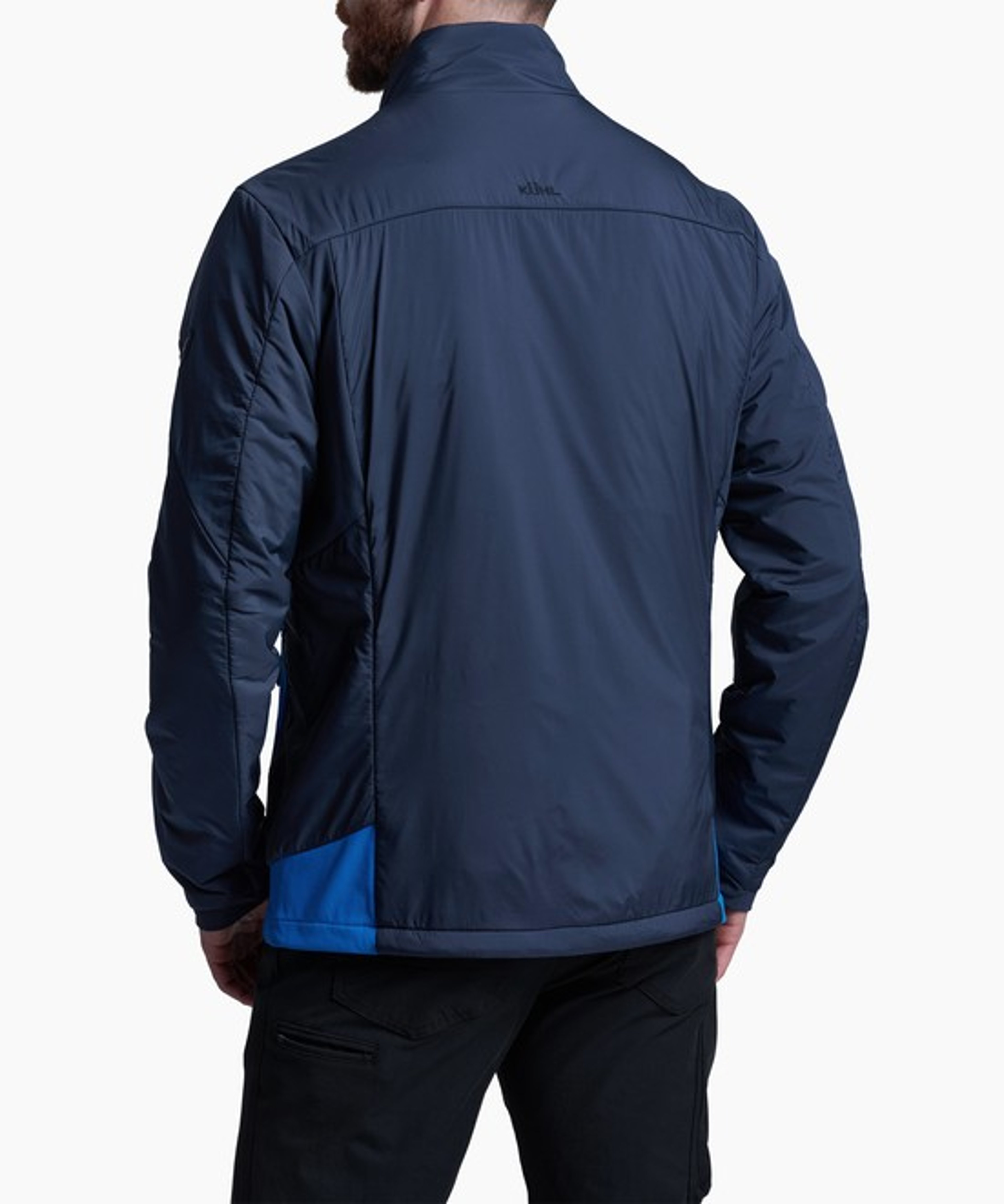
Insulated Softshell Construction. When temperatures drop, look for styles that pair a softshell exterior with body-mapped synthetic insulation (heavier in the chest and core, lighter under the arms) so you stay warm without overheating on the move. A brushed or grid-fleece interior adds low-bulk core warmth and keeps layering smooth over a men's fleece or baselayer.
Vest and Sleeveless Builds. For high-output days where your arms need to breathe but your core needs warmth, a softshell vest cuts wind across the chest and back while leaving your shoulders free for full range of motion.
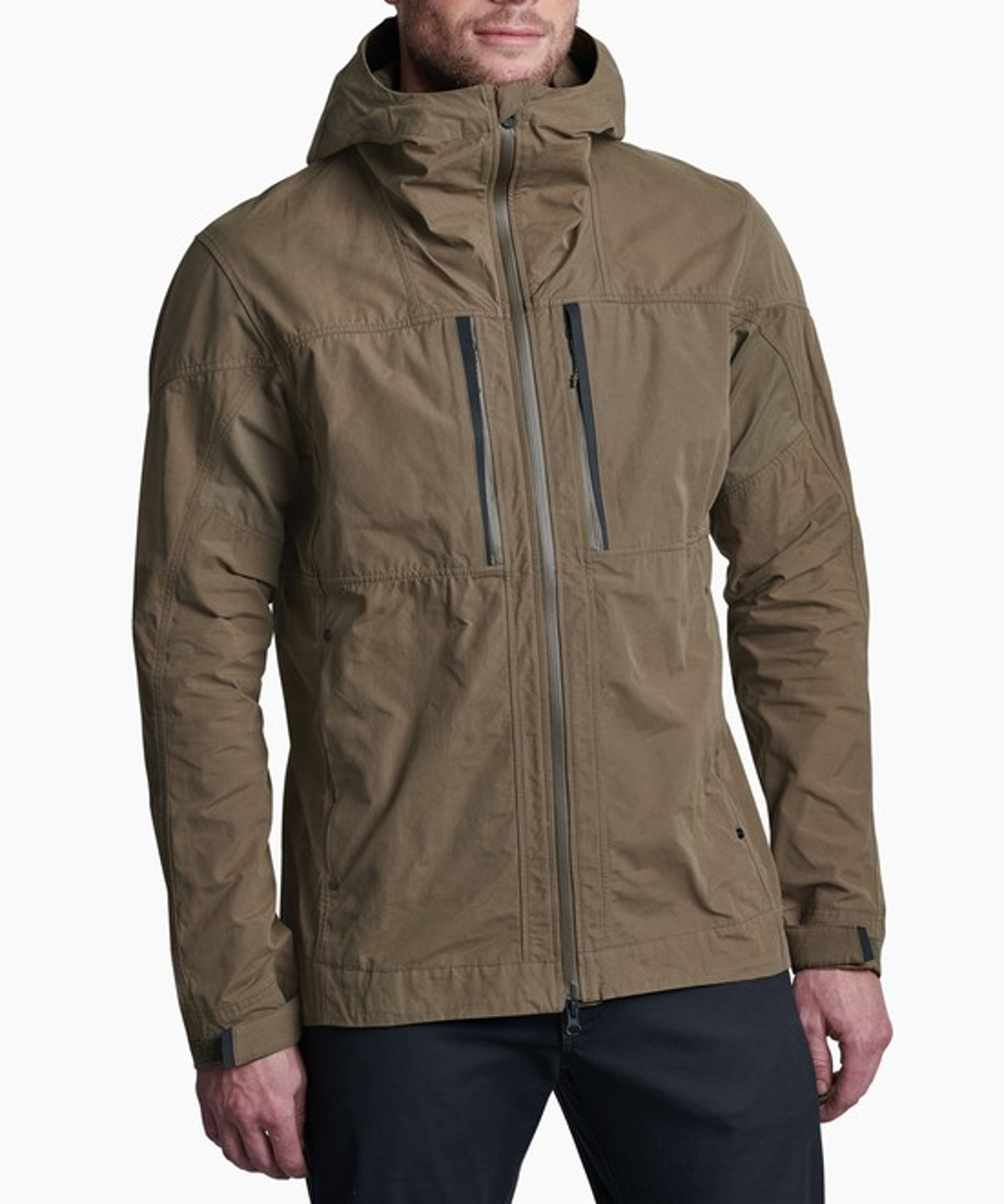
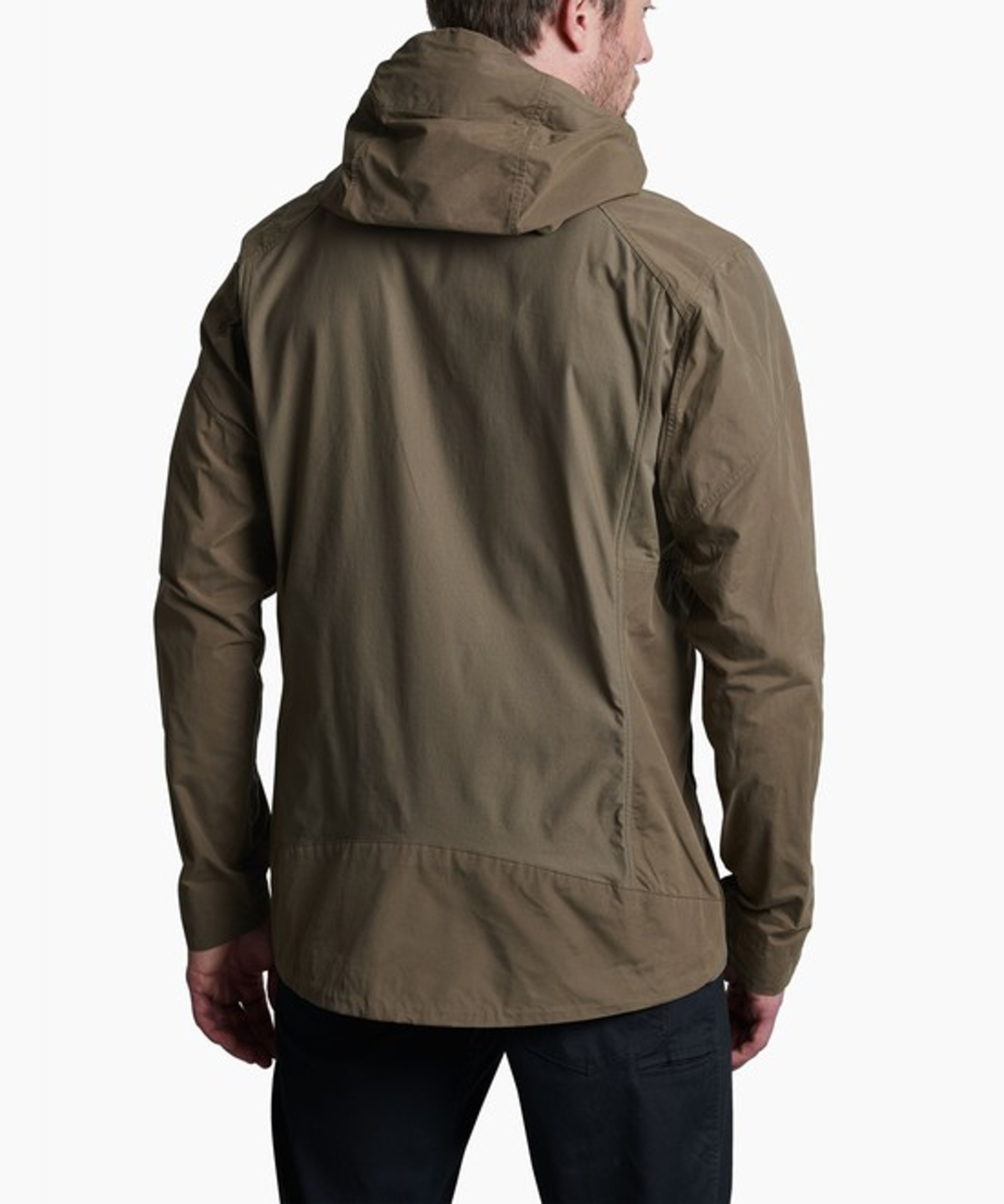
Waxed and Hybrid Construction. Tough waxed ripstop panels combined with stretch softshell sections deliver weather resistance where you take the most abuse and airflow where you need to move. It's the build for guys who don't want to choose between a workwear jacket and a technical shell.
Stretch and Mobility. Articulated patterning, underarm stretch panels, and a clean range of motion are what separate a real softshell from a stiff windbreaker. Reach overhead, swing an axe, scramble a boulder. The jacket goes with you.
For sustained downpours, swap to a men's rain jacket. Softshells handle drizzle and showers, but a true hardshell is built for the storm.
Look for signature touches like articulated patterning for shoulder mobility, zippered chest and hand pockets that stay reachable under a pack, an adjustable hood that fits over a beanie, and UPF 50+ face fabrics on warm-weather builds.
Choose from a variety of fabrics, styles, and features for the men's softshell that's right for you:
Everyday Weather Protection. A stretch-woven face fabric with a DWR finish blocks wind, sheds light moisture, and breathes well enough to wear from a chilly morning commute to an after-work trail. Soft to the touch and tough where it counts, the softshell is the layer most guys reach for nine months of the year.
Insulated Softshell Construction. When temperatures drop, look for styles that pair a softshell exterior with body-mapped synthetic insulation (heavier in the chest and core, lighter under the arms) so you stay warm without overheating on the move. A brushed or grid-fleece interior adds low-bulk core warmth and keeps layering smooth over a men's fleece or baselayer.
Vest and Sleeveless Builds. For high-output days where your arms need to breathe but your core needs warmth, a softshell vest cuts wind across the chest and back while leaving your shoulders free for full range of motion.
Waxed and Hybrid Construction. Tough waxed ripstop panels combined with stretch softshell sections deliver weather resistance where you take the most abuse and airflow where you need to move. It's the build for guys who don't want to choose between a workwear jacket and a technical shell.
Stretch and Mobility. Articulated patterning, underarm stretch panels, and a clean range of motion are what separate a real softshell from a stiff windbreaker. Reach overhead, swing an axe, scramble a boulder. The jacket goes with you.
For sustained downpours, swap to a men's rain jacket. Softshells handle drizzle and showers, but a true hardshell is built for the storm.
Look for signature touches like articulated patterning for shoulder mobility, zippered chest and hand pockets that stay reachable under a pack, an adjustable hood that fits over a beanie, and UPF 50+ face fabrics on warm-weather builds.
KÜHL men's softshell jackets pair stretch, wind protection, and breathability, built for everyday wear and active days on the trail.
What should you look for in men's softshell?
A good men's softshell balances wind protection, light moisture resistance, and breathability for active use. Look for a stretch-woven face fabric with a DWR finish to shed showers and drizzle, plus a brushed or grid-fleece interior for warmth without bulk. Articulated patterning and underarm stretch panels keep the shoulders free on climbs and scrambles. Fit matters too: trim enough to layer under a hardshell, roomy enough to wear over a midweight midlayer.
What's the difference between a hardshell, softshell, and insulated jacket?
A hardshell is a waterproof outer layer built around a membrane and taped seams. A softshell trades full waterproofing for stretch, breathability, and wind resistance. An insulated jacket adds down or synthetic fill for warmth. Softshells live in the sweet spot, warmer than a windbreaker, more breathable than a shell, and built to move. For sleeve-free core warmth, see our men's vests.
How do you choose between down and synthetic insulation?
Down offers the best warmth-to-weight ratio and packs smaller. Synthetic insulation keeps insulating when wet and dries faster. Pick down for cold, dry conditions where pack space matters. Pick synthetic for damp, variable weather: shoulder-season hikes, coastal trips, freeze-thaw cycles. Many softshell-insulated hybrids use body-mapped synthetic fill, placing heavier insulation in the chest and core and lighter insulation under the arms.
Are softshell waterproof or just water-resistant?
Most softshells are water-resistant, not waterproof. A DWR finish causes light rain to bead and roll off, and a tightly woven face fabric blocks wind, but sustained downpours will eventually soak through. That's the trade-off for breathability and stretch, and it's why softshells excel on dry, cold, or showery days. When the forecast turns wet, layer one under a hardshell or swap to a dedicated rain shell.
How should a softshell fit for layering?
A softshell should fit close enough to trap warmth but leave room for a baselayer and a midweight fleece without binding at the shoulders or chest. Reach overhead. The hem shouldn't ride up past your hips, and the cuffs shouldn't pull away from your wrists. Look for articulated sleeves, gusseted underarms, and a back hem that drops slightly for coverage when crouching. Hood-equipped styles should accommodate a beanie or a helmet, depending on use.
What features matter most when hiking or backpacking?
Prioritize ventilation, pocket access, and a hood that works under load. Underarm stretch panels or mesh-lined vents dump heat on climbs, while chest and high-set hand pockets stay reachable above a hipbelt. An adjustable hood and cuffs seal out wind on exposed ridgelines. A ripstop or abrasion-resistant face fabric earns its weight against brush, granite, and pack straps. For colder objectives, carry a packable insulated men's jacket as a stand-by warm layer.