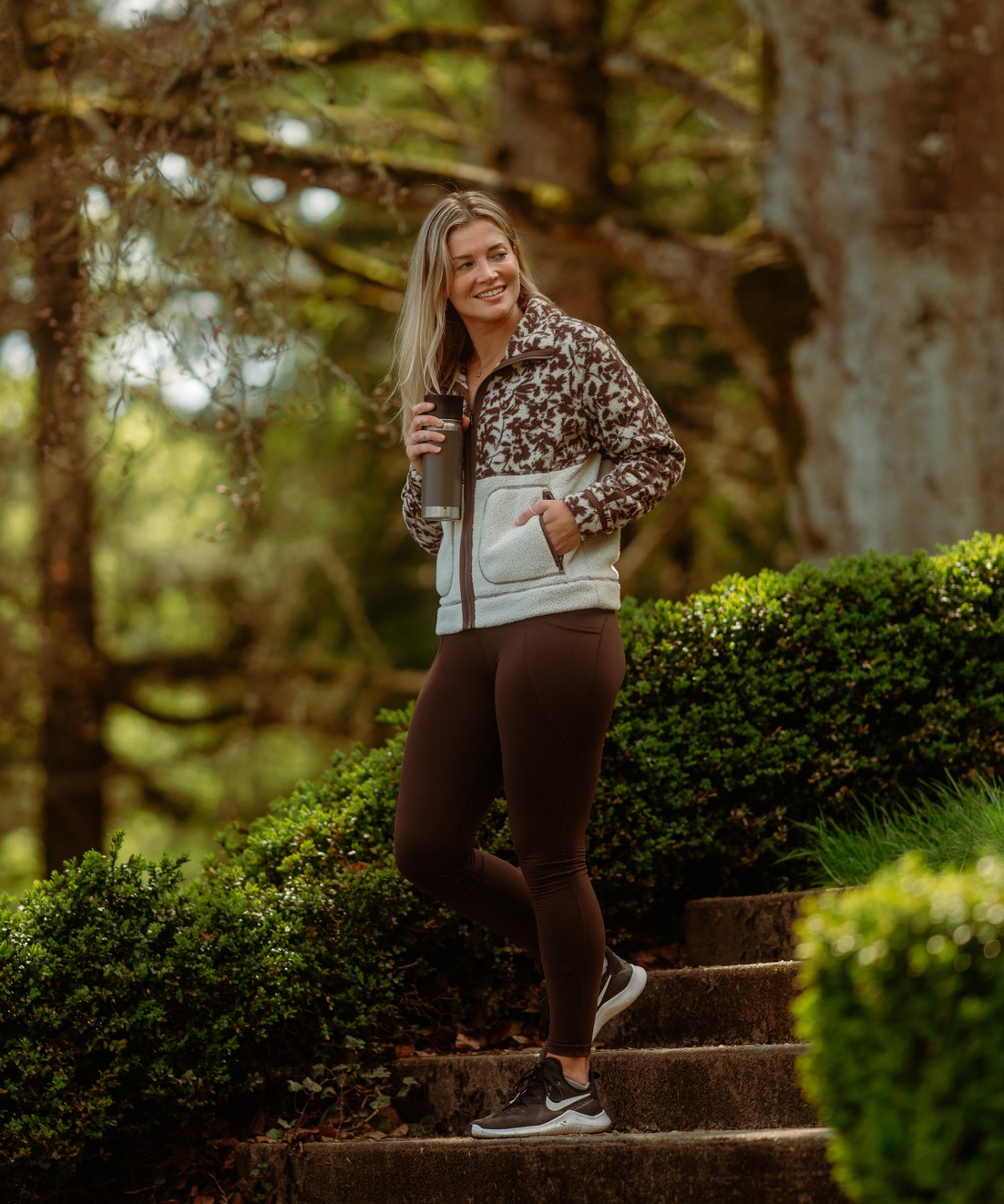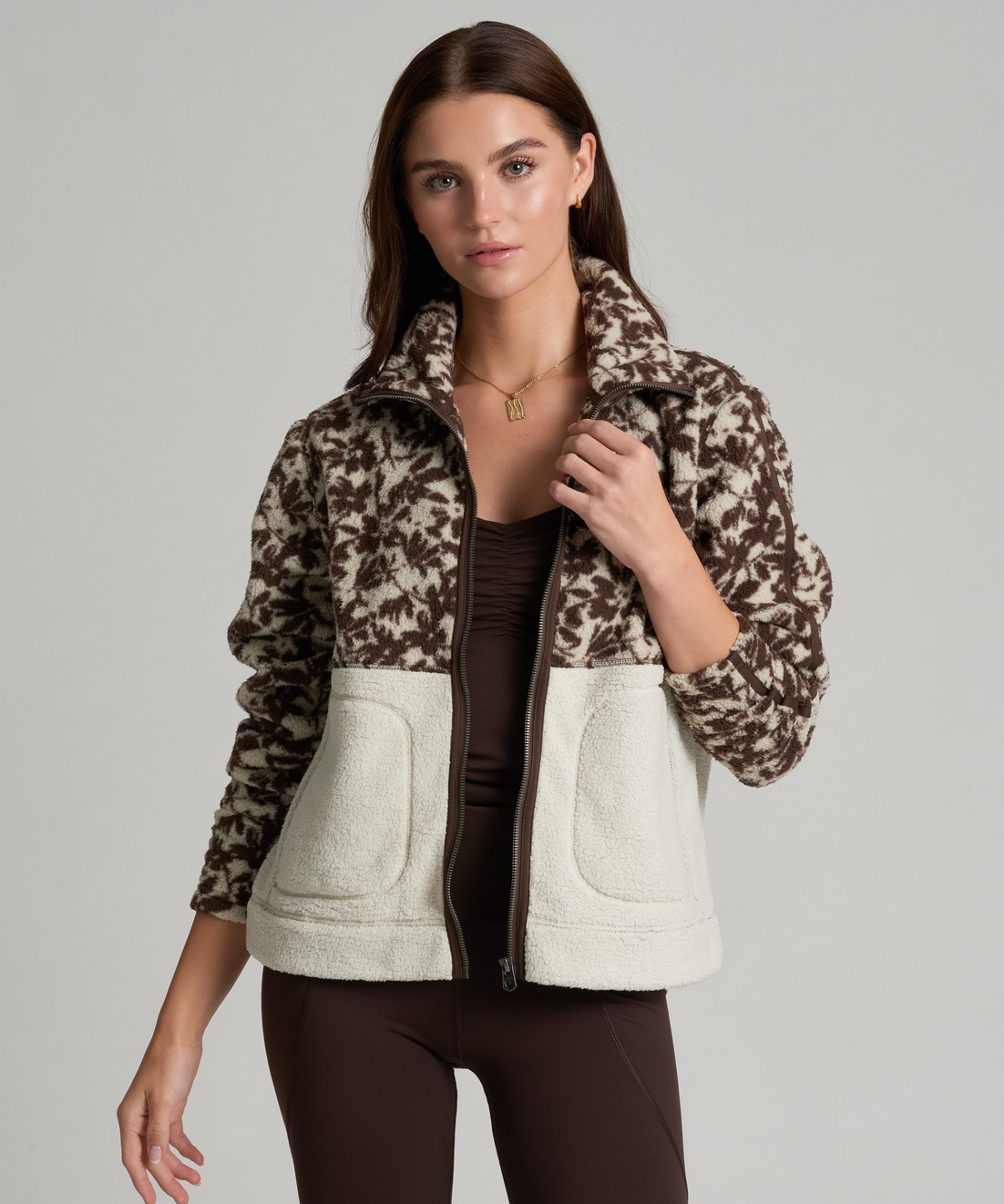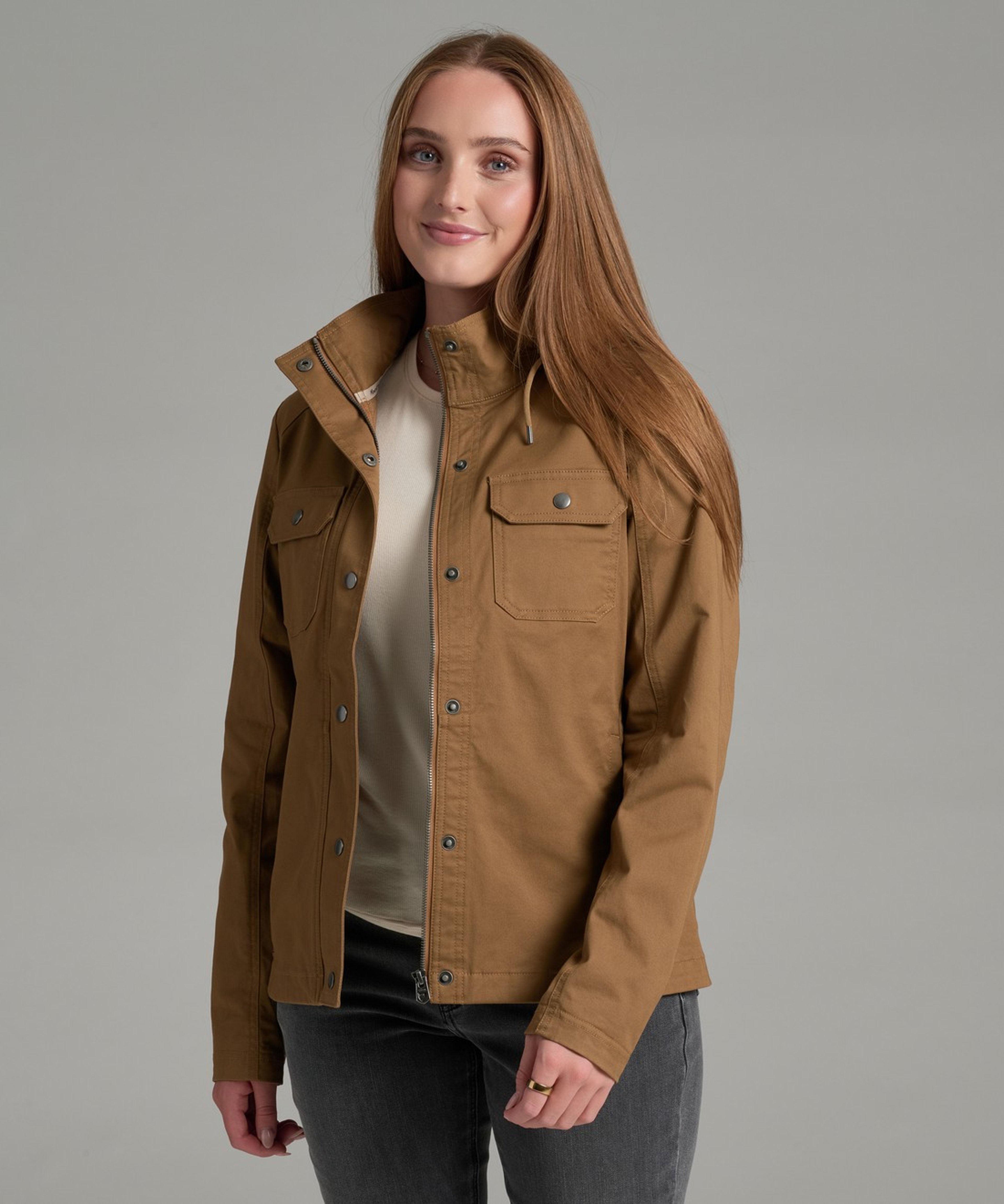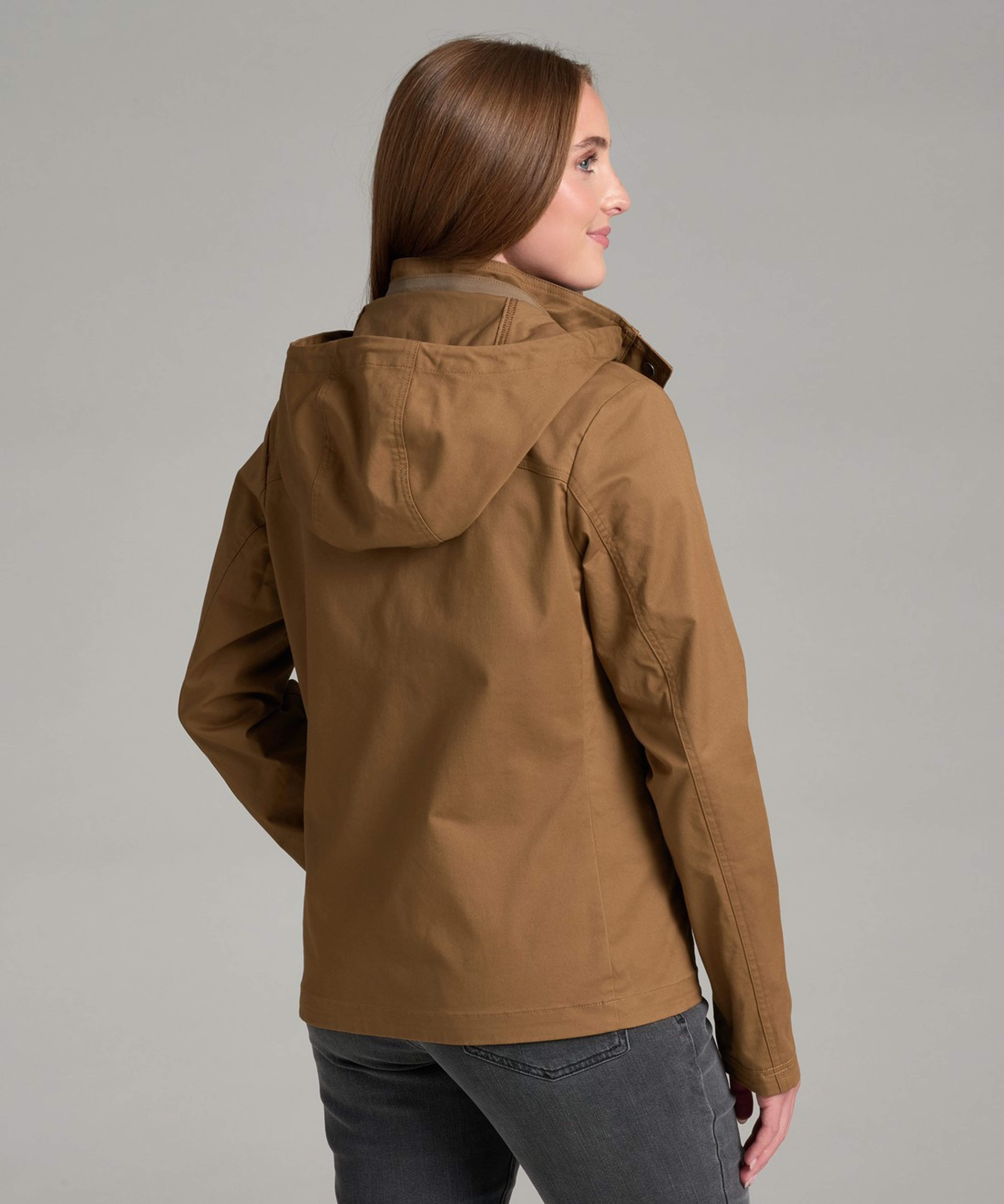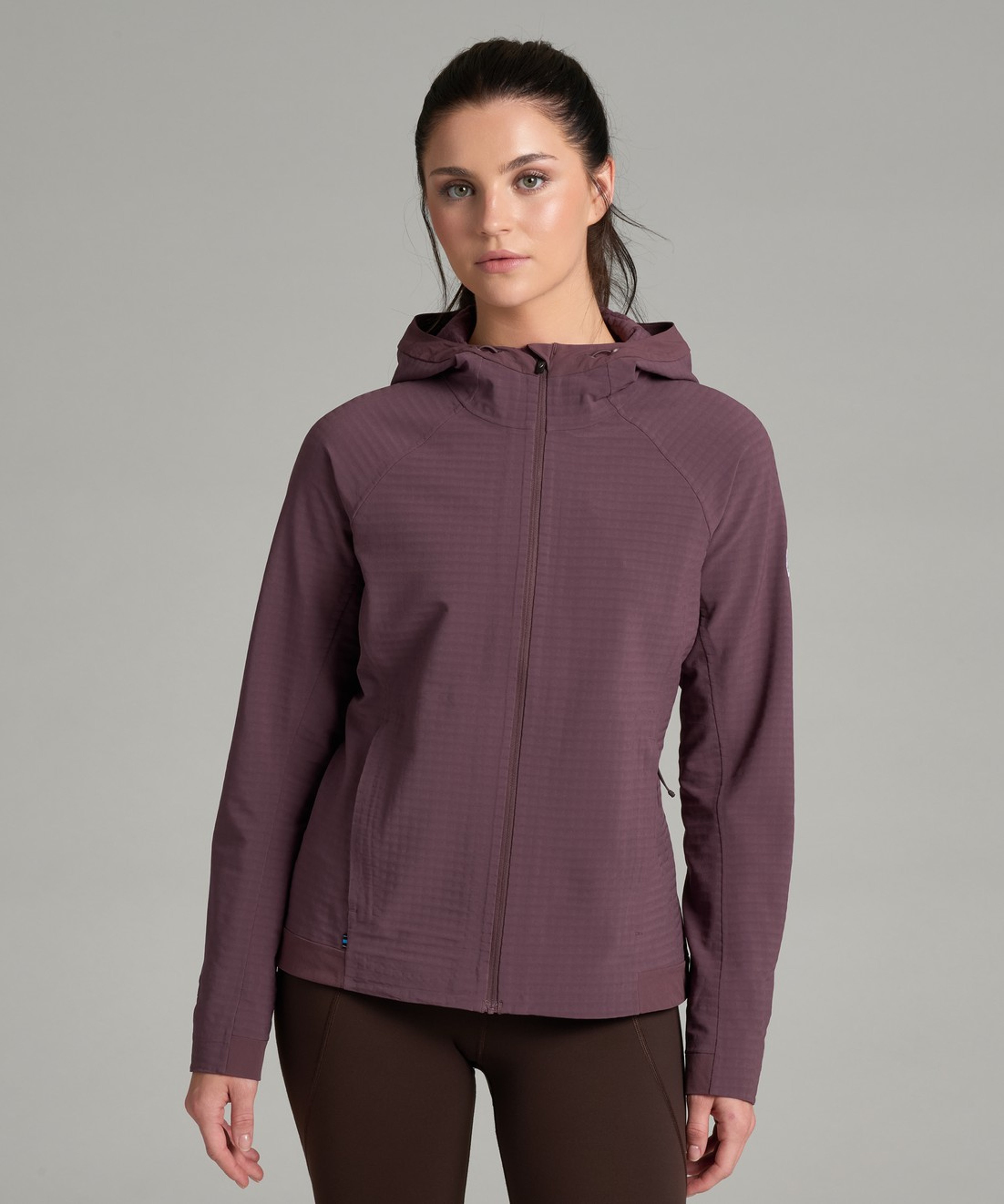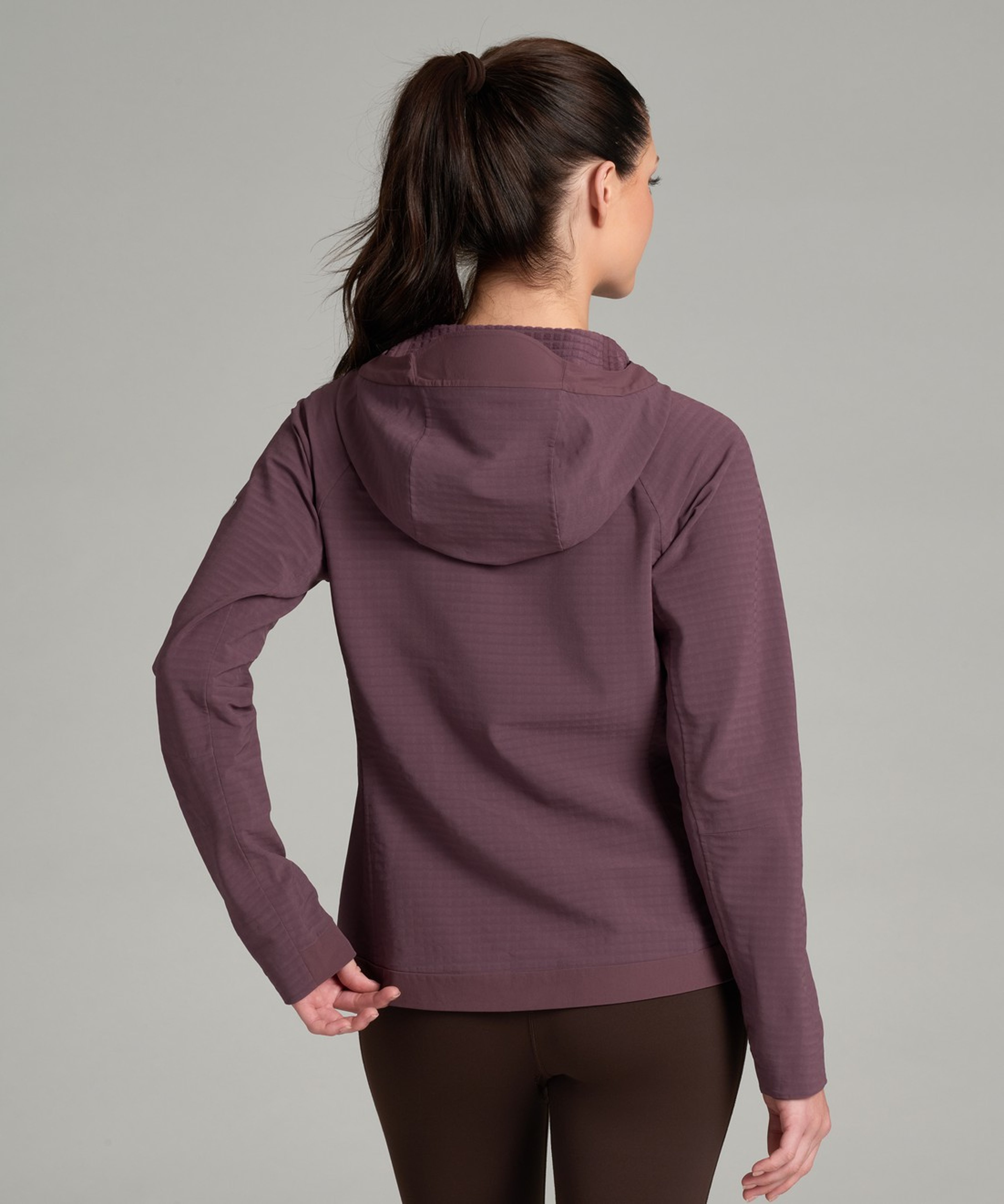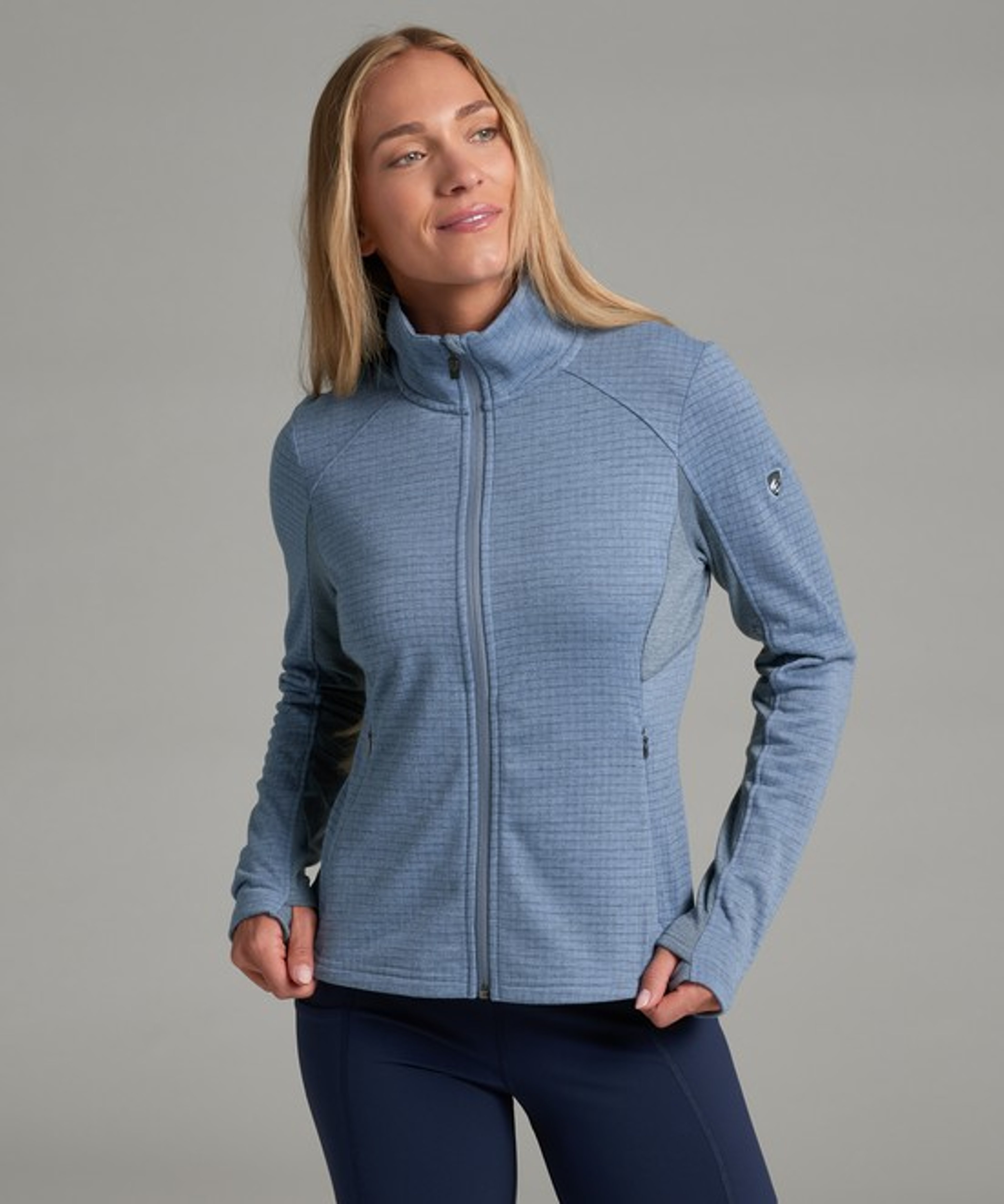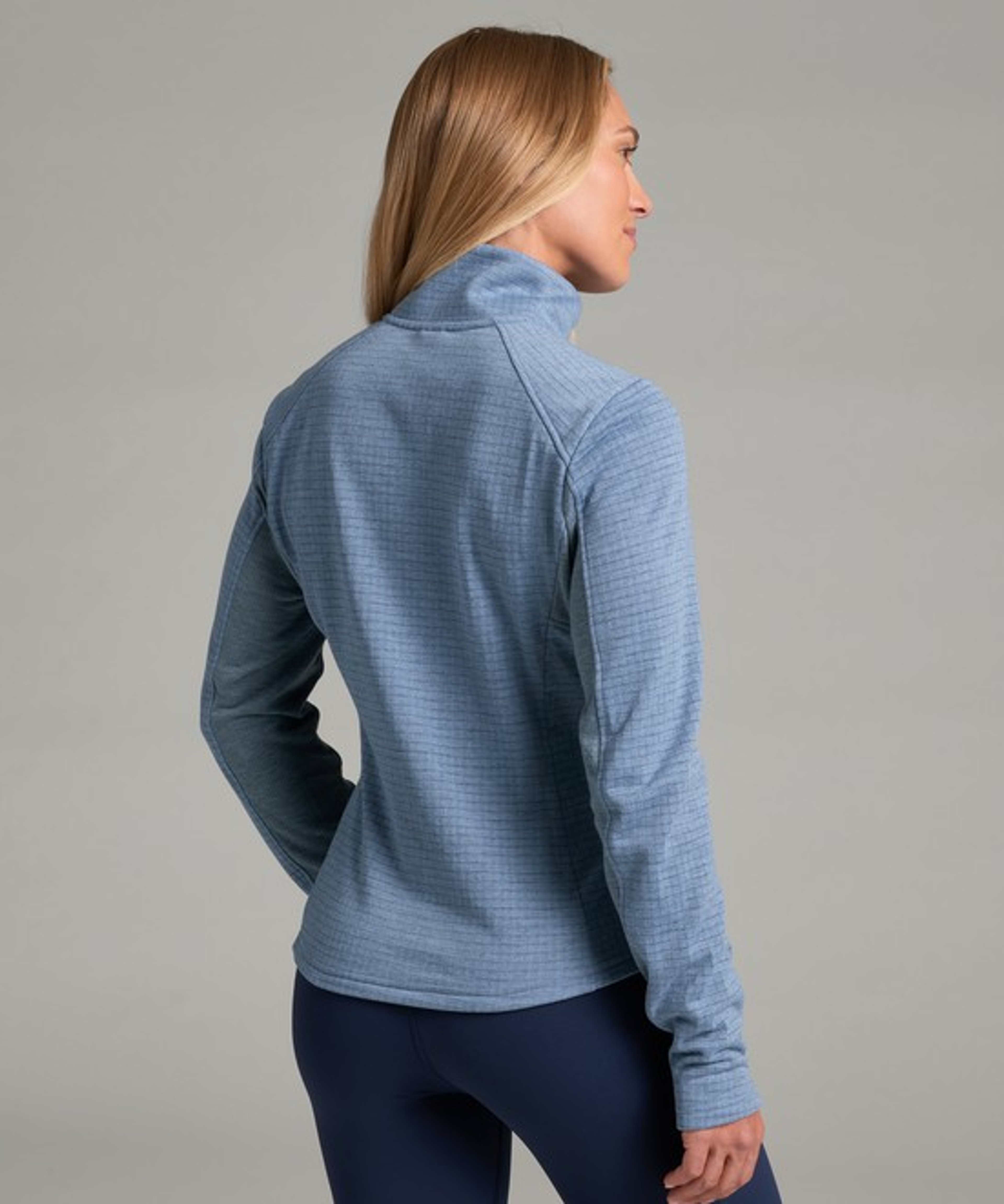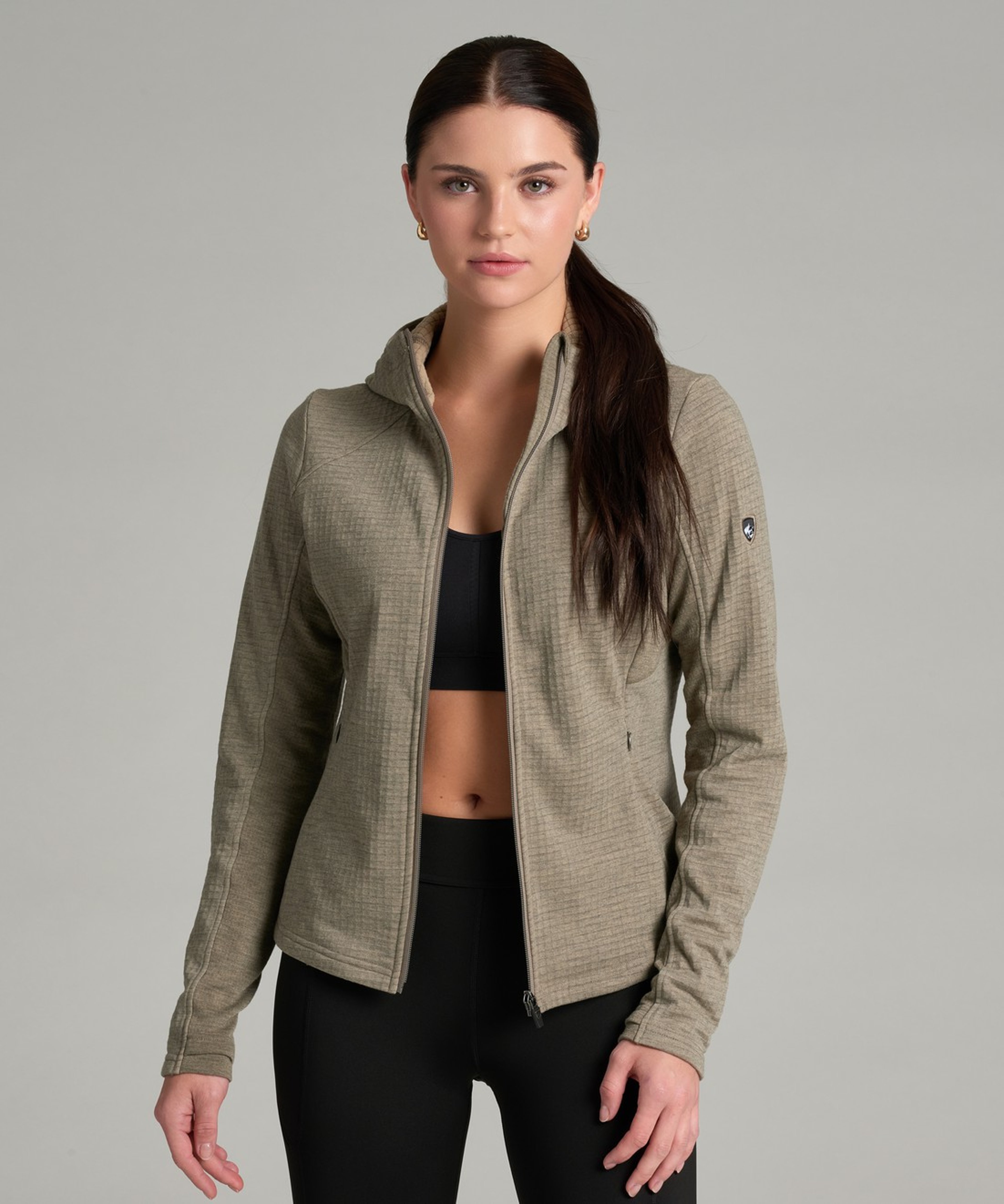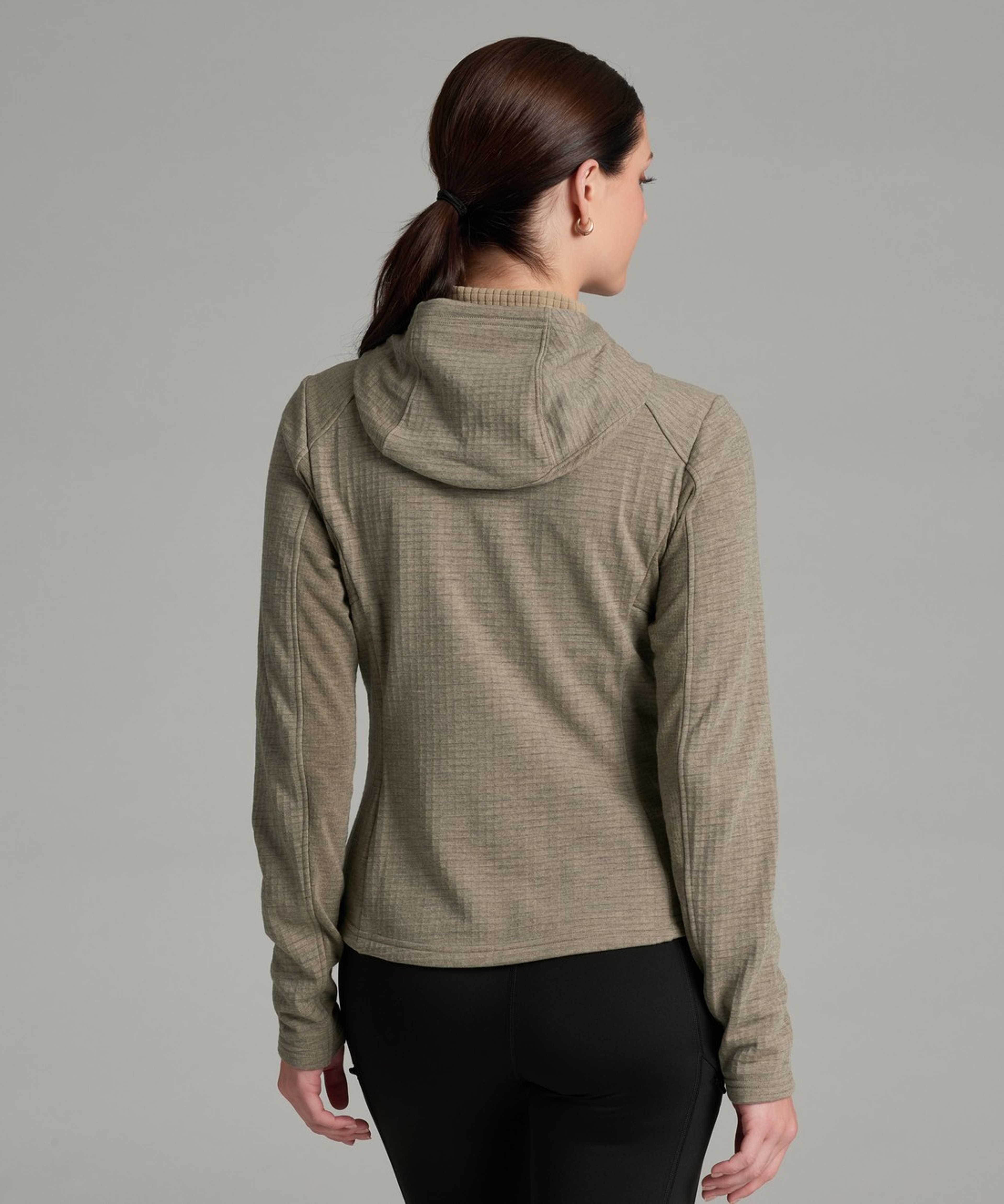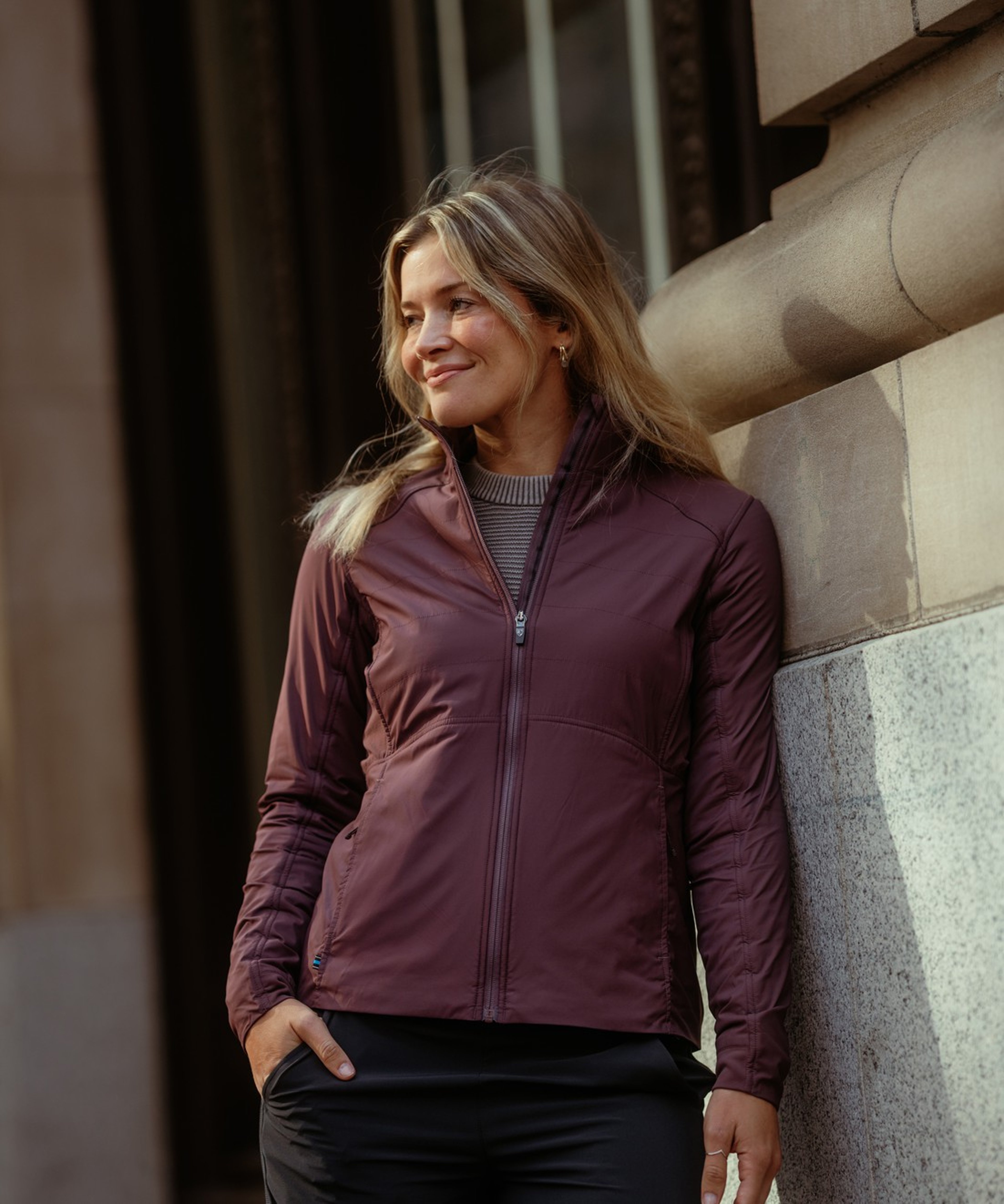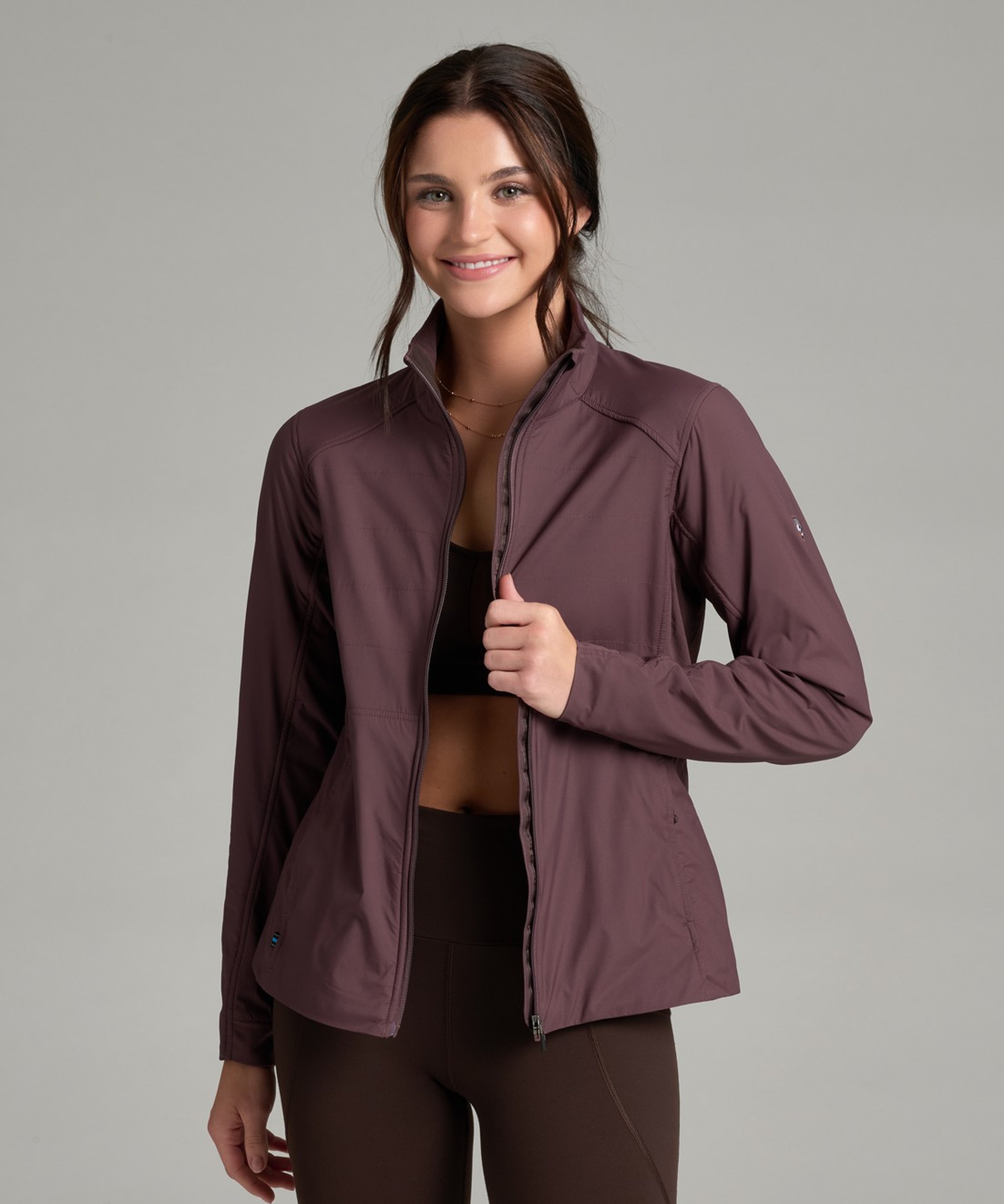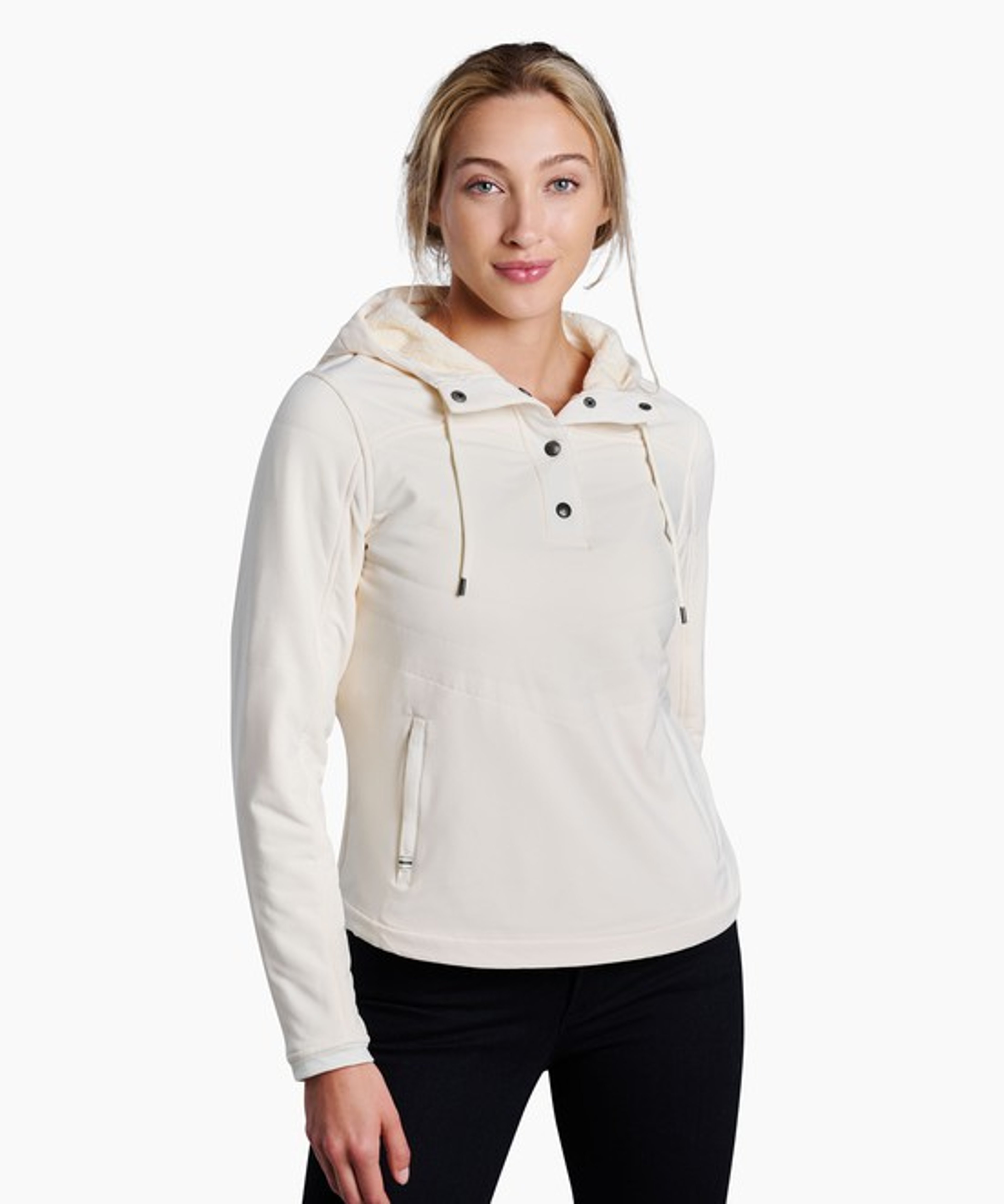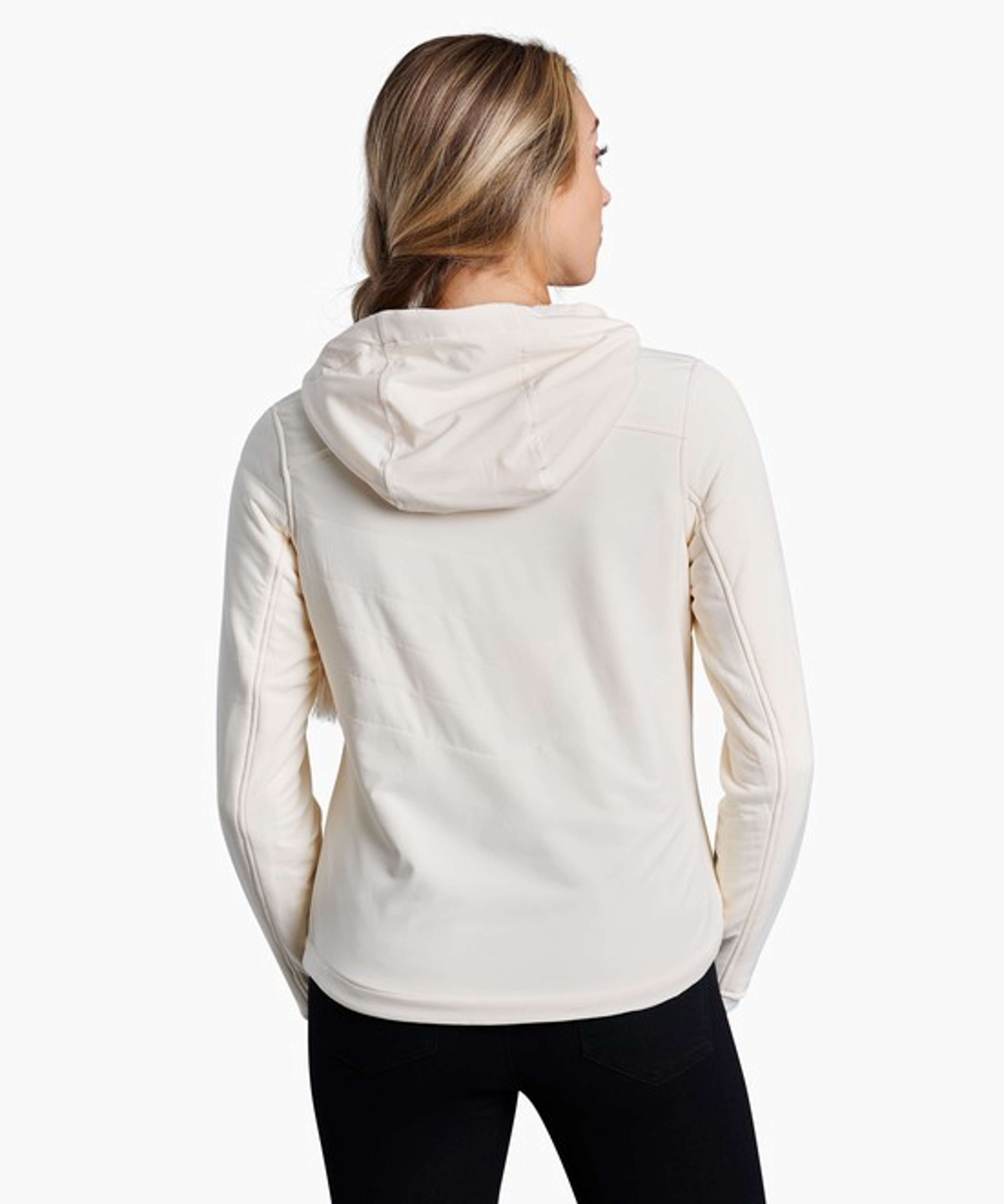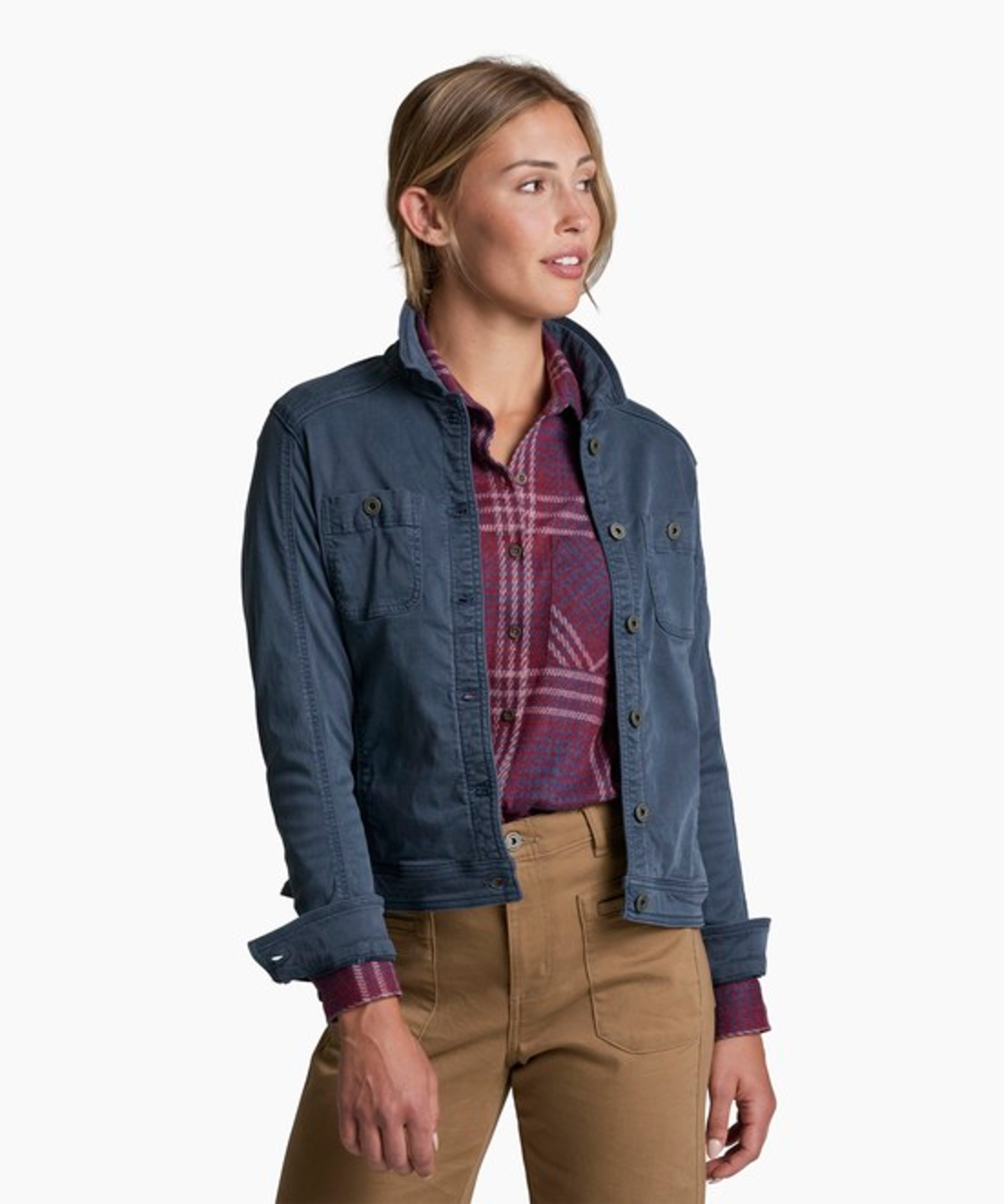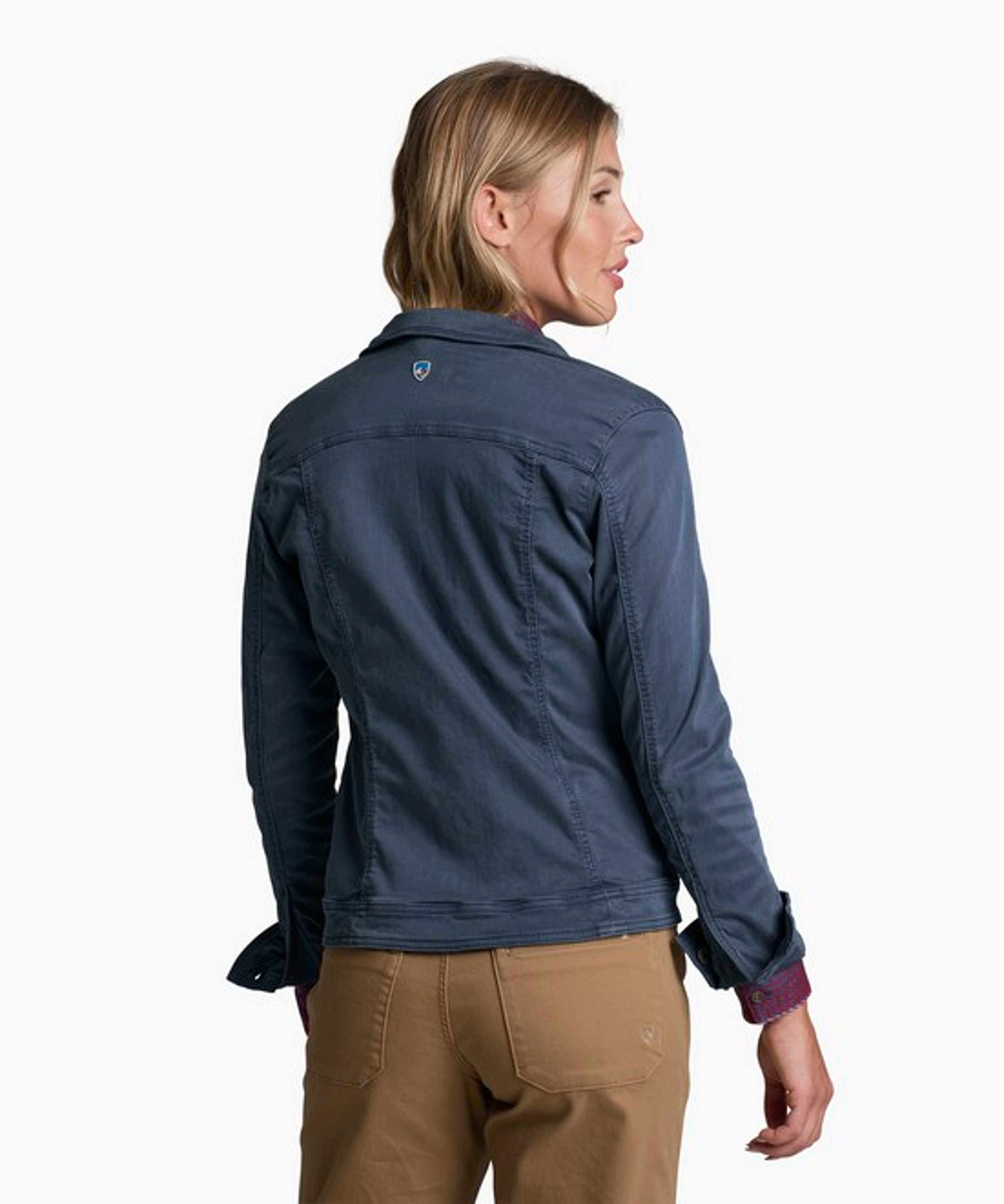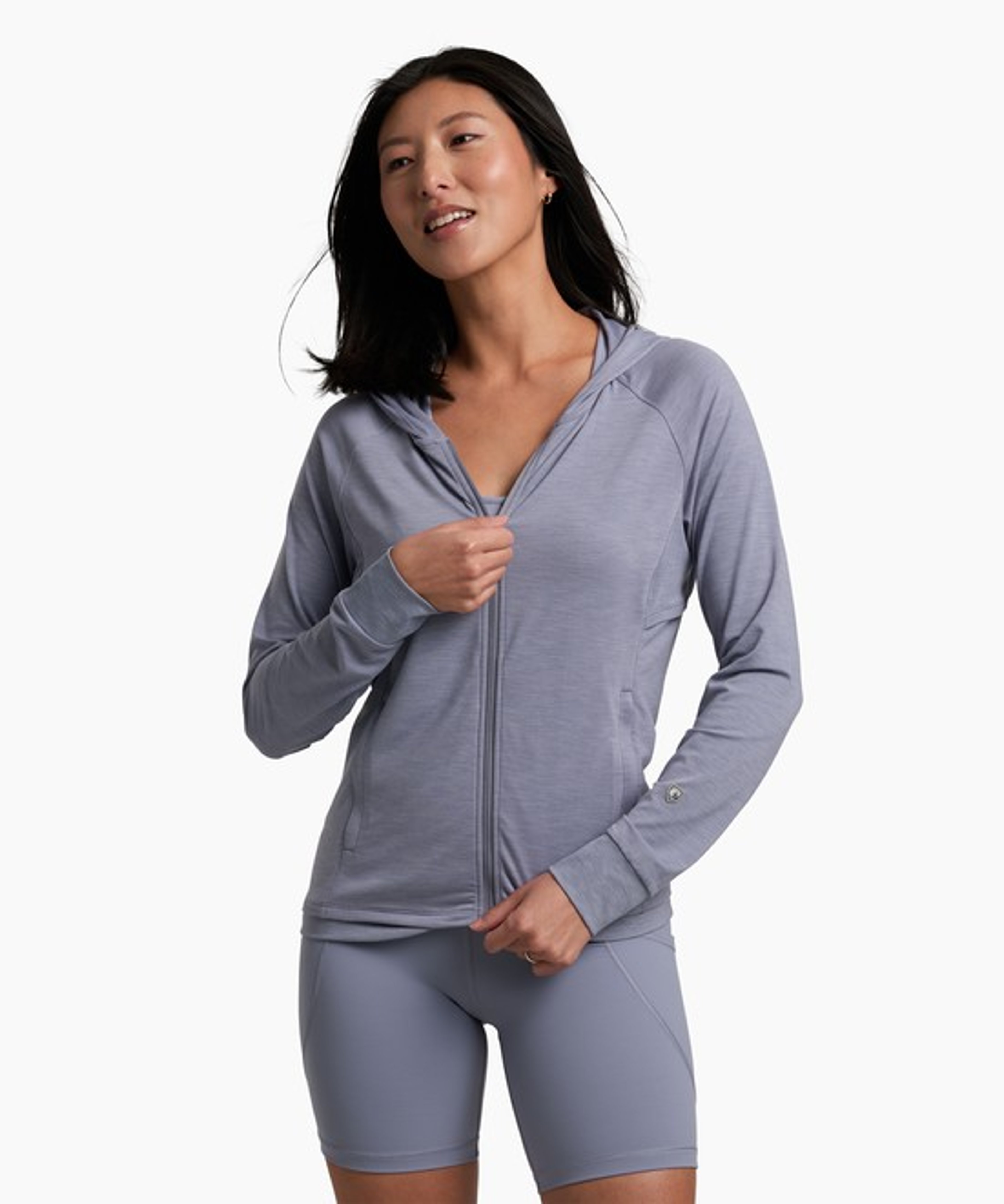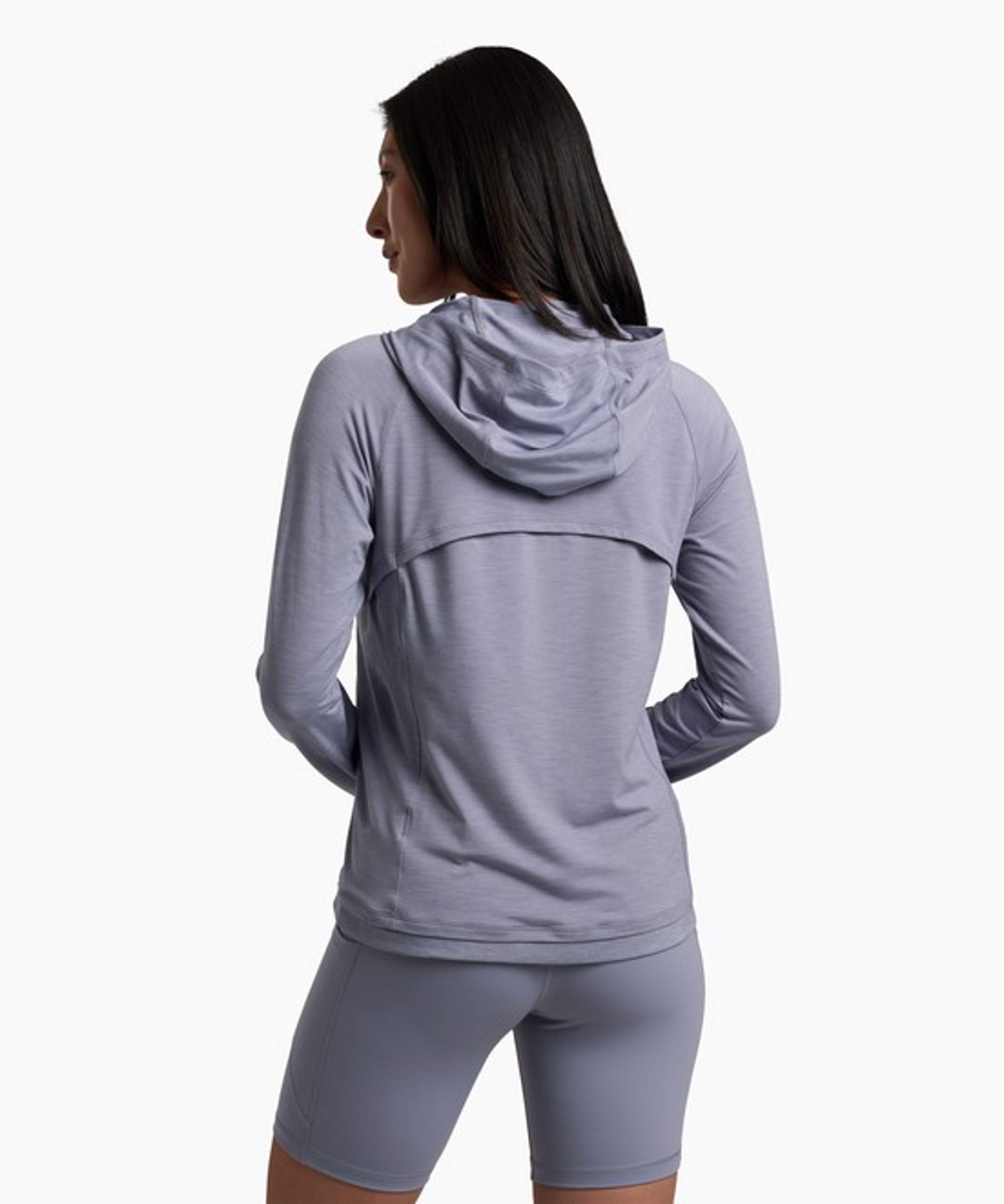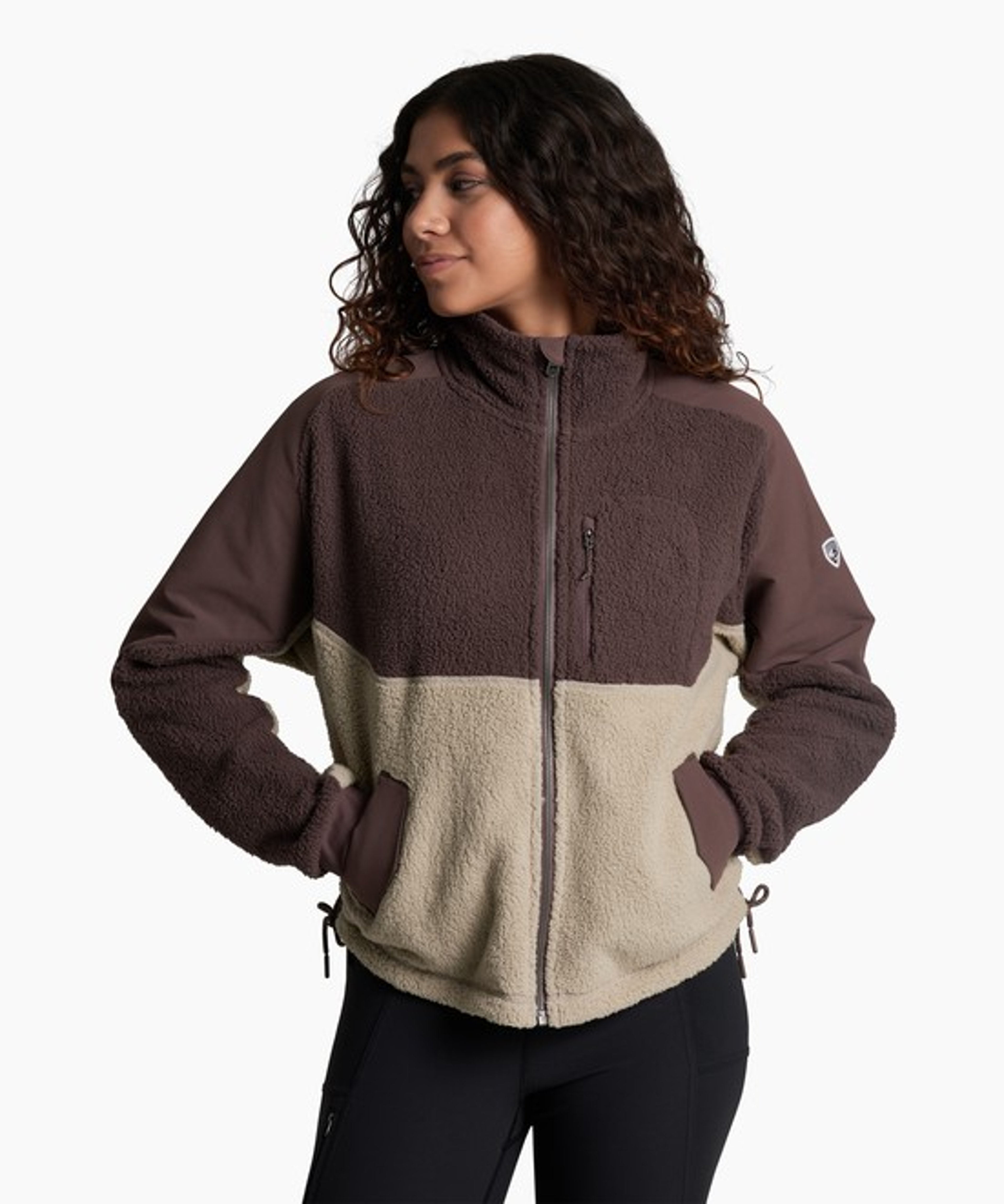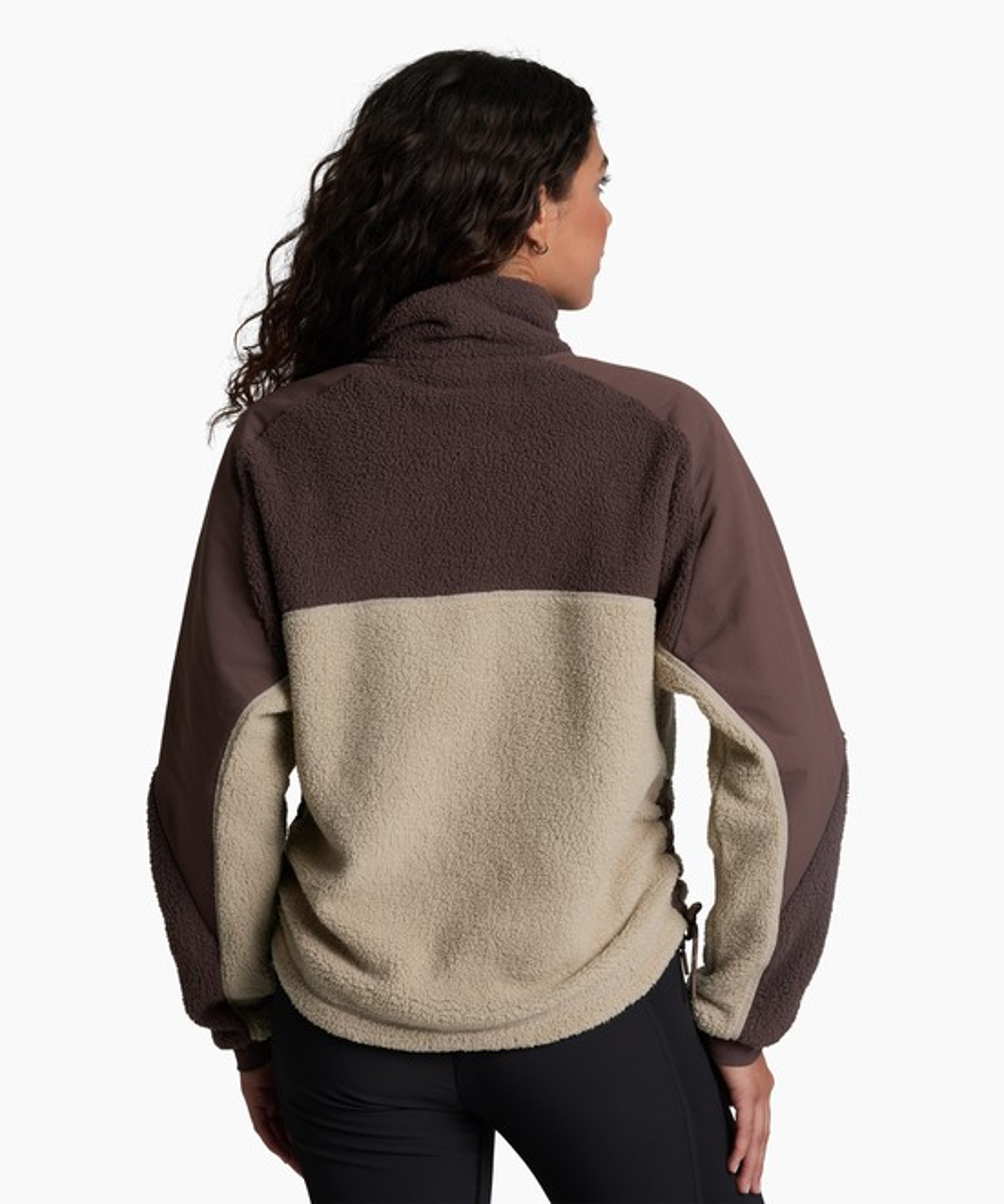





Women's Lightweight Jackets
Move Light, Move Far in KÜHL Women's Lightweight Jackets
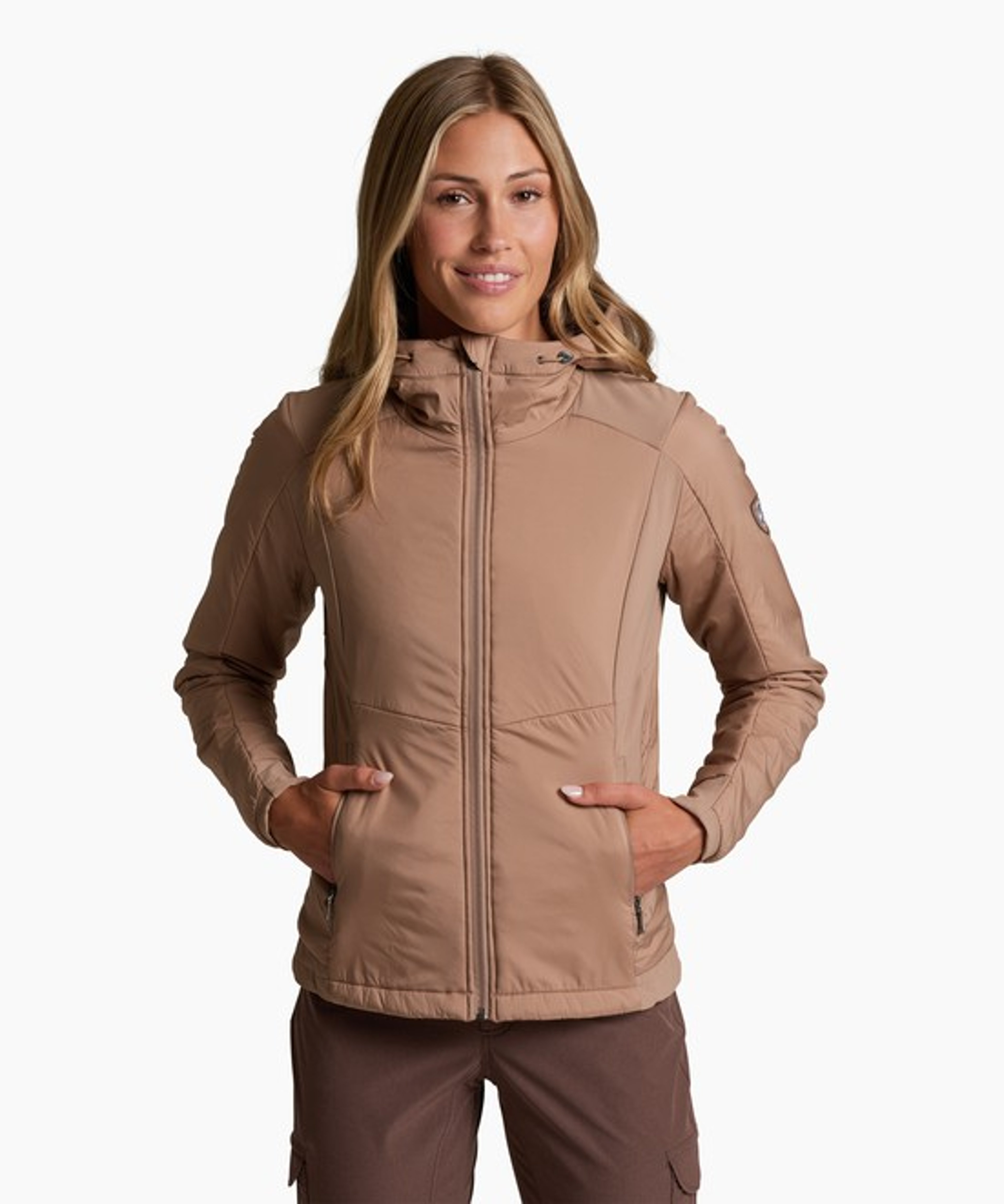
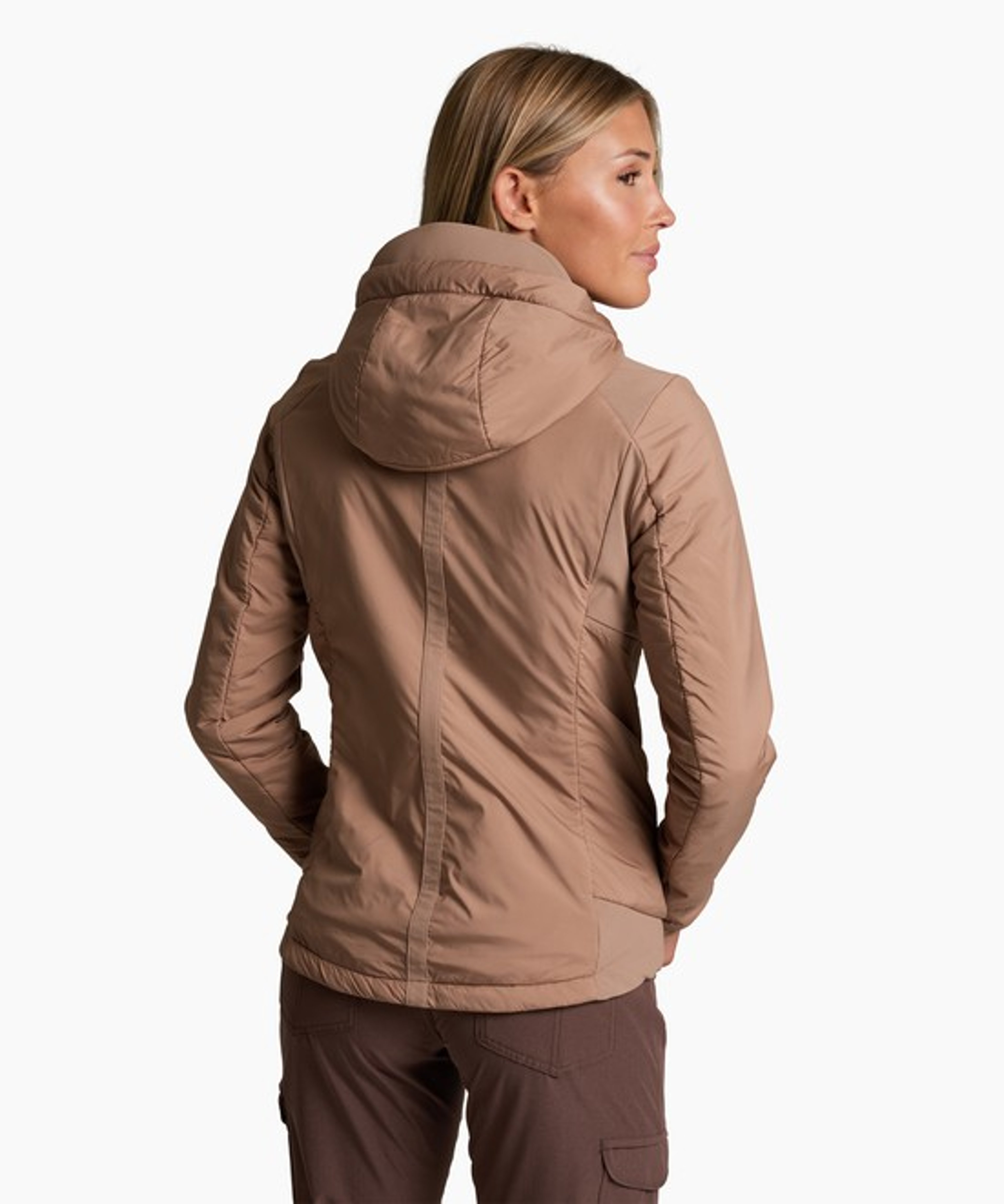
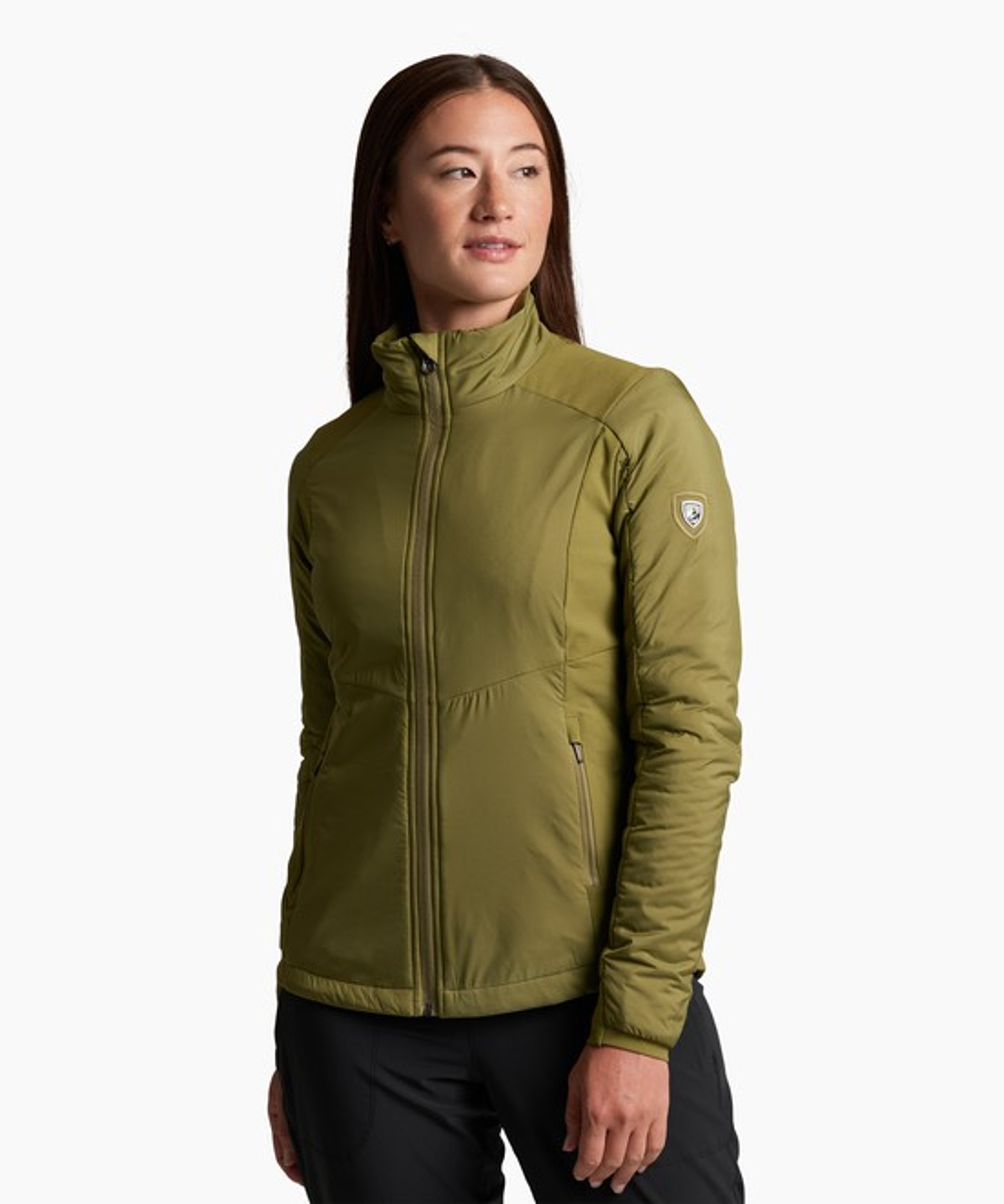
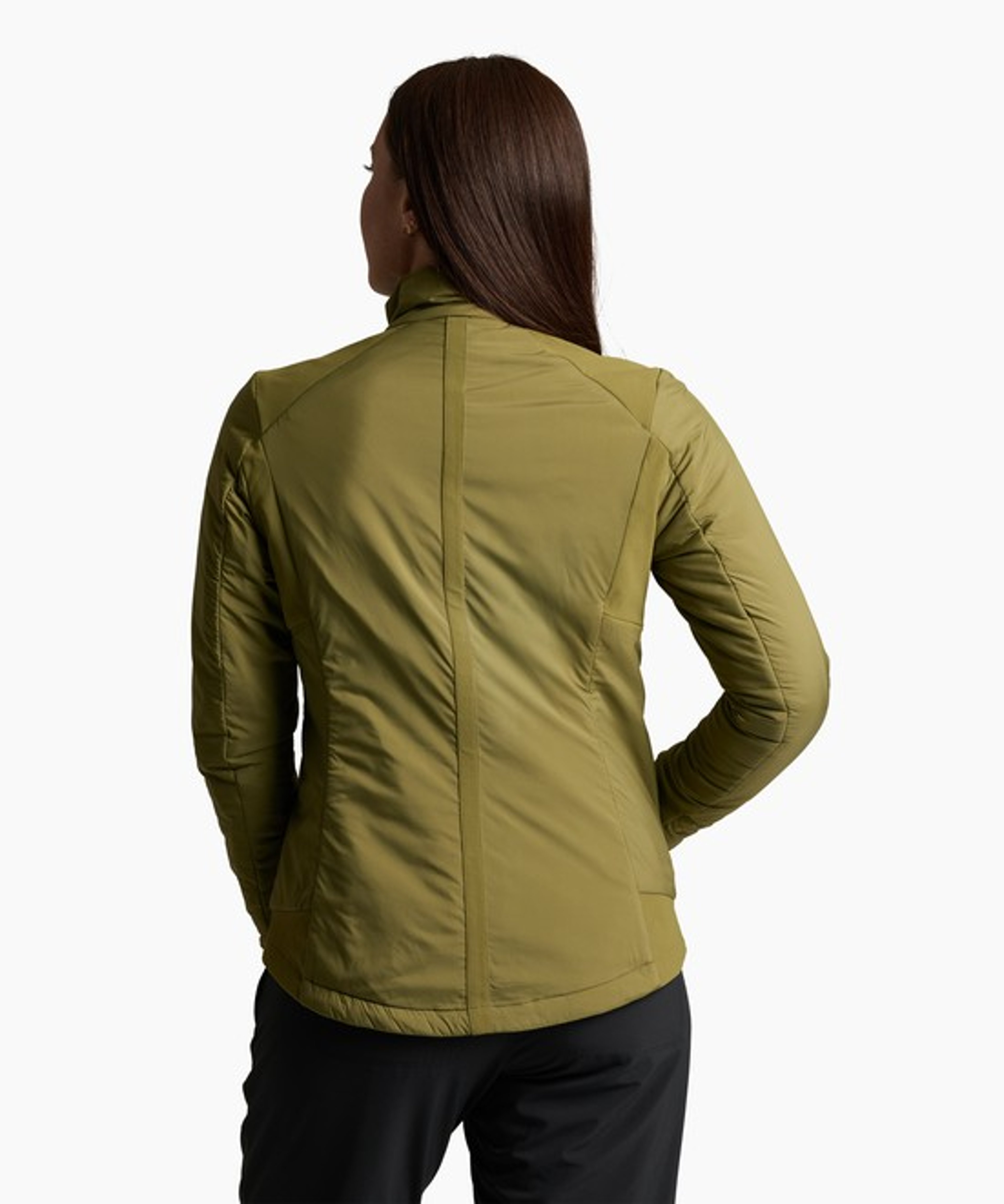
Built for shoulder-season miles, unpredictable travel days, and the layer-on/layer-off rhythm of a real day outside. These are the jackets you reach for when bulk isn't an option but weather still gets a vote.
Choose from a variety of fabrics, styles, and features for the women's lightweight jacket that's right for you:
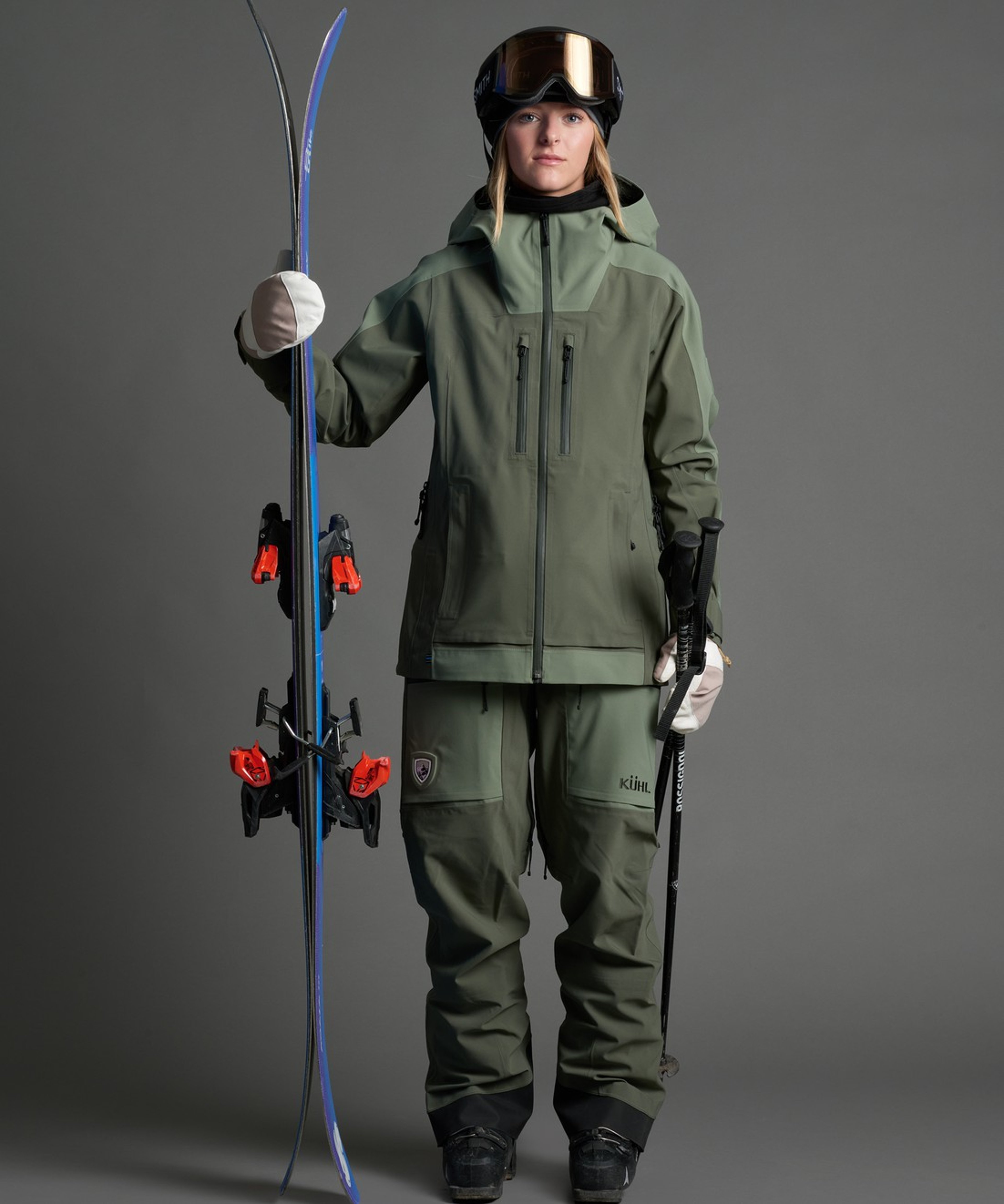
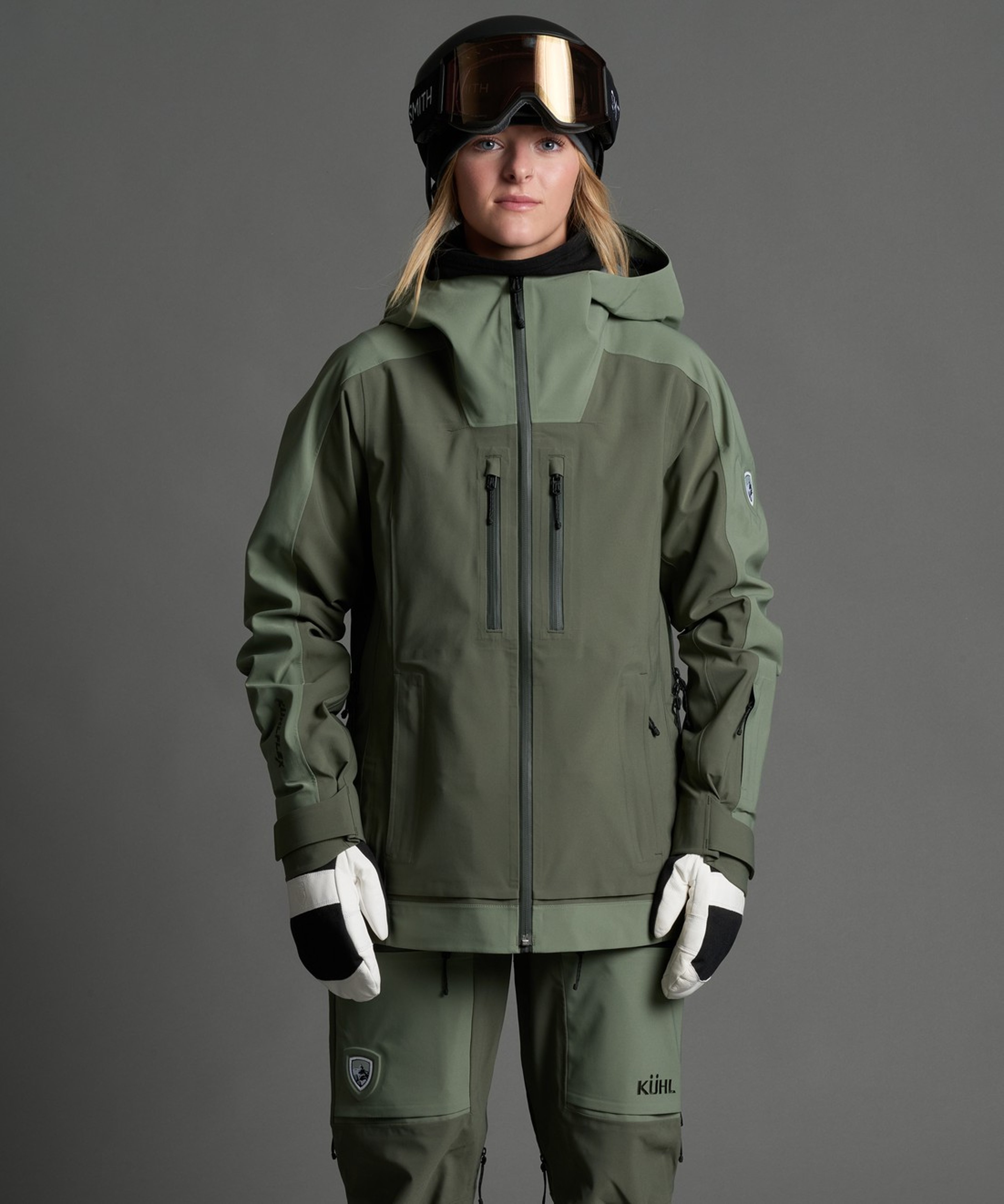
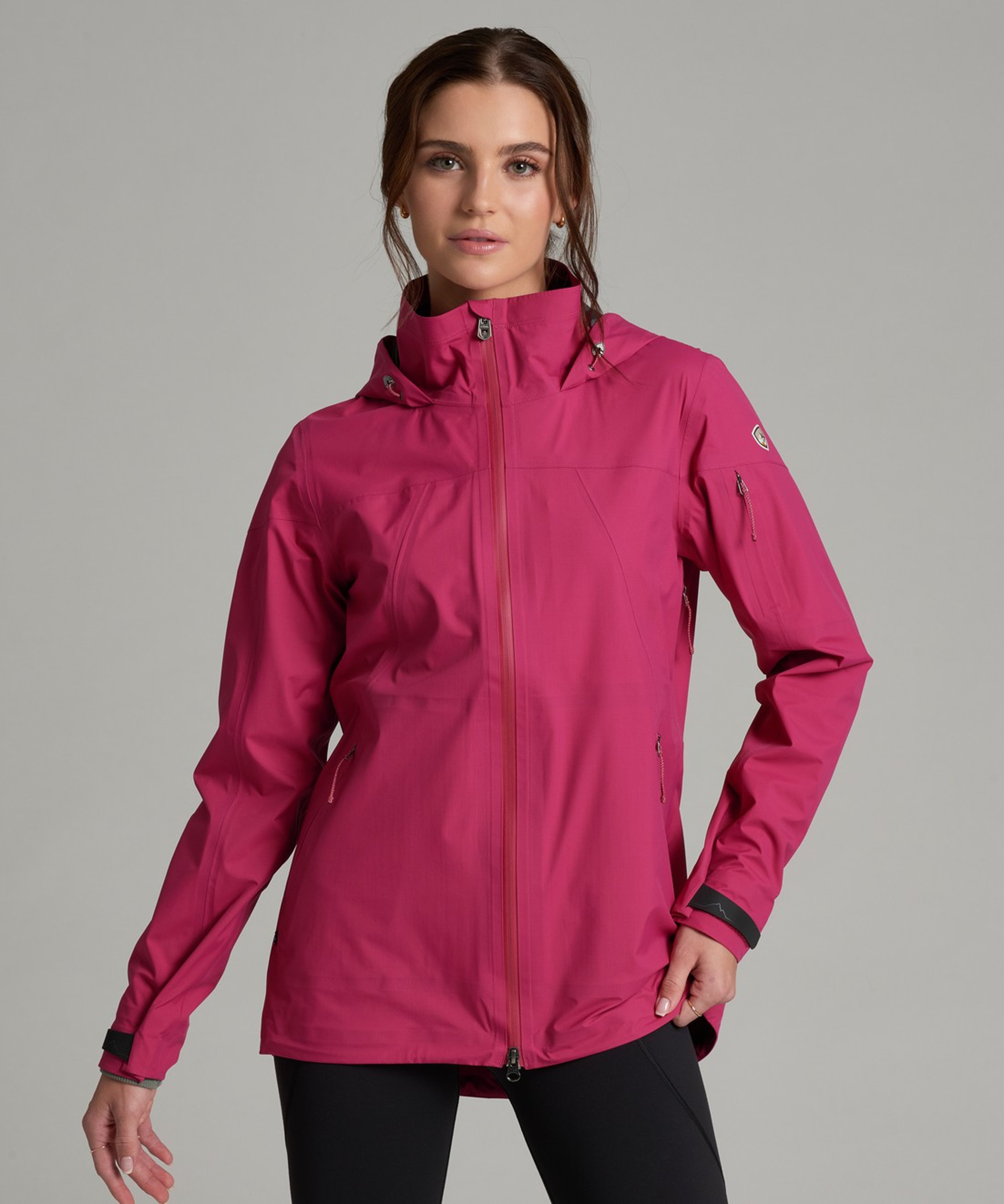
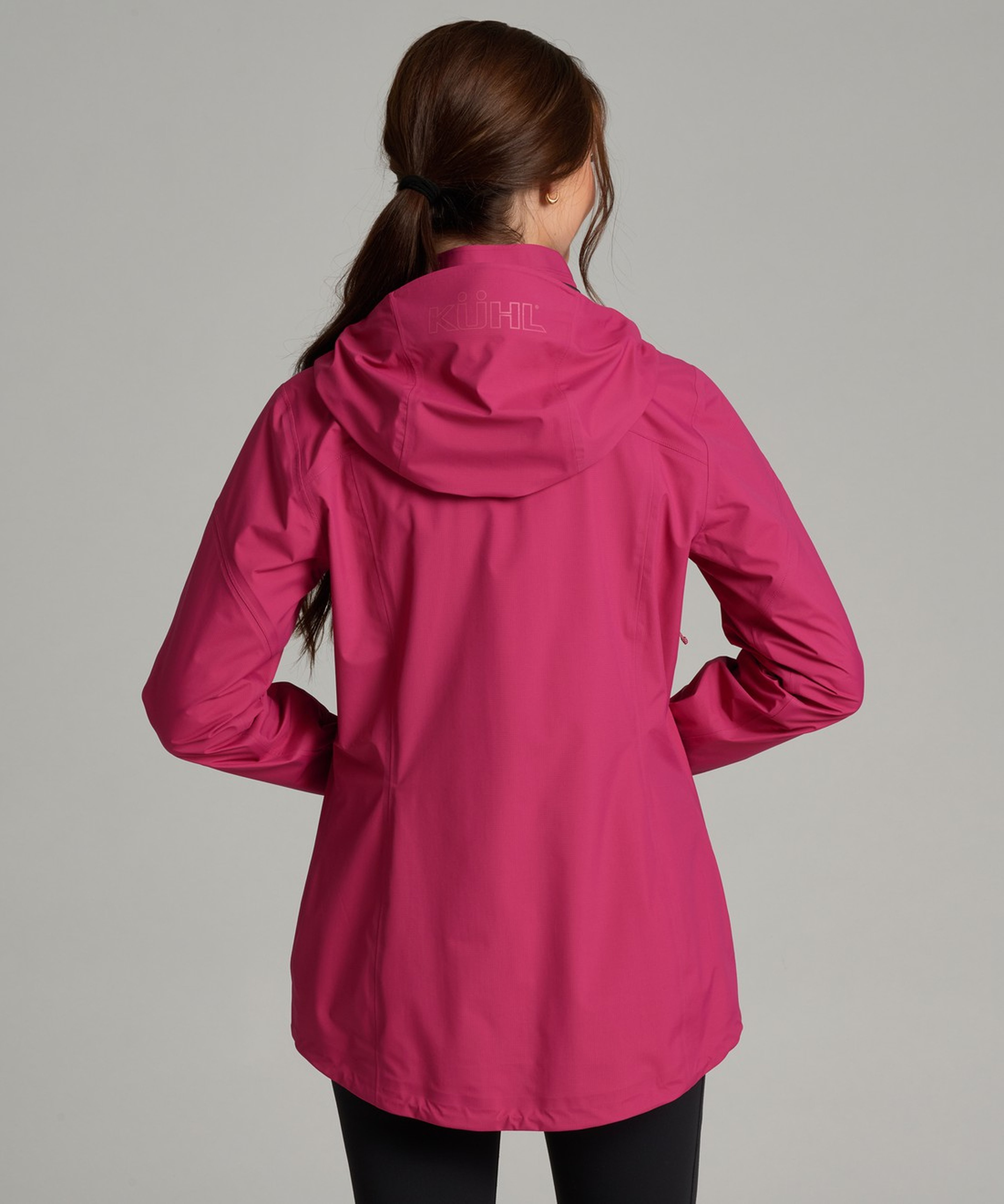
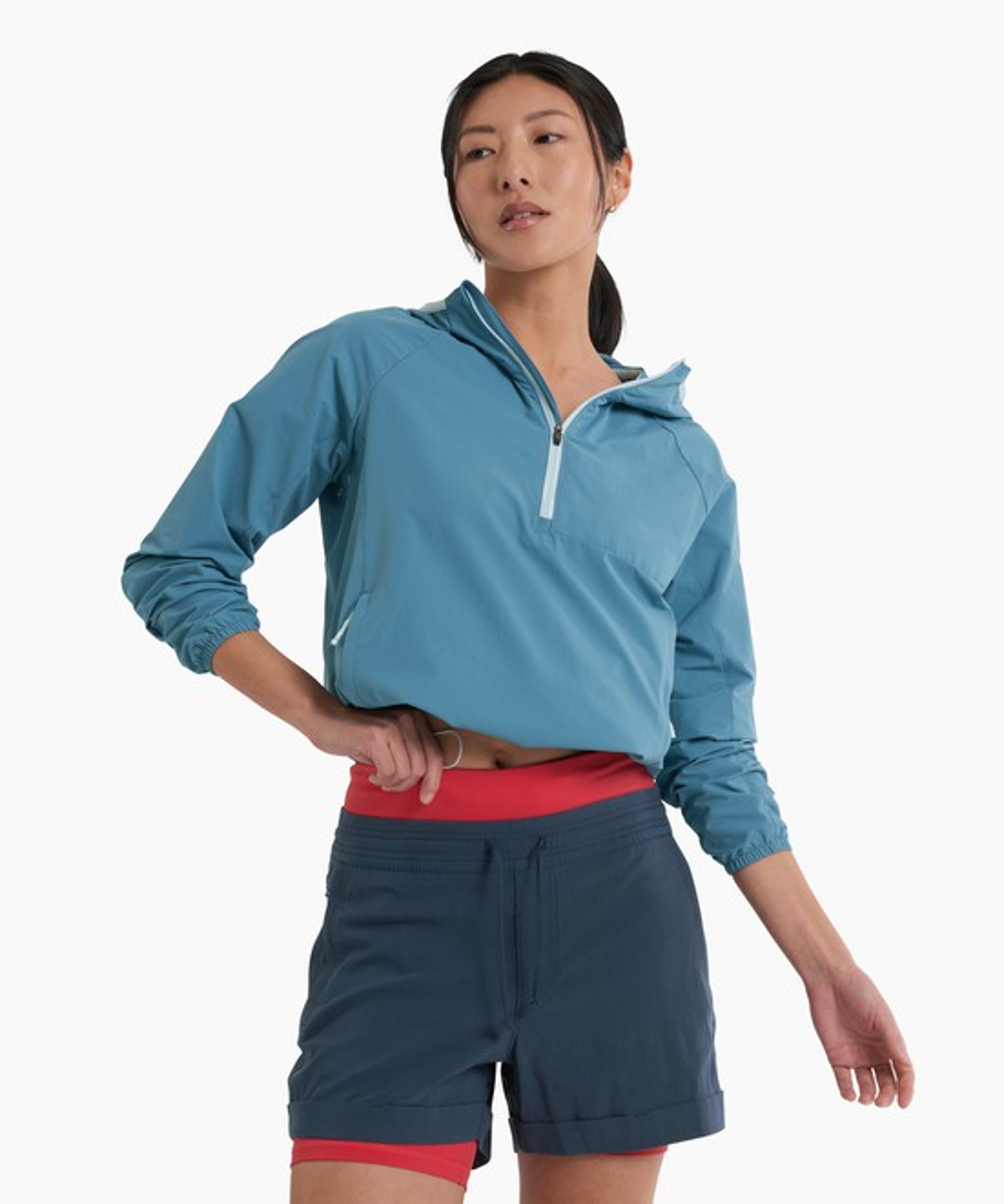
Wind & Weather Protection. When wind picks up at a ridgeline or rain spits unexpectedly, a packable shell earns its keep. Lightweight ripstop face fabrics with a DWR finish shed light moisture and block wind without the stiffness of a full hardshell. Look for stowable hoods, adjustable cuffs, and elastic hems that seal in warmth without trapping heat.
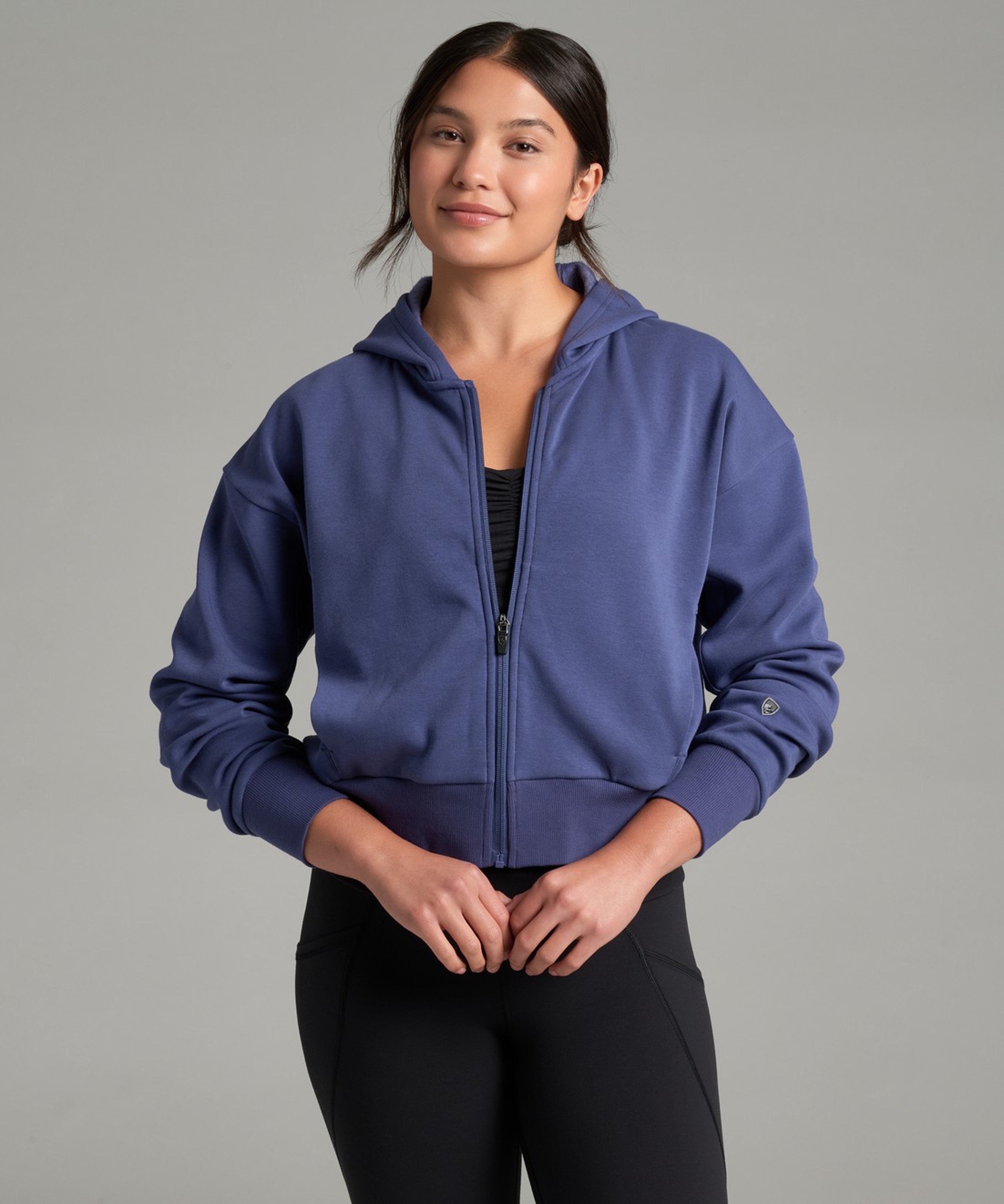
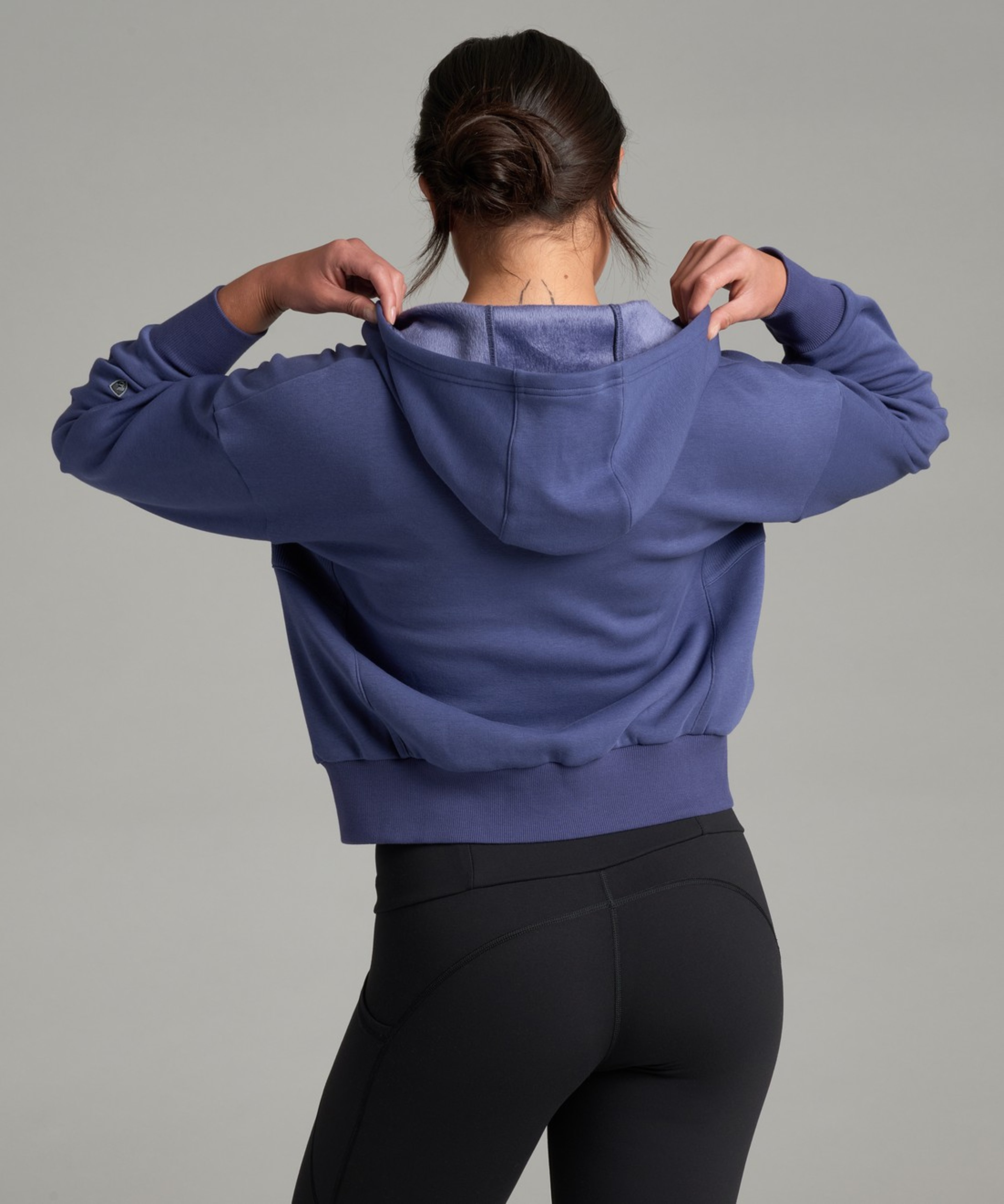
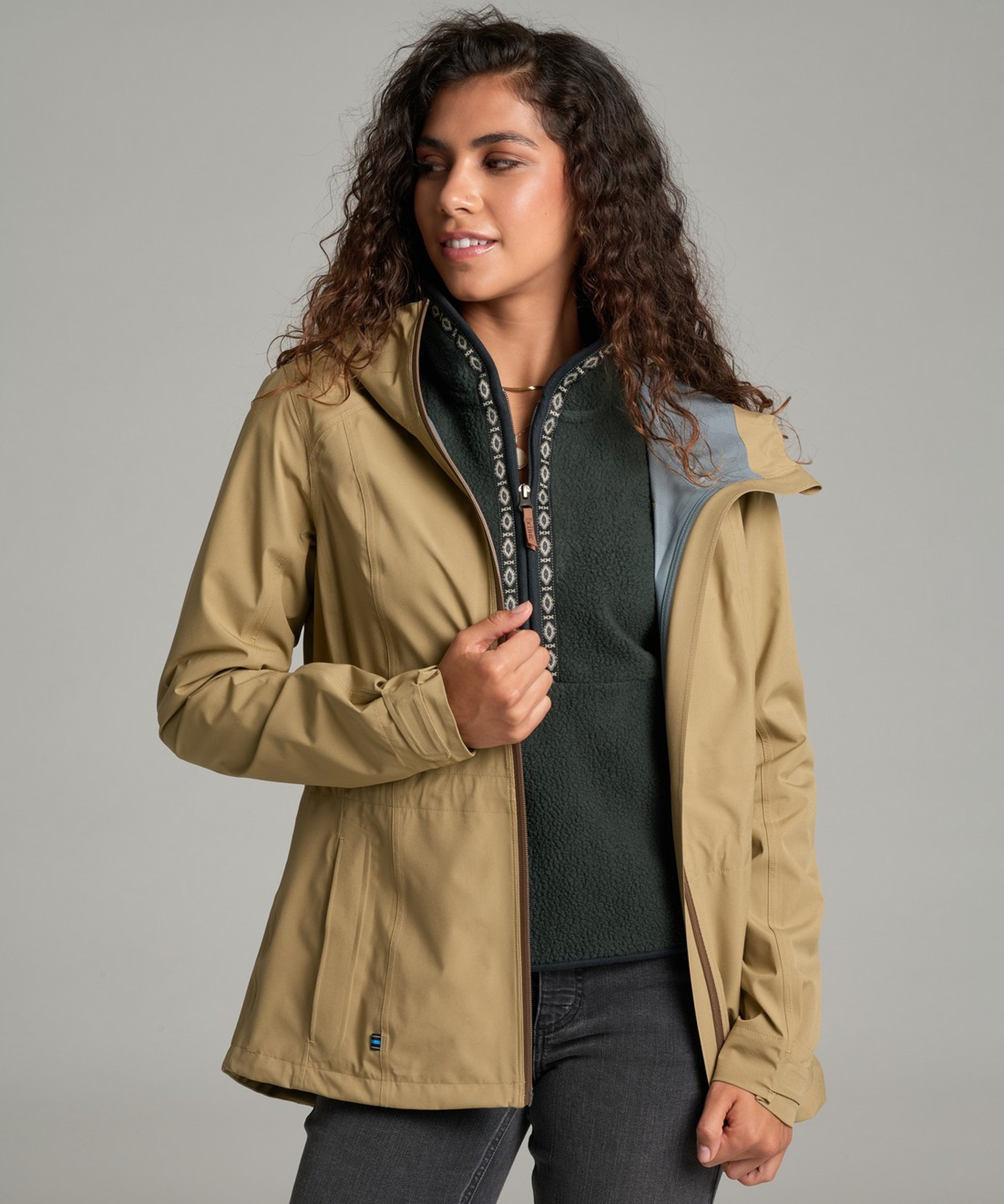
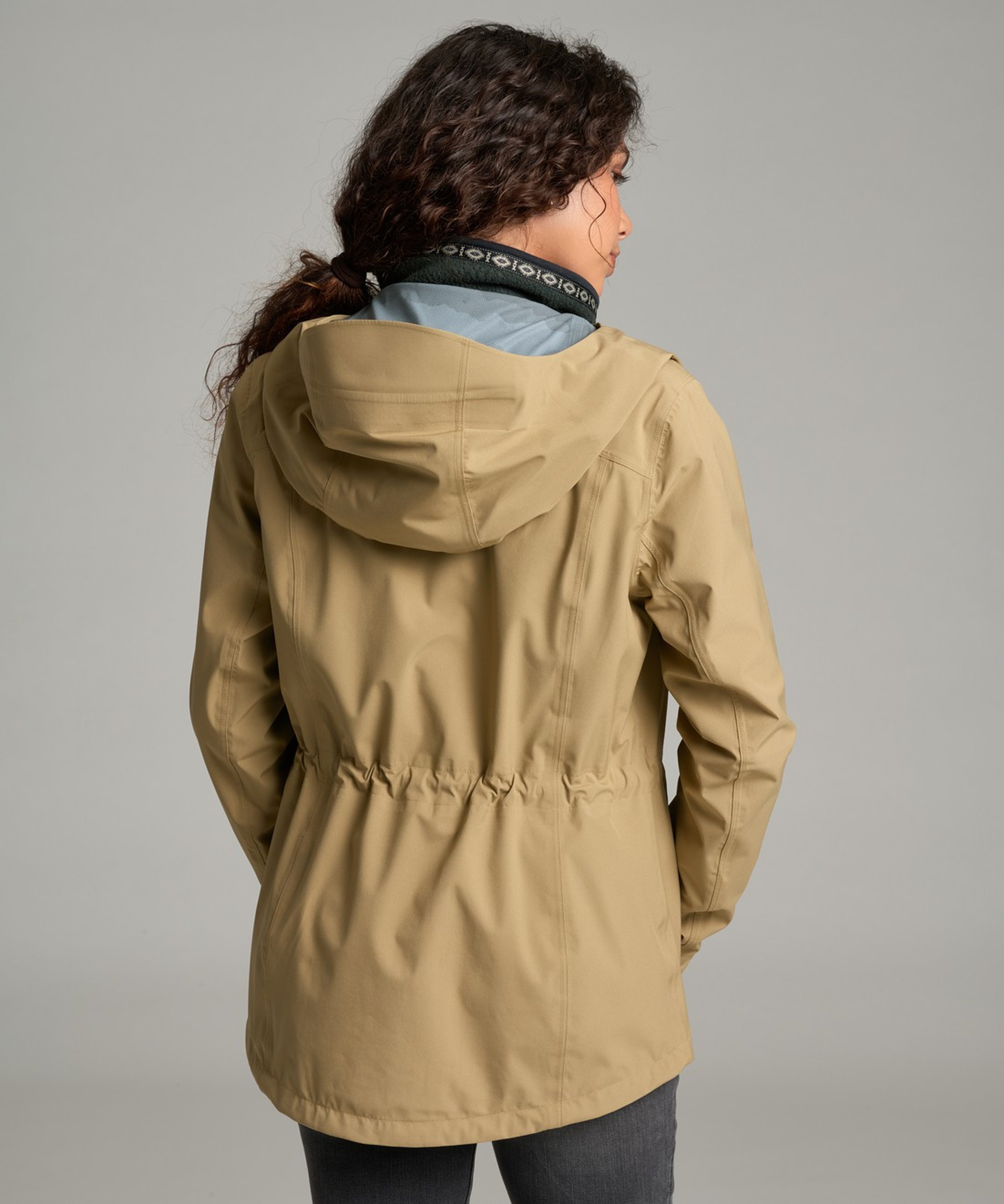
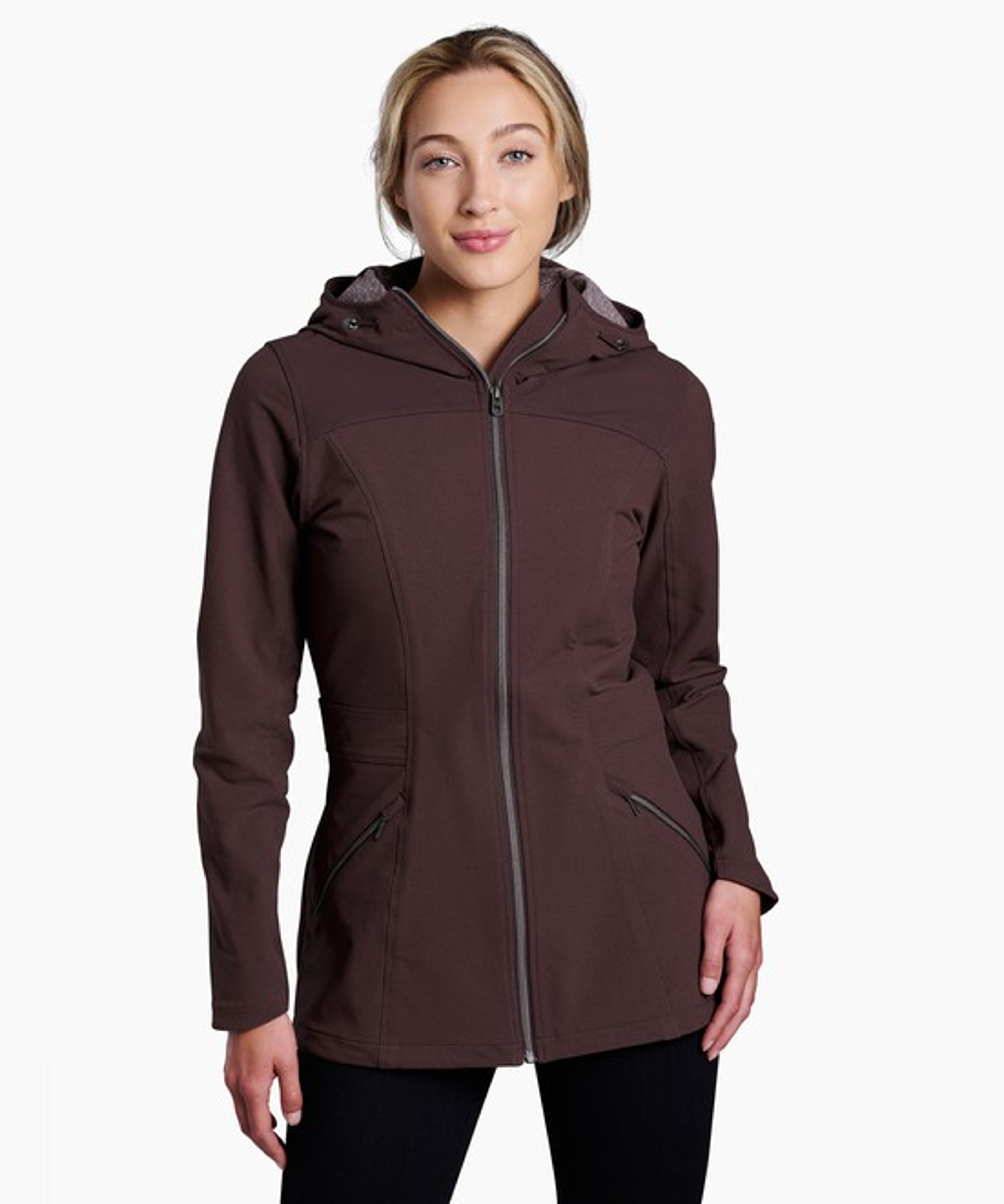
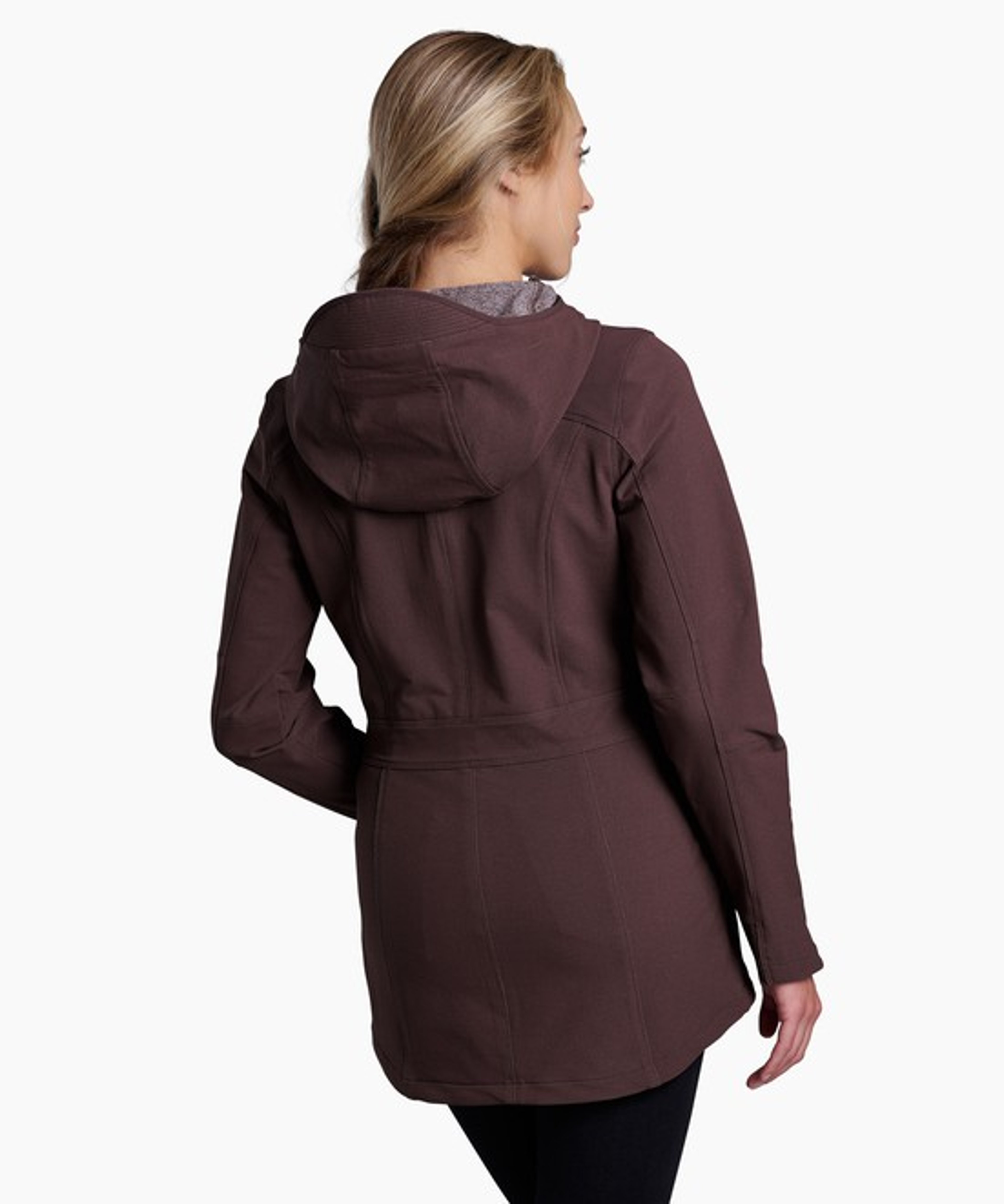
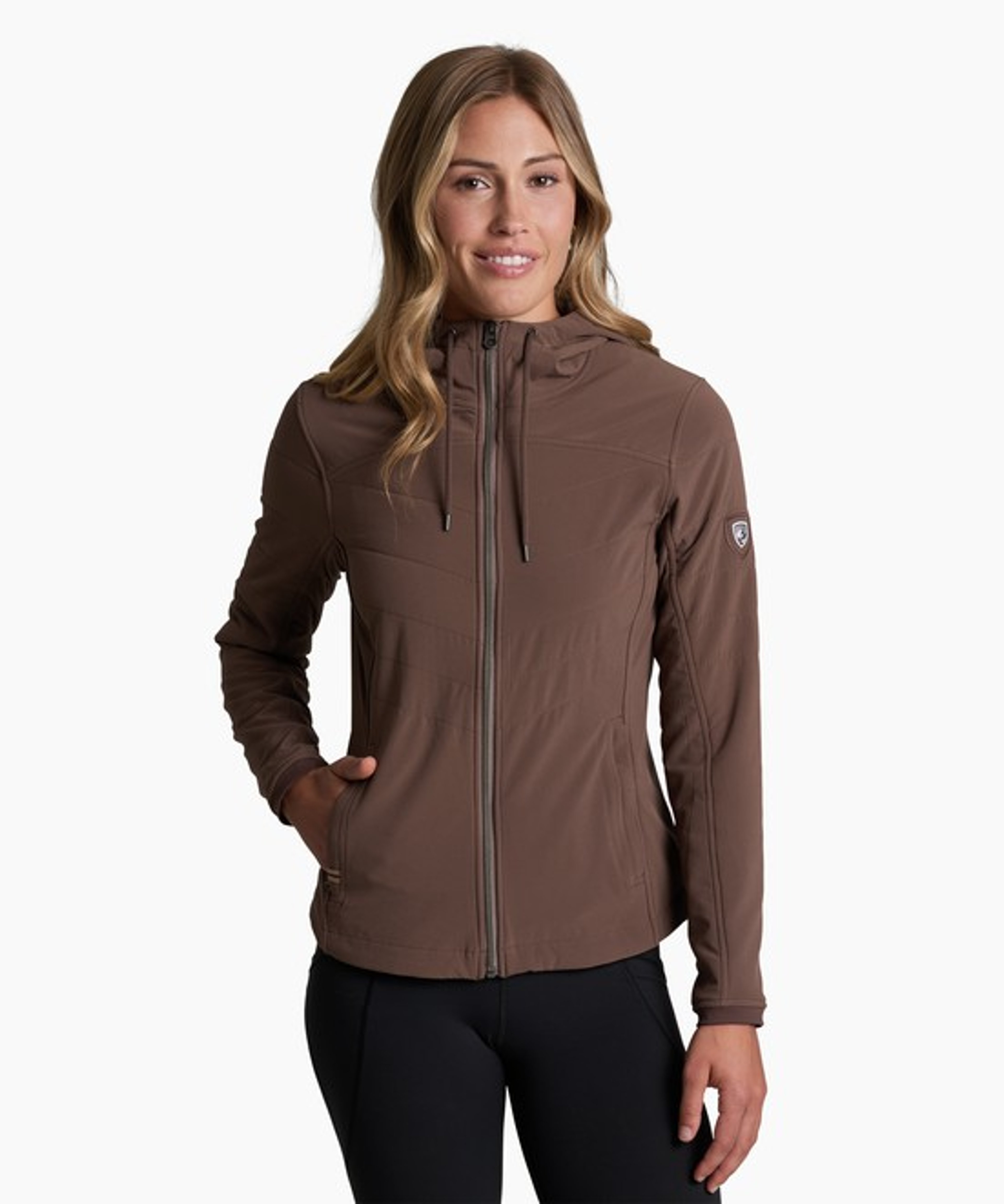
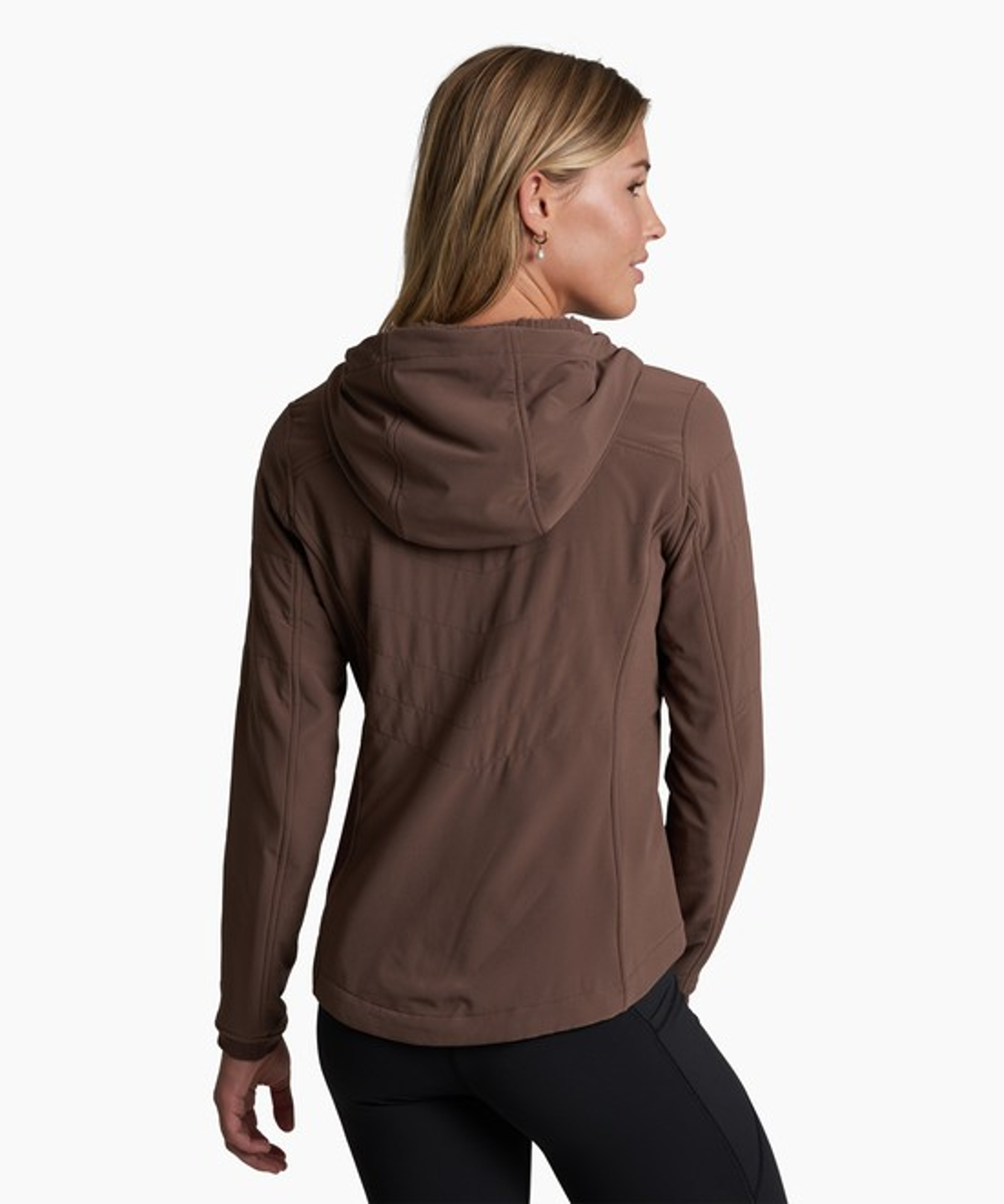
Softshell Comfort. Softshell construction with 4-way stretch is the sweet spot for active days: breathable enough to climb in, wind-blocking enough to descend in, quiet enough to wear all day. A brushed interior adds cool-morning warmth without committing to a midweight piece, and the same stretch that handles a high reach overhead keeps a fitted look around town.
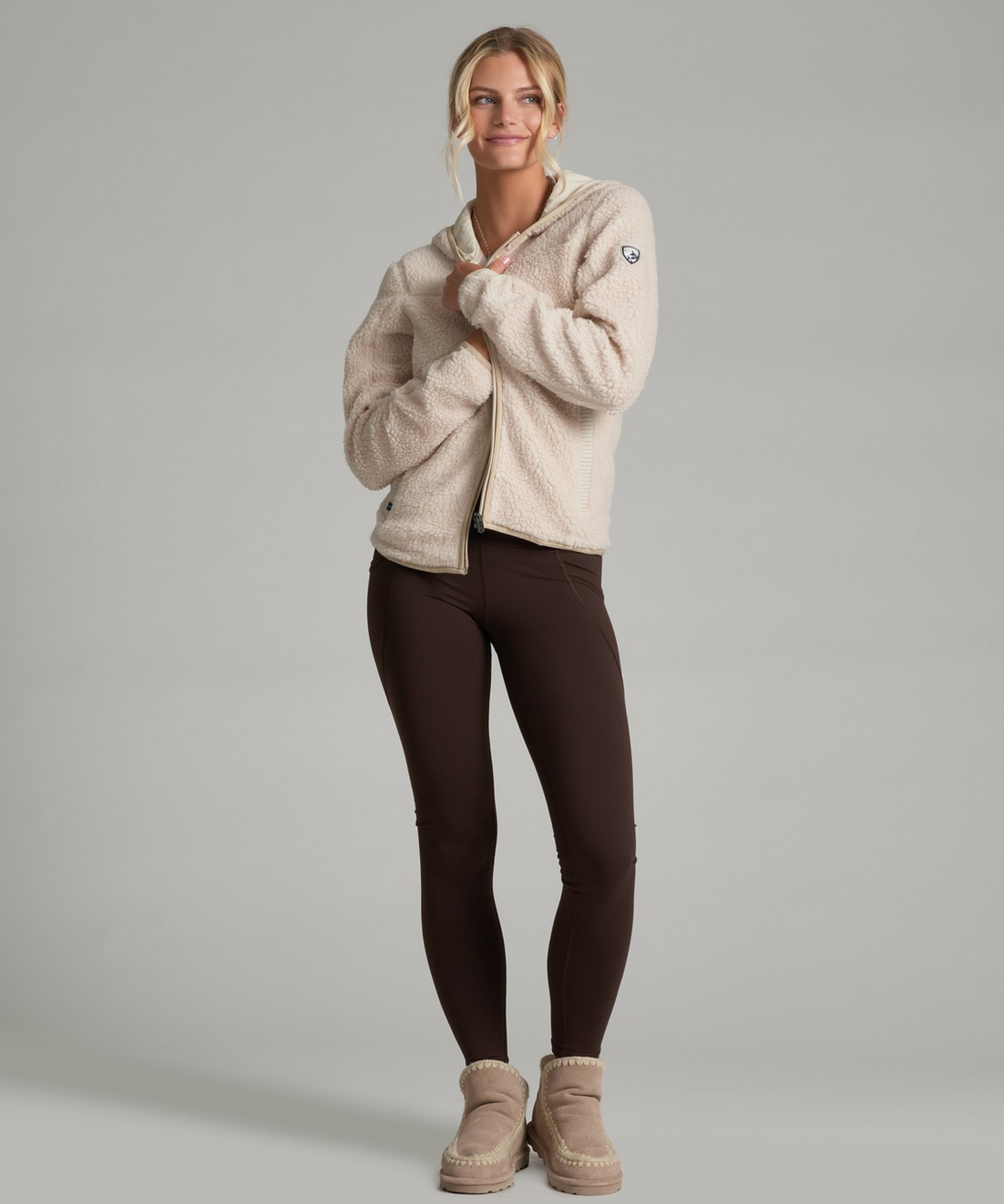
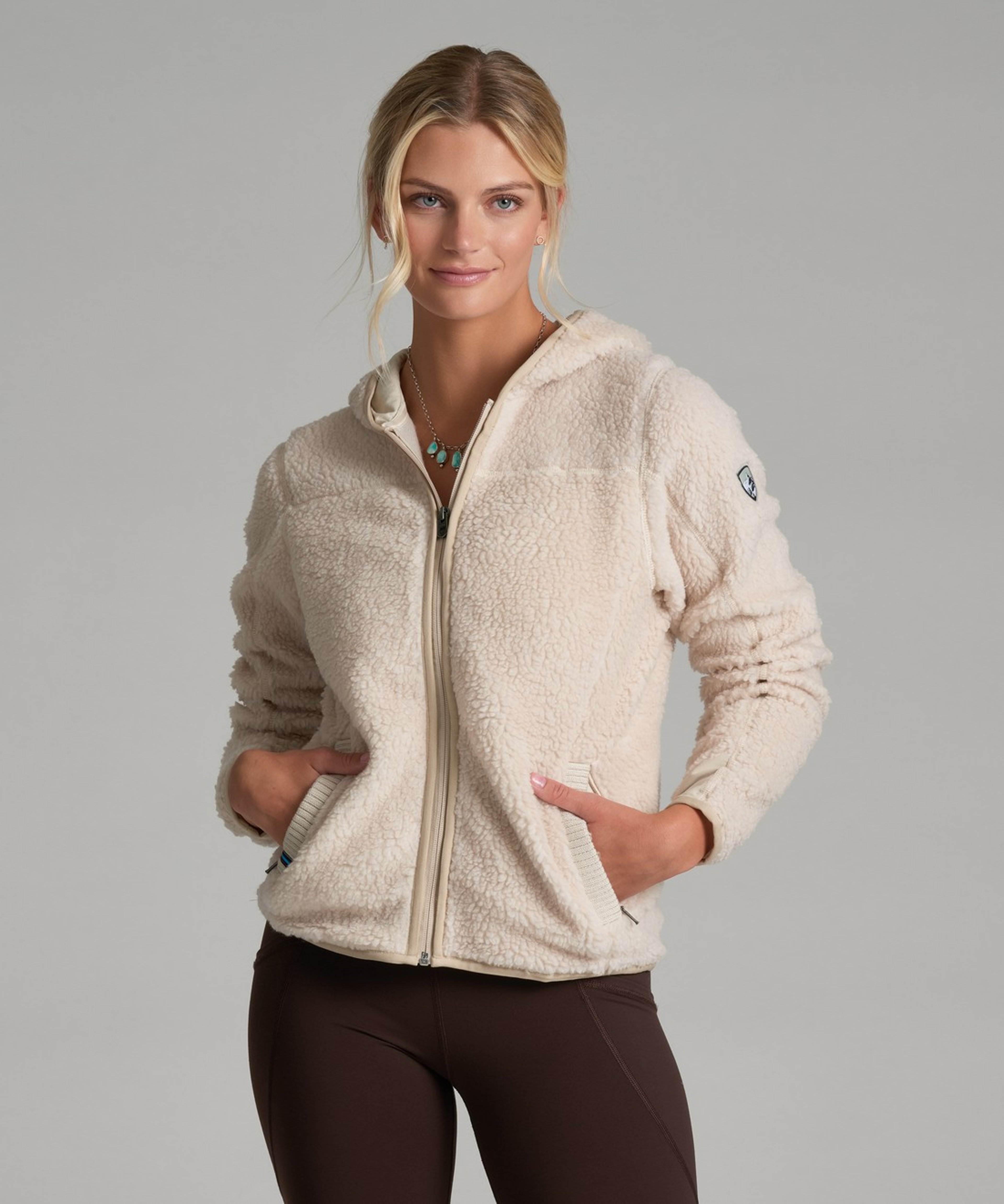
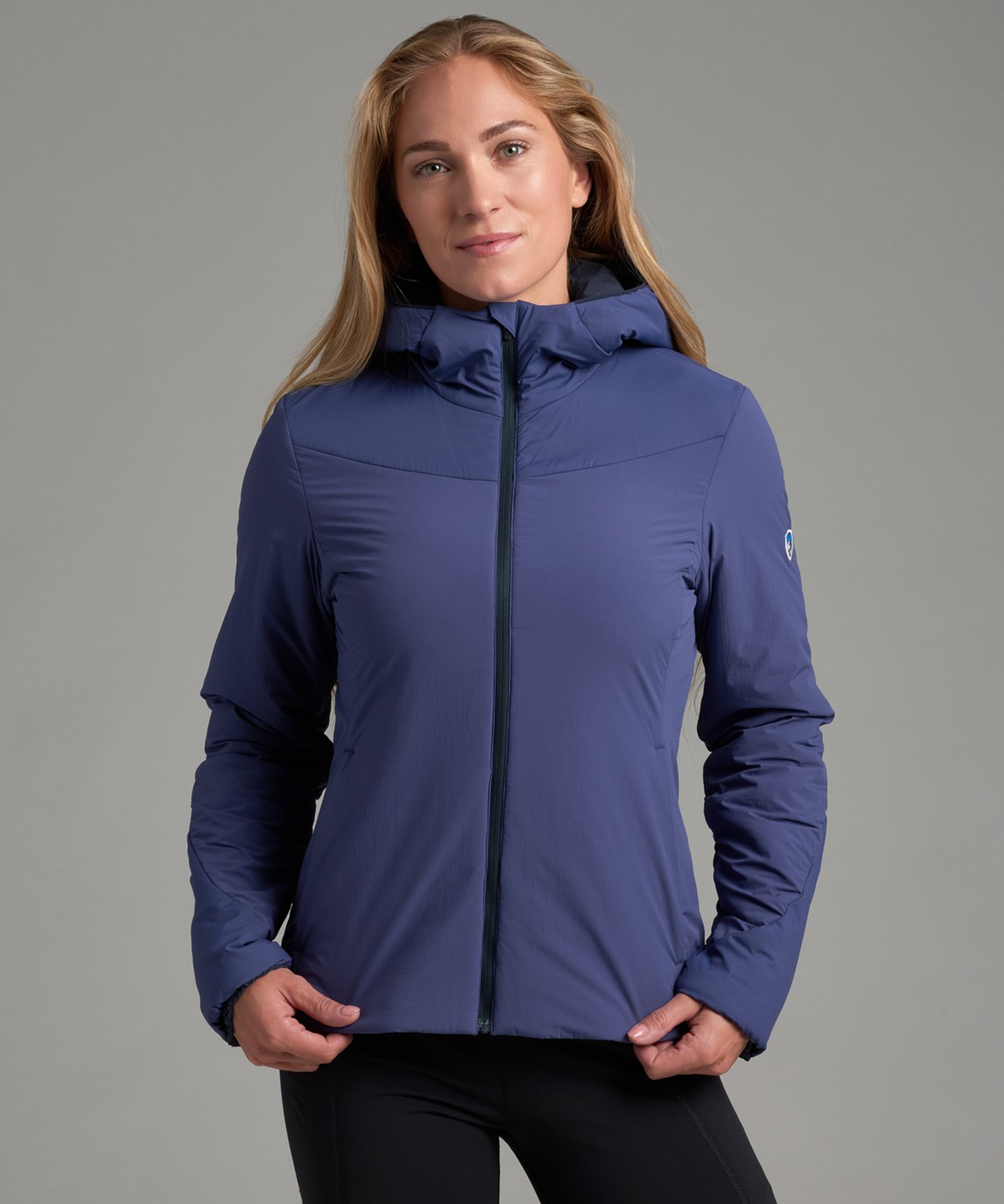
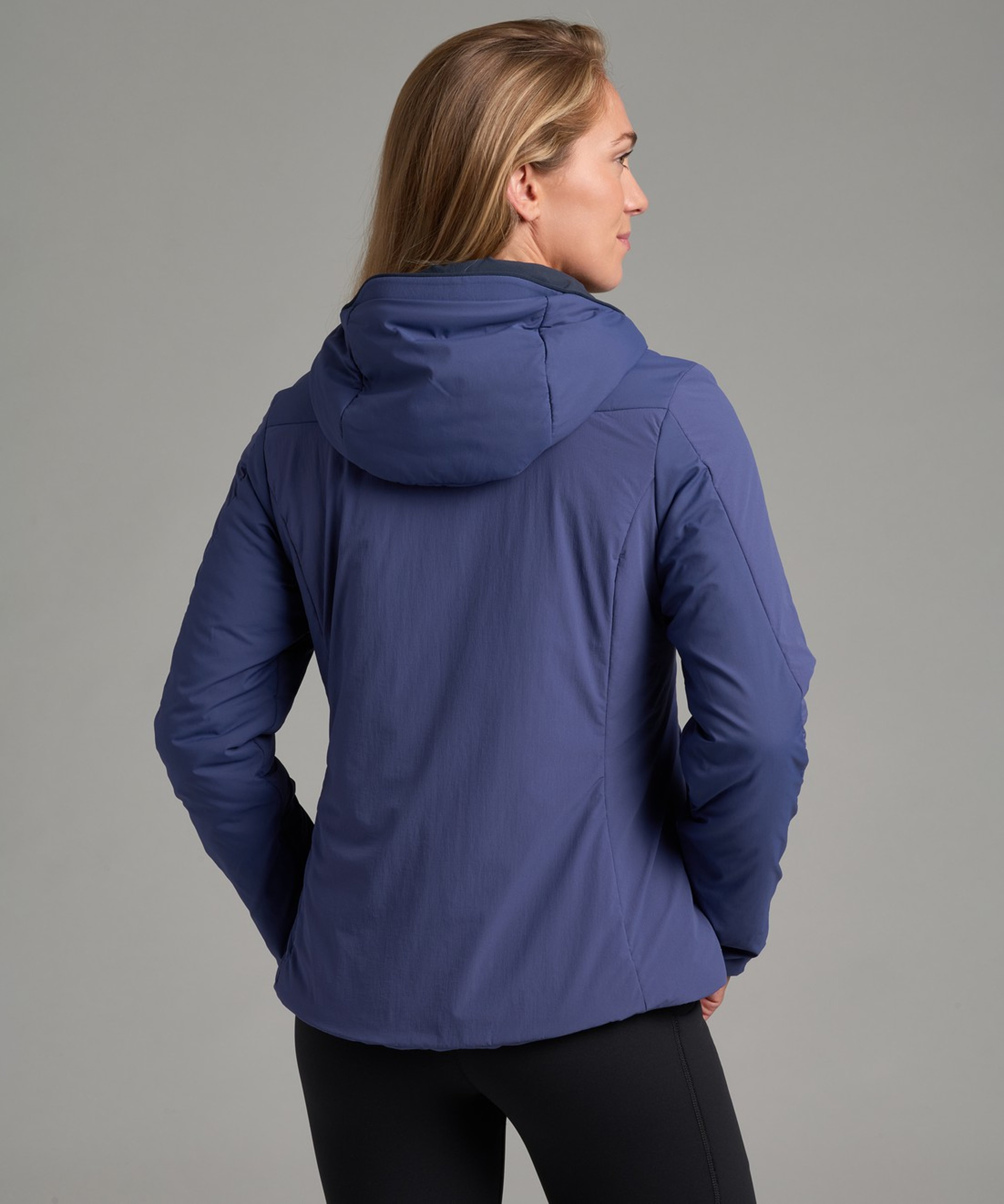
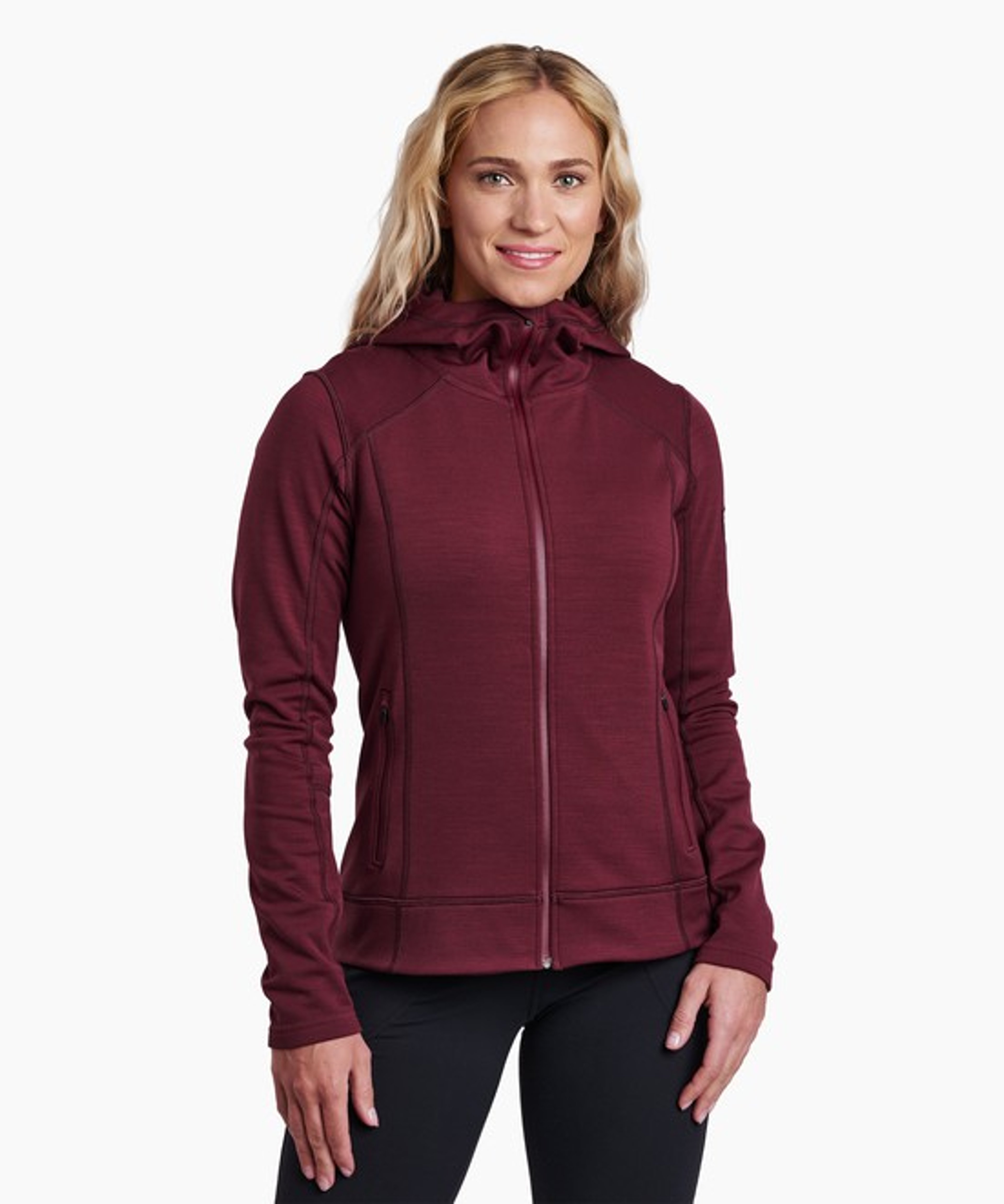
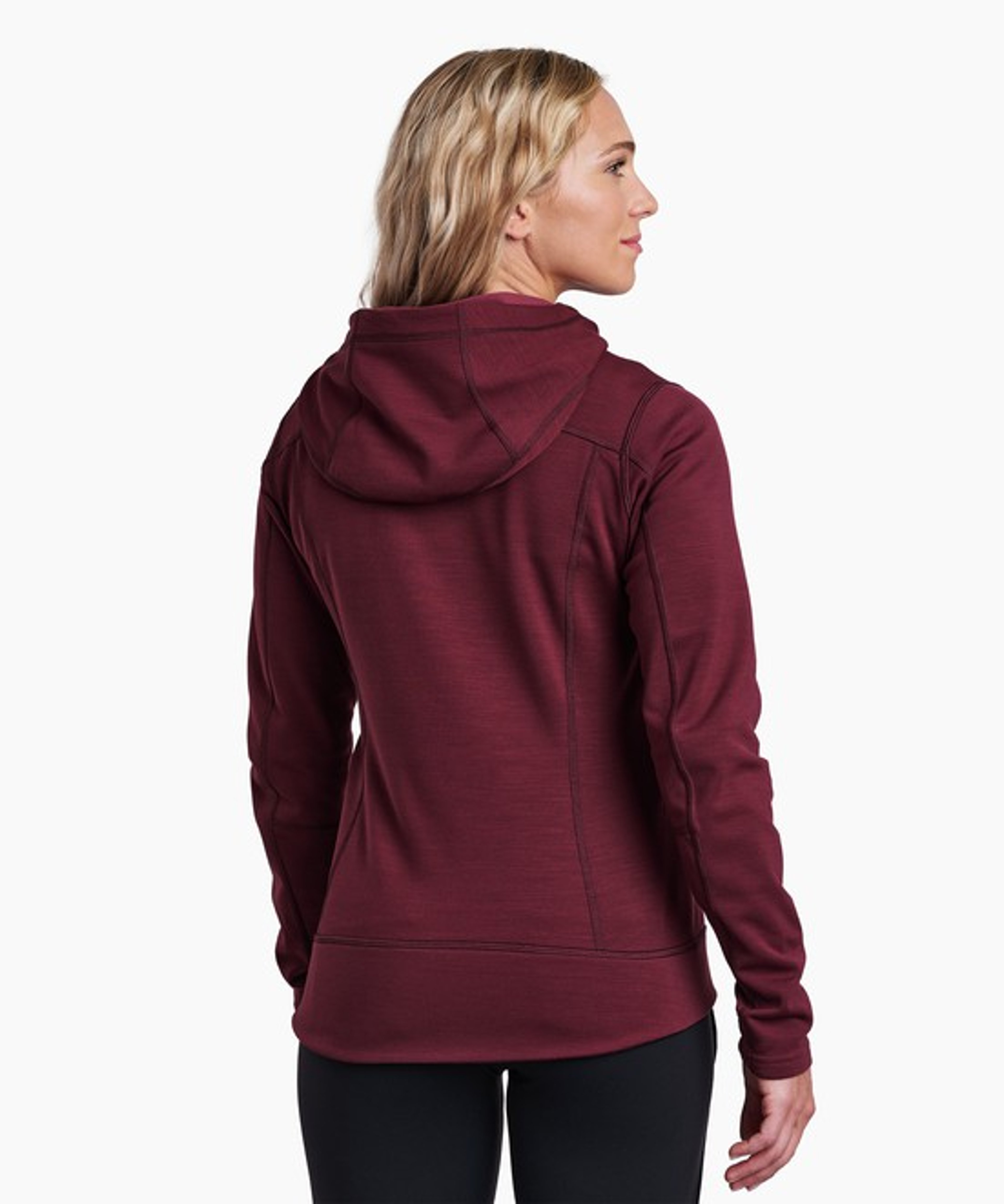
Active Insulation, Without the Weight. Light synthetic insulation keeps you warm on belays, breaks, and chilly summits while still breathing on the move. Synthetic fill holds its loft when damp (the practical edge over down on high-output, variable-weather days) and dries quickly once you're back at the trailhead.
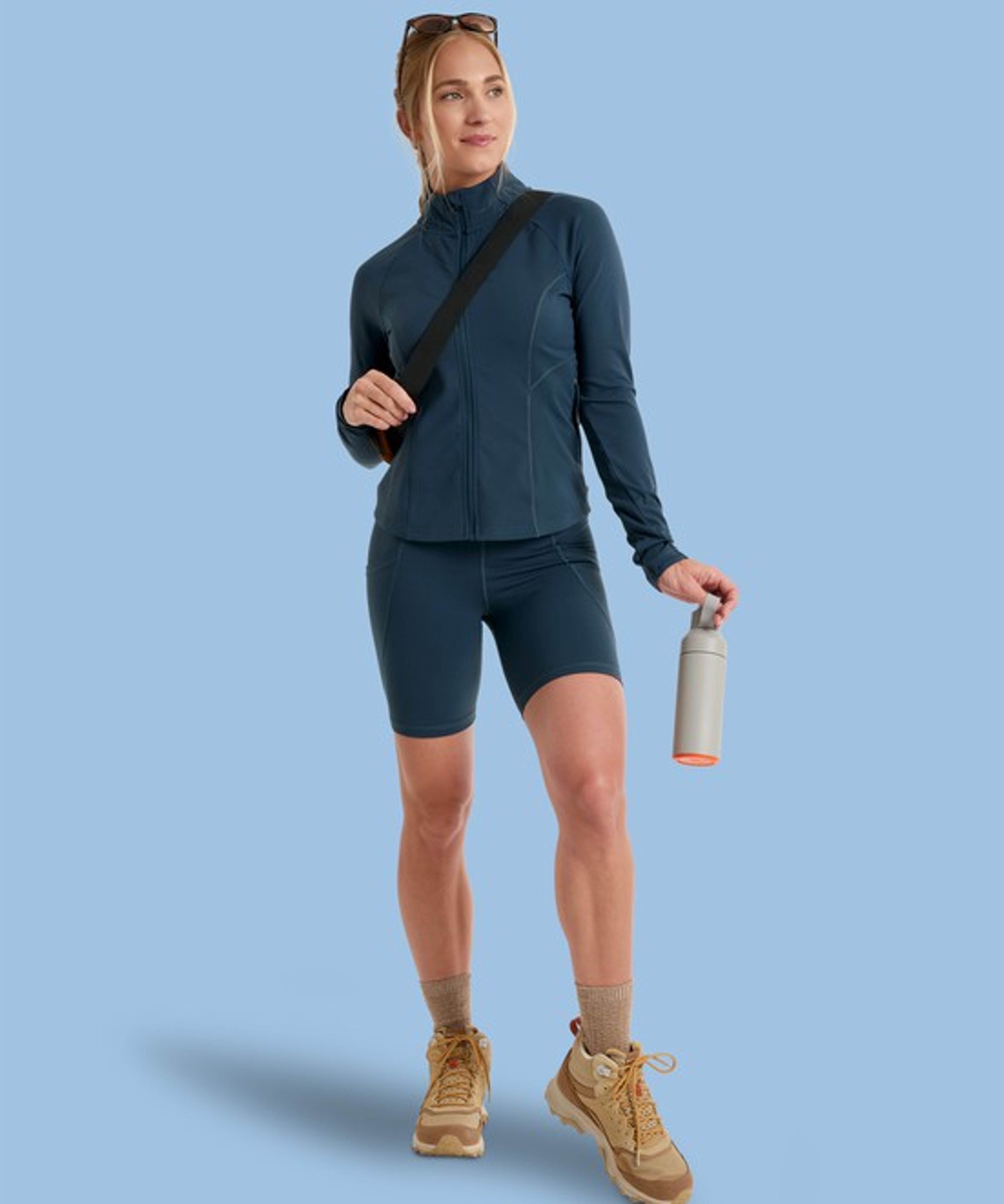
Travel-Ready Packability. The best lightweight jackets disappear into a daypack or stuff into their own hand pocket, the kind of layer you bring just in case and end up reaching for constantly. Nylon-spandex blends with moisture-wicking, quick-dry performance handle everything from a misty trailhead to a long-haul flight without showing the wear, and UPF 50+ face fabrics quietly cover sun-exposed traverses.
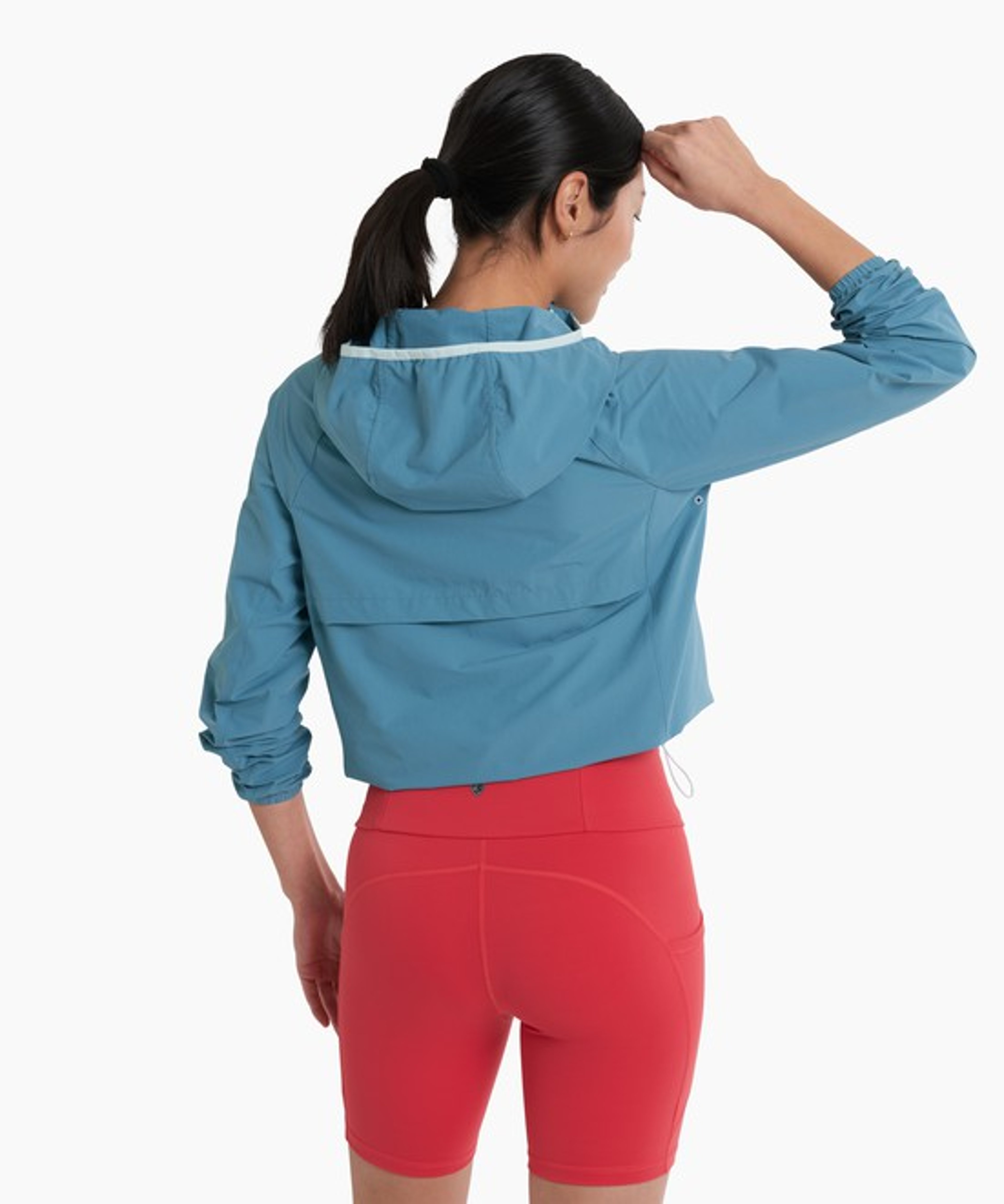
Look for signature touches that make a lightweight jacket more than just a wind layer: articulated sleeves for unrestricted reach overhead, thumb loops to keep cuffs in place under a pack strap, drop-in hand pockets sized for a phone, and adjustable hoods that work over a cap. For heavier weather or deep-winter pairings, browse the full women's outerwear lineup, or step up to a dedicated women's rain jacket when forecasts turn truly wet.
Built for shoulder-season miles, unpredictable travel days, and the layer-on/layer-off rhythm of a real day outside. These are the jackets you reach for when bulk isn't an option but weather still gets a vote.
Choose from a variety of fabrics, styles, and features for the women's lightweight jacket that's right for you:
Wind & Weather Protection. When wind picks up at a ridgeline or rain spits unexpectedly, a packable shell earns its keep. Lightweight ripstop face fabrics with a DWR finish shed light moisture and block wind without the stiffness of a full hardshell. Look for stowable hoods, adjustable cuffs, and elastic hems that seal in warmth without trapping heat.
Softshell Comfort. Softshell construction with 4-way stretch is the sweet spot for active days: breathable enough to climb in, wind-blocking enough to descend in, quiet enough to wear all day. A brushed interior adds cool-morning warmth without committing to a midweight piece, and the same stretch that handles a high reach overhead keeps a fitted look around town.
Active Insulation, Without the Weight. Light synthetic insulation keeps you warm on belays, breaks, and chilly summits while still breathing on the move. Synthetic fill holds its loft when damp (the practical edge over down on high-output, variable-weather days) and dries quickly once you're back at the trailhead.
Travel-Ready Packability. The best lightweight jackets disappear into a daypack or stuff into their own hand pocket, the kind of layer you bring just in case and end up reaching for constantly. Nylon-spandex blends with moisture-wicking, quick-dry performance handle everything from a misty trailhead to a long-haul flight without showing the wear, and UPF 50+ face fabrics quietly cover sun-exposed traverses.
Look for signature touches that make a lightweight jacket more than just a wind layer: articulated sleeves for unrestricted reach overhead, thumb loops to keep cuffs in place under a pack strap, drop-in hand pockets sized for a phone, and adjustable hoods that work over a cap. For heavier weather or deep-winter pairings, browse the full women's outerwear lineup, or step up to a dedicated women's rain jacket when forecasts turn truly wet.
From wind-blocking softshells to packable synthetic insulators, KÜHL women's lightweight jackets cover real-world weather without the bulk.
What should you look for in women's lightweight jackets?
The best women's lightweight jackets balance weather protection, breathability, packability, and layering room, without piling on weight you don't need.
Prioritize a face fabric matched to your weather: ripstop nylon with a DWR finish handles wind and light rain, while a softshell with 4-way stretch breathes better for high-output days. Look for adjustable hoods, cuffs, and hems to seal out wind, articulated sleeves and a layering-friendly fit, and packable construction that stuffs into its own pocket. UPF 50+ on lighter shells is a quiet bonus on exposed trails.
Prioritize a face fabric matched to your weather: ripstop nylon with a DWR finish handles wind and light rain, while a softshell with 4-way stretch breathes better for high-output days. Look for adjustable hoods, cuffs, and hems to seal out wind, articulated sleeves and a layering-friendly fit, and packable construction that stuffs into its own pocket. UPF 50+ on lighter shells is a quiet bonus on exposed trails.
What's the difference between a hardshell, softshell, and insulated jacket?
A hardshell is a fully waterproof, windproof outer layer built for sustained rain and snow. A softshell is a stretch-woven, breathable layer that shrugs off wind and light moisture during active use. An insulated jacket adds warmth via down or synthetic fill rather than acting as the weather barrier.
Most three-season days don't actually need a hardshell. A women's softshell jacket handles wind, drizzle, and high-output movement better. The breathability prevents the clamminess you get under a fully waterproof shell. Reach for a hardshell when conditions are genuinely wet, cold, or alpine. An insulated piece earns its place on cold starts, summits, and belays, not on the climb itself.
Most three-season days don't actually need a hardshell. A women's softshell jacket handles wind, drizzle, and high-output movement better. The breathability prevents the clamminess you get under a fully waterproof shell. Reach for a hardshell when conditions are genuinely wet, cold, or alpine. An insulated piece earns its place on cold starts, summits, and belays, not on the climb itself.
How do you choose between down and synthetic insulation?
Down wins when warmth-to-weight and packability matter most. Synthetic wins when wet, sweat, or humidity are in play.
Down delivers more warmth per ounce than any synthetic and compresses smaller for travel, but it loses loft when wet and takes longer to dry. Synthetic insulation keeps insulating when damp (sweat, snow, drizzle) and dries faster, which makes it the smarter choice for active use, freeze-thaw conditions, or wet climates. For dry-cold backcountry trips where every ounce counts, see our women's down jackets. For shoulder-season days where the forecast keeps moving, synthetic gets the nod.
Down delivers more warmth per ounce than any synthetic and compresses smaller for travel, but it loses loft when wet and takes longer to dry. Synthetic insulation keeps insulating when damp (sweat, snow, drizzle) and dries faster, which makes it the smarter choice for active use, freeze-thaw conditions, or wet climates. For dry-cold backcountry trips where every ounce counts, see our women's down jackets. For shoulder-season days where the forecast keeps moving, synthetic gets the nod.
Are lightweight jackets waterproof or just water-resistant?
Most lightweight jackets are water-resistant, not waterproof. They shed light rain, mist, and snow flurries via a DWR (durable water repellent) finish on the face fabric, but they're not built to hold off sustained rain.
True waterproof performance requires a membrane plus fully taped seams and water-repellent zippers, construction that adds weight and stiffness. The trade-off is intentional: a lightweight jacket prioritizes breathability and packability, accepting that prolonged downpours mean swapping to a dedicated rain shell. Check the spec sheet for waterproof vs water-resistant and look for taped seams if you'll be out in real weather.
True waterproof performance requires a membrane plus fully taped seams and water-repellent zippers, construction that adds weight and stiffness. The trade-off is intentional: a lightweight jacket prioritizes breathability and packability, accepting that prolonged downpours mean swapping to a dedicated rain shell. Check the spec sheet for waterproof vs water-resistant and look for taped seams if you'll be out in real weather.
How should a lightweight jacket fit for layering?
A lightweight jacket should fit close enough to layer cleanly under heavier outerwear, but with enough room over a base layer and a thin midlayer that you can still reach overhead without the hem lifting.
That usually means a trim-to-standard fit through the torso, articulated shoulders for unrestricted arm motion, and sleeves long enough to cover the wrist when arms are extended forward, not pulled back to your hips. The hood should fit over a beanie or cap without blocking peripheral vision. If you'll wear it as your outer layer most days, size for the warmest layering combination you'll actually run. If it's mainly a midlayer, prioritize a closer fit.
That usually means a trim-to-standard fit through the torso, articulated shoulders for unrestricted arm motion, and sleeves long enough to cover the wrist when arms are extended forward, not pulled back to your hips. The hood should fit over a beanie or cap without blocking peripheral vision. If you'll wear it as your outer layer most days, size for the warmest layering combination you'll actually run. If it's mainly a midlayer, prioritize a closer fit.
What features matter most when hiking or backpacking?
Under a pack and on the trail, the features that matter most are weight, ventilation, hood and hem adjustability, and pocket access, in roughly that order.
Look for ripstop face fabric for abrasion resistance against straps and brush, articulated sleeves that don't bind under a sternum strap, and mesh-lined hand pockets or pit zips for ventilation on climbs. Chest or upper-arm pockets sit above the hipbelt and stay accessible while you're under load, a small thing that matters every time you reach for a map or snack. Packability into the jacket's own pocket is the kind of feature you don't appreciate until the sun comes out and you'd rather not carry a separate stuff sack. A stowable, helmet-compatible hood and adjustable cuffs round out the kit.
Look for ripstop face fabric for abrasion resistance against straps and brush, articulated sleeves that don't bind under a sternum strap, and mesh-lined hand pockets or pit zips for ventilation on climbs. Chest or upper-arm pockets sit above the hipbelt and stay accessible while you're under load, a small thing that matters every time you reach for a map or snack. Packability into the jacket's own pocket is the kind of feature you don't appreciate until the sun comes out and you'd rather not carry a separate stuff sack. A stowable, helmet-compatible hood and adjustable cuffs round out the kit.
New Color