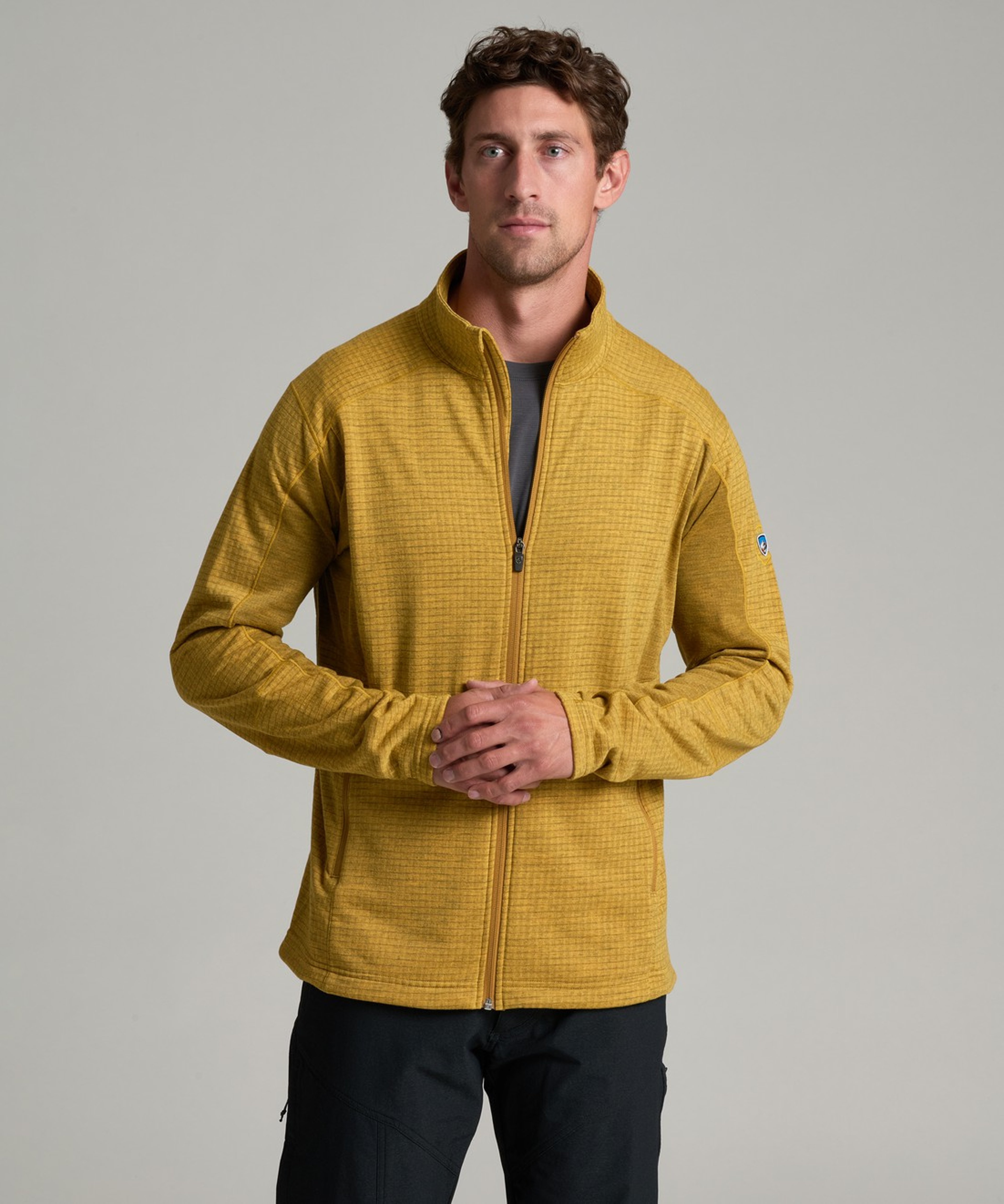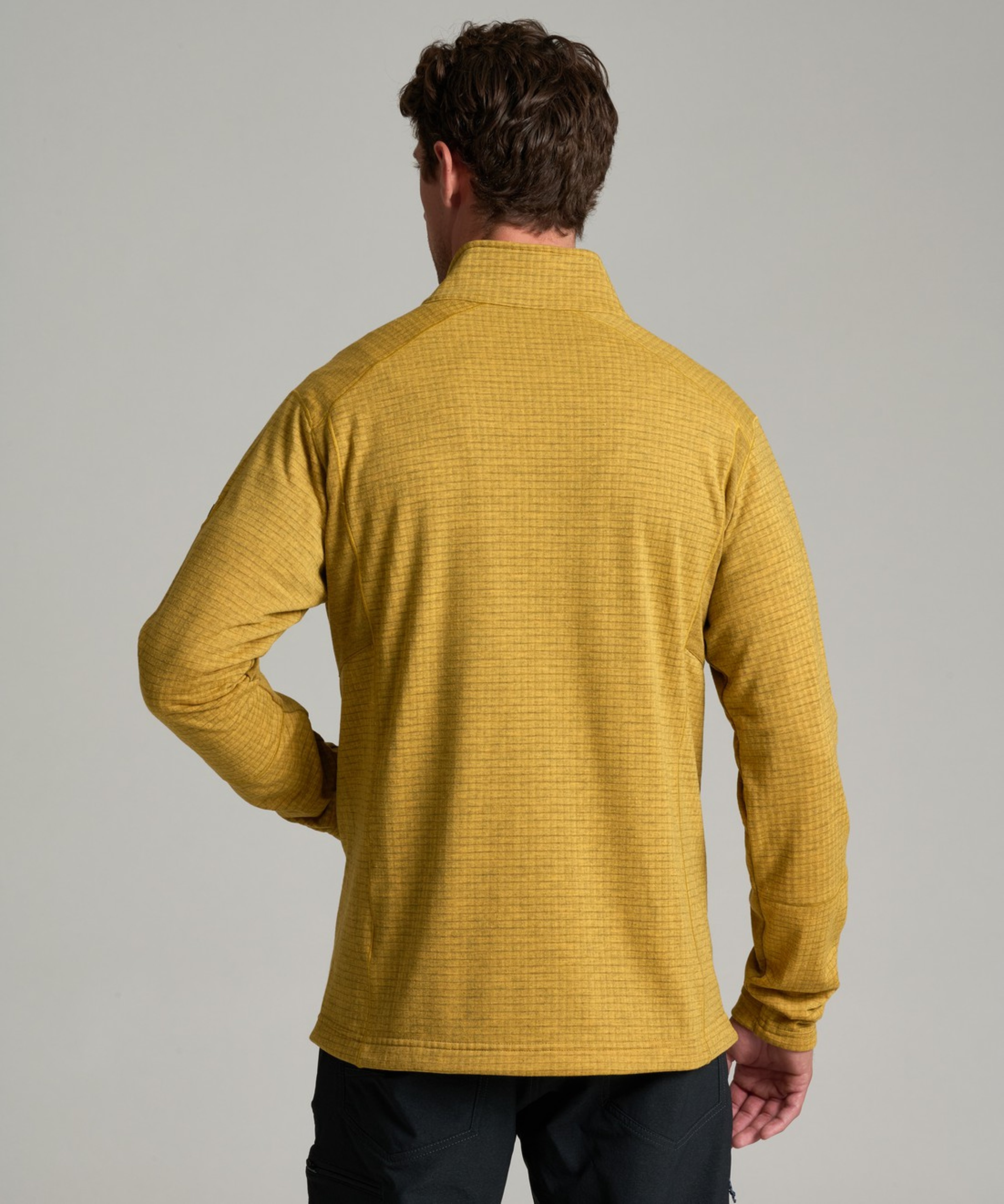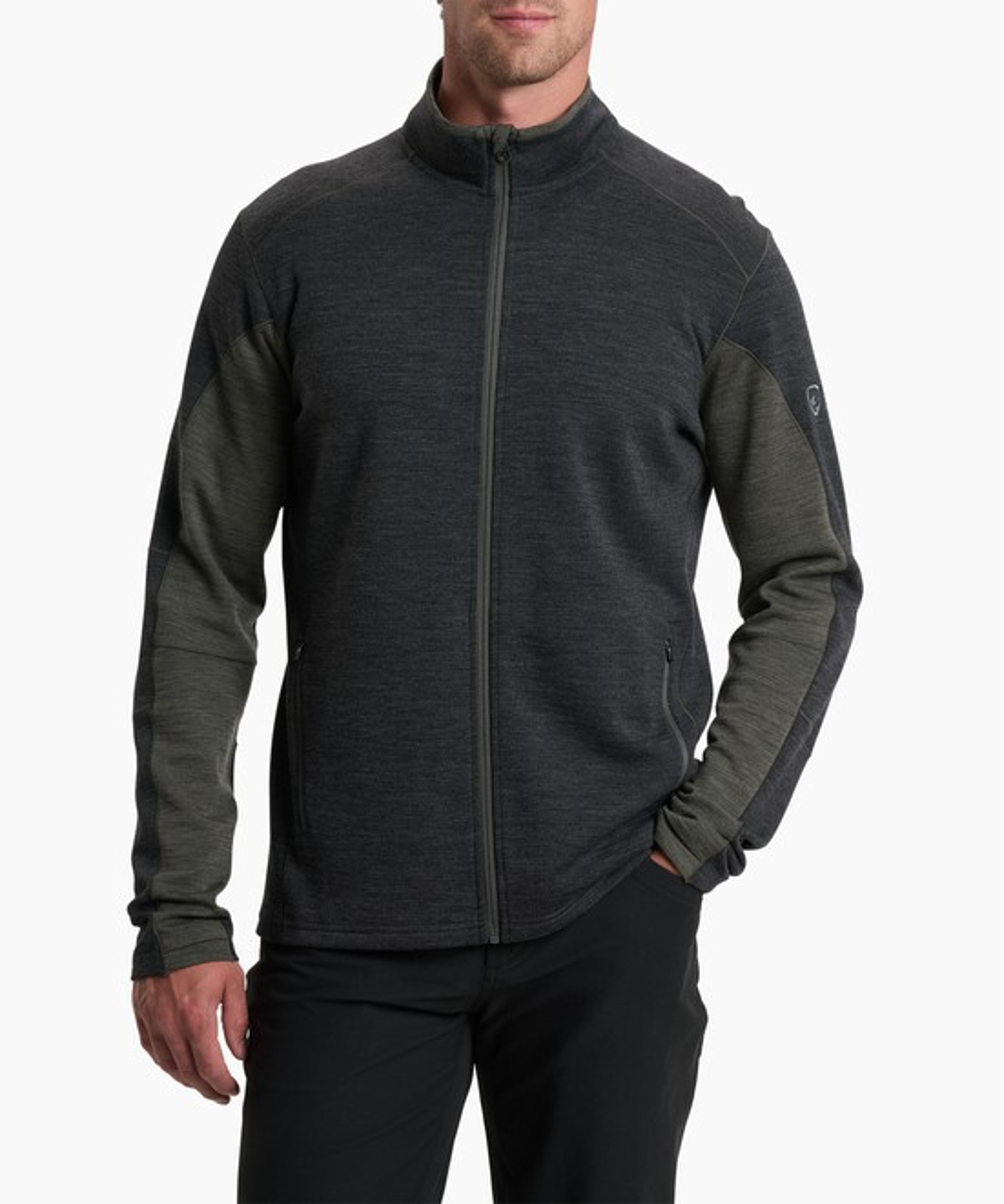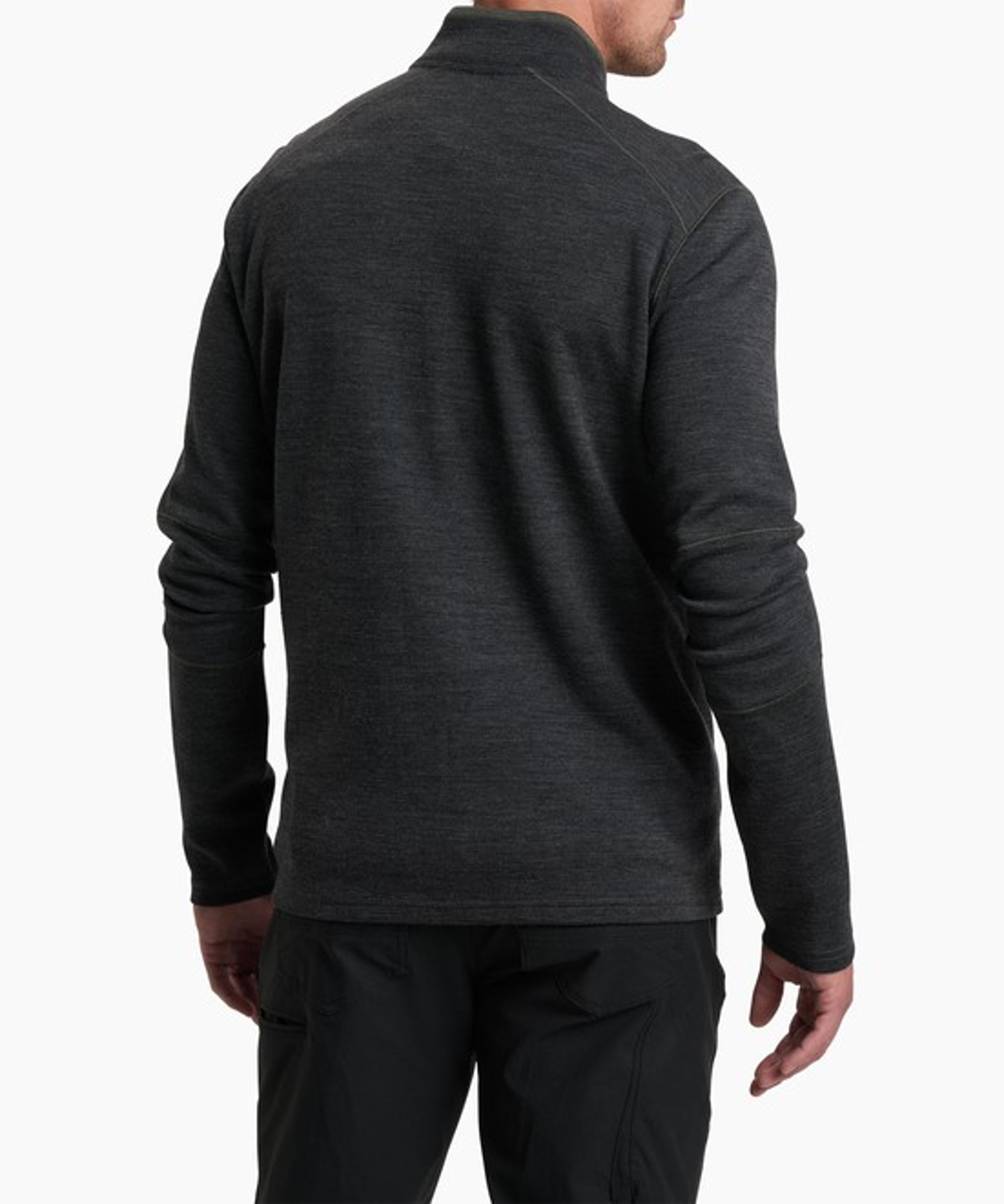

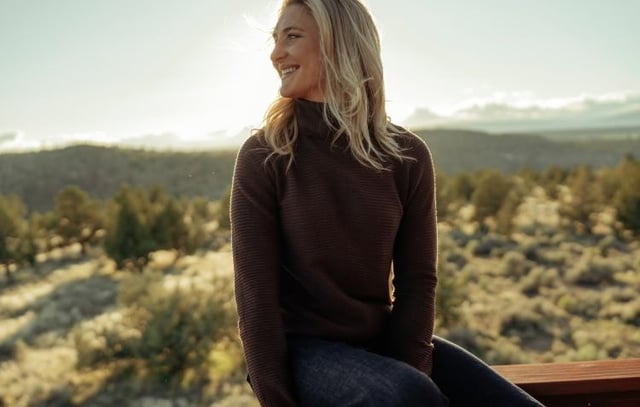
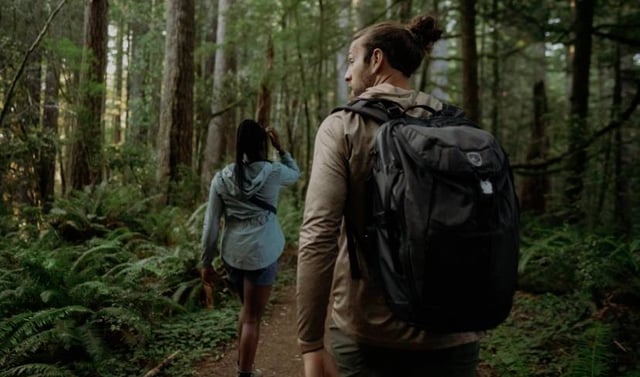


Men's Fleece
Breathe Easy with Performance Fleece for Men
Choose from a variety of fabrics, weights, and silhouettes for the men's fleece that's right for you:
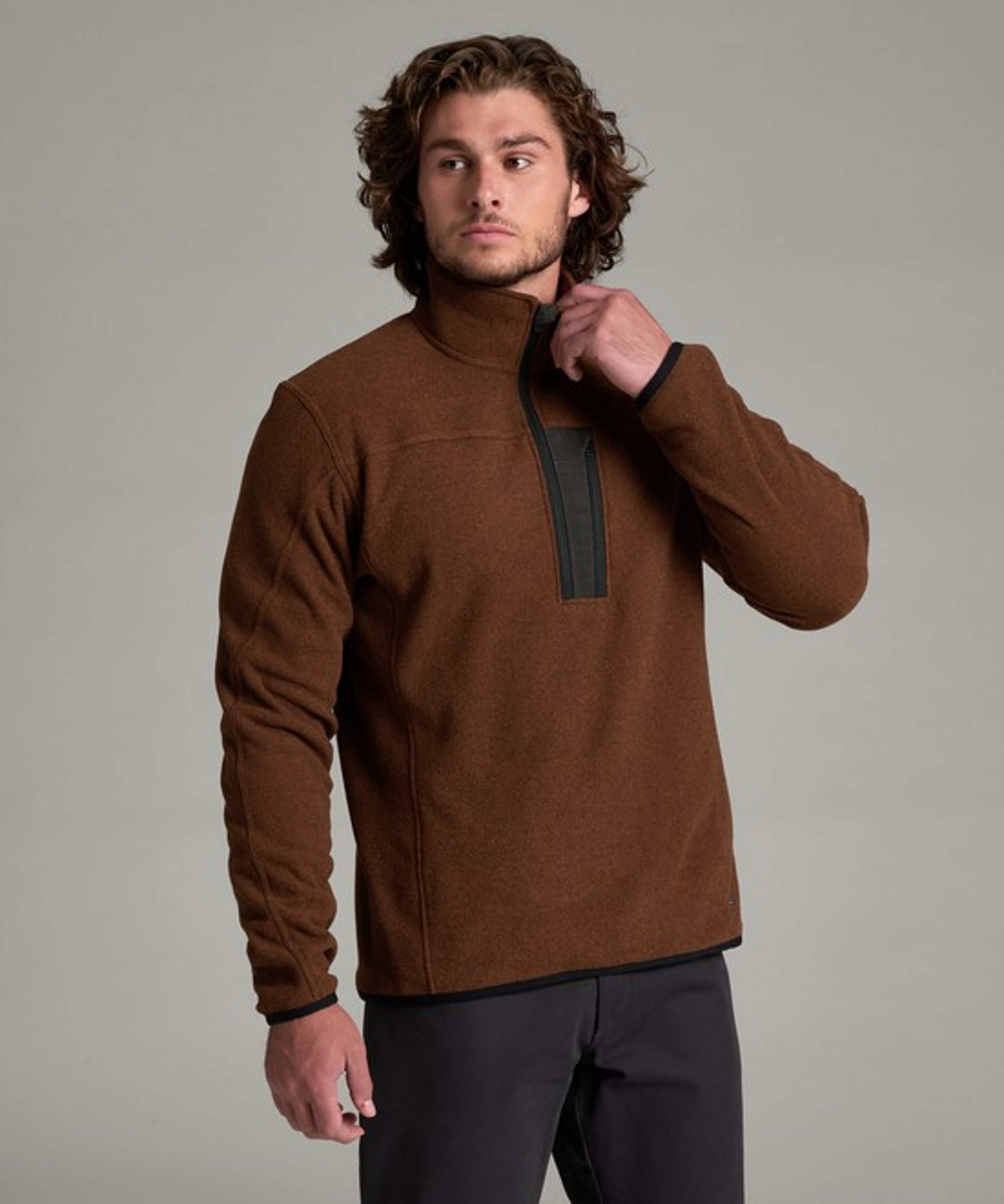
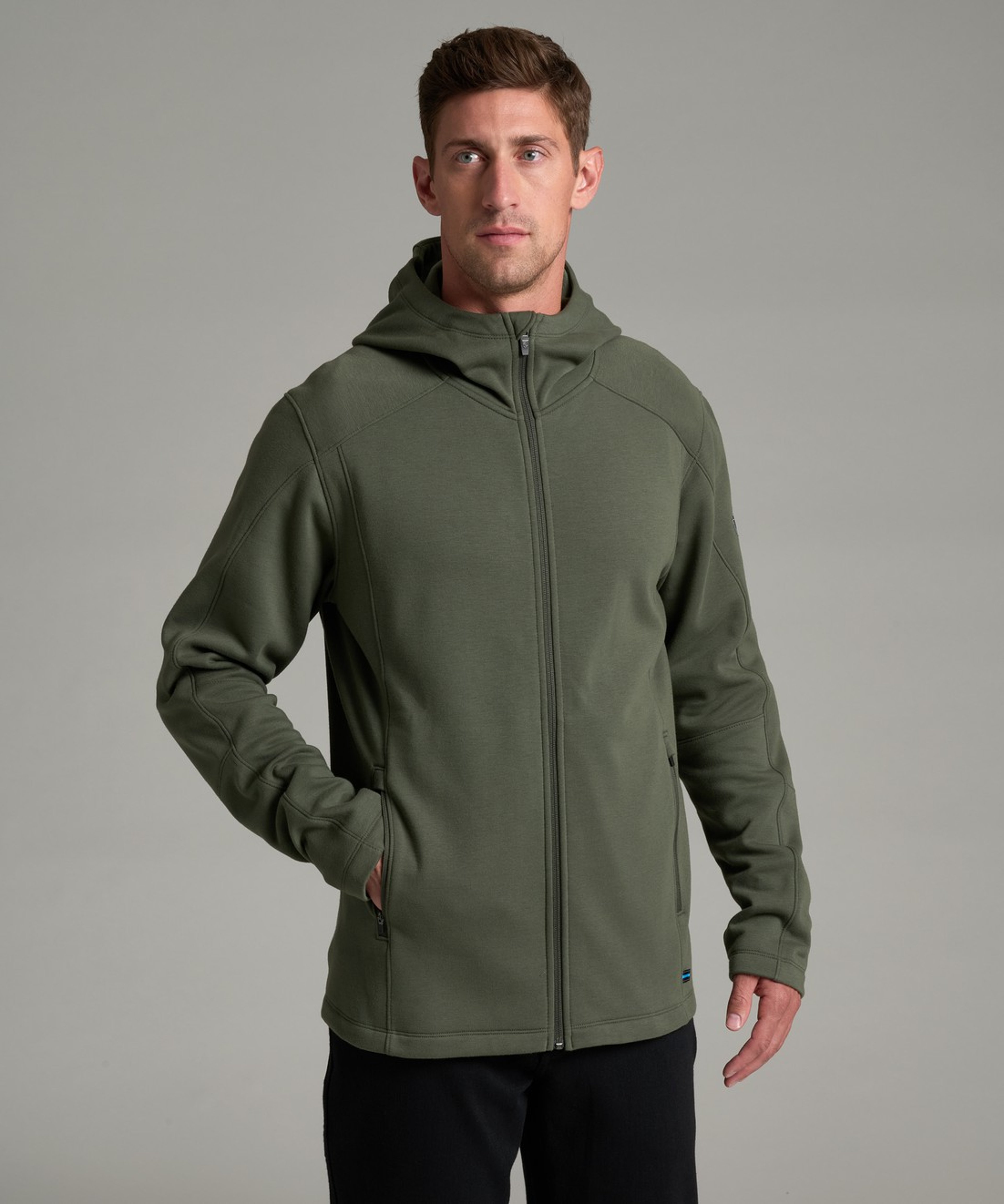
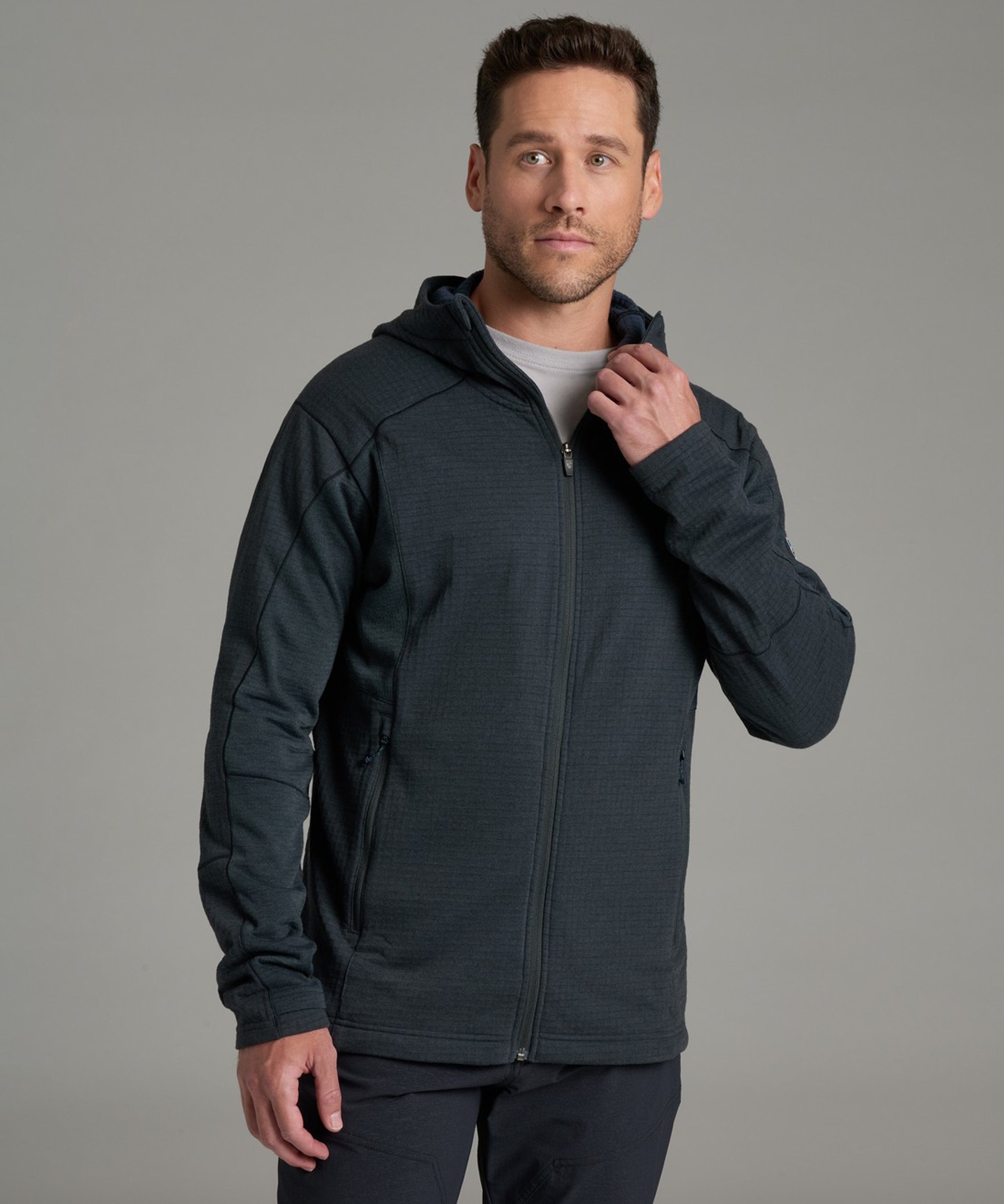
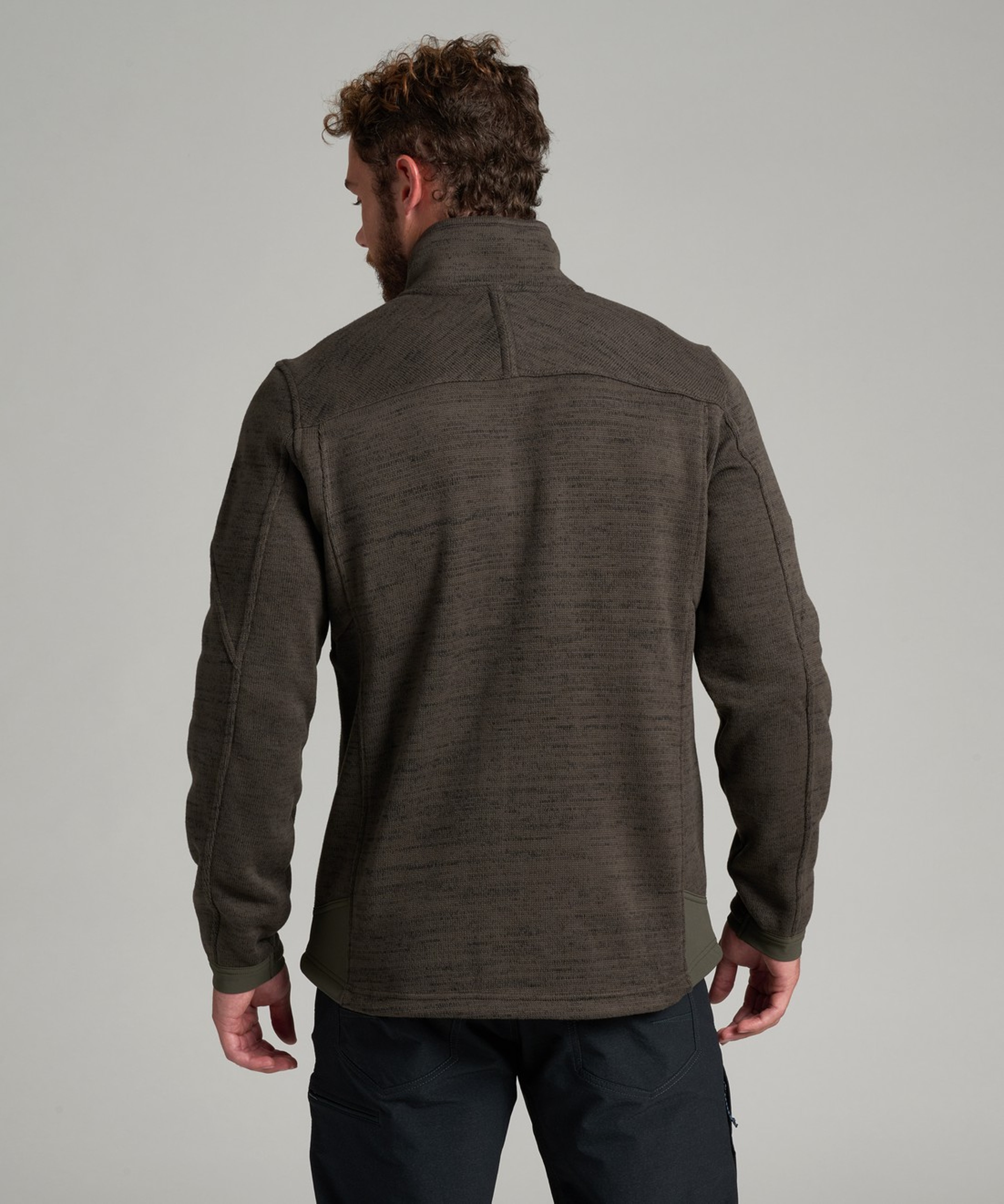
ALFPACA GOLD™ Performance Fleece. Our exclusive alpaca-blend fleece delivers premium softness, warmth-to-weight, and quick-dry comfort. Worn as a stand-alone mid-layer or under a men's softshell jacket, it carries you from cold mornings to bluebird afternoons without bulk.
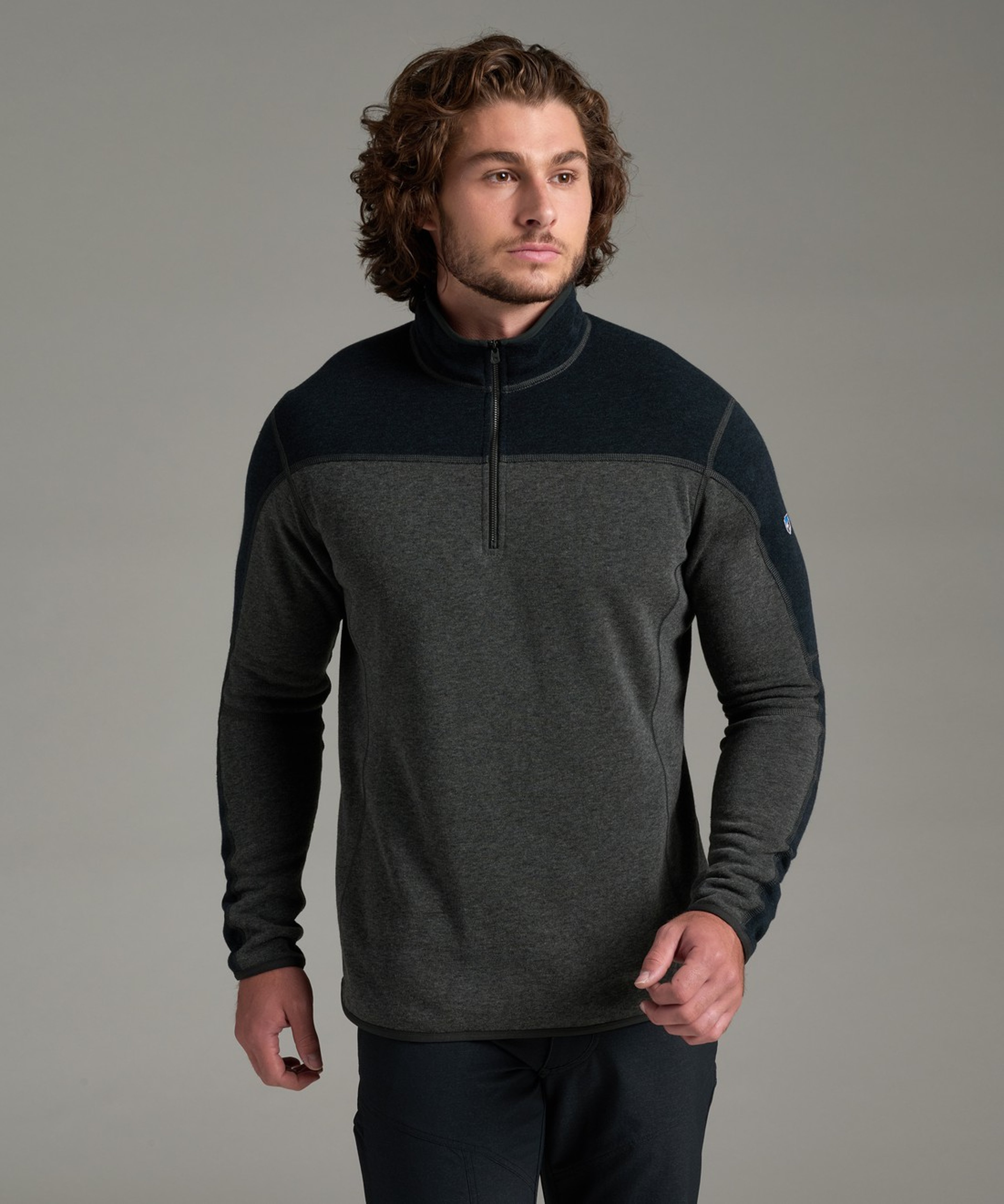
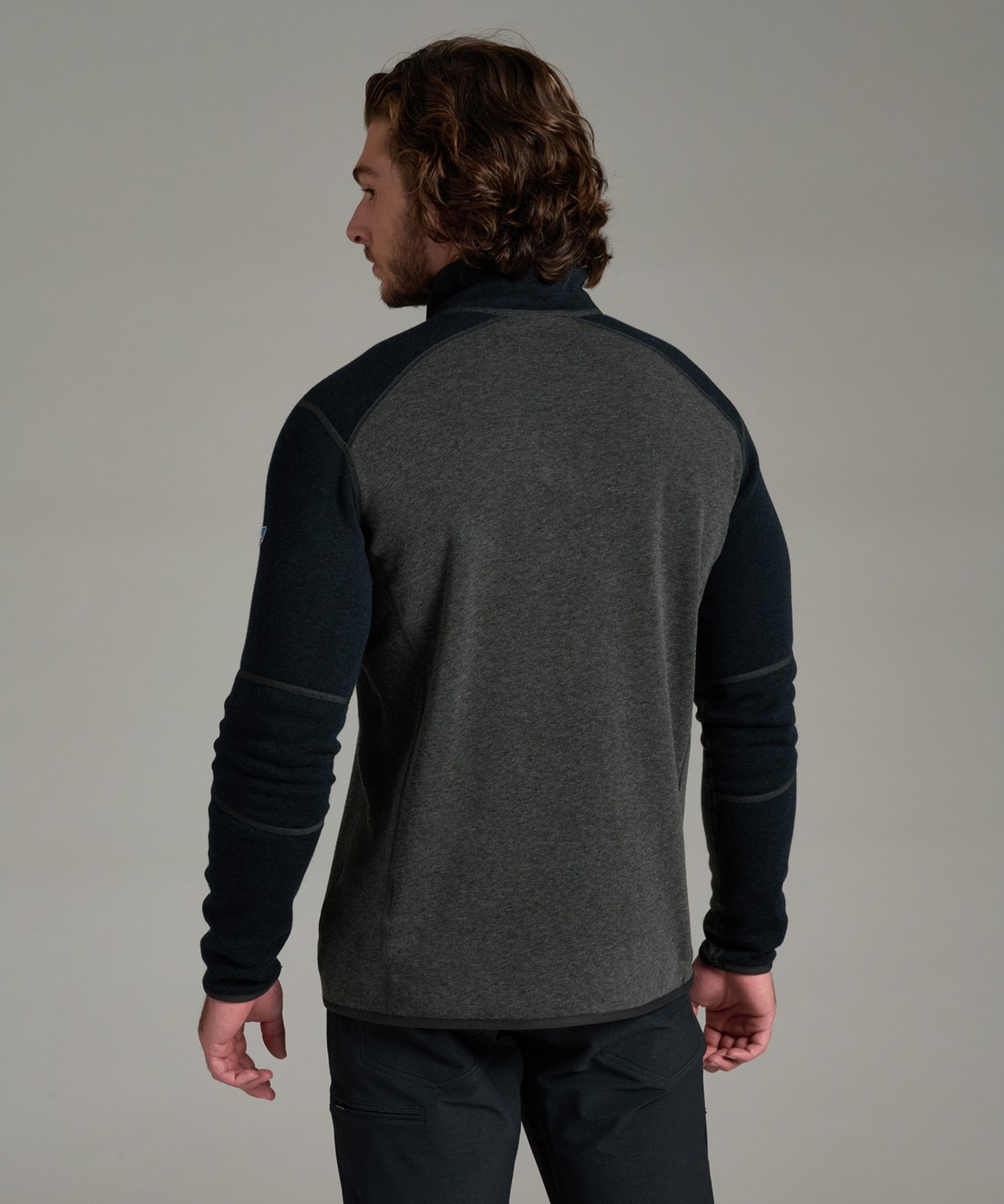
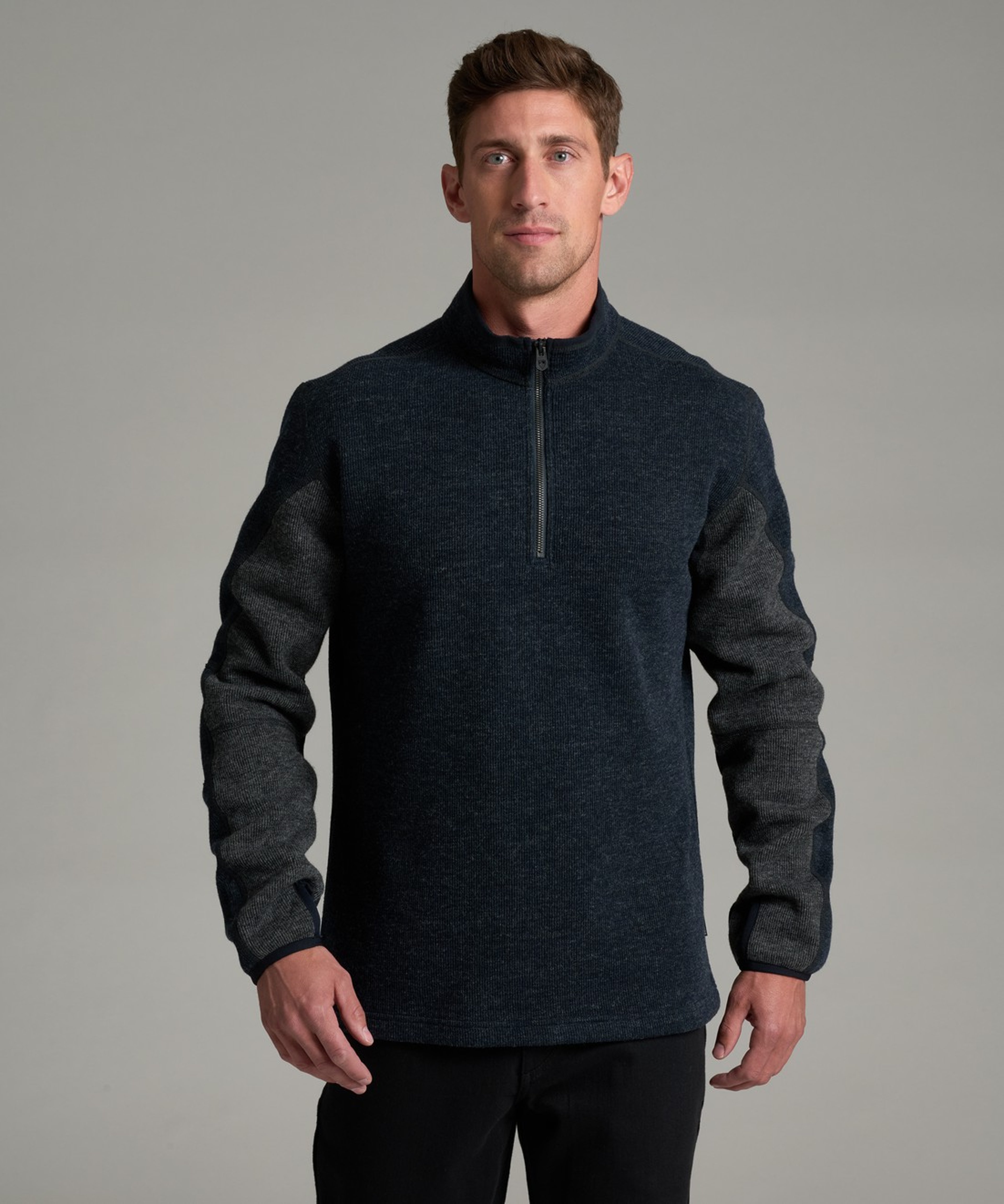
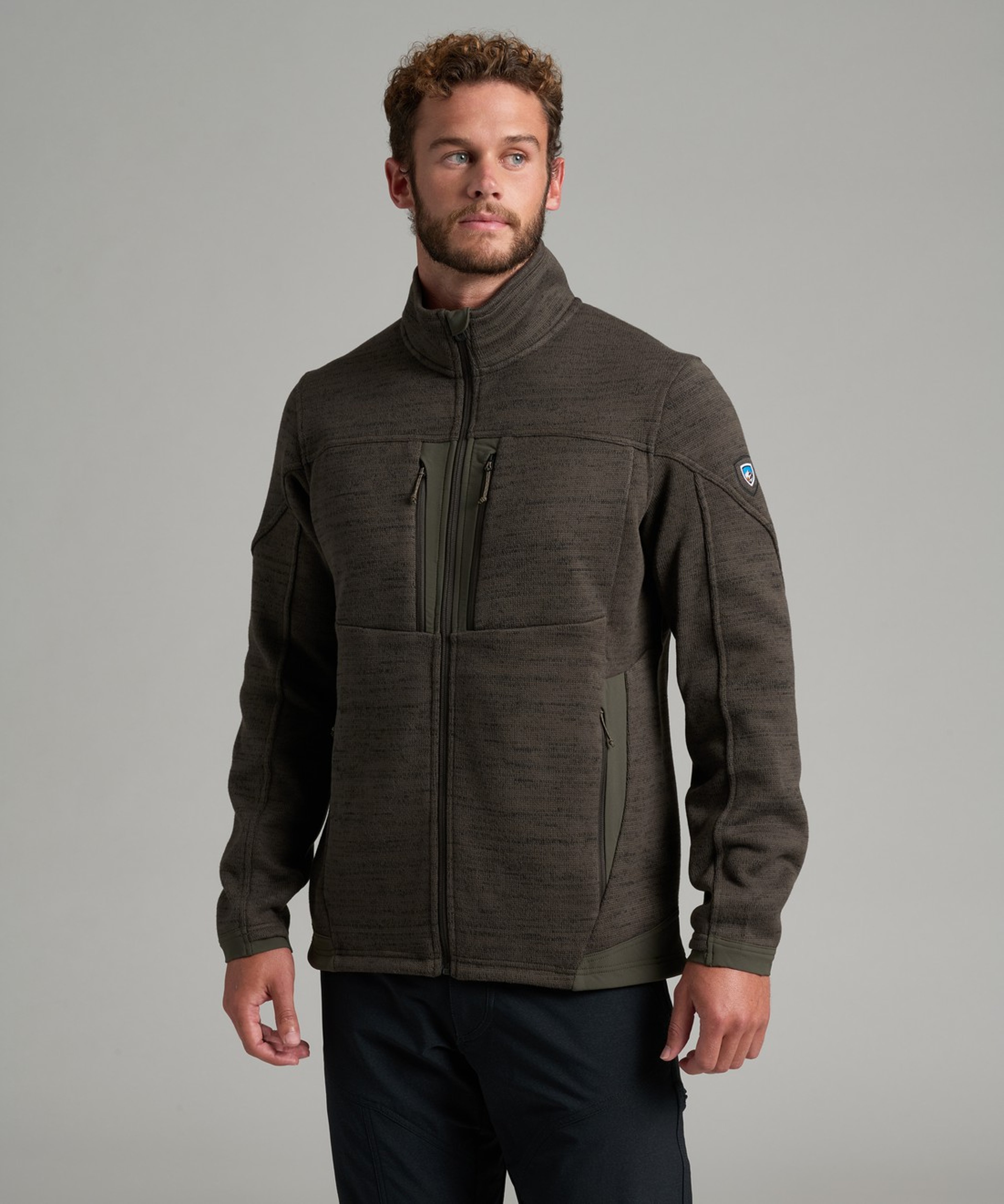
KASHMIRA™ Side Panels and Hybrid Builds. KASHMIRA™ shows up as articulated side panels and stretch zones, reducing bulk under the arms and along the ribs so you keep full range of motion when reaching, scrambling, or shouldering a pack. Pair it with ALFPACA GOLD™ across the core and you get hybrid fleece designed for cold-weather hiking and around-town wear alike.
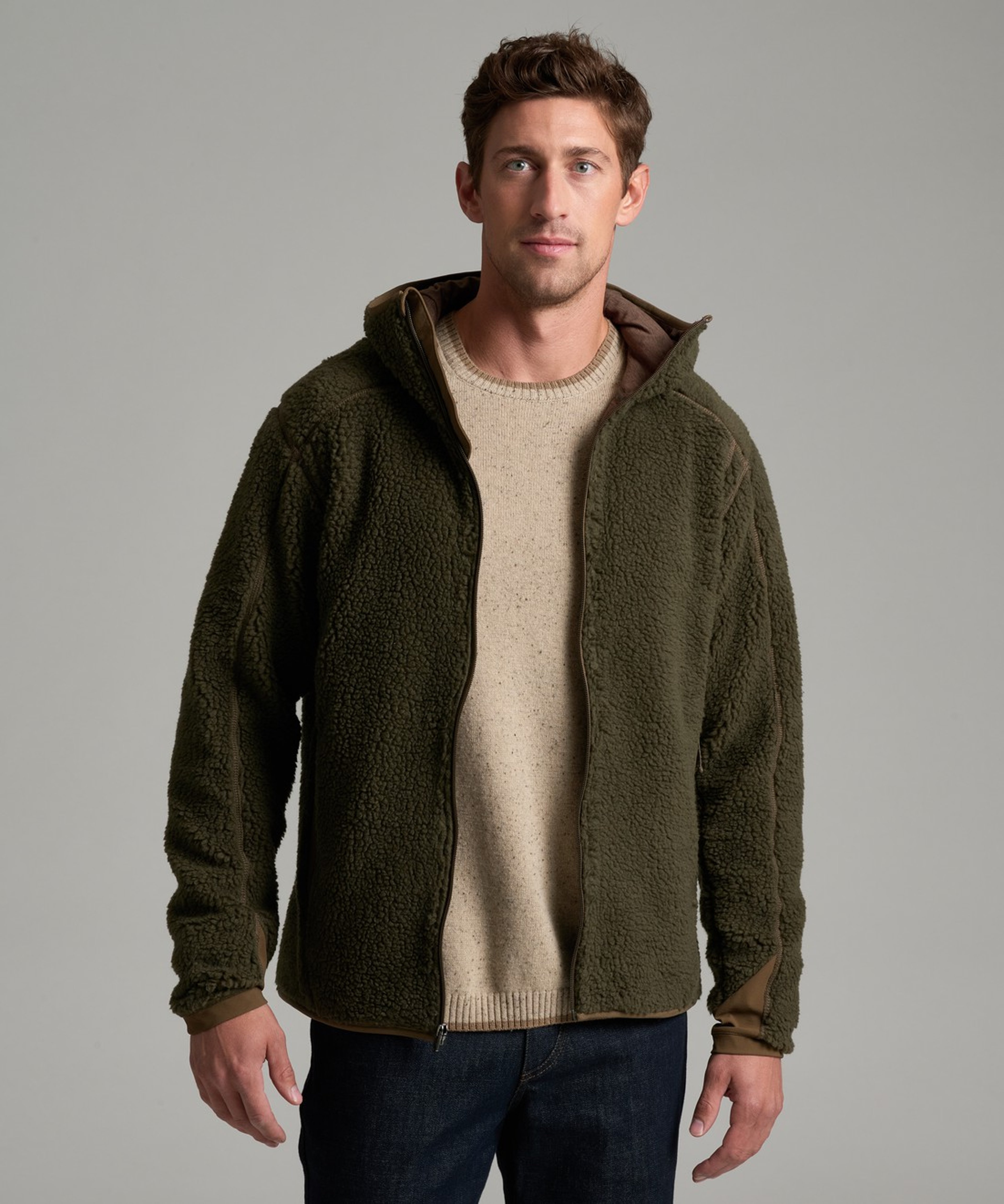
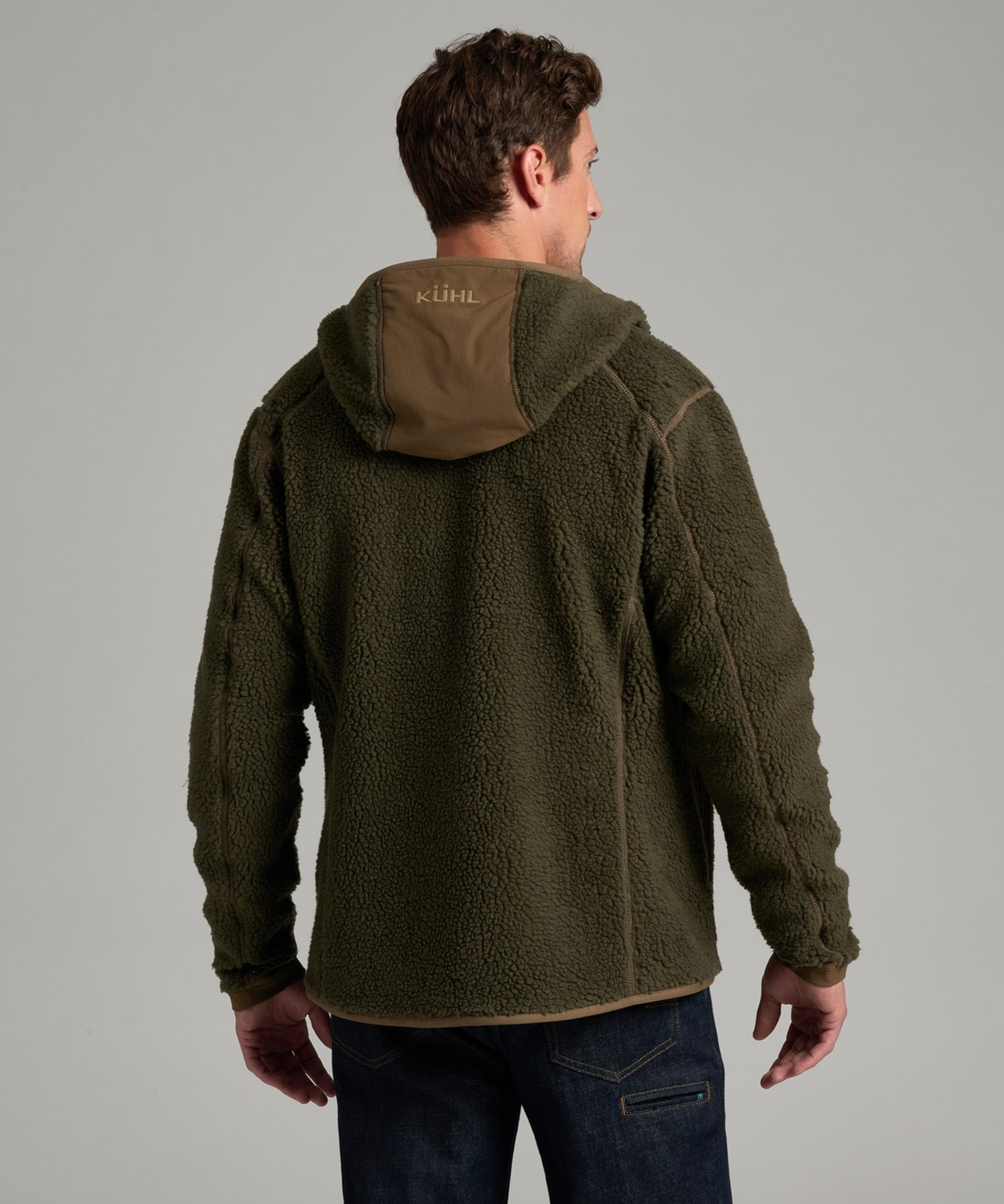
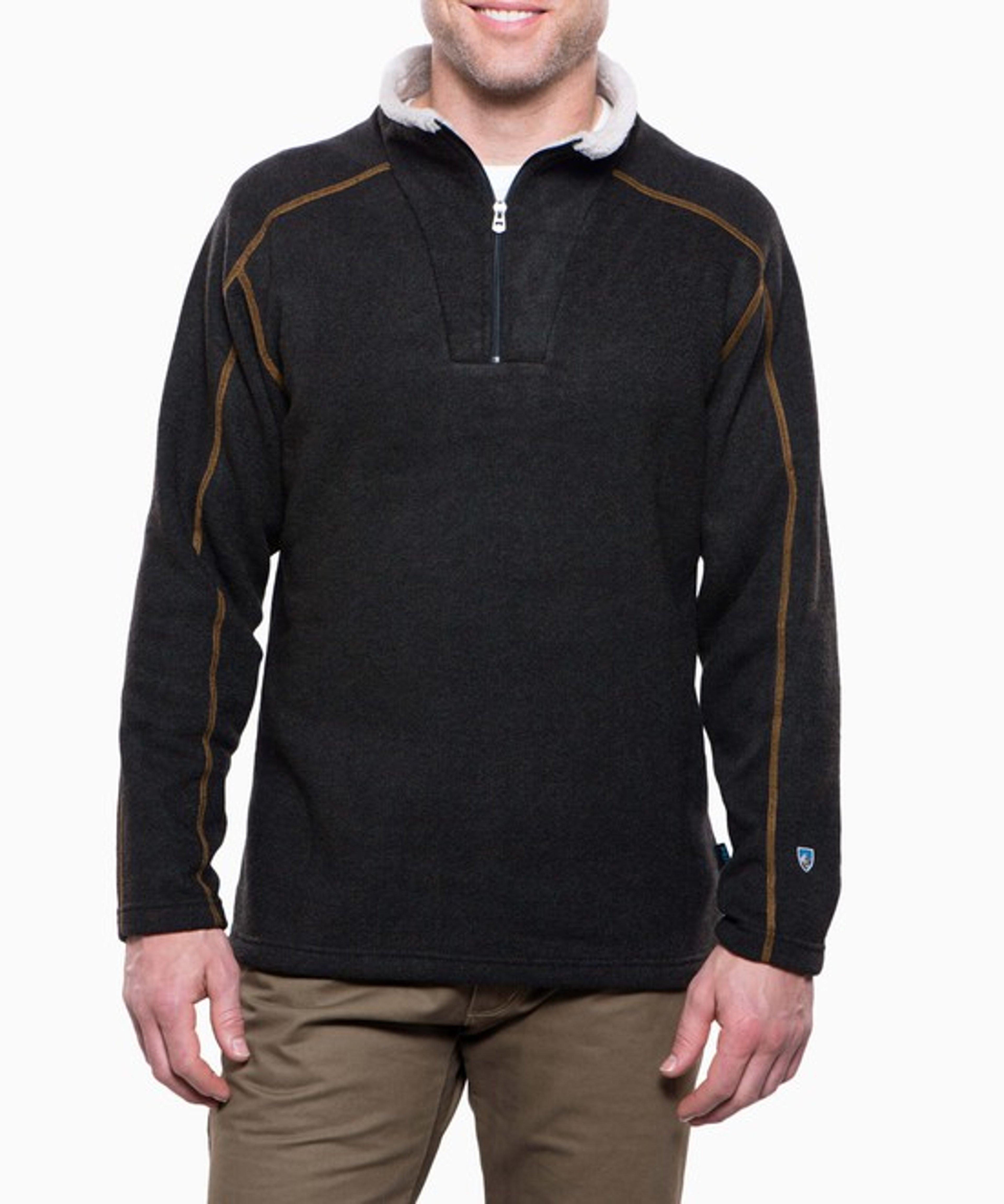
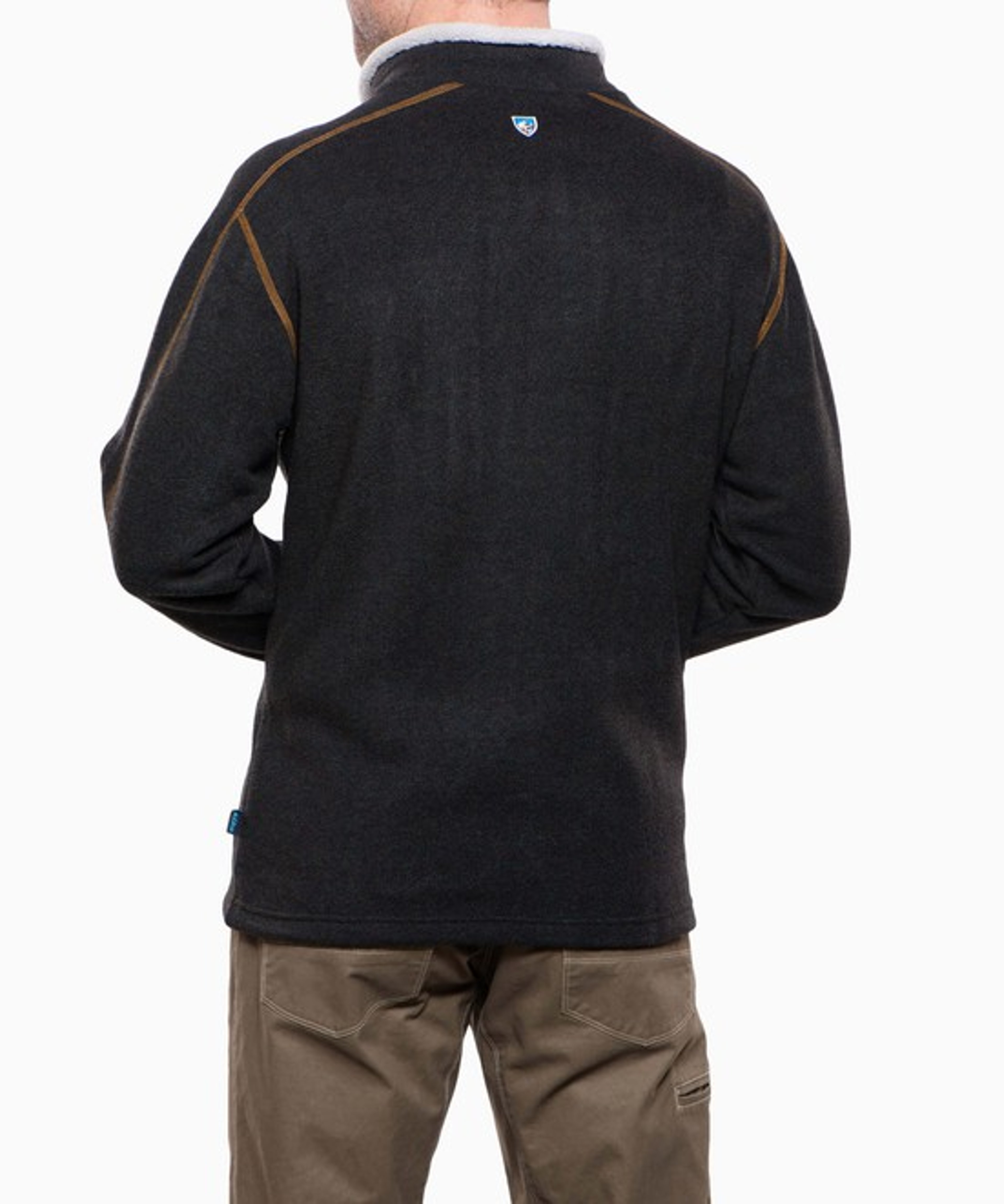
CHIANTI™ Warmth. CHIANTI™ is a denser, plusher fleece engineered for stand-alone warmth on cold days. Brushed interior, moisture-wicking face, and quick-dry behavior keep heat in without trapping sweat, the kind of layer you reach for first when the wind picks up.
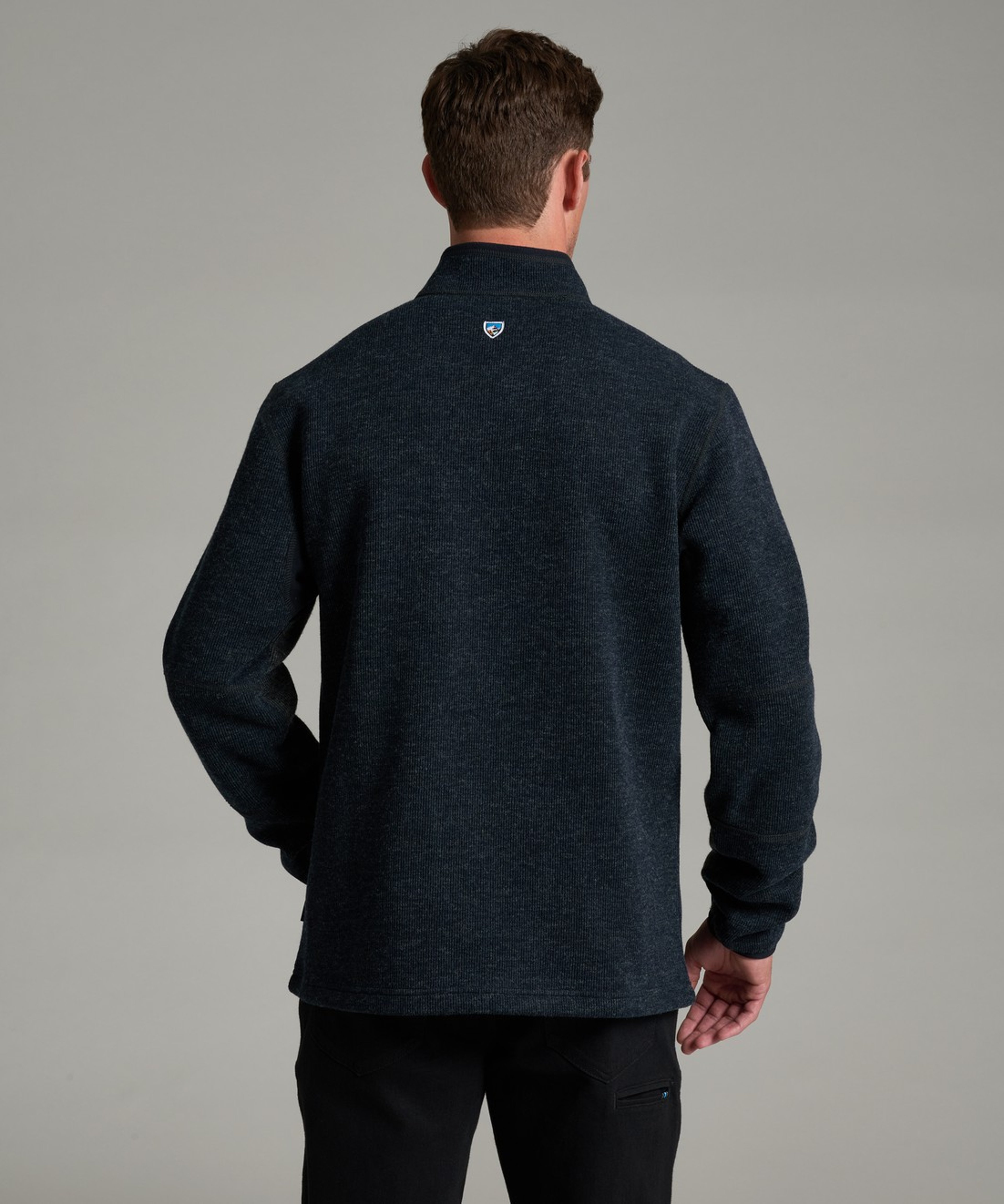
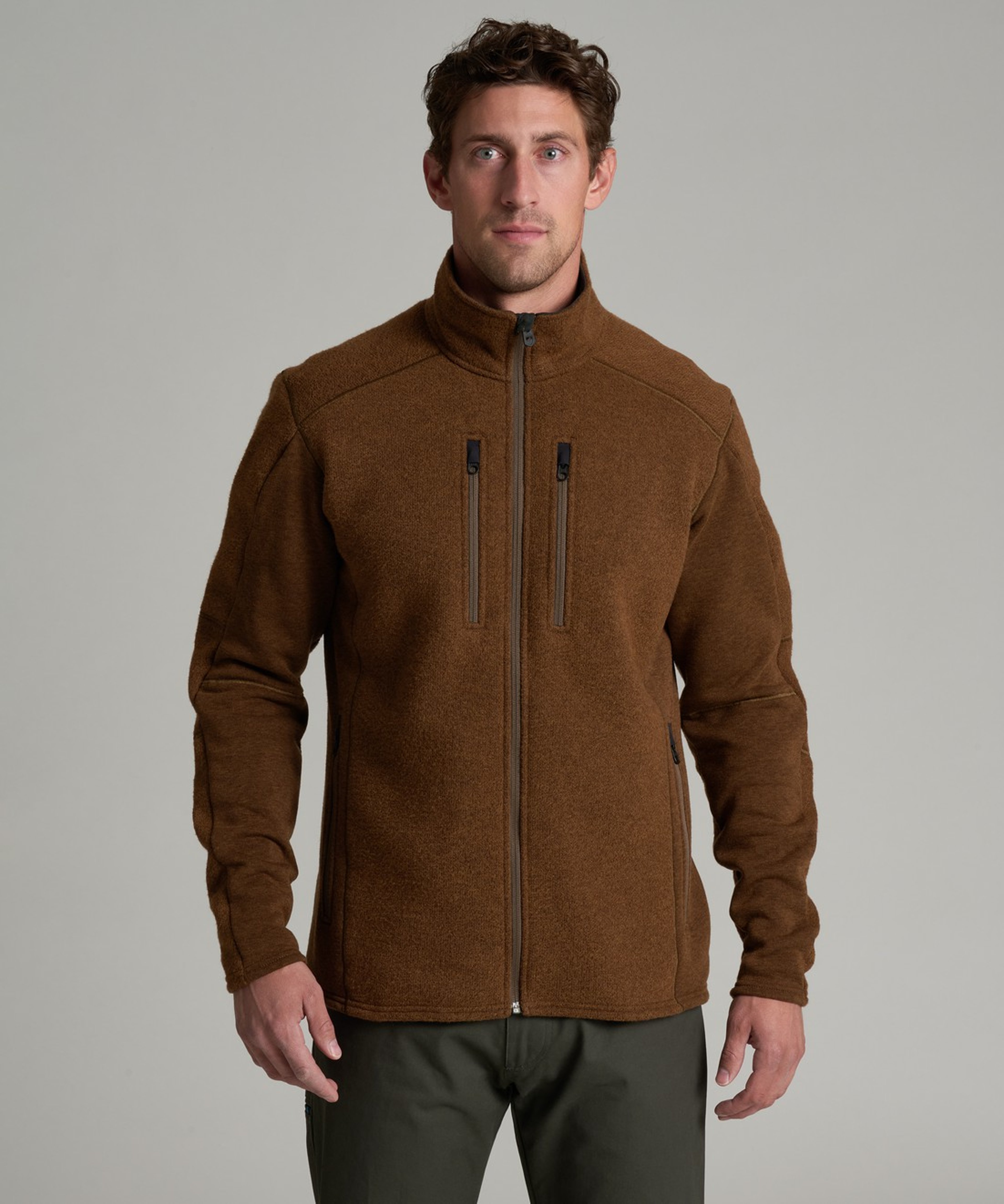
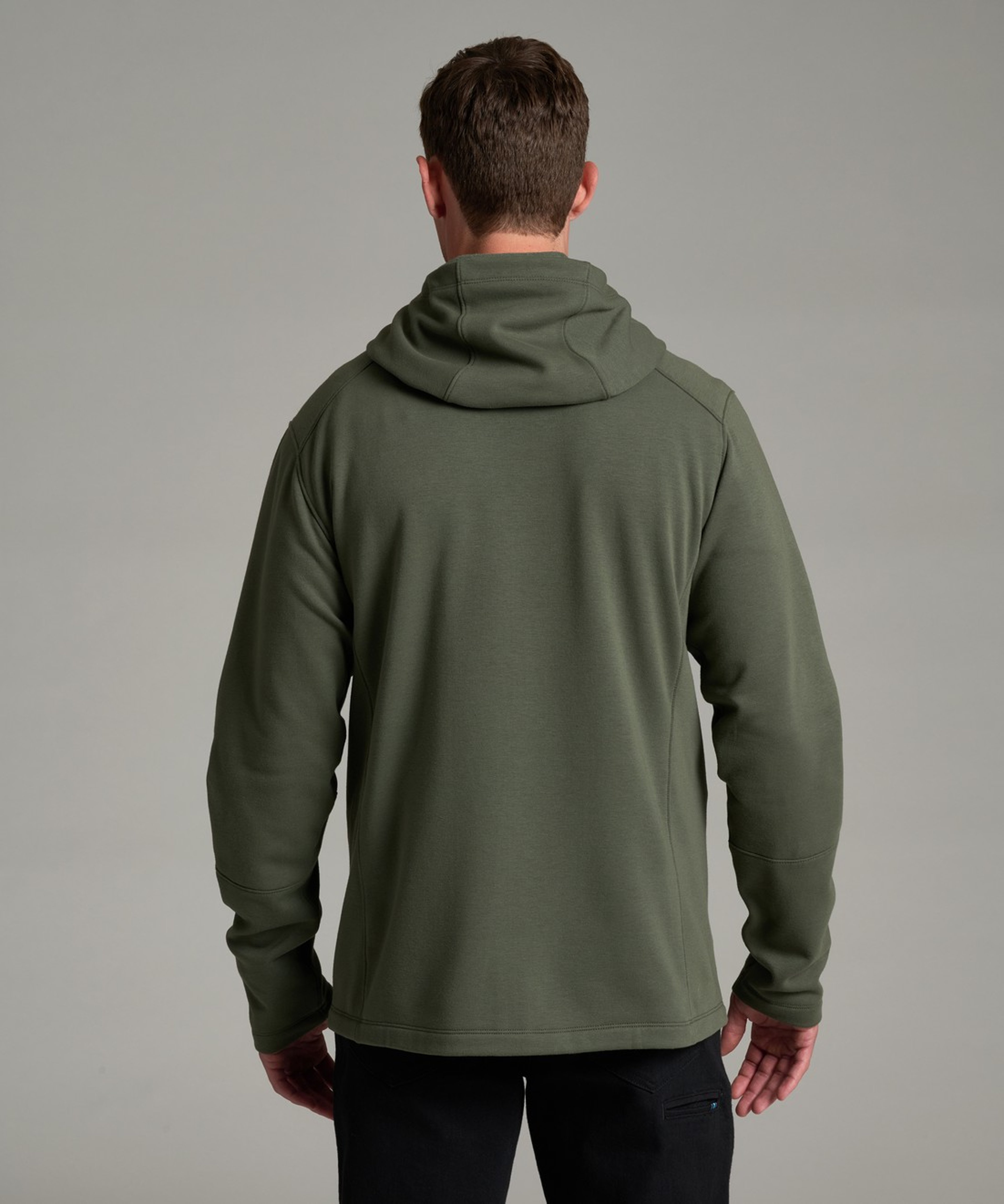
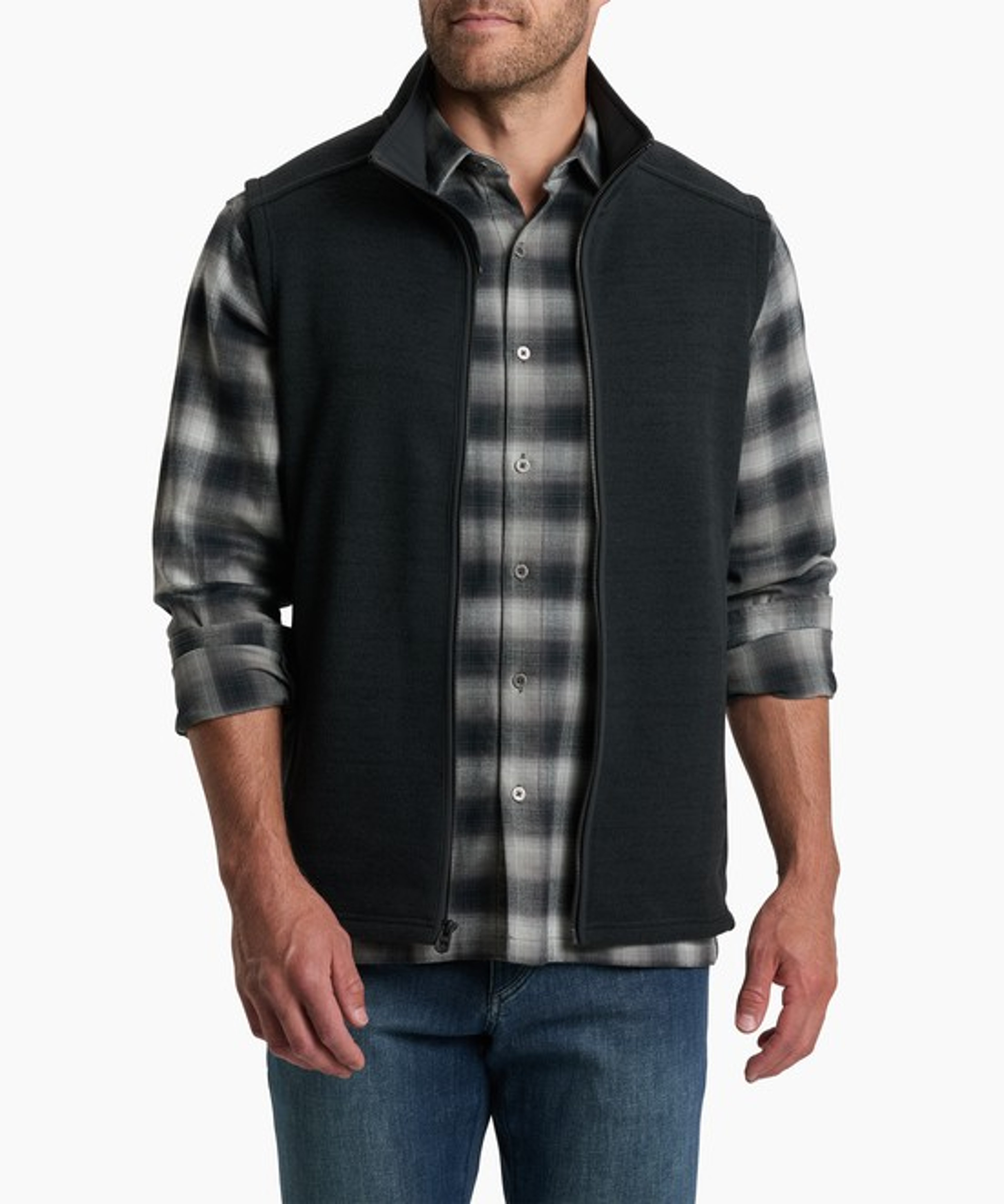
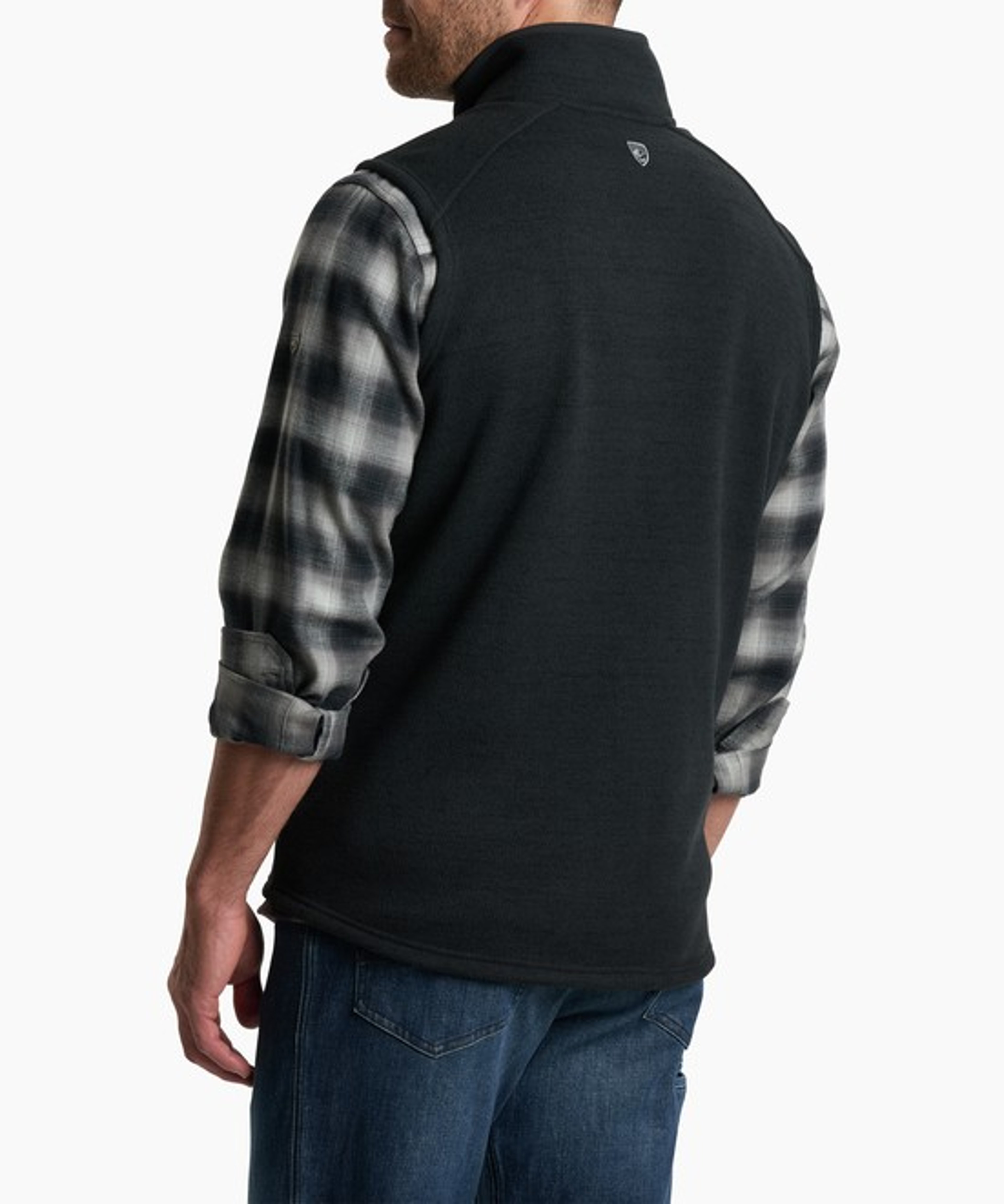
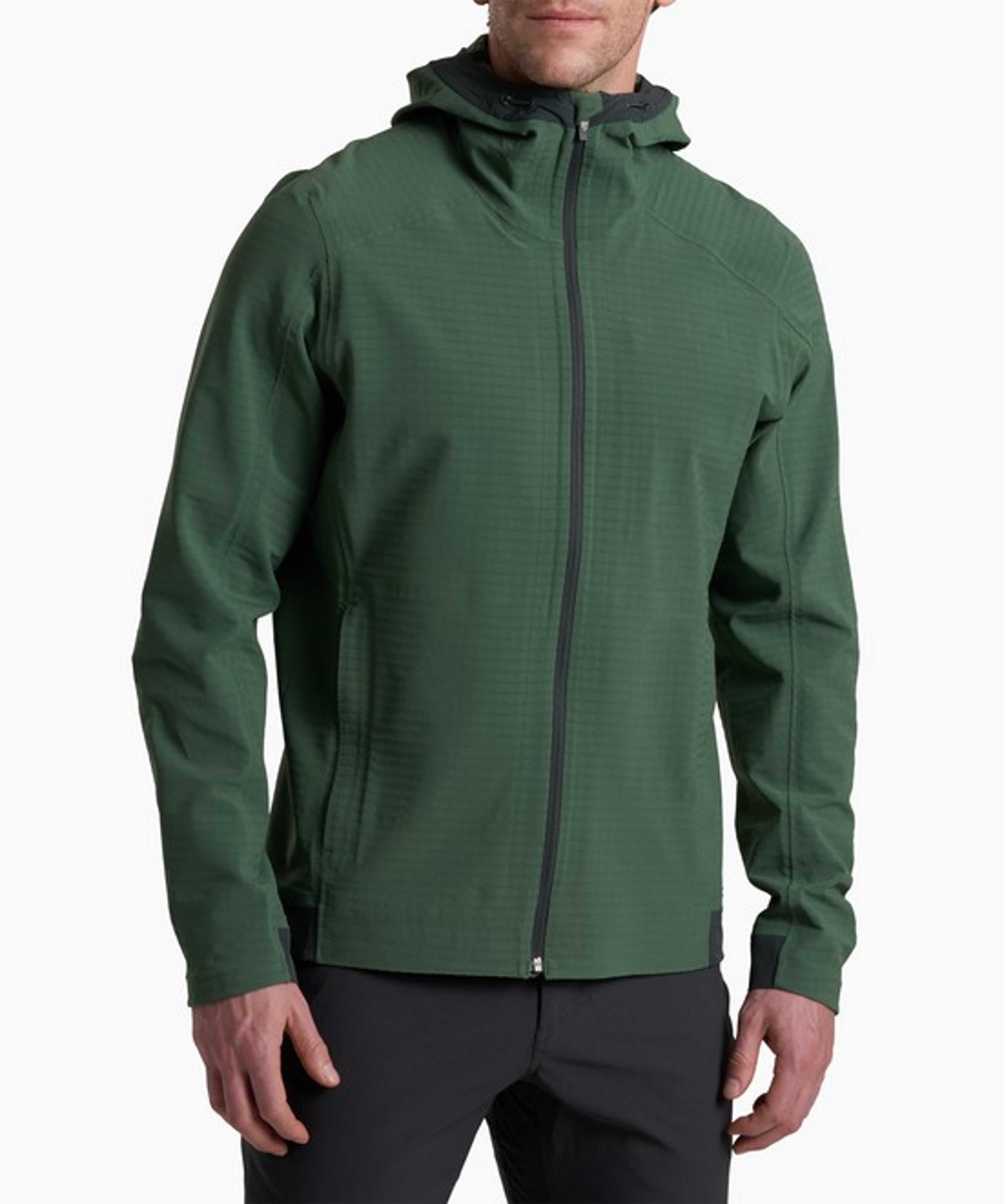
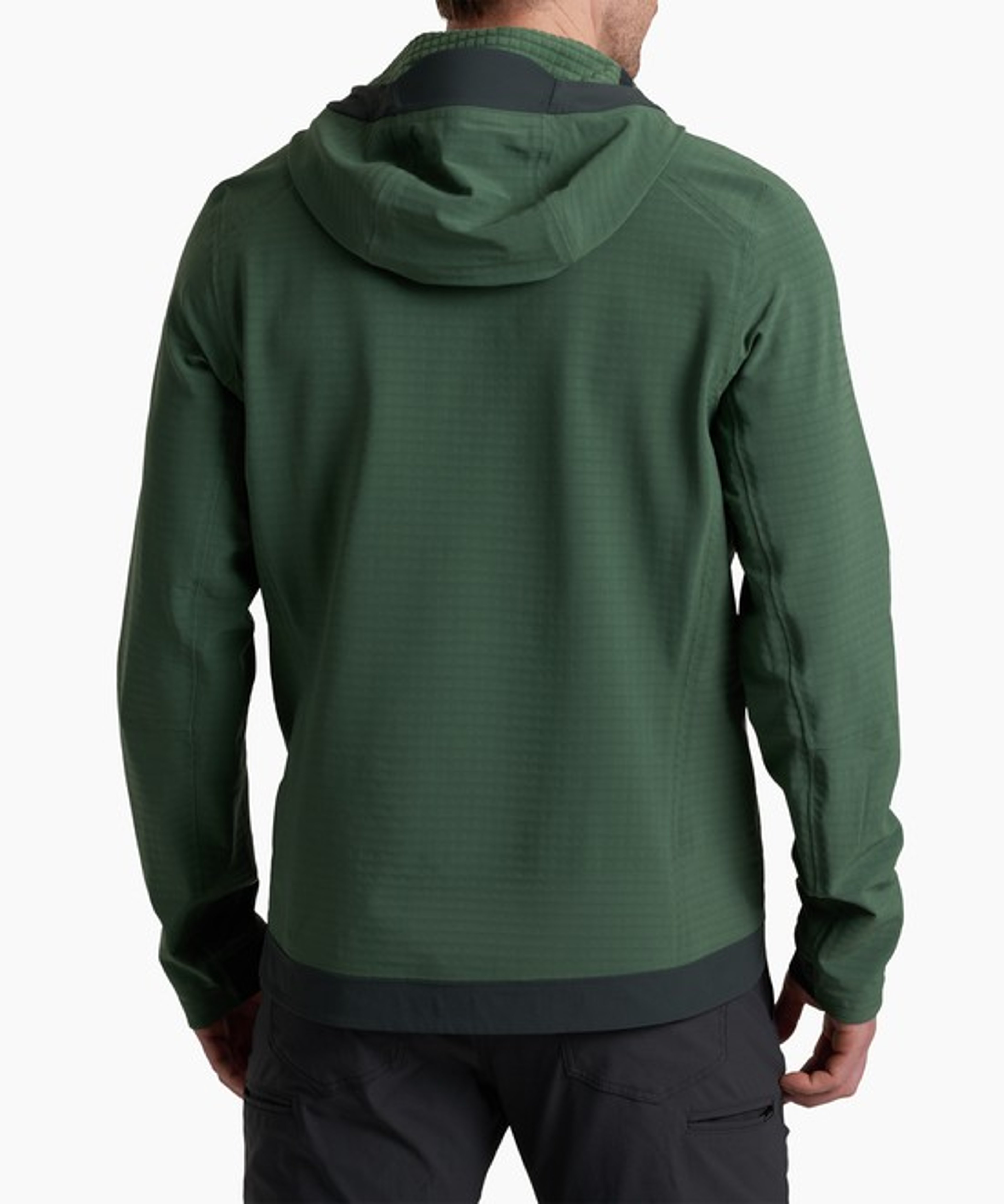
Full-Zip, Half-Zip, Hoody, and Vest Options. Full-zips and hoodies anchor a three-layer system worn under men's outerwear. Half-zips trade a little ventilation for a cleaner profile under a shell. Fleece vests add core warmth without bulking up the arms when you need free-swinging movement.
Look for signature touches like thumb loops to seal out the cold, articulated construction for freedom of movement, a brushed interior for next-to-skin softness, and low-bulk seams that layer cleanly under a shell. Heavier 300-weight builds bring berber collars and suede-reinforced shoulders for cold-season durability. Lighter weights pack down small for travel and shoulder-season hiking.
Choose from a variety of fabrics, weights, and silhouettes for the men's fleece that's right for you:
ALFPACA GOLD™ Performance Fleece. Our exclusive alpaca-blend fleece delivers premium softness, warmth-to-weight, and quick-dry comfort. Worn as a stand-alone mid-layer or under a men's softshell jacket, it carries you from cold mornings to bluebird afternoons without bulk.
KASHMIRA™ Side Panels and Hybrid Builds. KASHMIRA™ shows up as articulated side panels and stretch zones, reducing bulk under the arms and along the ribs so you keep full range of motion when reaching, scrambling, or shouldering a pack. Pair it with ALFPACA GOLD™ across the core and you get hybrid fleece designed for cold-weather hiking and around-town wear alike.
CHIANTI™ Warmth. CHIANTI™ is a denser, plusher fleece engineered for stand-alone warmth on cold days. Brushed interior, moisture-wicking face, and quick-dry behavior keep heat in without trapping sweat, the kind of layer you reach for first when the wind picks up.
Full-Zip, Half-Zip, Hoody, and Vest Options. Full-zips and hoodies anchor a three-layer system worn under men's outerwear. Half-zips trade a little ventilation for a cleaner profile under a shell. Fleece vests add core warmth without bulking up the arms when you need free-swinging movement.
Look for signature touches like thumb loops to seal out the cold, articulated construction for freedom of movement, a brushed interior for next-to-skin softness, and low-bulk seams that layer cleanly under a shell. Heavier 300-weight builds bring berber collars and suede-reinforced shoulders for cold-season durability. Lighter weights pack down small for travel and shoulder-season hiking.
Men's fleece buyer's guide: fabric weight, layering fit, shell pairings, and what to look for when you're hiking, traveling, or layering up in the cold.
What should you look for in men's fleece?
Look for a fleece that matches your layering plan: the right fabric weight for the weather, a fit that leaves room for a baselayer, and a shape that sits cleanly under a shell.
Weight comes first. Lightweight fleece breathes well during high-output hiking and packs small for travel. Heavier builds in CHIANTI™ or 300-weight constructions hold heat when you're moving slowly.
Fabric matters next. Our exclusive ALFPACA GOLD™ delivers warmth-to-weight and quick-dry performance, while KASHMIRA™ side panels add stretch and reduce bulk where you need motion.
Weight comes first. Lightweight fleece breathes well during high-output hiking and packs small for travel. Heavier builds in CHIANTI™ or 300-weight constructions hold heat when you're moving slowly.
Fabric matters next. Our exclusive ALFPACA GOLD™ delivers warmth-to-weight and quick-dry performance, while KASHMIRA™ side panels add stretch and reduce bulk where you need motion.
What's the difference between a hardshell, softshell, and insulated jacket?
A hardshell is a fully waterproof outer layer, a softshell is a stretchy, breathable, water-resistant outer layer, and an insulated jacket is a warmth-providing layer worn over a baselayer or fleece.
Hardshells use a waterproof membrane with taped seams for sustained rain or snow. See our men's rain jackets. Softshells use a DWR finish over a stretch face fabric for wind and light moisture. Insulated jackets, down or synthetic, trap heat as a mid-layer or stand-alone in dry cold.
Fleece sits closest to softshell: breathable, comfortable across a wide temperature range, and best paired with a shell when the weather turns.
Hardshells use a waterproof membrane with taped seams for sustained rain or snow. See our men's rain jackets. Softshells use a DWR finish over a stretch face fabric for wind and light moisture. Insulated jackets, down or synthetic, trap heat as a mid-layer or stand-alone in dry cold.
Fleece sits closest to softshell: breathable, comfortable across a wide temperature range, and best paired with a shell when the weather turns.
How do you choose between down and synthetic insulation?
Choose down for the best warmth-to-weight in dry, cold conditions. Choose synthetic when you expect wet weather or hard sweating.
Down packs smaller and weighs less per degree of warmth, ideal for cold, dry alpine starts. Synthetic fill keeps insulating when damp and dries faster, which matters in rain, sleet, or high-output use.
Fleece is a third option worth naming. Unlike a puffy, fleece keeps insulating when wet, breathes hard during exertion, and layers cleanly under a shell.
Down packs smaller and weighs less per degree of warmth, ideal for cold, dry alpine starts. Synthetic fill keeps insulating when damp and dries faster, which matters in rain, sleet, or high-output use.
Fleece is a third option worth naming. Unlike a puffy, fleece keeps insulating when wet, breathes hard during exertion, and layers cleanly under a shell.
Are fleece waterproof or just water-resistant?
Fleece is not waterproof. It's a breathable insulating layer that repels light moisture but soaks through in sustained rain.
Fleece traps warm air and moves sweat outward. It doesn't block water. Some faces shed a brief drizzle thanks to a denser knit or a light DWR finish, but none have the membrane or taped seams of a true rain shell.
The right answer is layering. Wear fleece under a hardshell when rain is forecast, and under a windbreaker when wind is the bigger threat.
Fleece traps warm air and moves sweat outward. It doesn't block water. Some faces shed a brief drizzle thanks to a denser knit or a light DWR finish, but none have the membrane or taped seams of a true rain shell.
The right answer is layering. Wear fleece under a hardshell when rain is forecast, and under a windbreaker when wind is the bigger threat.
How should a fleece fit for layering?
A fleece should fit close enough to trap warm air but with enough room for a baselayer underneath and a shell over the top without binding.
If sleeves are too tight, a shell over the top will pinch at the shoulders. If the body is too boxy, cold air leaks through the hem. Look for articulated construction at the elbows, a hem that sits at or just below the hipbelt, and thumb loops to anchor sleeves under outer layers.
If sleeves are too tight, a shell over the top will pinch at the shoulders. If the body is too boxy, cold air leaks through the hem. Look for articulated construction at the elbows, a hem that sits at or just below the hipbelt, and thumb loops to anchor sleeves under outer layers.
What features matter most when hiking or backpacking?
For hiking and backpacking, prioritize packability, pocket access under a hipbelt, articulated movement, and a hem that doesn't ride up under a pack.
Lighter ALFPACA GOLD™ builds compress small. Heavier CHIANTI™ pieces earn their bulk on colder days. Chest pockets above the hipbelt stay usable with a pack on, while low-bulk seams prevent hotspots under shoulder straps.
Pair the fleece with a hardshell from our men's jackets collection for rain, and a baselayer underneath for moisture management.
Lighter ALFPACA GOLD™ builds compress small. Heavier CHIANTI™ pieces earn their bulk on colder days. Chest pockets above the hipbelt stay usable with a pack on, while low-bulk seams prevent hotspots under shoulder straps.
Pair the fleece with a hardshell from our men's jackets collection for rain, and a baselayer underneath for moisture management.