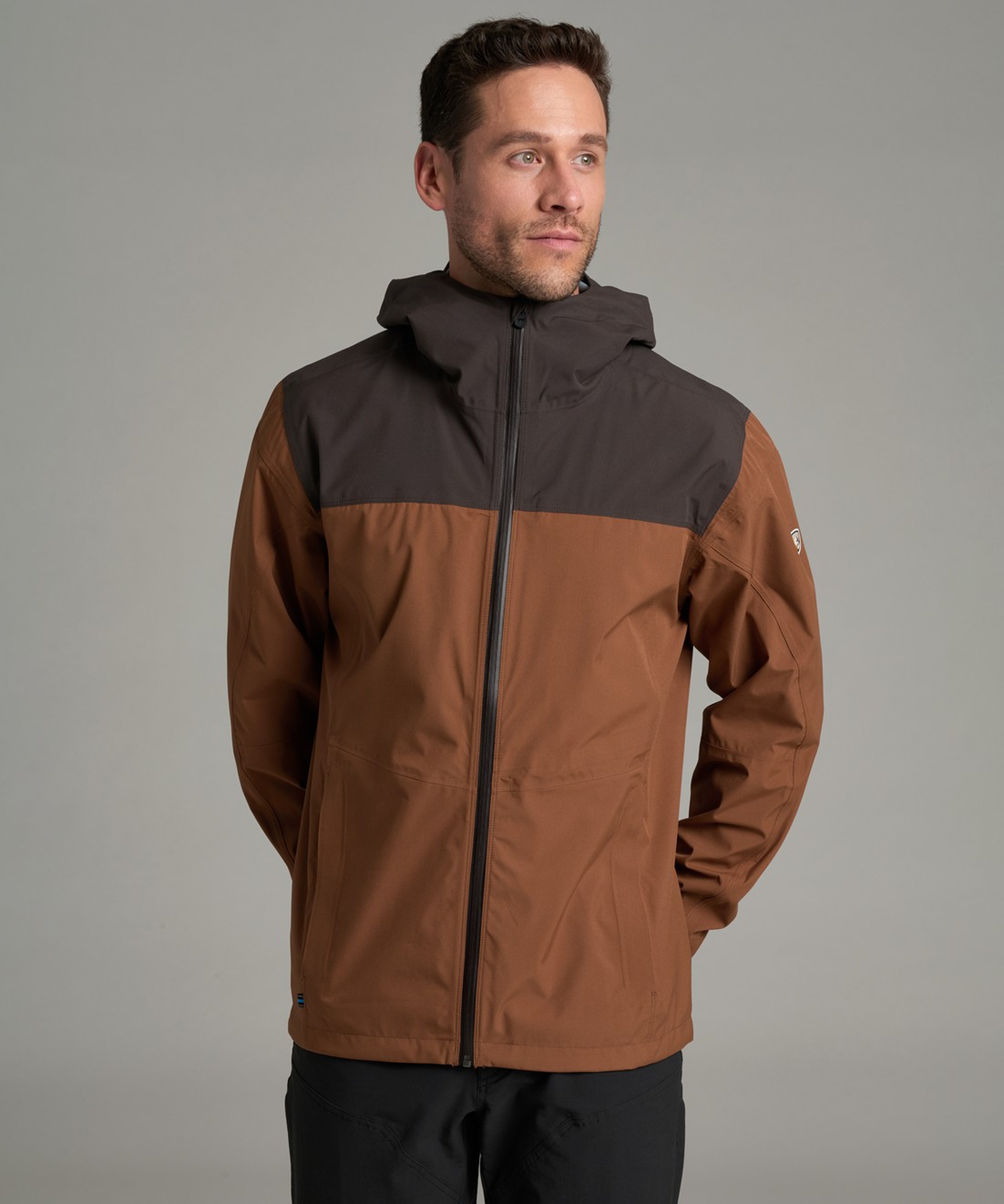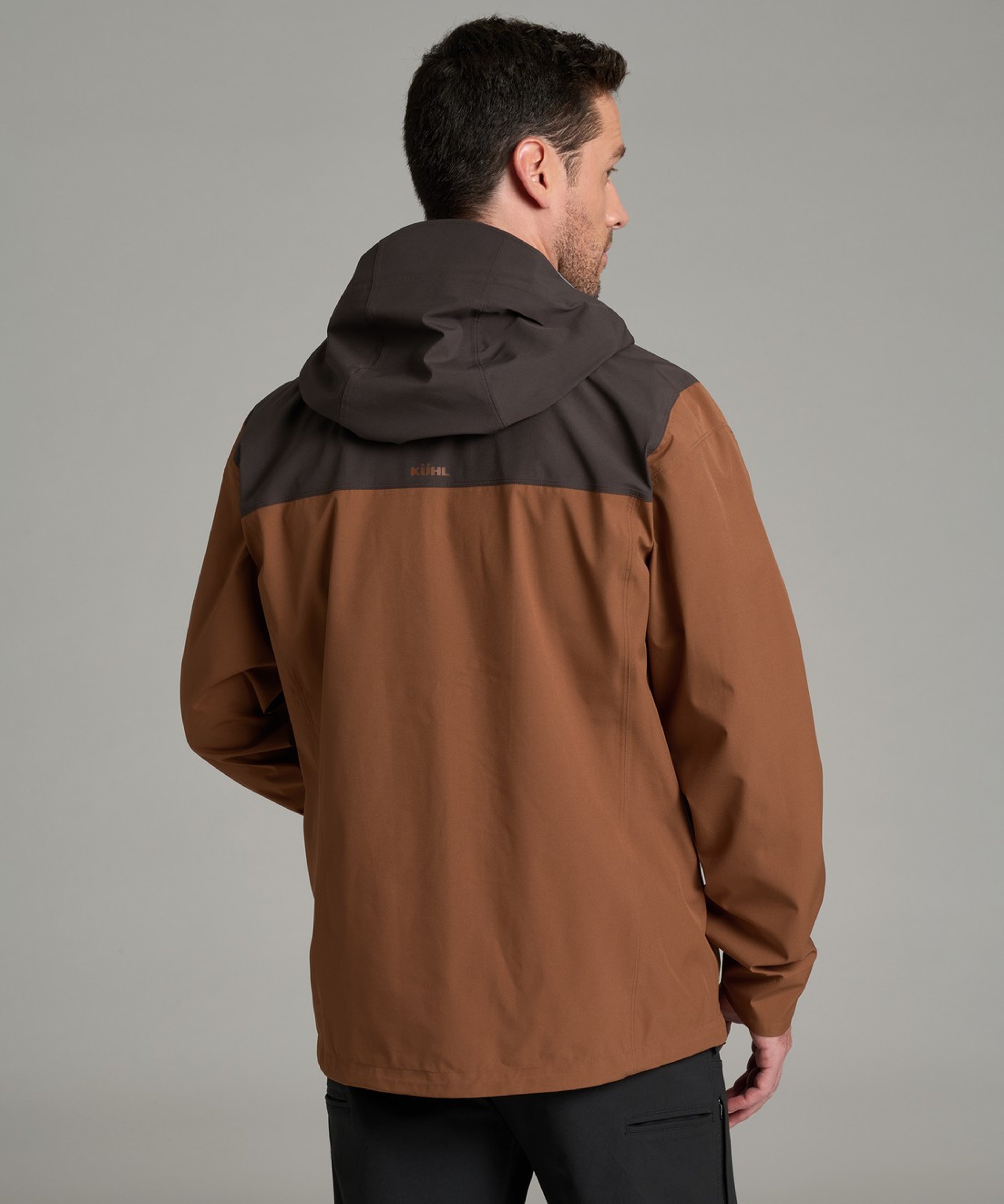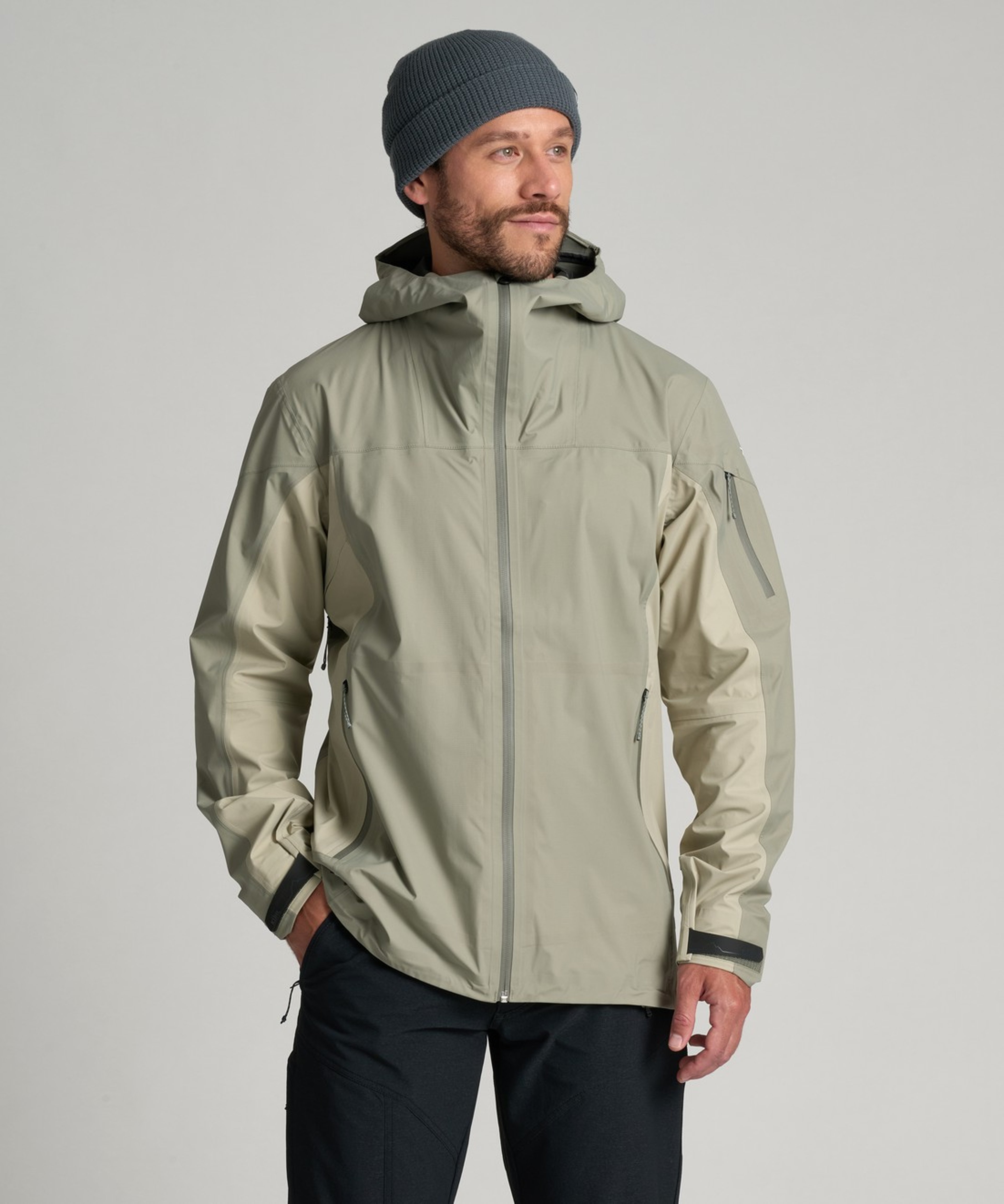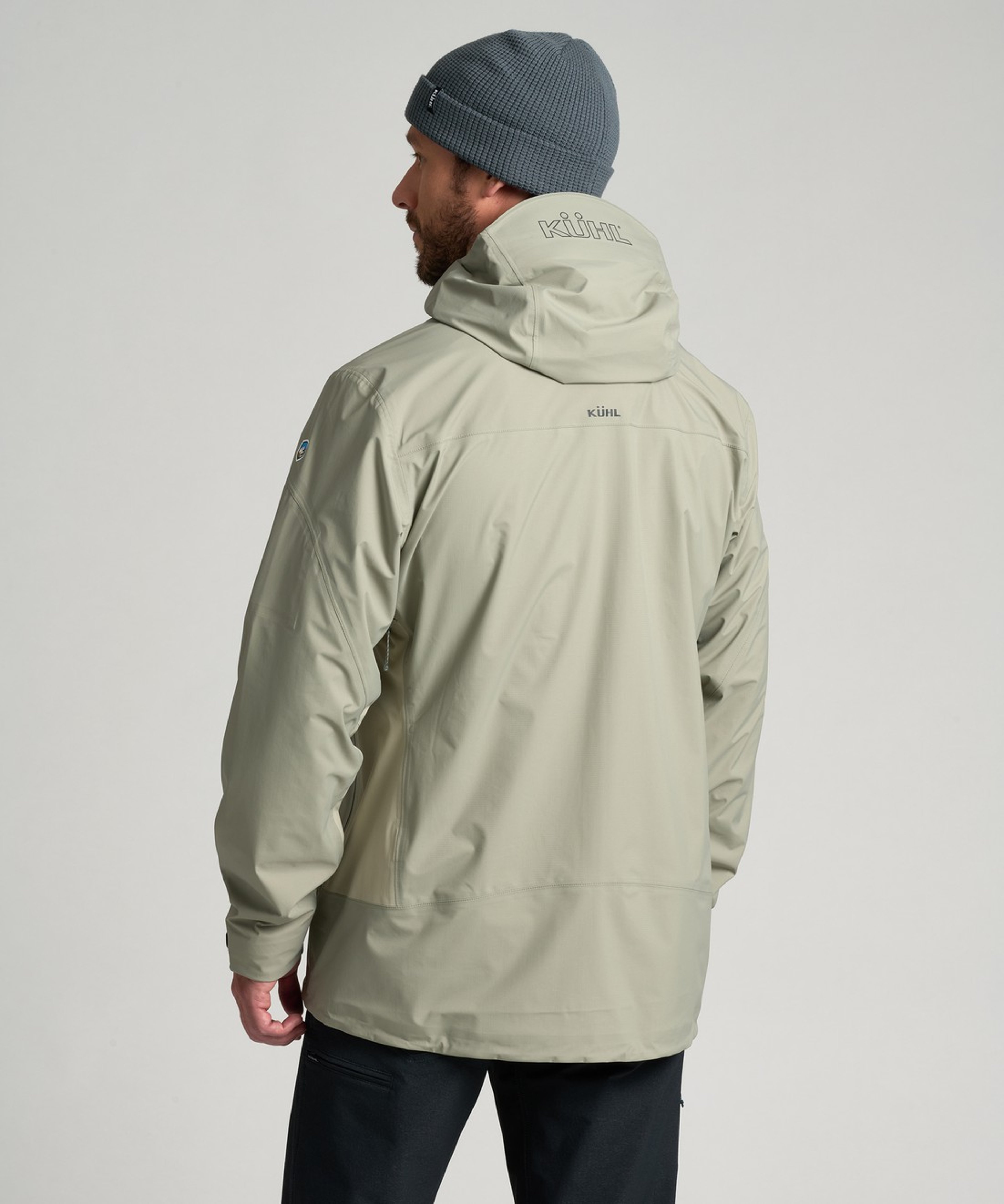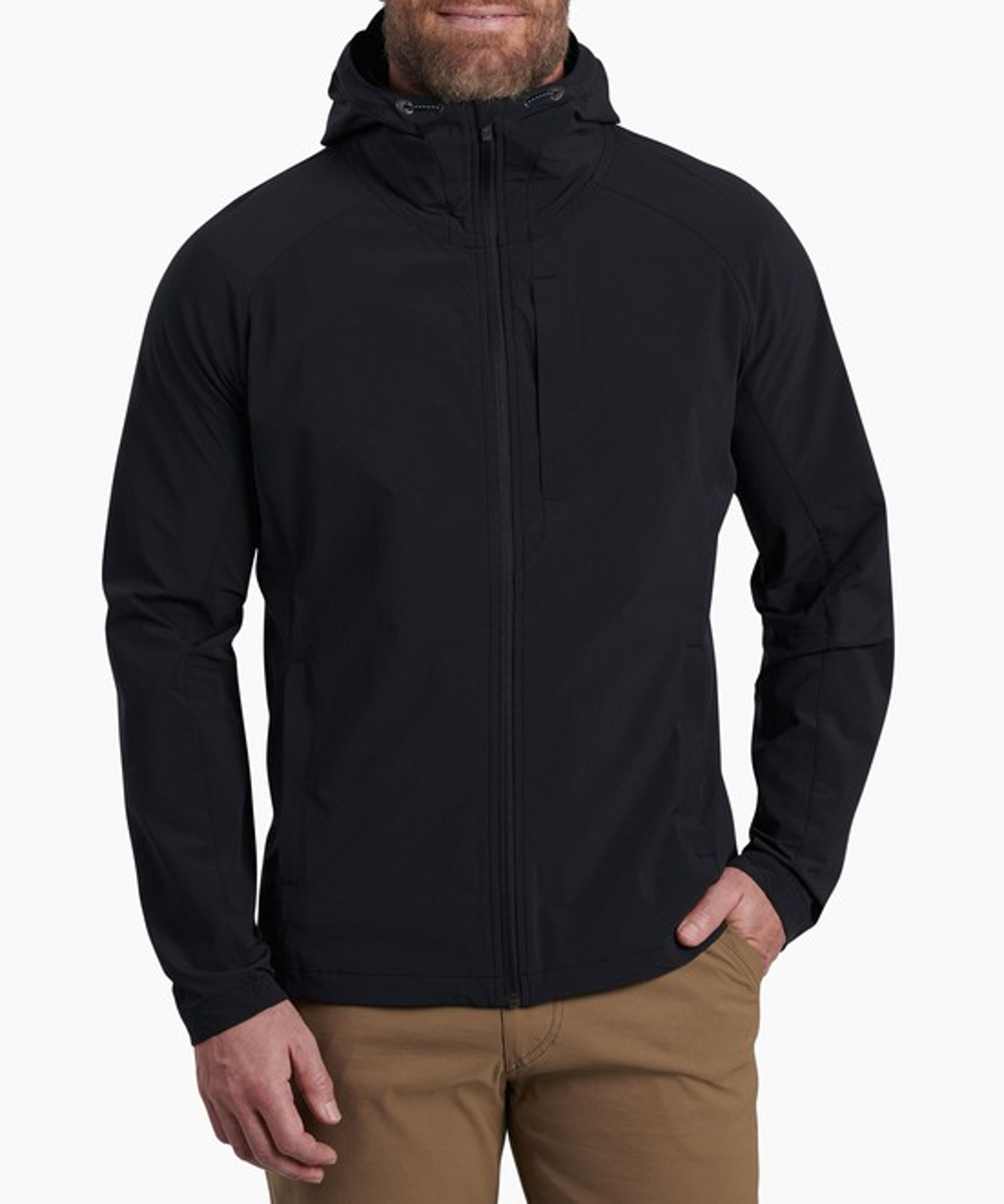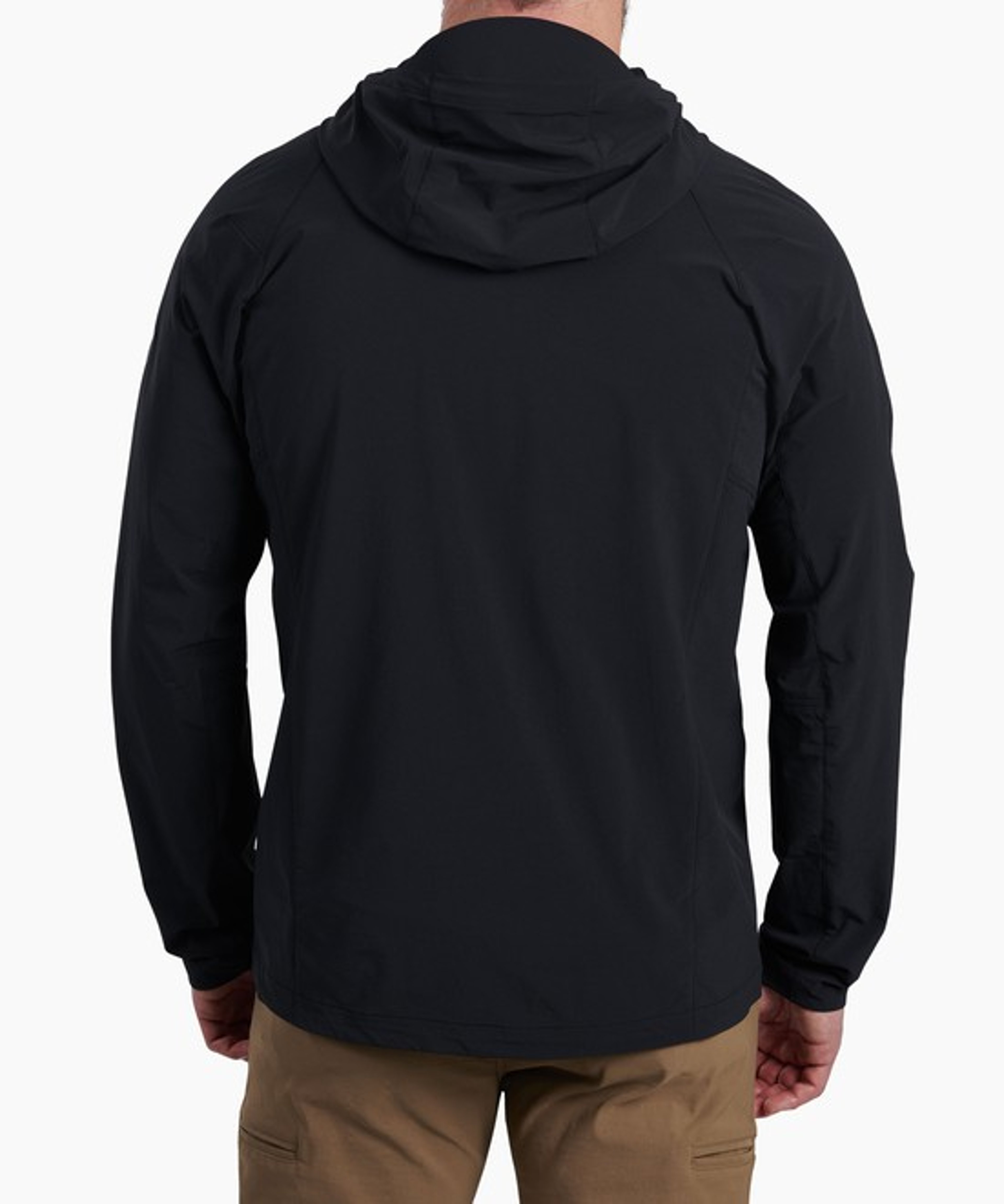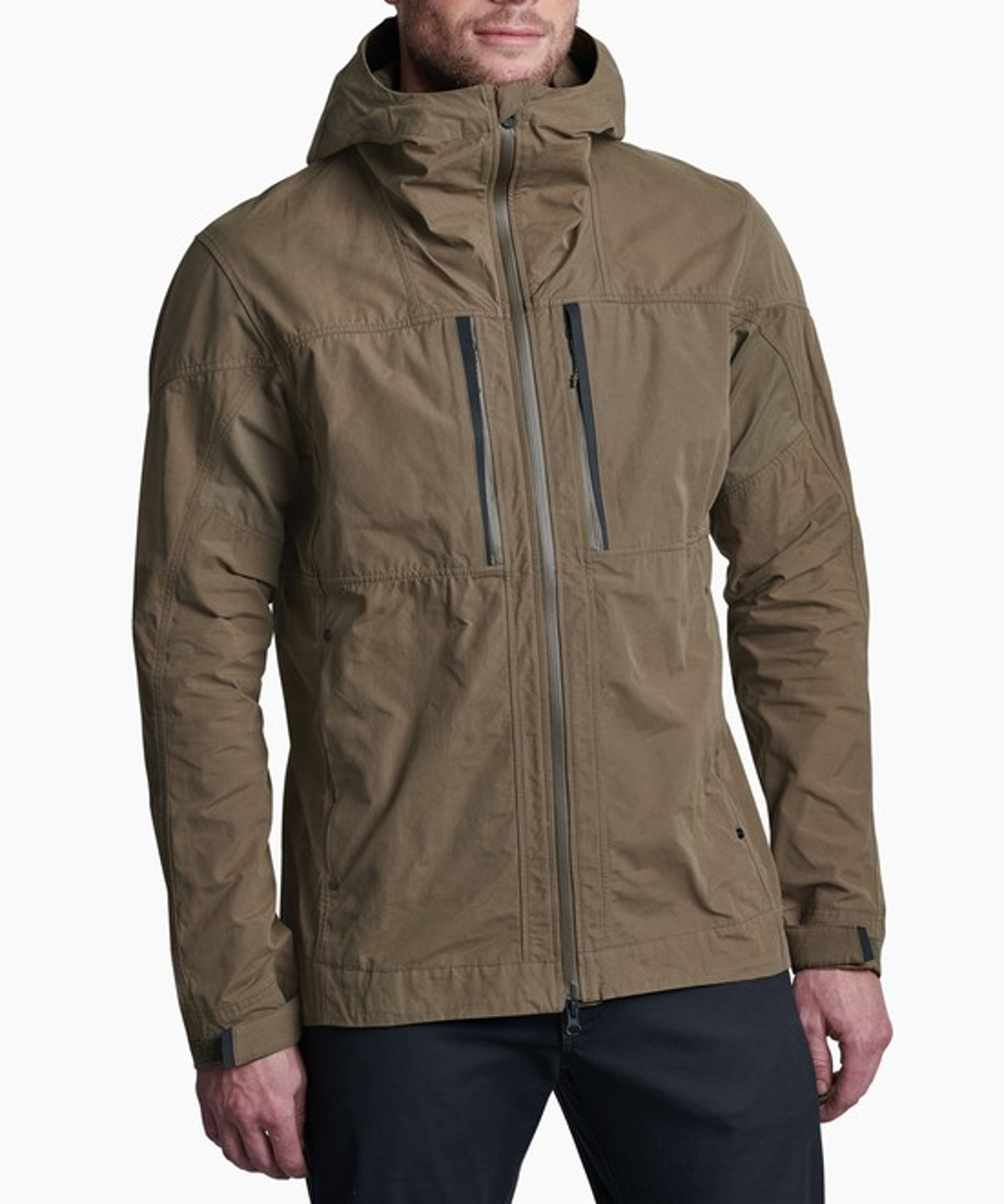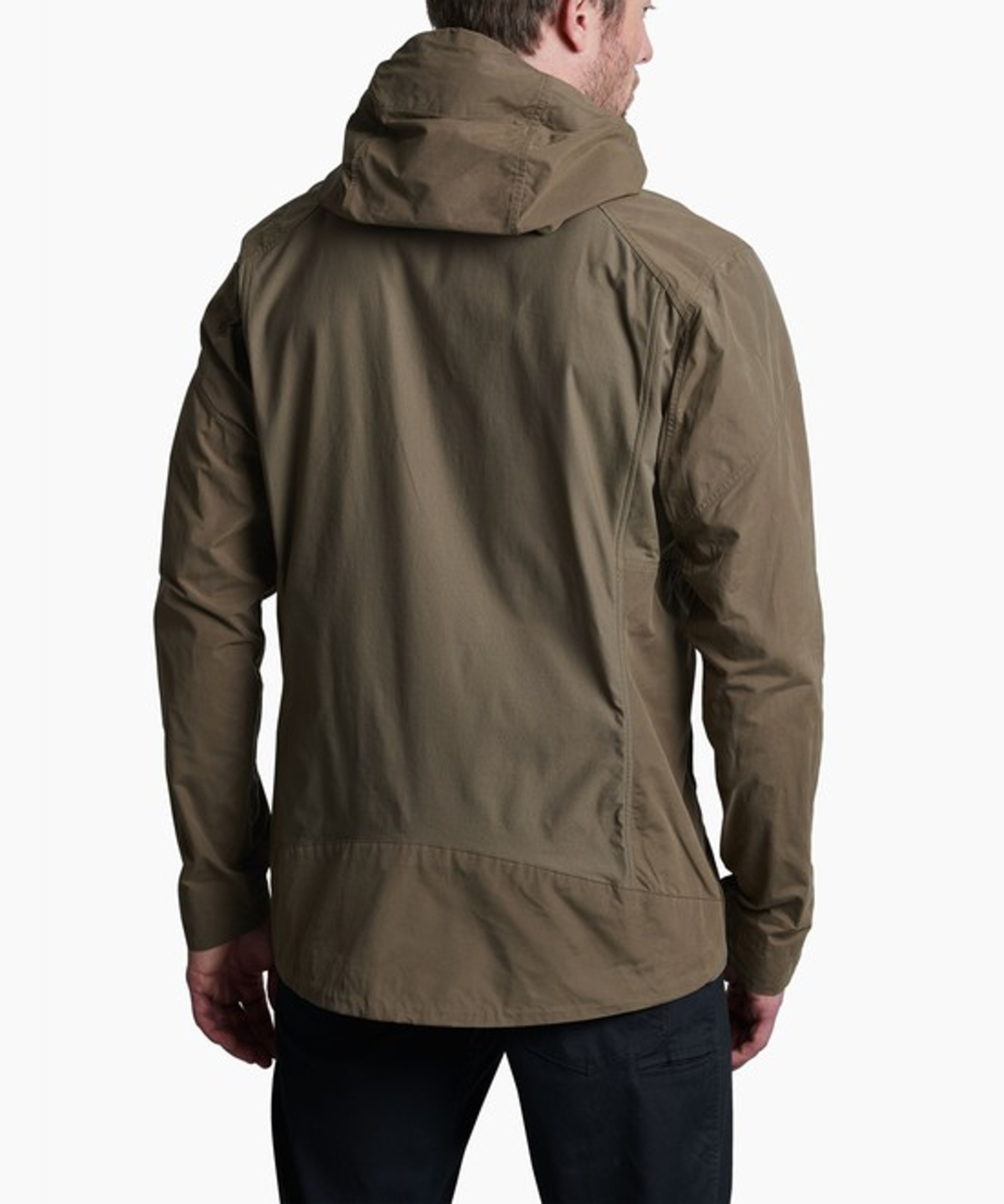







Men's Windbreaker Jackets
Block Wind and Weather in KÜHL Men's Windbreaker Jackets
Lightweight protection for the moments when conditions turn fast: gusts on a ridgeline, drizzle on the morning commute, a chilled start before the sun warms the trail.
Choose from a variety of fabrics, styles, and features for the men's windbreaker that's right for you:
Lightweight Wind Protection. A true windbreaker earns its keep by stopping gusts cold without weighing you down. Look for a tightly woven ripstop face with a DWR finish that beads off light rain and dries fast when the weather clears, paired with an adjustable hood and hem that actually seal out drafts.
Softshell Versatility. Softshell windbreakers split the difference between a hardshell and a fleece. Mechanical 4-way stretch moves with you, a brushed interior adds a touch of warmth, and the DWR finish handles passing showers, ideal for active days when you'd rather not stop to layer up. Pair with our men's fleece when temperatures drop.
Hardshell-Backed Protection. When the forecast turns serious, a windbreaker built on a waterproof-breathable membrane with taped seams and a stowable hood is the right tool. For sustained rain or wet snow, see our men's rain jackets.
Packable Travel-Ready Designs. Many of the lightest options stuff into their own chest pocket and clip to a belt or pack strap. UPF 50+ face fabrics block sun on exposed alpine traverses, and trim, articulated patterning keeps the shell out of the way under a backpack.
Look for signature touches like articulated sleeves for unrestricted reach, mesh ventilation or pit zips to dump heat on the climb, adjustable cuffs to seal out wind, and a hood cut to layer over a cap or low-profile helmet. For the full lineup of shells across every weather window, browse our men's outerwear collection.
Lightweight protection for the moments when conditions turn fast: gusts on a ridgeline, drizzle on the morning commute, a chilled start before the sun warms the trail.
Choose from a variety of fabrics, styles, and features for the men's windbreaker that's right for you:
Lightweight Wind Protection. A true windbreaker earns its keep by stopping gusts cold without weighing you down. Look for a tightly woven ripstop face with a DWR finish that beads off light rain and dries fast when the weather clears, paired with an adjustable hood and hem that actually seal out drafts.
Softshell Versatility. Softshell windbreakers split the difference between a hardshell and a fleece. Mechanical 4-way stretch moves with you, a brushed interior adds a touch of warmth, and the DWR finish handles passing showers, ideal for active days when you'd rather not stop to layer up. Pair with our men's fleece when temperatures drop.
Hardshell-Backed Protection. When the forecast turns serious, a windbreaker built on a waterproof-breathable membrane with taped seams and a stowable hood is the right tool. For sustained rain or wet snow, see our men's rain jackets.
Packable Travel-Ready Designs. Many of the lightest options stuff into their own chest pocket and clip to a belt or pack strap. UPF 50+ face fabrics block sun on exposed alpine traverses, and trim, articulated patterning keeps the shell out of the way under a backpack.
Look for signature touches like articulated sleeves for unrestricted reach, mesh ventilation or pit zips to dump heat on the climb, adjustable cuffs to seal out wind, and a hood cut to layer over a cap or low-profile helmet. For the full lineup of shells across every weather window, browse our men's outerwear collection.
Choose the right men's windbreaker for your conditions: wind protection, breathability, packability, and the layering fit that earns a spot in your kit.
What should you look for in men's windbreaker?
The best men's windbreaker delivers reliable wind protection, light water resistance, and breathability, without the bulk of a full rain shell.
Prioritize a tightly woven ripstop or nylon-spandex face with a DWR finish, mesh ventilation or pit zips for active-day breathability, and an adjustable hood and hem that actually seal out drafts. A trim cut with articulated sleeves keeps the jacket out of the way under a pack and over a mid layer. For broader wind-and-weather coverage with more stretch, compare against our men's softshell jackets.
Prioritize a tightly woven ripstop or nylon-spandex face with a DWR finish, mesh ventilation or pit zips for active-day breathability, and an adjustable hood and hem that actually seal out drafts. A trim cut with articulated sleeves keeps the jacket out of the way under a pack and over a mid layer. For broader wind-and-weather coverage with more stretch, compare against our men's softshell jackets.
What's the difference between a hardshell, softshell, and insulated jacket?
A hardshell is fully waterproof and built for sustained rain. A softshell trades full waterproofing for breathability and stretch. An insulated jacket is built primarily for warmth.
Hardshells use a waterproof-breathable membrane with taped seams, the right call when the forecast is wet for hours. Softshells use a tightly woven, DWR-treated face with 4-way stretch that handles wind and brief showers while moving with you on the climb. Insulated jackets carry down or synthetic fill and earn their slot in the system as a mid-layer or as a standalone shell in cold, dry conditions.
Hardshells use a waterproof-breathable membrane with taped seams, the right call when the forecast is wet for hours. Softshells use a tightly woven, DWR-treated face with 4-way stretch that handles wind and brief showers while moving with you on the climb. Insulated jackets carry down or synthetic fill and earn their slot in the system as a mid-layer or as a standalone shell in cold, dry conditions.
How do you choose between down and synthetic insulation?
Choose down when warmth-to-weight and packability matter most. Choose synthetic when wet-weather performance and faster drying are the priorities.
Down compresses smaller, weighs less, and lofts higher per gram than any synthetic, ideal for cold, dry conditions and travel. Synthetic insulation keeps insulating when damp, dries faster, and shrugs off sweat on aerobic days. For active winter use where you'll be sweating uphill and stopping on the ridge, synthetic is usually the smarter pick.
Down compresses smaller, weighs less, and lofts higher per gram than any synthetic, ideal for cold, dry conditions and travel. Synthetic insulation keeps insulating when damp, dries faster, and shrugs off sweat on aerobic days. For active winter use where you'll be sweating uphill and stopping on the ridge, synthetic is usually the smarter pick.
Are windbreaker waterproof or just water-resistant?
Most windbreakers are water-resistant, not fully waterproof. They shed light rain and snow but aren't built for sustained downpours.
The water resistance comes from a DWR finish on the face fabric, which beads off moisture for a window of time before the fabric eventually wets out. True waterproof performance requires a laminated or coated membrane with fully taped seams, which adds weight and reduces breathability. If you regularly move through steady rain, step up to a dedicated rain shell.
The water resistance comes from a DWR finish on the face fabric, which beads off moisture for a window of time before the fabric eventually wets out. True waterproof performance requires a laminated or coated membrane with fully taped seams, which adds weight and reduces breathability. If you regularly move through steady rain, step up to a dedicated rain shell.
How should a windbreaker fit for layering?
A windbreaker should fit trim through the torso with enough room for a base layer and a light mid-layer underneath, no more.
Too loose, and the jacket flaps in the wind and traps cold air. Too tight, and you lose mobility and pinch your mid layer. Look for articulated sleeves that don't ride up when you raise your arms, a hem that sits at the hip with a drawcord, and a hood sized to layer over a cap or low-profile helmet. The right fit lets you cinch down and seal out drafts without sacrificing range of motion.
Too loose, and the jacket flaps in the wind and traps cold air. Too tight, and you lose mobility and pinch your mid layer. Look for articulated sleeves that don't ride up when you raise your arms, a hem that sits at the hip with a drawcord, and a hood sized to layer over a cap or low-profile helmet. The right fit lets you cinch down and seal out drafts without sacrificing range of motion.
What features matter most when hiking or backpacking?
For hiking and backpacking, prioritize ventilation, pocket access under a pack, and packability, in that order.
Pit zips or mesh ventilation panels are essential for dumping heat on a steep climb. Chest pockets stay accessible while a hipbelt covers hand pockets, and a stowable, helmet-compatible hood keeps the shell working when conditions turn. The lightest packable designs stuff into their own pocket with a carabiner loop, so the jacket disappears into your kit until weather demands it. A nylon ripstop face fabric resists abrasion from brush and pack straps.
Pit zips or mesh ventilation panels are essential for dumping heat on a steep climb. Chest pockets stay accessible while a hipbelt covers hand pockets, and a stowable, helmet-compatible hood keeps the shell working when conditions turn. The lightest packable designs stuff into their own pocket with a carabiner loop, so the jacket disappears into your kit until weather demands it. A nylon ripstop face fabric resists abrasion from brush and pack straps.