


Bags
KÜHL Bags Carry the Load from Trailhead to Terminal
Choose from a variety of fabrics, sizes, and styles for the bag that's right for you:
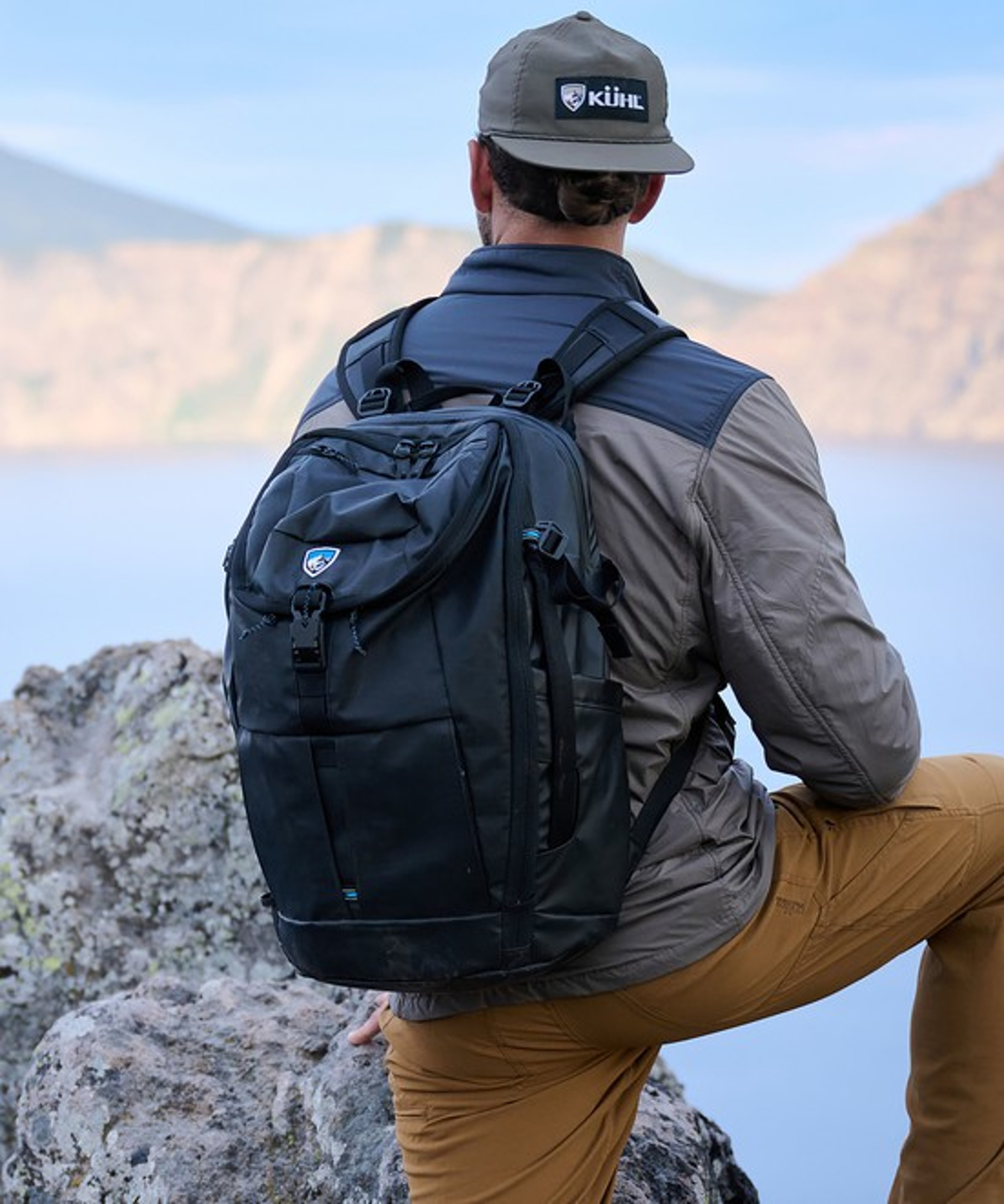
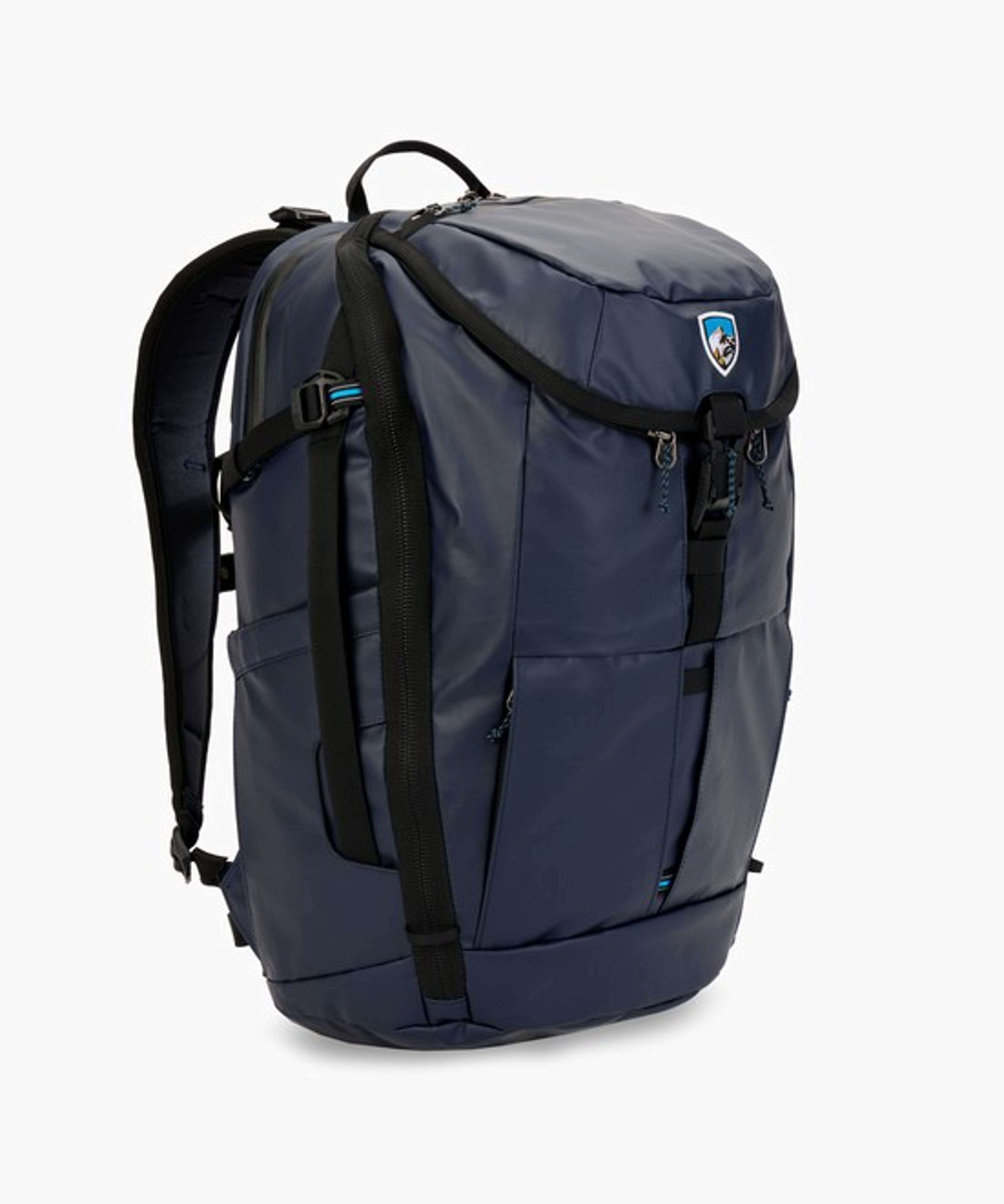
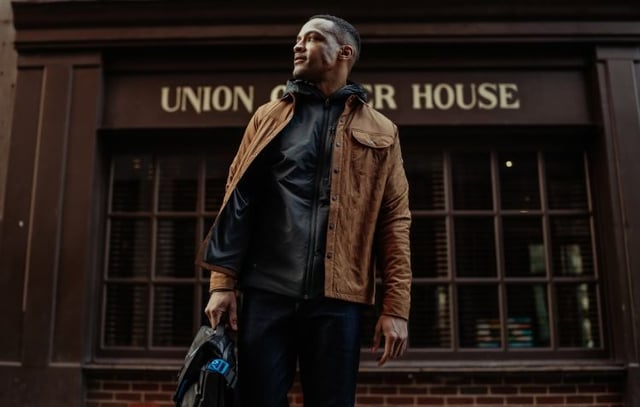
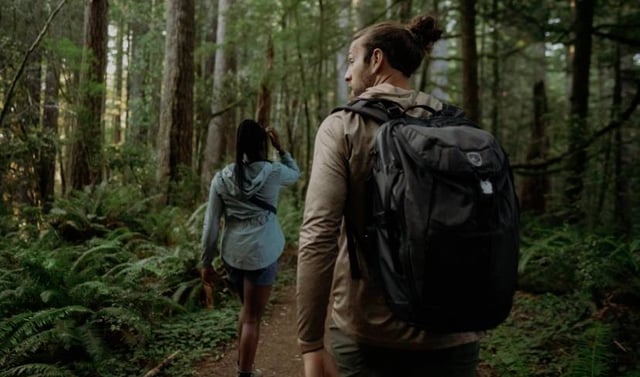
Everyday Carry. Backpacks built for the daily shuffle between desk, gym, and weekend trips. Padded, quick-access tech compartments protect laptops up to 17", while ergonomic shoulder straps and intuitively placed interior pockets keep gear sorted on long commutes. The 20L and 25L sizes hit the sweet spot for daily use without bulking out a low-profile silhouette.
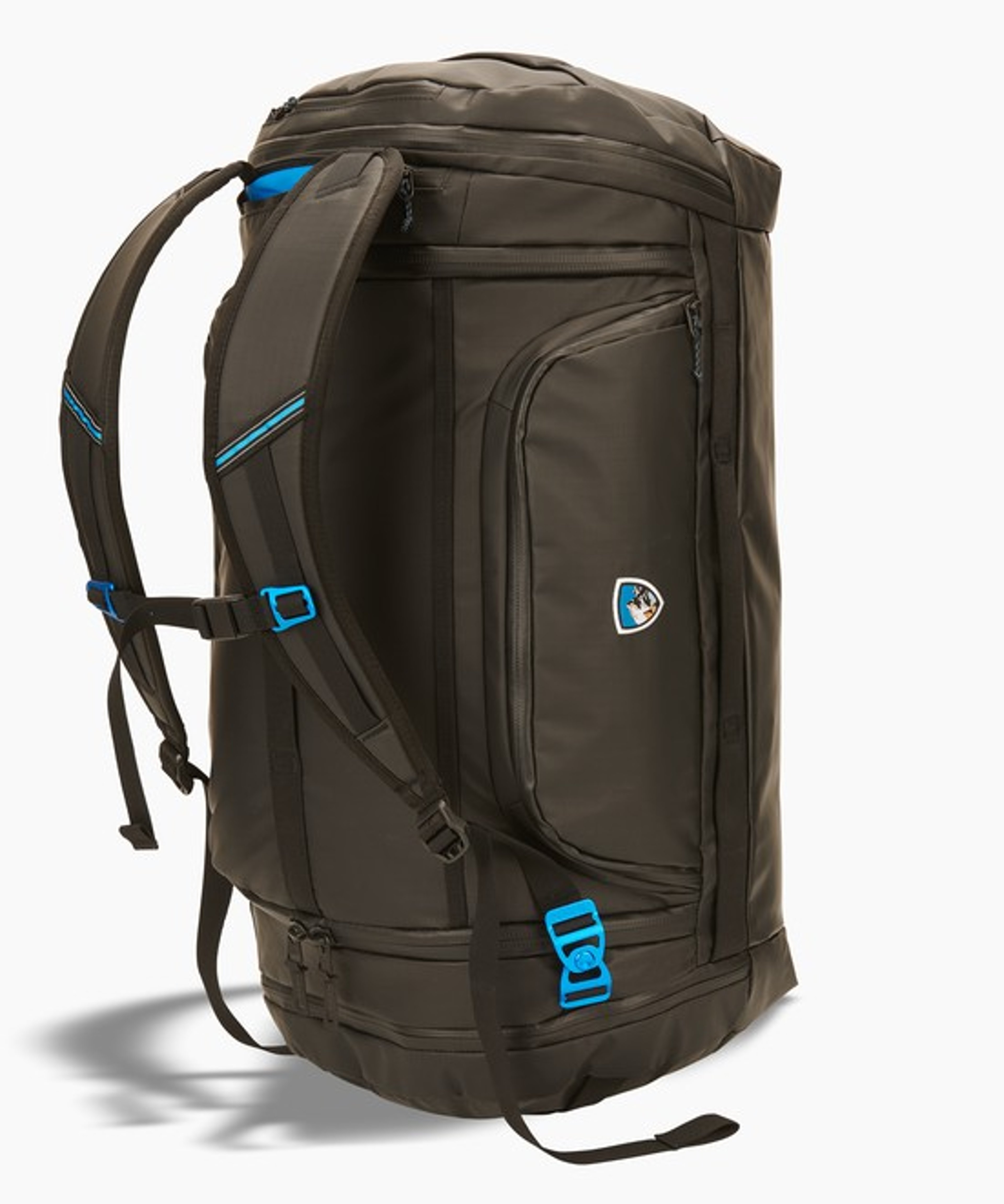
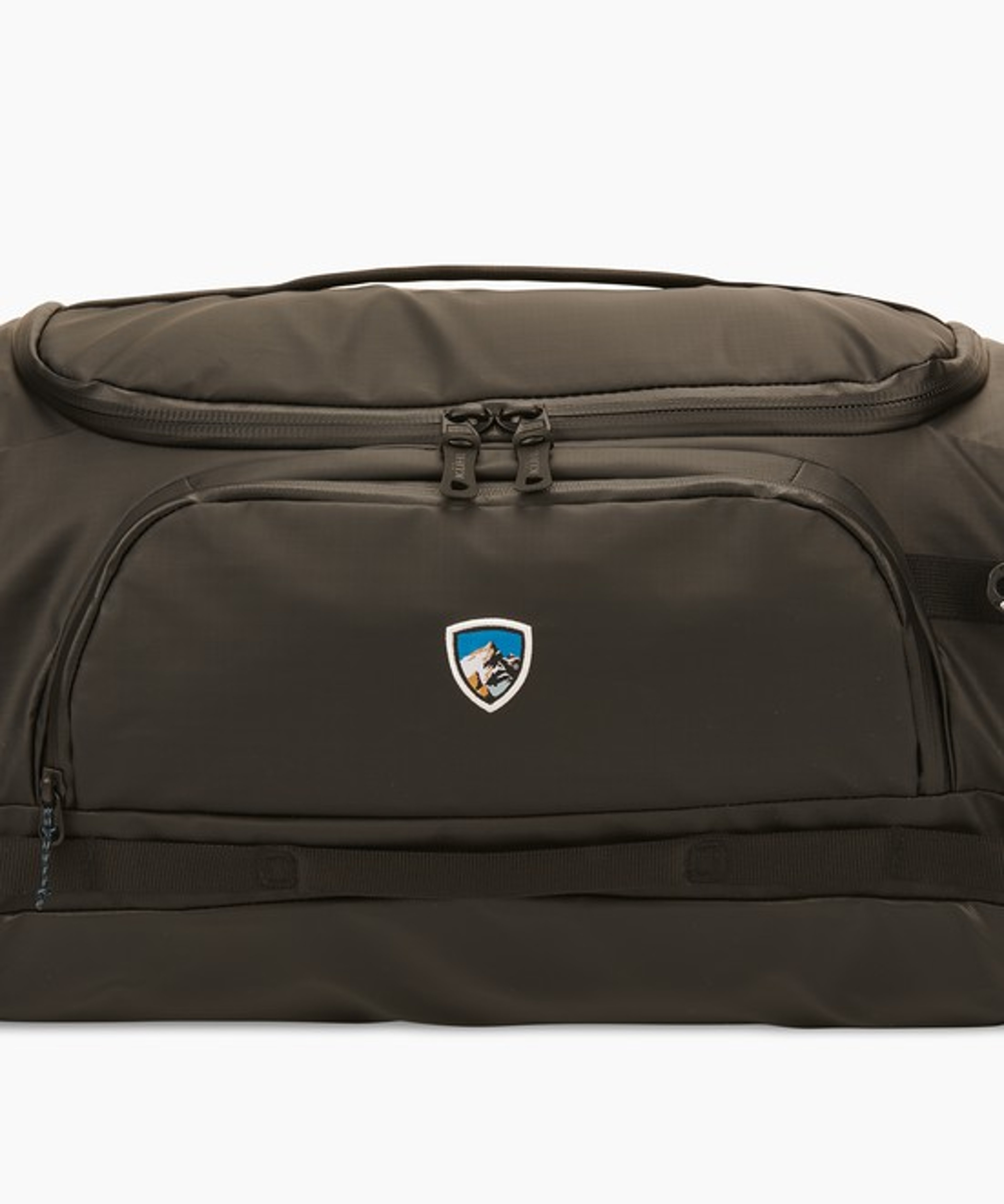
Travel Duffels. Built around an oversized main compartment with internal pockets and pouches to keep clothes, shoes, and tech separated. Stow-away padded shoulder straps convert the bag from grab-handle duffel to backpack carry when terminals turn into trail.
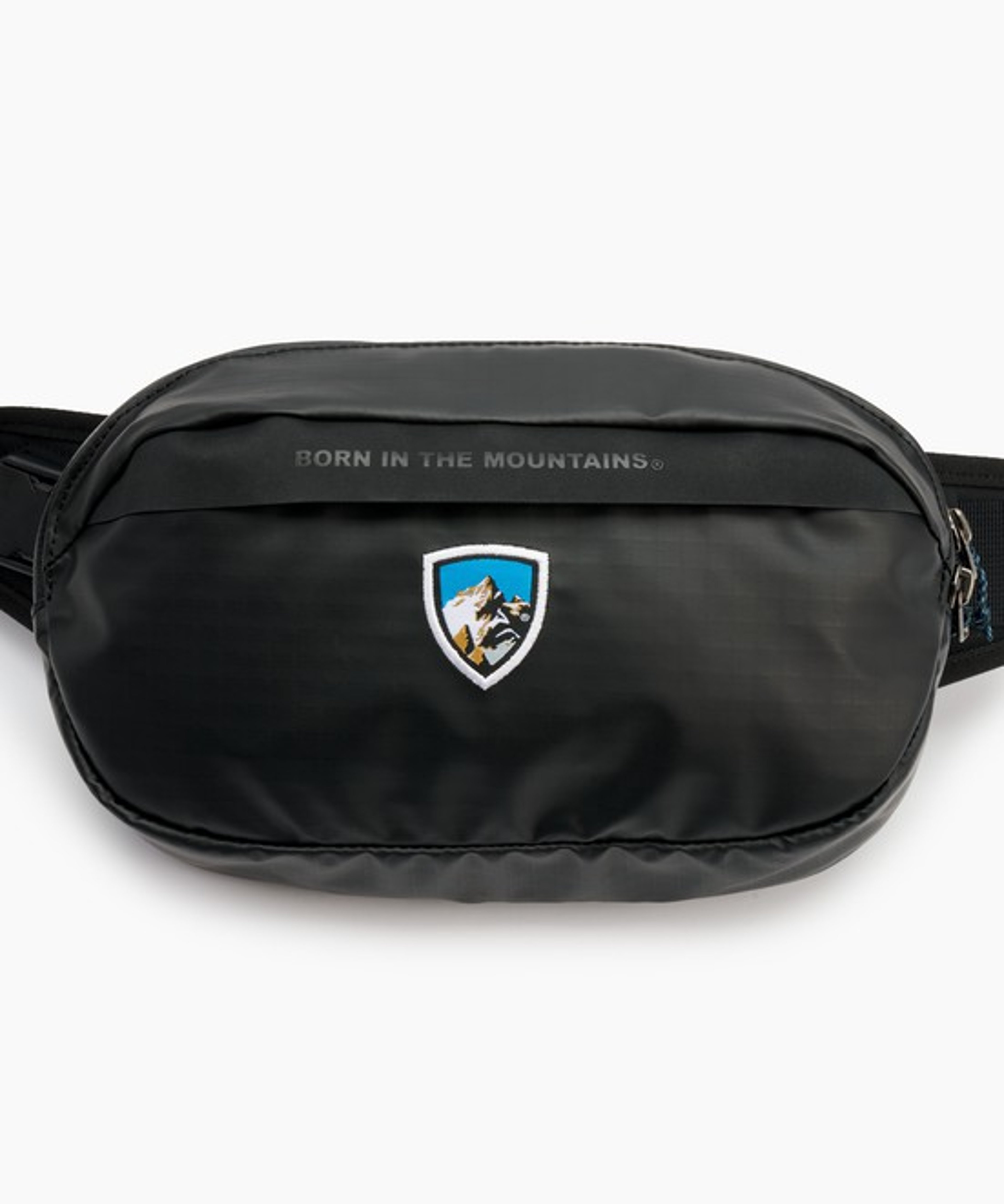
Weather-Ready Construction. Laminated nylon shells stand up to rain, dust, and abrasion, and a DWR finish sheds light precipitation before it soaks in. Water-resistant zippers protect the main compartments, so gear stays dry when the forecast doesn't cooperate.
Wax-Coated Canvas. A wax-coated, nylon-reinforced canvas variant pairs heritage workwear looks with serious weather resistance. The fabric softens and develops a patina with use, while the reinforced weave punches well above the weight of typical cotton canvas.
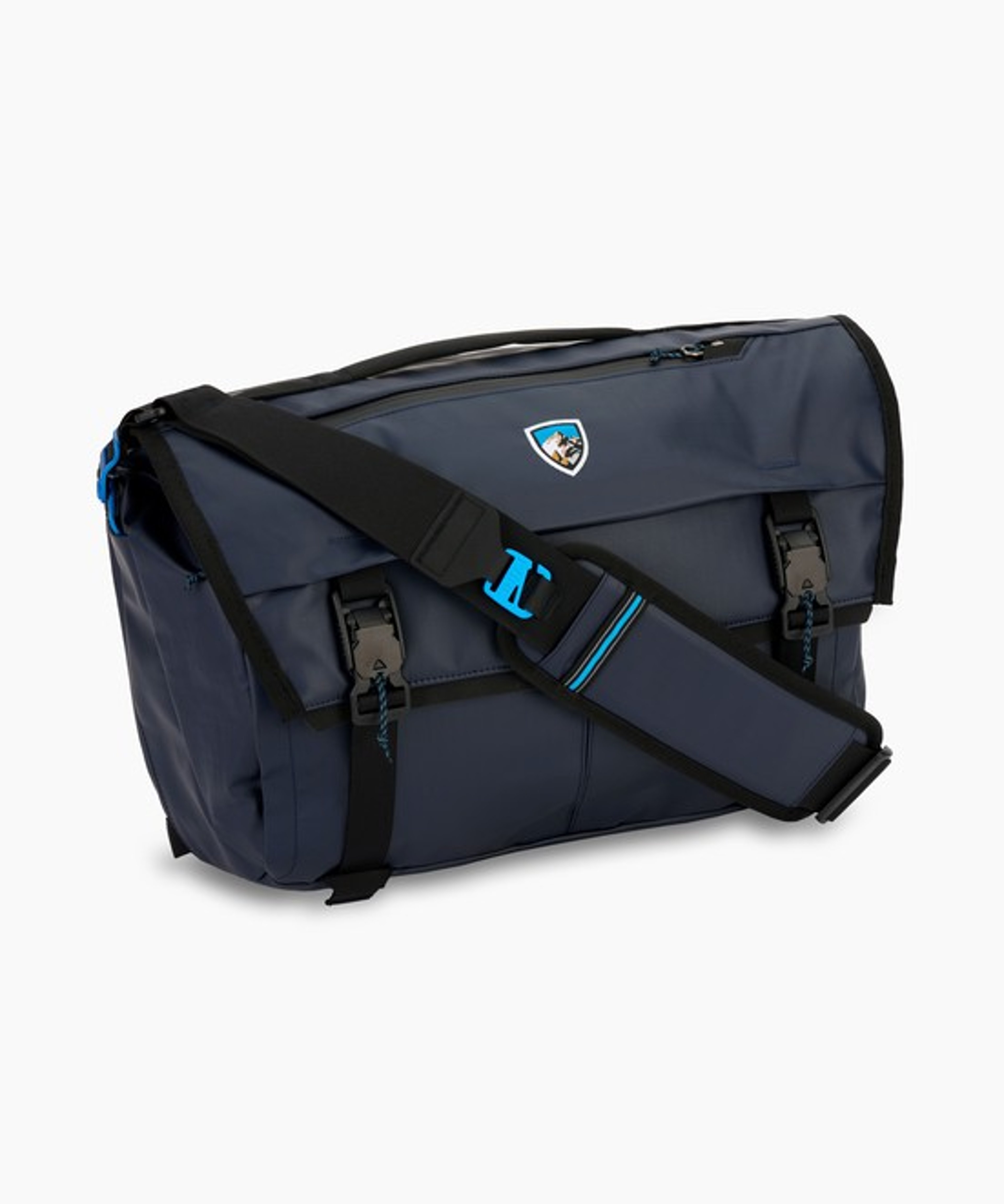
Messengers and Totes. A 14L messenger with a magnetic-buckle main flap makes one-handed access genuinely usable, where most messengers fight you. A 38L tote moves from grocery run to gear haul with two mesh interior pockets and water-resistant outer pockets that keep essentials accessible.
When sizing your bag, look for the details that matter on long days: padded laptop sleeves with quick-access entry, stow-away shoulder straps for mode-switching, water-resistant zippers on the main compartments, and DWR-treated shells that bead off morning drizzle. Pair the right bag with our trekking and expedition essentials, browse the wider bags and packs lineup for adjacent options, and round out the kit with unisex hats for sun cover on exposed routes.
Choose from a variety of fabrics, sizes, and styles for the bag that's right for you:
Everyday Carry. Backpacks built for the daily shuffle between desk, gym, and weekend trips. Padded, quick-access tech compartments protect laptops up to 17", while ergonomic shoulder straps and intuitively placed interior pockets keep gear sorted on long commutes. The 20L and 25L sizes hit the sweet spot for daily use without bulking out a low-profile silhouette.
Travel Duffels. Built around an oversized main compartment with internal pockets and pouches to keep clothes, shoes, and tech separated. Stow-away padded shoulder straps convert the bag from grab-handle duffel to backpack carry when terminals turn into trail.
Weather-Ready Construction. Laminated nylon shells stand up to rain, dust, and abrasion, and a DWR finish sheds light precipitation before it soaks in. Water-resistant zippers protect the main compartments, so gear stays dry when the forecast doesn't cooperate.
Wax-Coated Canvas. A wax-coated, nylon-reinforced canvas variant pairs heritage workwear looks with serious weather resistance. The fabric softens and develops a patina with use, while the reinforced weave punches well above the weight of typical cotton canvas.
Messengers and Totes. A 14L messenger with a magnetic-buckle main flap makes one-handed access genuinely usable, where most messengers fight you. A 38L tote moves from grocery run to gear haul with two mesh interior pockets and water-resistant outer pockets that keep essentials accessible.
When sizing your bag, look for the details that matter on long days: padded laptop sleeves with quick-access entry, stow-away shoulder straps for mode-switching, water-resistant zippers on the main compartments, and DWR-treated shells that bead off morning drizzle. Pair the right bag with our trekking and expedition essentials, browse the wider bags and packs lineup for adjacent options, and round out the kit with unisex hats for sun cover on exposed routes.
Bags built for the daily shuffle and the long haul, laminated nylon, wax-coated canvas, and a DWR finish that shrugs off weather. Here's how to choose yours.
What should you look for in bags?
The best bags check four boxes: weather-ready materials, smart organization, comfortable carry, and the right capacity for your day.
Start with the shell: laminated nylon or wax-coated, nylon-reinforced canvas with a DWR finish handles rain, dust, and abrasion without going heavy. Look for water-resistant zippers on the main compartment, padded shoulder straps (and stow-away straps if you want a duffel-to-backpack convert), and a dedicated padded sleeve if you carry a laptop. Interior organization (pockets, pouches, mesh dividers) separates clean from dirty, tech from clothes, and saves the airport-floor dump. Pick capacity by use: ~14L for daily messenger, 20-25L for commute and carry-on personal item, 38L tote for groceries-meets-gear, 50L duffel for week-long trips.
Start with the shell: laminated nylon or wax-coated, nylon-reinforced canvas with a DWR finish handles rain, dust, and abrasion without going heavy. Look for water-resistant zippers on the main compartment, padded shoulder straps (and stow-away straps if you want a duffel-to-backpack convert), and a dedicated padded sleeve if you carry a laptop. Interior organization (pockets, pouches, mesh dividers) separates clean from dirty, tech from clothes, and saves the airport-floor dump. Pick capacity by use: ~14L for daily messenger, 20-25L for commute and carry-on personal item, 38L tote for groceries-meets-gear, 50L duffel for week-long trips.
How important is UPF protection?
For the bag itself, UPF isn't the spec to chase, but it matters a lot for what you wear with it.
Bags aren't sun-exposed in the way skin is, so UV rating isn't the primary buying lens for the pack itself. What matters more for the bag is weather resistance (DWR plus laminated or wax-coated shells) and abrasion durability. For sun coverage on long, exposed routes, layer in proper UPF apparel: a UPF 30+ fabric blocks roughly 96% of UV, UPF 50+ blocks 98%. On alpine and desert routes where you're under direct sun for hours, a wide-brim hat and a long-sleeve UPF top do more for you than anything the bag can.
Bags aren't sun-exposed in the way skin is, so UV rating isn't the primary buying lens for the pack itself. What matters more for the bag is weather resistance (DWR plus laminated or wax-coated shells) and abrasion durability. For sun coverage on long, exposed routes, layer in proper UPF apparel: a UPF 30+ fabric blocks roughly 96% of UV, UPF 50+ blocks 98%. On alpine and desert routes where you're under direct sun for hours, a wide-brim hat and a long-sleeve UPF top do more for you than anything the bag can.
How should bags fit: snug or loose?
A loaded pack should ride snug against your back, with the weight sitting on your hips, not pulling on your shoulders.
For backpacks, tighten the shoulder straps so the pack hugs your upper back without gapping, then snug the sternum strap to pull the shoulder straps inward so they don't slide. If the bag has a hip belt, the bulk of the load should transfer there. For messengers and totes, the strap length should let the bag ride at hip height: too high and it bounces against the lower back. Too low and it sways with every step. Test the fit walking, not standing still.
For backpacks, tighten the shoulder straps so the pack hugs your upper back without gapping, then snug the sternum strap to pull the shoulder straps inward so they don't slide. If the bag has a hip belt, the bulk of the load should transfer there. For messengers and totes, the strap length should let the bag ride at hip height: too high and it bounces against the lower back. Too low and it sways with every step. Test the fit walking, not standing still.
Are bags good for hot vs cold weather?
A well-built bag handles both: what changes is what you load inside.
In hot weather, prioritize ventilated back panels (mesh or molded foam channels) so sweat doesn't pool between you and the pack, and pack moisture-wicking layers, sunscreen, and extra water. In cold weather, the bag itself doesn't change much, but you'll want capacity for an insulating mid-layer, a shell, gloves, and a beanie, which is why a 25L commute pack feels small in winter and a 50L duffel feels right for a weekend ski trip. Pack a spare pair of performance socks year-round. Wet feet end a day faster than wet anything else.
In hot weather, prioritize ventilated back panels (mesh or molded foam channels) so sweat doesn't pool between you and the pack, and pack moisture-wicking layers, sunscreen, and extra water. In cold weather, the bag itself doesn't change much, but you'll want capacity for an insulating mid-layer, a shell, gloves, and a beanie, which is why a 25L commute pack feels small in winter and a 50L duffel feels right for a weekend ski trip. Pack a spare pair of performance socks year-round. Wet feet end a day faster than wet anything else.
What materials work best for bags?
Laminated nylon and wax-coated canvas are the two construction recipes that win for everyday carry and travel, both with a DWR finish to shed light rain.
Laminated nylon is the modern technical choice: lightweight, abrasion-resistant, easy to wipe clean, and pairs well with water-resistant zippers and molded back panels. Wax-coated, nylon-reinforced canvas takes the other route: heavier, more structured, and it develops a softer patina with use while keeping serious weather resistance. Polyester linings dry quickly if a bottle leaks. Mesh interior pockets keep small items visible. For sweaty days, prioritize back-panel ventilation. For wet days, prioritize the shell and zipper construction over any single fabric claim.
Laminated nylon is the modern technical choice: lightweight, abrasion-resistant, easy to wipe clean, and pairs well with water-resistant zippers and molded back panels. Wax-coated, nylon-reinforced canvas takes the other route: heavier, more structured, and it develops a softer patina with use while keeping serious weather resistance. Polyester linings dry quickly if a bottle leaks. Mesh interior pockets keep small items visible. For sweaty days, prioritize back-panel ventilation. For wet days, prioritize the shell and zipper construction over any single fabric claim.