






Women’s Athletic Shirts
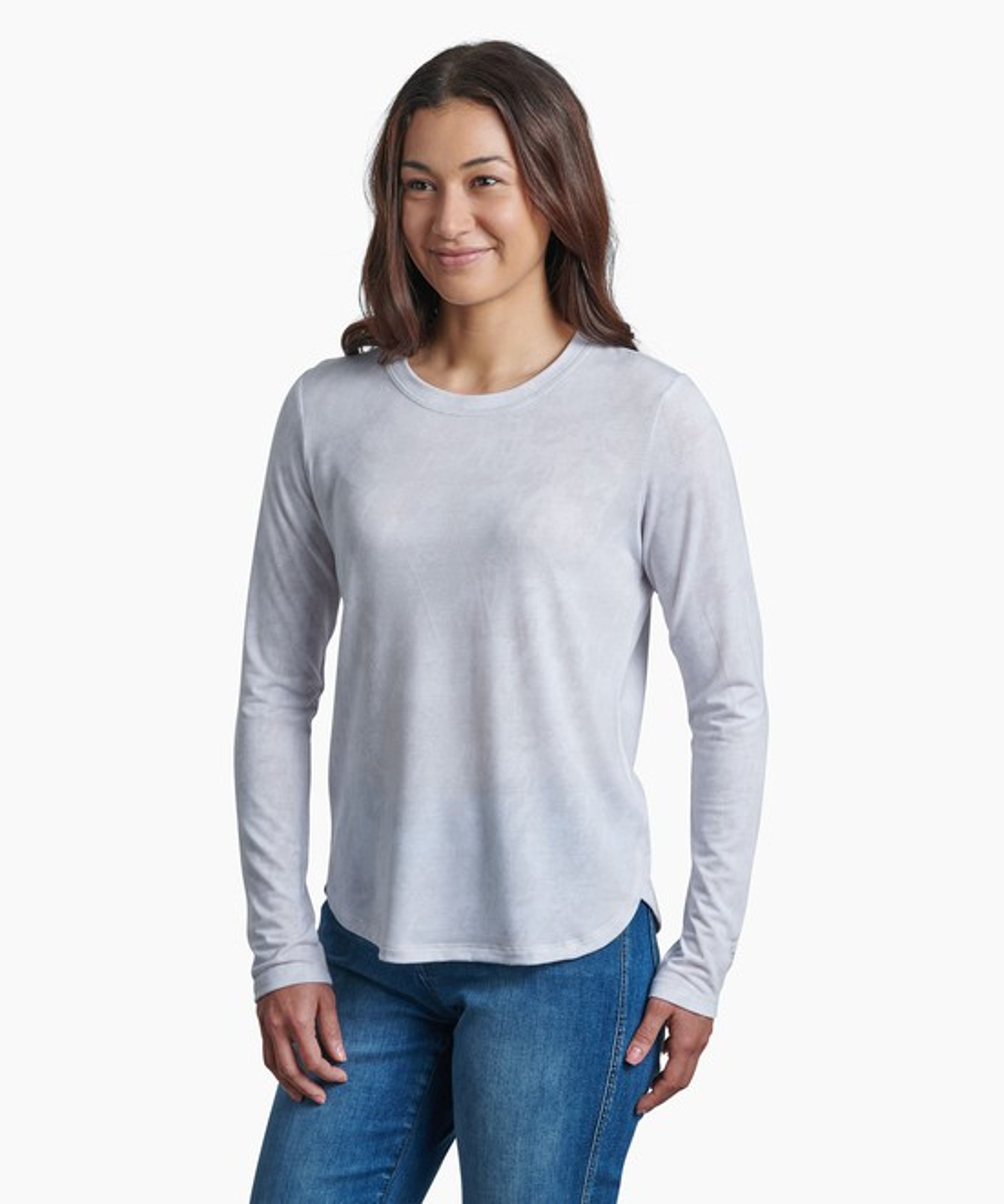
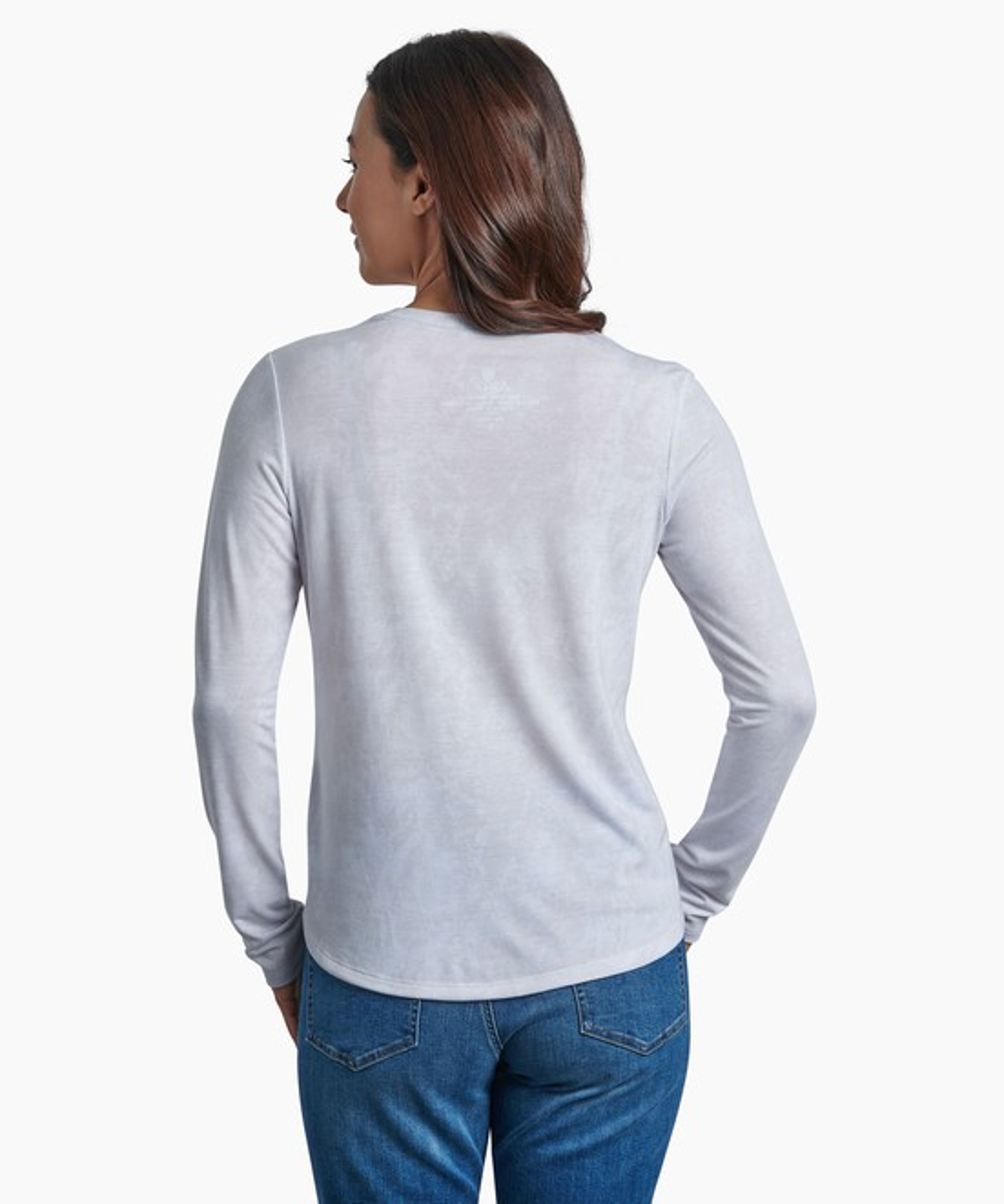
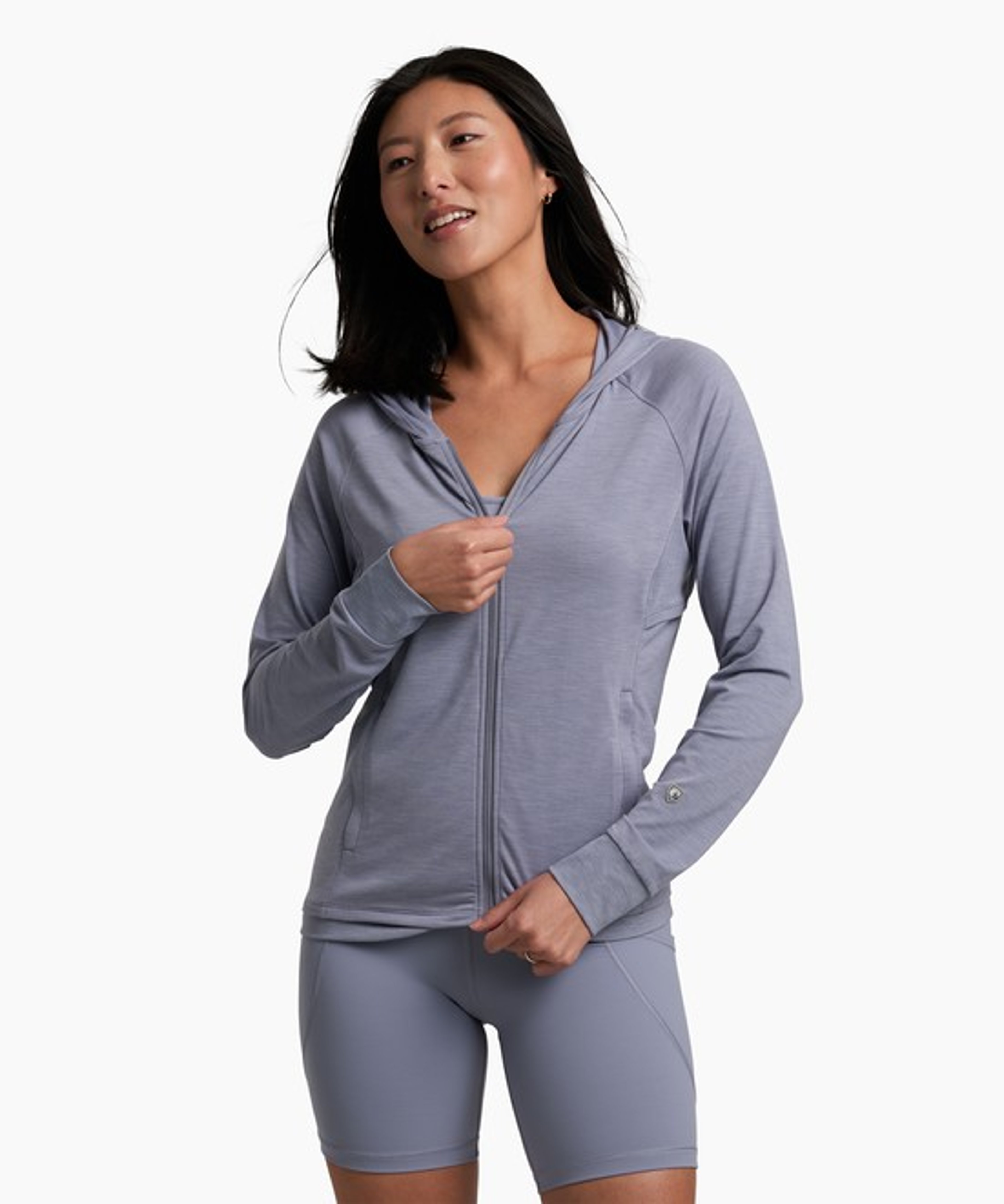
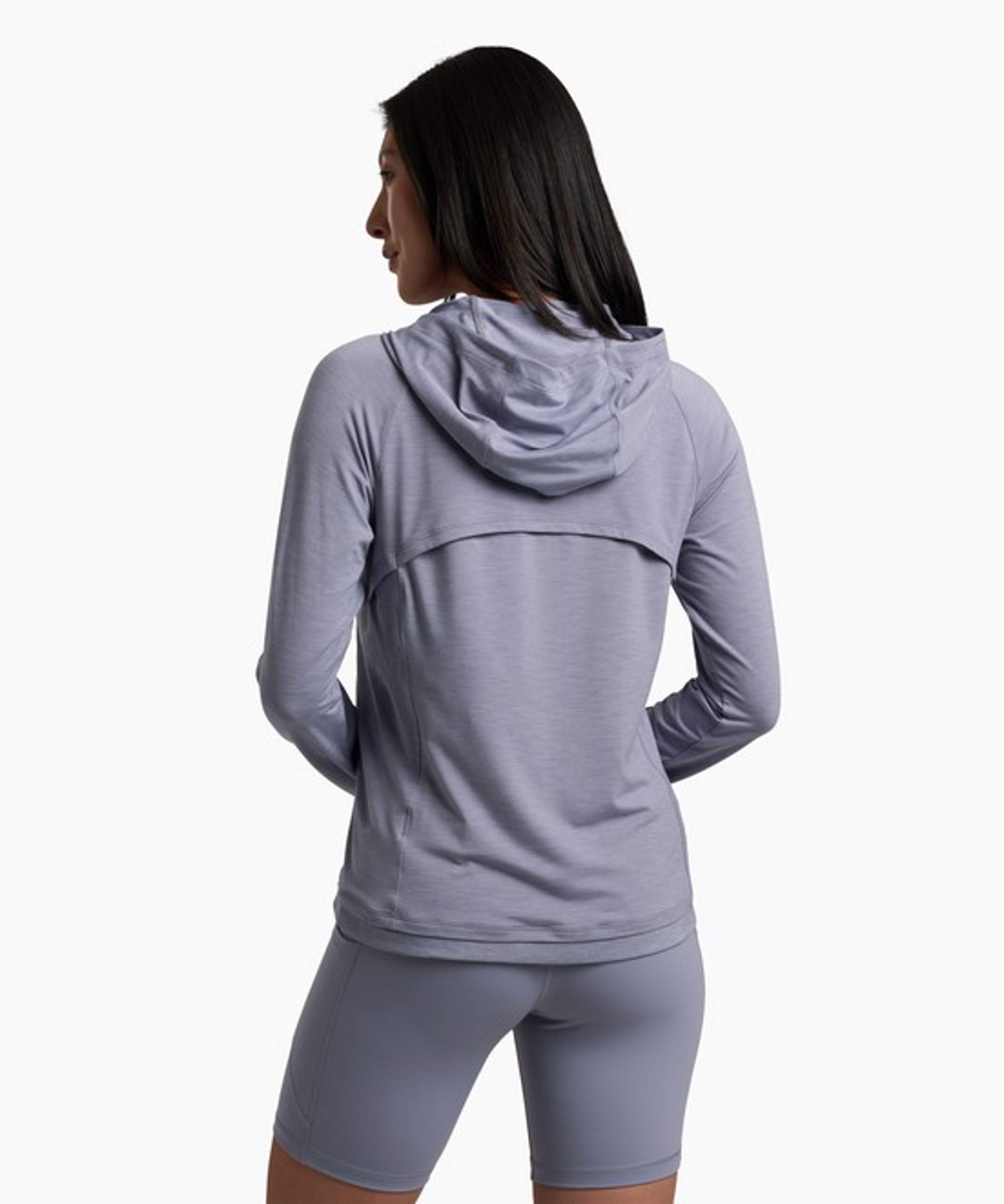
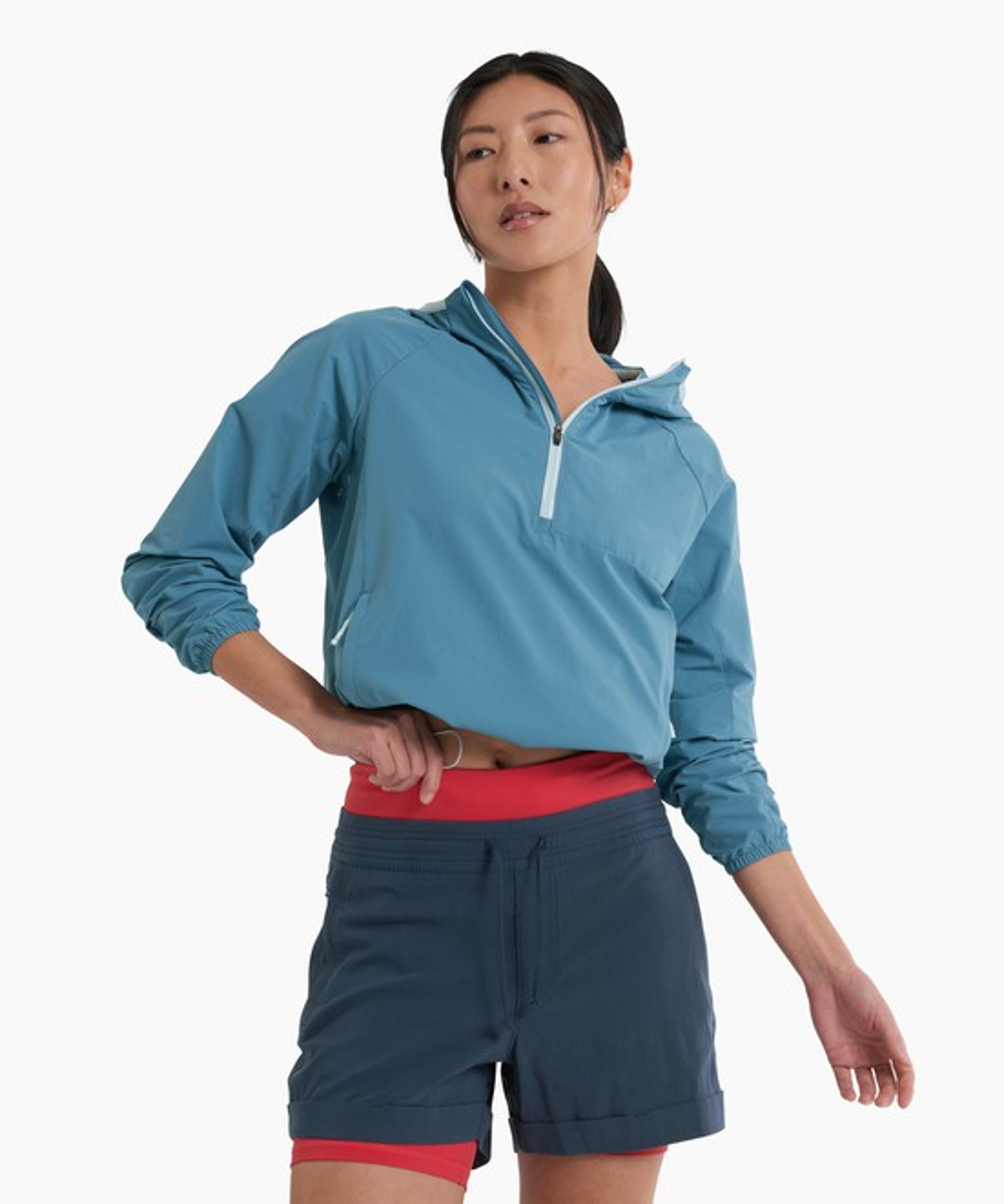
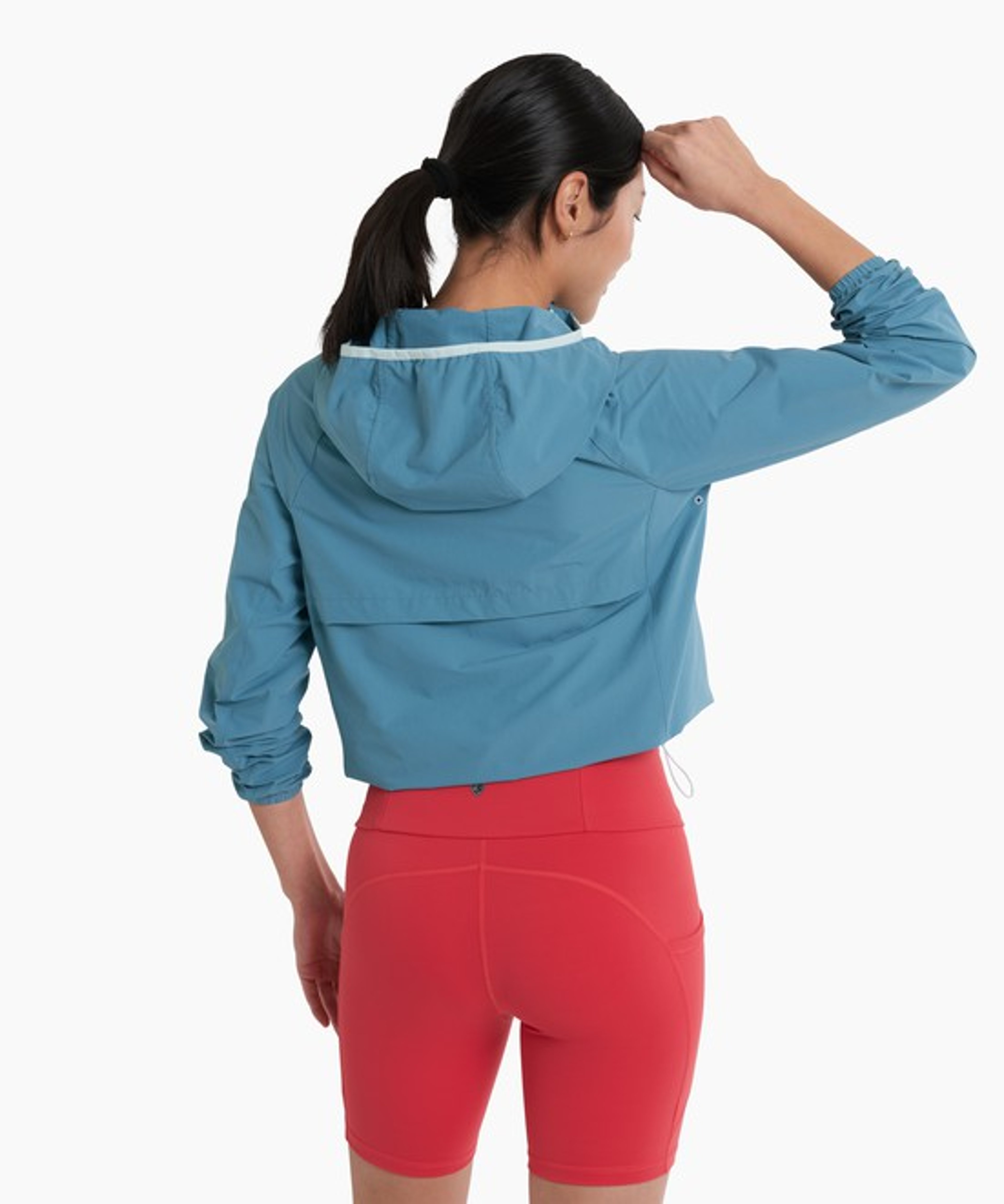
Whether you're chasing a summit, a sunrise yoga flow, or a fast trail run, KÜHL women's athletic shirts move with you.
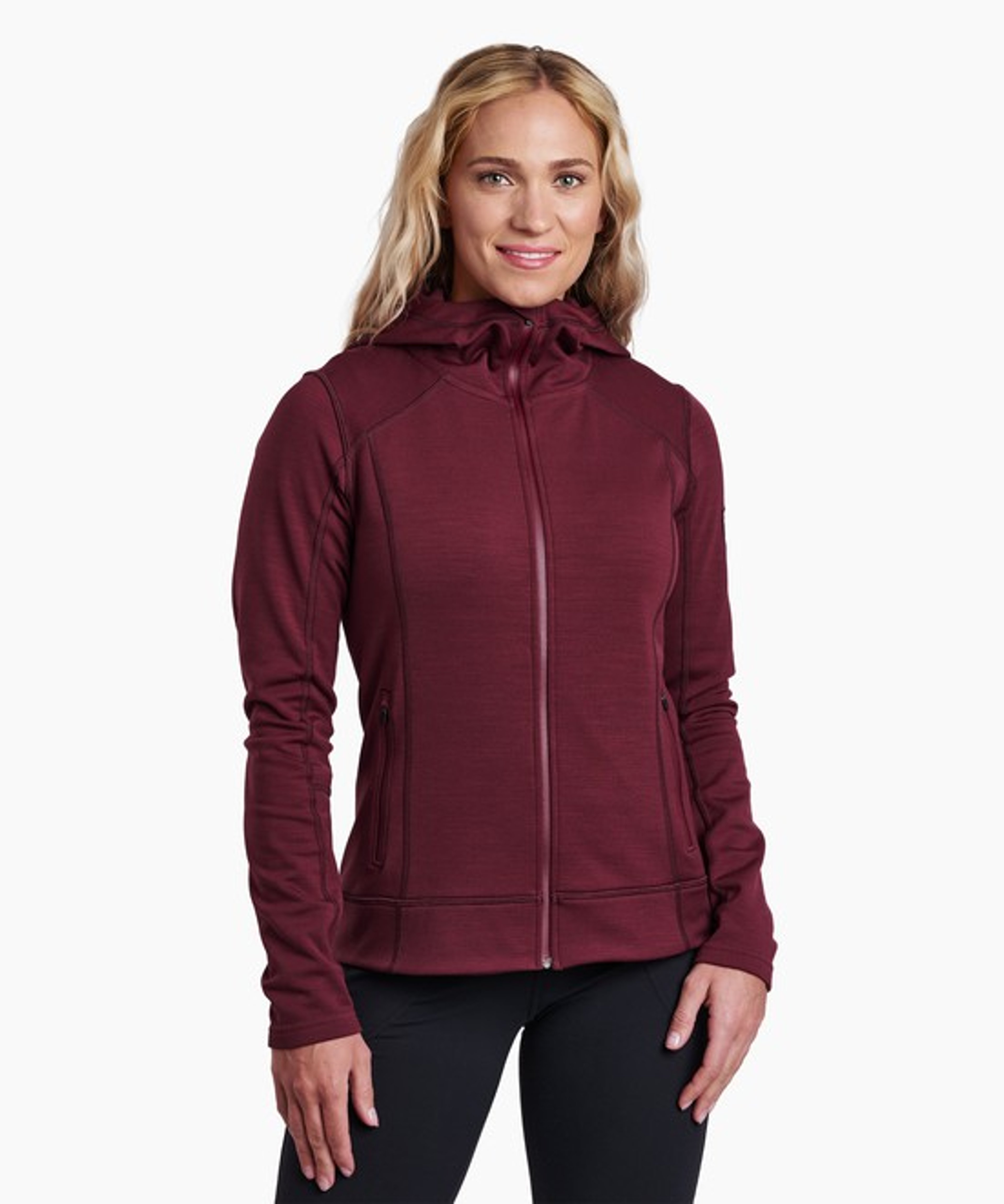
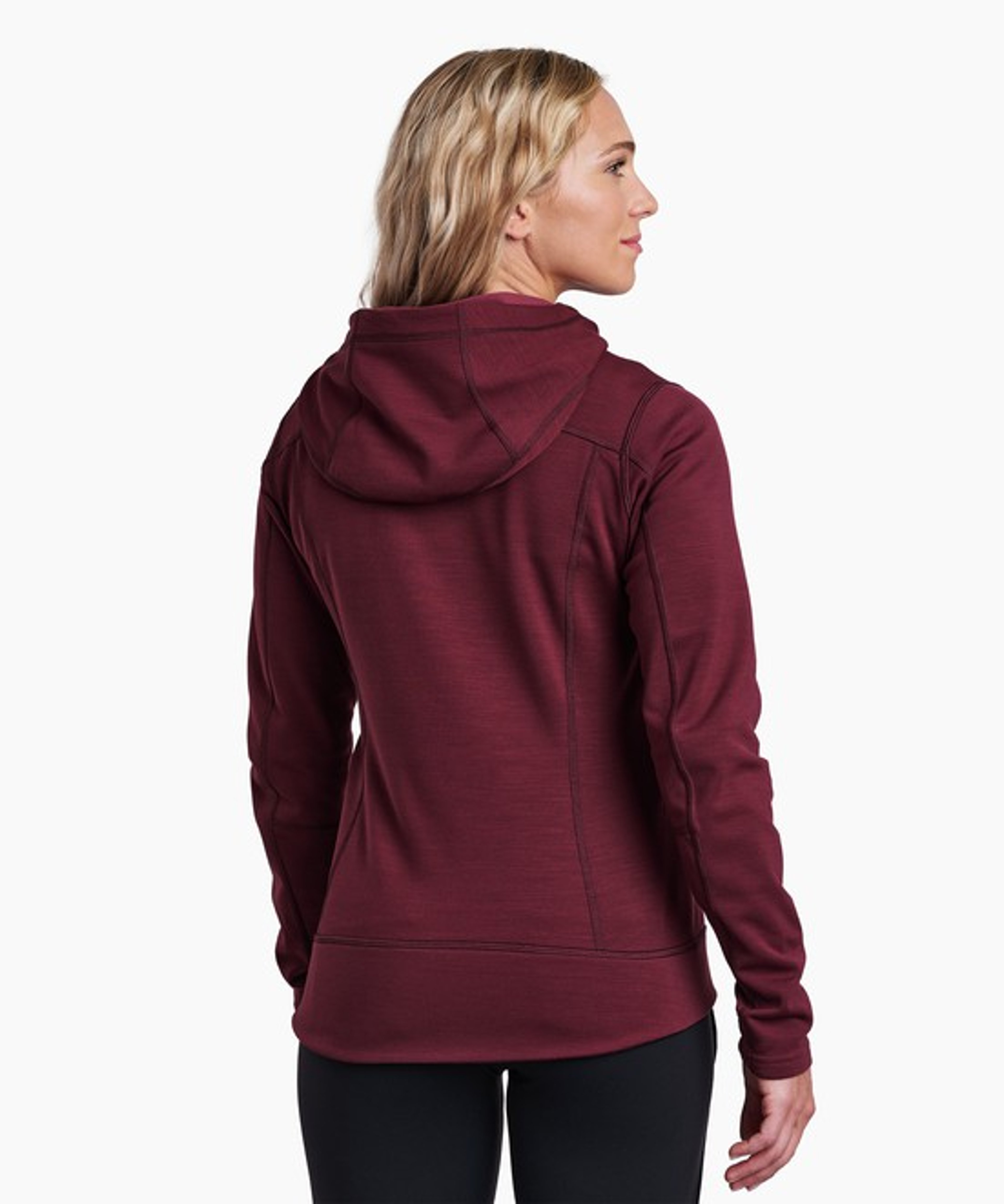
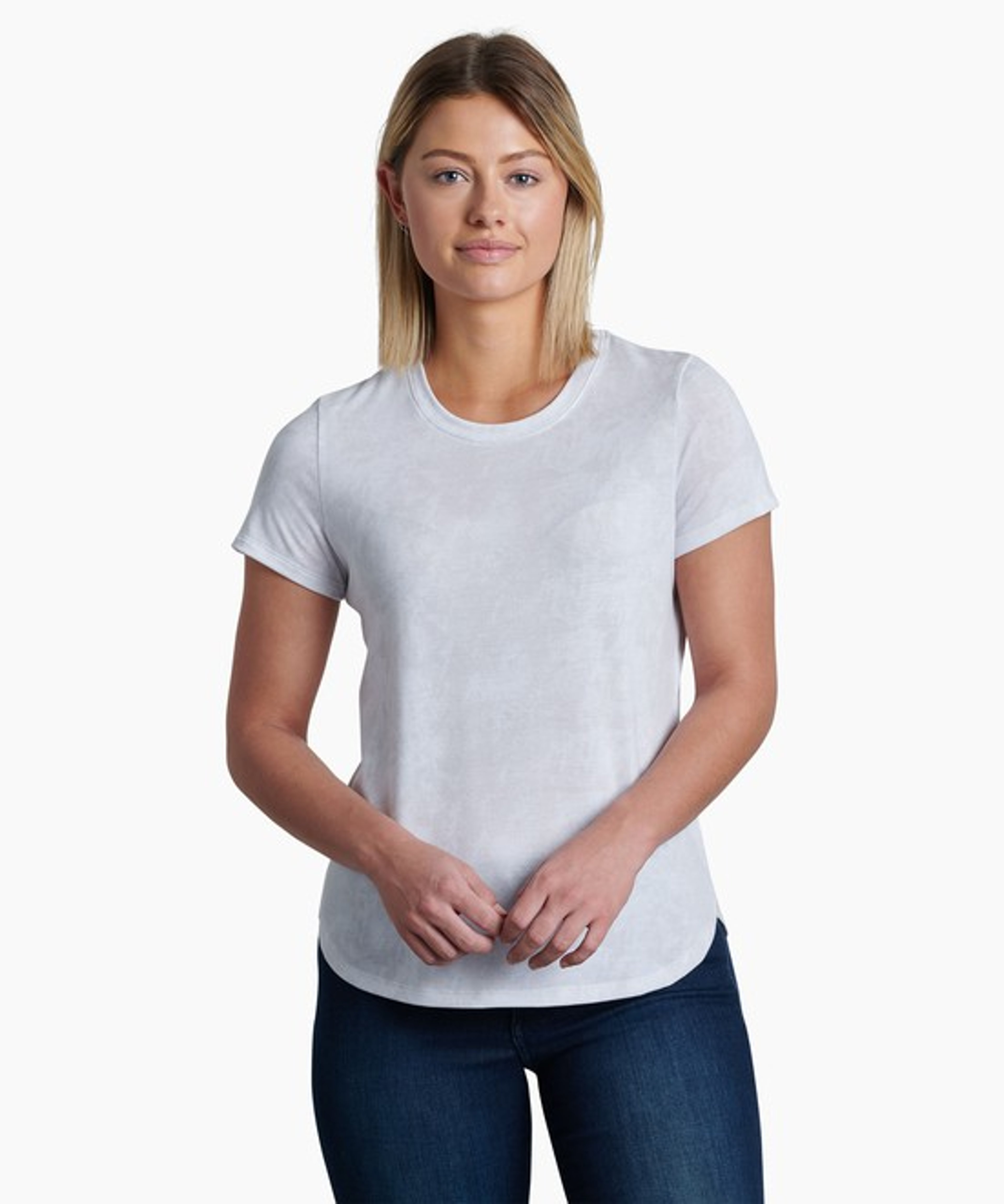
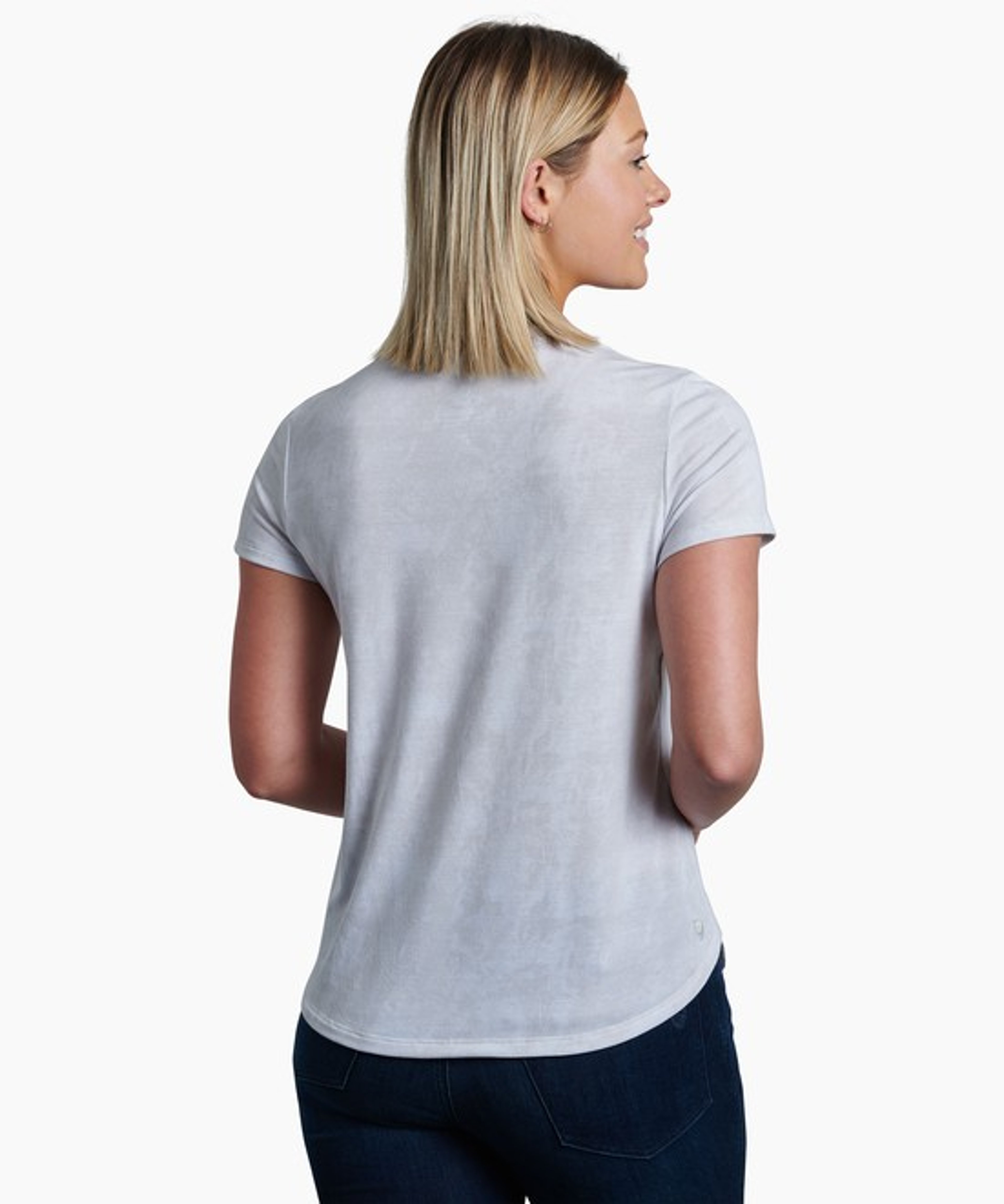
Choose from a variety of fabrics, styles, and features for the women's athletic shirts that are right for you:
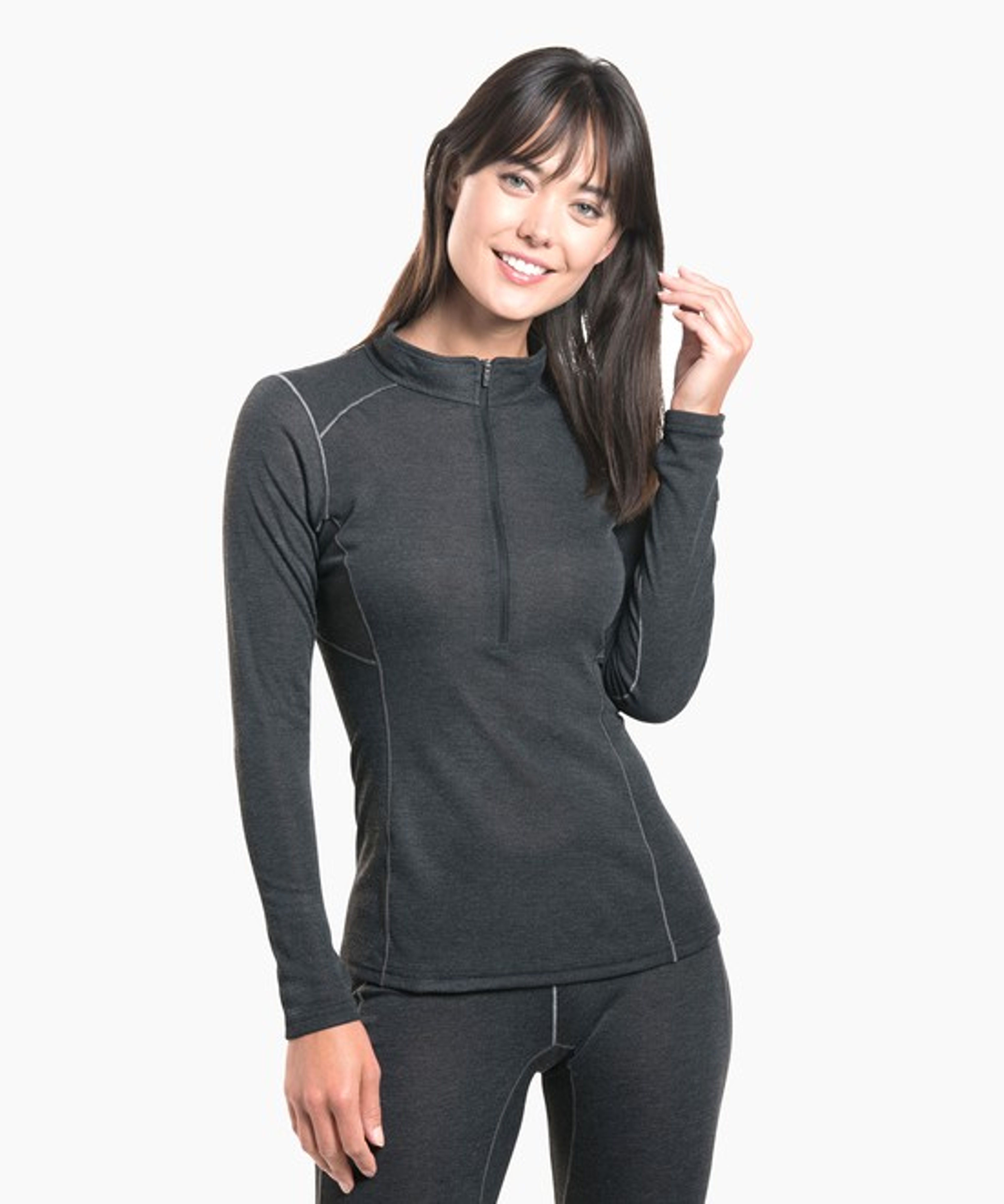
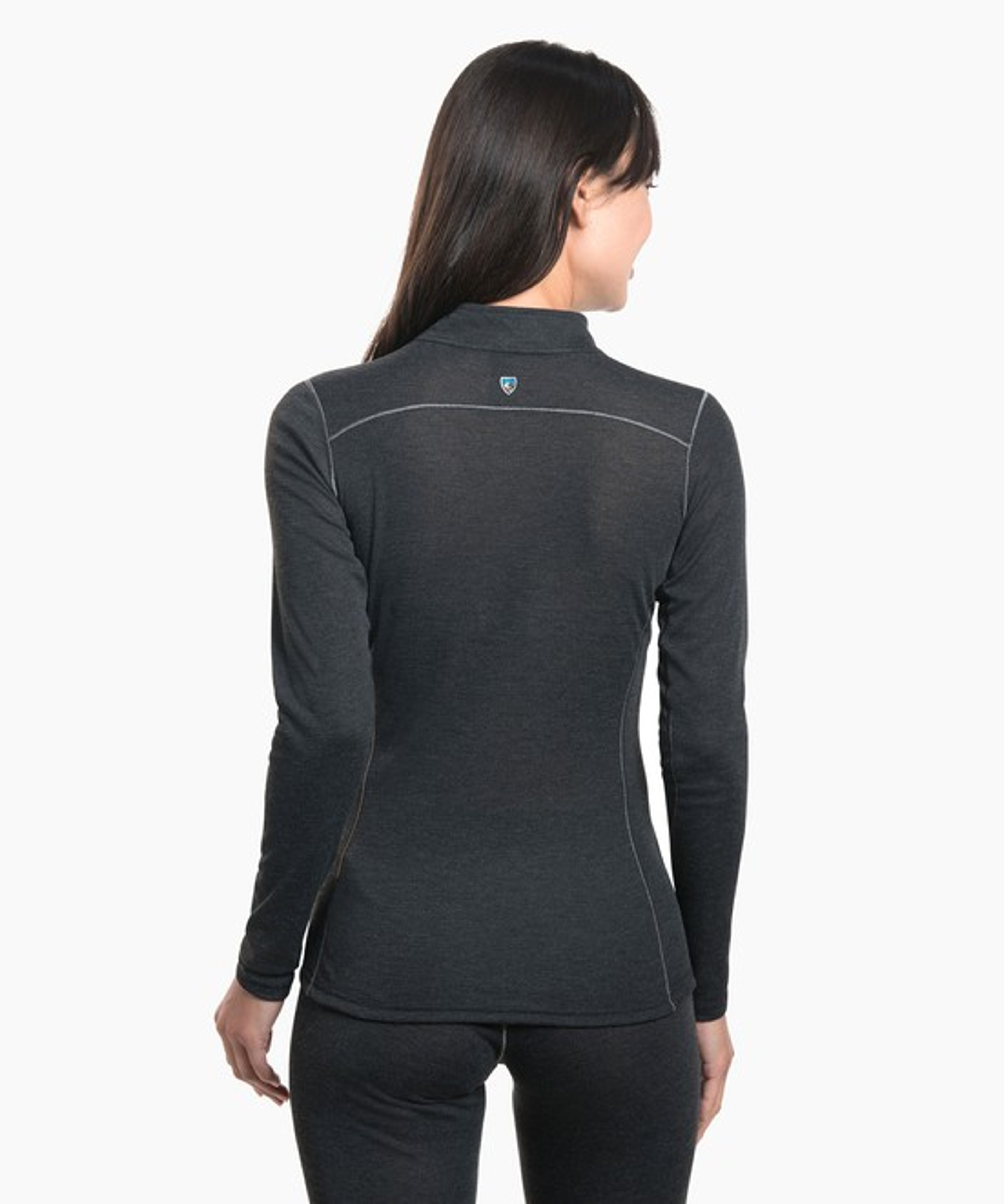
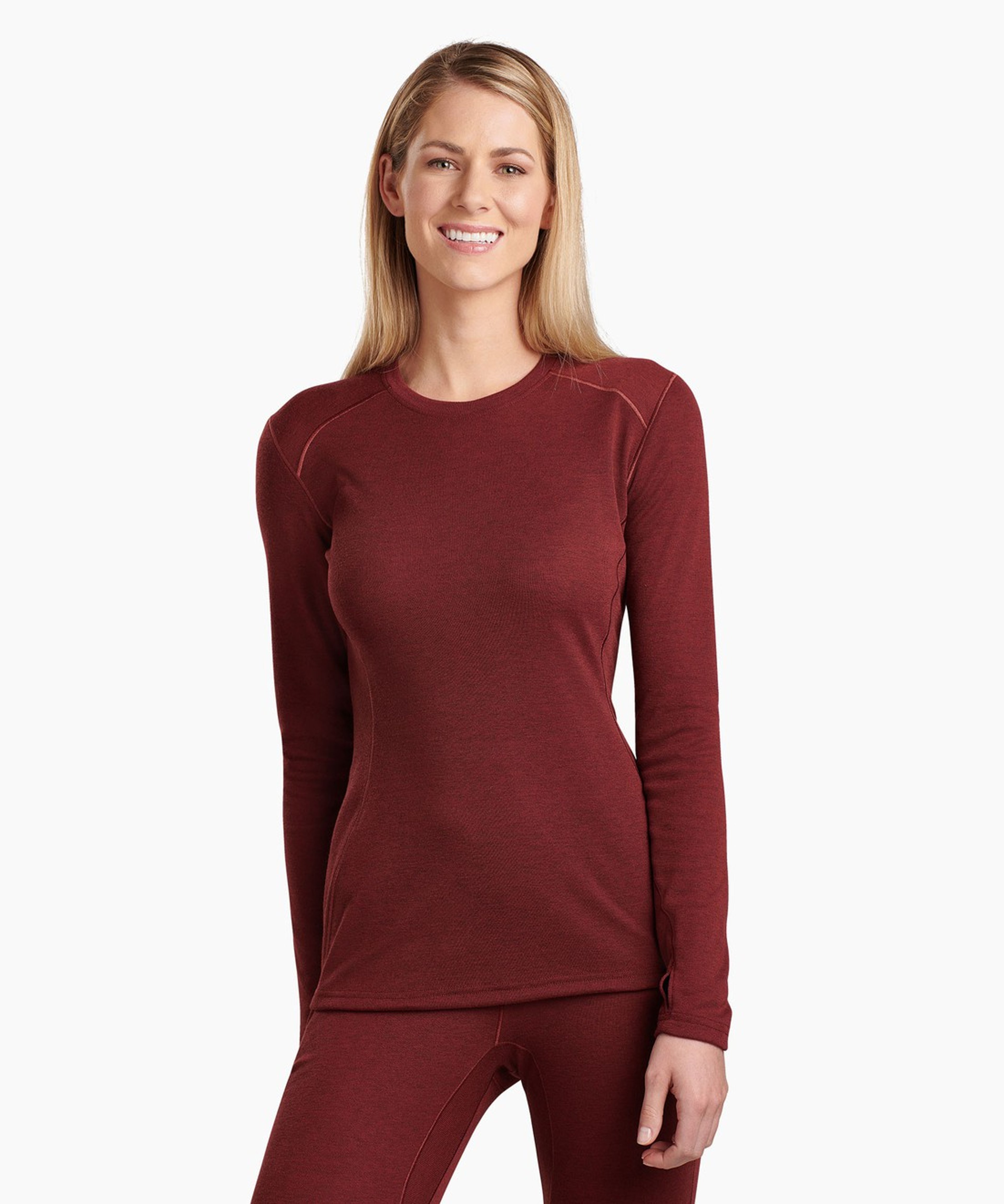
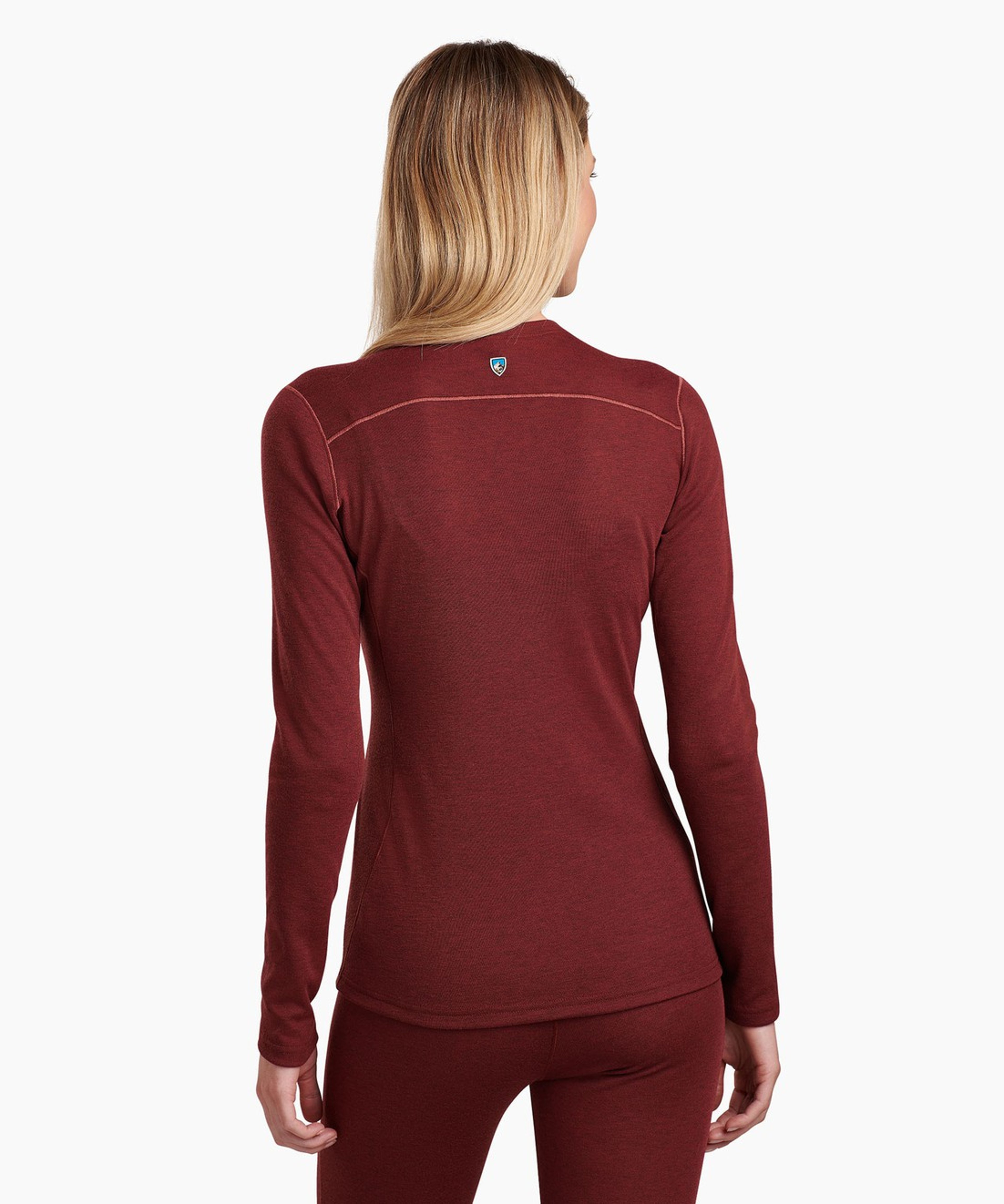
Merino Wool Performance. Merino wool blends regulate body temperature, resist odor naturally, and stay soft against the skin over multi-day efforts. Premium Italian Merino blended with modal retains shape, breathes when you push, and insulates when you stop. For more wool-anchored styles, see our women's merino wool collection.
Technical Knit Baselayers. Lightweight performance knits deliver superior moisture-wicking and quick-dry performance for high-output days. 3D patterning matches your form for a less-bulky layering fit, while 4-way stretch frees the shoulder and torso through every reach.
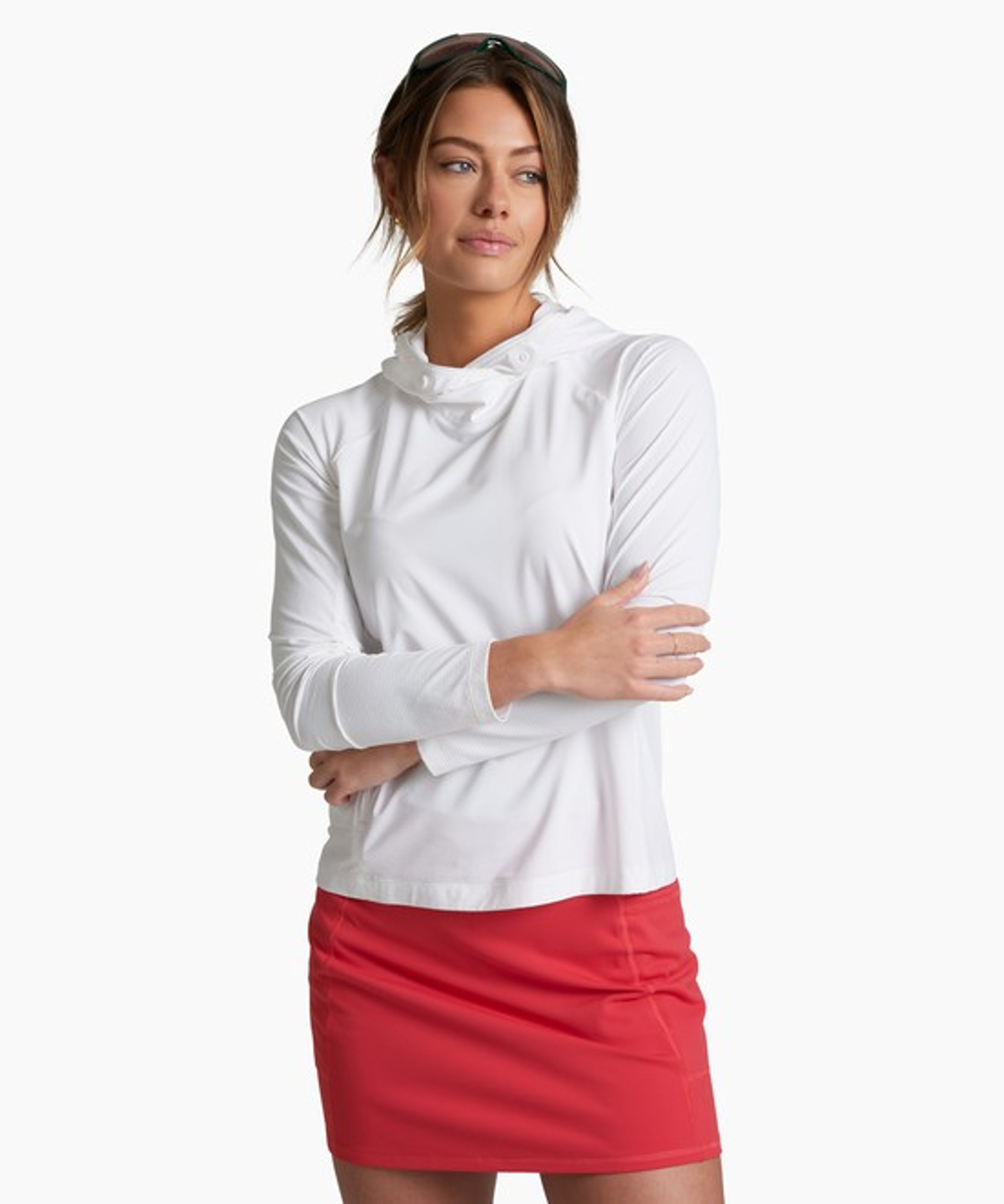
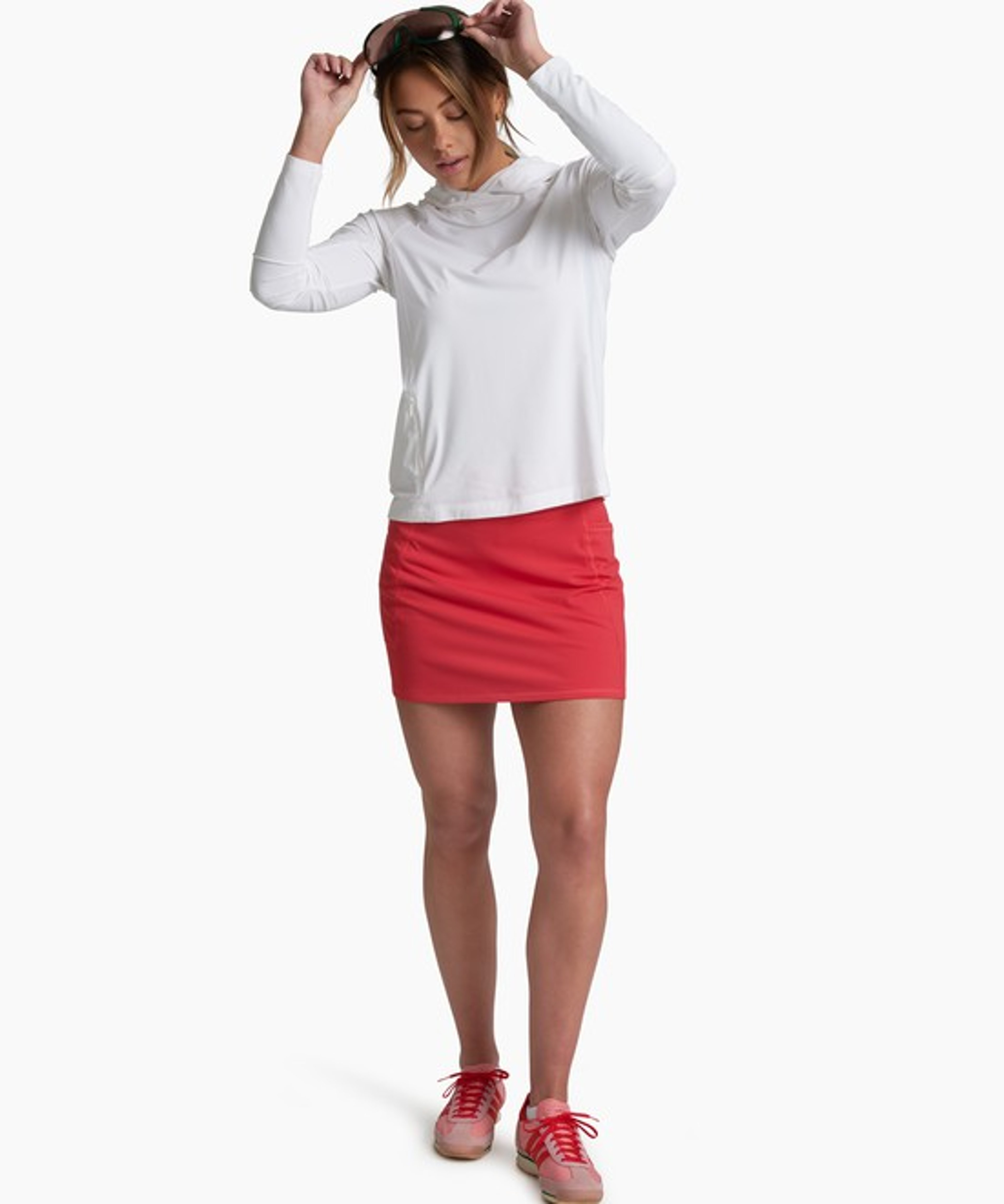
Sun-Smart Coverage. UPF 50+ short and long sleeve options block harmful UV on exposed ridges, paddleboards, and high-altitude approaches. The right athletic shirt drapes for a flattering, streamlined silhouette without binding, light enough for warm days, structured enough for a layered system. See our women's long sleeve shirts for the most sun-managed cuts.
Tanks for Heat. When the mercury climbs, a soft cotton-blend tank or a moisture-wicking athletic tank gives you bare-shoulder ventilation without sacrificing performance. Bonded edges and racerback construction stay flat under a pack strap or sports bra. For warm-weather alternatives, see our women's tank tops.
When selecting the right athletic shirt, look for signature touches like thumb loops to seal sleeves over your hands on chilly starts, flatlock seams that lay smooth under pack straps, 4-way stretch for unrestricted reach, and UPF 50+ for confident hours in the sun.
Choose from a variety of fabrics, styles, and features for the women's athletic shirts that are right for you:
Merino Wool Performance. Merino wool blends regulate body temperature, resist odor naturally, and stay soft against the skin over multi-day efforts. Premium Italian Merino blended with modal retains shape, breathes when you push, and insulates when you stop. For more wool-anchored styles, see our women's merino wool collection.
Technical Knit Baselayers. Lightweight performance knits deliver superior moisture-wicking and quick-dry performance for high-output days. 3D patterning matches your form for a less-bulky layering fit, while 4-way stretch frees the shoulder and torso through every reach.
Sun-Smart Coverage. UPF 50+ short and long sleeve options block harmful UV on exposed ridges, paddleboards, and high-altitude approaches. The right athletic shirt drapes for a flattering, streamlined silhouette without binding, light enough for warm days, structured enough for a layered system. See our women's long sleeve shirts for the most sun-managed cuts.
Tanks for Heat. When the mercury climbs, a soft cotton-blend tank or a moisture-wicking athletic tank gives you bare-shoulder ventilation without sacrificing performance. Bonded edges and racerback construction stay flat under a pack strap or sports bra. For warm-weather alternatives, see our women's tank tops.
When selecting the right athletic shirt, look for signature touches like thumb loops to seal sleeves over your hands on chilly starts, flatlock seams that lay smooth under pack straps, 4-way stretch for unrestricted reach, and UPF 50+ for confident hours in the sun.
From fabric trade-offs to fit, sun protection, and hot-weather options: answers to the questions women ask before choosing an athletic shirt for trail or gym.
What makes the best athletic shirts for you?
The best athletic shirts hit four marks: fast-wicking fabric, quick-dry performance, smart construction that moves with your body, and all-day wearability from gym to trail to errands.
Look for stretch-rich knits that pull sweat off your skin and dry quickly, flatlock or bonded seams that won't chafe under a pack or sports bra, and silhouettes built for layering. UPF 50+ on long-sleeve styles changes the calculus on exposed-ridge days. Versatility is the rest. The shirt that looks right post-workout shouldn't be a different shirt than the one you wore.
Look for stretch-rich knits that pull sweat off your skin and dry quickly, flatlock or bonded seams that won't chafe under a pack or sports bra, and silhouettes built for layering. UPF 50+ on long-sleeve styles changes the calculus on exposed-ridge days. Versatility is the rest. The shirt that looks right post-workout shouldn't be a different shirt than the one you wore.
What fabric is best for performance shirts: synthetic, merino, or blend?
It depends on the effort: synthetic for fast-drying speed, merino for odor-free multi-day comfort, and merino/synthetic blends for the best of both.
Synthetic knits (polyester, nylon-spandex) wick fastest and dry quickest, making them ideal for high-intensity gym work and hot-weather trail running. Merino wool regulates body temperature across a wider range, resists odor across multi-day backpacking, and stays soft against bare skin. Italian Merino blended with modal, the fabric behind our zip-neck baselayers, adds shape retention and a softer hand for everyday wear.
Synthetic knits (polyester, nylon-spandex) wick fastest and dry quickest, making them ideal for high-intensity gym work and hot-weather trail running. Merino wool regulates body temperature across a wider range, resists odor across multi-day backpacking, and stays soft against bare skin. Italian Merino blended with modal, the fabric behind our zip-neck baselayers, adds shape retention and a softer hand for everyday wear.
Do you really need a technical shirt, or will a cotton tee do?
A cotton tee will leave you cold, wet, and chafed once you start sweating. A technical shirt won't.
Cotton absorbs sweat, holds it against your skin, and takes hours to dry: at altitude or in a breeze, that's a real hypothermia risk on long days. Technical knits breathe, wick moisture off the skin, and dry on the move. For low-output casual wear in still, dry conditions cotton is fine, but for anything sustained or weather-exposed, a moisture-wicking knit is the right tool.
Cotton absorbs sweat, holds it against your skin, and takes hours to dry: at altitude or in a breeze, that's a real hypothermia risk on long days. Technical knits breathe, wick moisture off the skin, and dry on the move. For low-output casual wear in still, dry conditions cotton is fine, but for anything sustained or weather-exposed, a moisture-wicking knit is the right tool.
Can you wear long-sleeve shirts in summer?
Yes, and on exposed, high-UV days a UPF 50+ long-sleeve outperforms a short-sleeve tee.
Sleeves block direct sun on shoulders and forearms, where most cumulative skin damage occurs. The right warm-weather long sleeve uses a lightweight, breathable knit with mesh ventilation so it ventilates as it covers. Pair it with a brimmed hat and you can hike, paddle, or climb in midday sun without constantly reapplying sunscreen. When shade is plentiful, our women's short sleeve shirts cover the same training and trail use cases.
Sleeves block direct sun on shoulders and forearms, where most cumulative skin damage occurs. The right warm-weather long sleeve uses a lightweight, breathable knit with mesh ventilation so it ventilates as it covers. Pair it with a brimmed hat and you can hike, paddle, or climb in midday sun without constantly reapplying sunscreen. When shade is plentiful, our women's short sleeve shirts cover the same training and trail use cases.
How should an athletic shirt fit for layering?
Trim enough to layer cleanly under a midlayer or shell, with articulated patterning so nothing binds at the shoulder.
Athletic shirts should skim the body without compressing it: close enough that a fleece or softshell slides over without bunching, loose enough that the fabric moves with you. Look for raglan or 5-panel sleeves, gusseted underarms, and flatlock seams that disappear under pack straps. Length should still cover your lower back when you reach overhead.
Athletic shirts should skim the body without compressing it: close enough that a fleece or softshell slides over without bunching, loose enough that the fabric moves with you. Look for raglan or 5-panel sleeves, gusseted underarms, and flatlock seams that disappear under pack straps. Length should still cover your lower back when you reach overhead.
What's the best athletic shirt for hot weather hikes?
For hot hikes, choose an ultra-breathable moisture-wicking knit with UPF 50+ and mesh ventilation.
A lightweight short sleeve or sun hoody with underarm mesh panels and a relaxed-but-trim cut moves the most air with the least cling. Quick-dry fabric handles sweat without holding it. Thumb loops and a hood add coverage when you cross exposed sections. Color matters too: lighter shades reflect more solar heat than dark ones, so on triple-digit days, light wins.
A lightweight short sleeve or sun hoody with underarm mesh panels and a relaxed-but-trim cut moves the most air with the least cling. Quick-dry fabric handles sweat without holding it. Thumb loops and a hood add coverage when you cross exposed sections. Color matters too: lighter shades reflect more solar heat than dark ones, so on triple-digit days, light wins.